Categories
Archbishop’s Teaching

Happy Feast of St. Francis of Assisi!

The Beauty of Friendship and the Beauty of Holy Purity

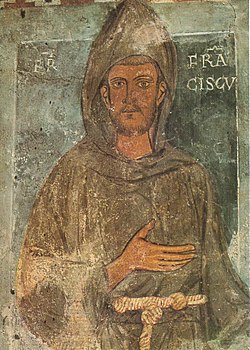
All the early accounts of Francis’ early life depict him as the heart and soul of every party.  He was a joy to be around, singing, laughing, enjoying everything in life.  People loved to be around him. The first followers of Francis draw pictures of him with his companions roaming the streets of Assisi singing troubadour songs and spreading happiness.

Όλες οι πρώτες αφηγήσεις για τα πρώτα χρόνια της ζωής του Φραγκίσκου τον απεικονίζουν ως την καρδιά και την ψυχή κάθε παρέας. Ήταν χαρά να τον έχεις κοντά του, τραγουδώντας, γελώντας, απολαμβάνοντας τα πάντα στη ζωή. Οι άνθρωποι λάτρευαν να είναι κοντά του. Οι πρώτοι ακόλουθοι του Φραγκίσκου ζωγραφίζουν αυτόν με τους συντρόφους του να περιφέρονται στους δρόμους της Ασίζης τραγουδώντας τροβαδούρα και σκορπώντας ευτυχία.


Within these accounts there is not the slightest suggestion that his character flirted with impurity or acting incorrectly with others.  There was already in Francis a great esteem for holy purity.  The virtue, the grace, the miracle of holy purity is manifested in the great capacity for friendship.  The Catechism of the Catholic Church #2347 says: “ The virtue of chastity blossoms in friendship.  It shows the disciple how to follow and imitate him who has chosen us as his friends (John 15:15) who has given himself totally to us and allows us to participate in his divine estate.”

Μέσα σε αυτές τις αφηγήσεις δεν υπάρχει η παραμικρή υπόνοια ότι ο χαρακτήρας του φλέρταρε με την ακαθαρσία ή ενεργούσε λανθασμένα με τους άλλους. Υπήρχε ήδη στον Φραγκίσκο μια μεγάλη εκτίμηση για την αγνότητα. Η αρετή, η χάρη, το θαύμα της αγνότητας εκδηλώνεται στη μεγάλη ικανότητα για φιλία. Ο Κατηχισμός της Καθολικής Εκκλησίας #2347 λέει: «Η αρετή της αγνότητας ανθίζει στη φιλία. Δείχνει στον μαθητή πώς να ακολουθεί και να μιμείται Αυτόν που μας έχει επιλέξει ως φίλους του (Ιωάννης 15:15) που μας έχει αφιερώσει τον εαυτό του ολοκληρωτικά και μας επιτρέπει να συμμετέχουμε στη θεϊκή του υπόσταση».


As we get older, the passions and appetites weaken and the temptations that tried us in our youth are not as pronounced.  At the same time, however, we should be growing more and more in the virtue of purity.  How can we grow in purity?  I would like to suggest that growing in purity means growing in our apostolic desires!

Καθώς μεγαλώνουμε, τα πάθη και οι ορέξεις εξασθενούν και οι πειρασμοί που μας δοκίμασαν στη νεότητά μας δεν είναι τόσο έντονοι. Ταυτόχρονα, όμως, θα πρέπει να αναπτυσσόμαστε όλο και περισσότερο στην αρετή της αγνότητας. Πώς μπορούμε να αναπτυσσόμαστε στην αγνότητα; Θα ήθελα να προτείνω ότι η ανάπτυξη στην αγνότητα σημαίνει ανάπτυξη στις αποστολικές μας επιθυμίες!


Think about how St. Francis made friends with everyone, even with things … the sun, the moon, the Sultan, the wolf … his apostolic heart seemed limitless.  This grace of friendship was the delicious fruit of the virtue of purity.  The purer the heart, the greater the capacity for friendship, the greater the capacity for friendship, the great the apostolate.

Σκεφτείτε πώς ο Άγιος Φραγκίσκος έκανε φίλους με όλους, ακόμα και με πράγματα... τον ήλιο, το φεγγάρι, τον Σουλτάνο, τον λύκο... η αποστολική του καρδιά φαινόταν απεριόριστη. Αυτή η χάρη της φιλίας ήταν ο νόστιμος καρπός της αρετής της αγνότητας. Όσο πιο αγνή ήταν η καρδιά, τόσο μεγαλύτερη ήταν η ικανότητα για φιλία, τόσο μεγαλύτερη ήταν η ικανότητα για φιλία, τόσο μεγάλη ήταν η αποστολικότητα.
 

Categories
Archbishop’s Teaching

3η Κυριακή της Ανυψώσεως του Τιμίου Σταυρού 5 Οκτωβριου 2025

Ματθαίος 24: 23-31

Αγαπητά εν Χριστώ αδέλφια,


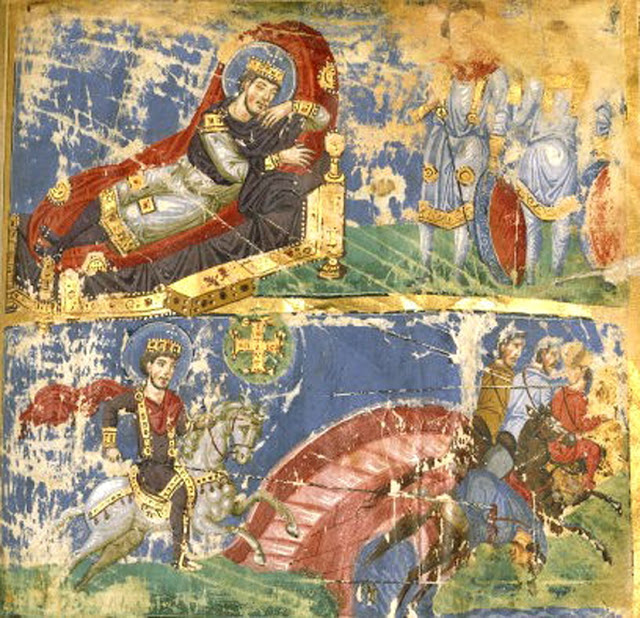
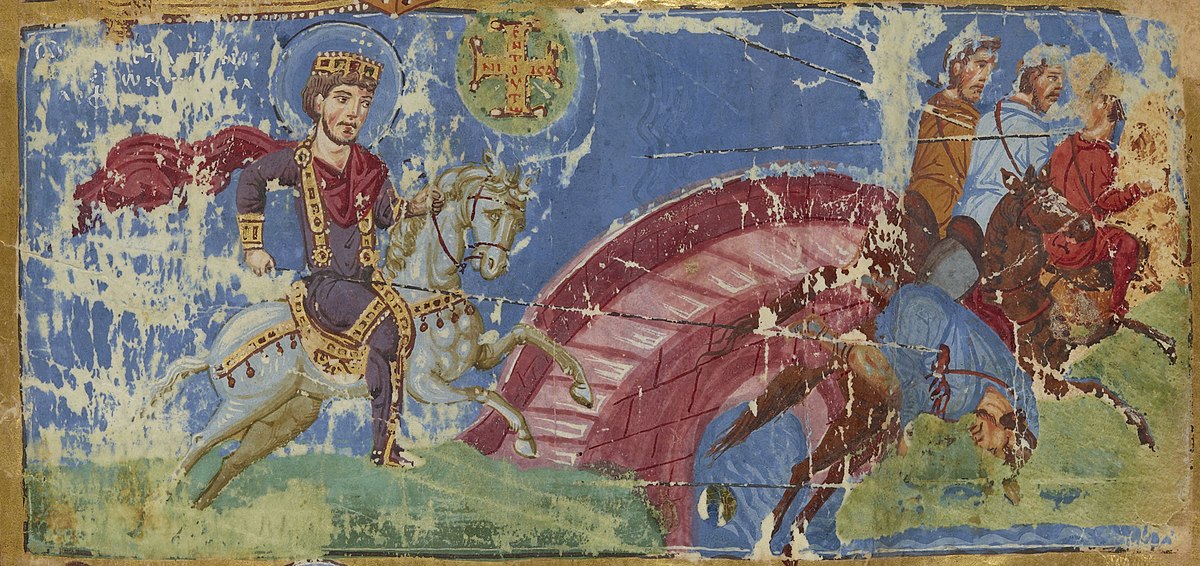
«Ο Κωνσταντίνος είδε τον Σταυρό να λάμπει φωτεινά στον ουρανό. Αυτό τον έκανε νικηφόρο όταν πολεμούσε τους εχθρούς του».


Η ιστορία μας λέει ότι ο αυτοκράτορας Κωνσταντίνος, πριν από τη μάχη της Μιλβιανής Γέφυρας (28 Οκτωβρίου 312), φέρεται να είχε ένα όραμα ενός σταυρού (ή Χ-Ρ) στον ουρανό. Μαζί με αυτό το όραμα ήρθαν και τα λόγια (που καταγράφηκαν από τον ιστορικό Ευσέβιο) «Με αυτό το σημάδι, θα νικήσεις». Ο Κωνσταντίνος διέταξε τους στρατιώτες του να σημαδέψουν τις ασπίδες τους με το Χ-Ρ (τα δύο πρώτα γράμματα της λέξης «Χριστός»).


Ο αυτοκράτορας Κωνσταντίνος κέρδισε τη μάχη εναντίον του Μαξεντίου, κάτι που απέδωσε στη δύναμη του Θεού των Χριστιανών. Αυτό το γεγονός άφησε το στίγμα του στην ιστορία του Χριστιανισμού, διότι μετά από αυτό, ο Κωνσταντίνος έθεσε τέλος στη δίωξη των Χριστιανών με το Διάταγμα των Μεδιολάνων (313 μ.Χ.), όχι μόνο νομιμοποιώντας το Χριστιανισμό στη Ρωμαϊκή Αυτοκρατορία, αλλά και καθιστώντας τον επίσημη θρησκεία της αυτοκρατορίας.


Αυτό το γεγονός του Κωνσταντίνου σηματοδοτεί μια κρίσιμη στιγμή στην ιστορία του Χριστιανισμού και συμβολίζει τη δύναμη και τη μεταμόρφωση που ξεκίνησε στο Σταυρό την Μεγάλη Παρασκευή. Η νίκη που πέτυχε ο Χριστός στο Σταυρό δεν περιορίζεται σε καθαρά πνευματικούς όρους, αλλά έχει συνέπειες στην καθημερινή ζωή, στην οργάνωση των κοινωνιών και στην οικοδόμηση του πολιτισμού.

Όταν τα έθνη, οι οικογένειες και οι πολιτισμοί ευφραίνονται στον Χριστό, όλα ανυψώνονται και τιμάται η αλήθεια του ανθρώπινου προσώπου. Δυστυχώς, η ιστορία είναι γεμάτη από ψευδομεσσίες που υποσχέθηκαν έναν παράδεισο στη γη χωρίς τον Χριστό, το Δέντρο της Ζωής.


Μπορούμε να ξαναχτίσουμε τον Κήπο της Εδέμ χωρίς τον Χριστό, το Δέντρο της Ζωής;


Όχι, δεν μπορούμε. Στην πραγματικότητα, κάθε προσπάθεια που έχει γίνει προς αυτή την κατεύθυνση έχει οδηγήσει στο ακριβώς αντίθετο αποτέλεσμα. Χωρίς τον Χριστό, ο άνθρωπος δημιουργεί μόνο μια ζωντανή κόλαση. «Όταν προσπαθούμε να ζήσουμε χωρίς τον Θεό, το αποτέλεσμα δεν είναι ο παράδεισος, αλλά μια έρημος κενότητας και θανάτου». – Deus Caritas Est, Βενέδικτος XVI.  Αμήν.


† Σελίμ Σφέιρ

Αρχιεπίσκοπος Μαρωνιτών Κύπρου

Categories
Archbishop’s Teaching

Third Sunday after the Holy Cross, October 5, 2025

Matthew 24 : 23-31

Dear brothers and sisters in Christ,

“Constantine beheld the Cross shining brightly in the sky. It made him victorious when fighting his foes.”

History tells us that the Emperor Constantine, before the Battle of the Milvian Bridge (October 28, 312) had a vision of a cross (or Chi-Rho) in the sky. Alongside this vision came the words (recorded by the historian Eusebius) “In this sign, you will conquer”. Constantine ordered his soldiers to mark their shields with the Chi-Rho (the first two letters of “Christ” in Greek: X (Chi) and R (Rho).

The Emperor Constantine won the battle against Maxentius, which he attributed to the power of the God of the Christians.This event imprinted itself on Christian history, because after this event, Constantine ended the persecution of Christians with the Edict of Milan (313 AD) not only making Christianity legal in the Roman Empire but establishing it as the religion of the empire.

This event of Constantine marks a pivotal moment in Christian history, and symbolizes the power and transformation begun at the Cross on Good Friday. The victory that Christ obtained on the Cross is not limited to purely spiritual terms, but has consequences in everyday life, in the organization of societies and the building of civilization. When nations, families and cultures exult in Christ, everything is elevated, and the truth of the human person is honored. Sadly, history is littered with false Messiahs who have promised a paradise on earth without Christ, the Tree of Life.

Can we re-build the Garden of Eden without Christ, the Tree of Life?

No, we cannot. In fact, every effort to do so has resulted in the exact opposite. Without Christ, man only creates a living hell.
“When we attempt to live without God, what results is not heaven, but rather a desert of emptiness and death.” – Deus Caritas Est, Benedict XVI

† Selim Sfeir
Maronite Archbishop of Cyprus


Categories
Uncategorized

Work hard and Aim High!

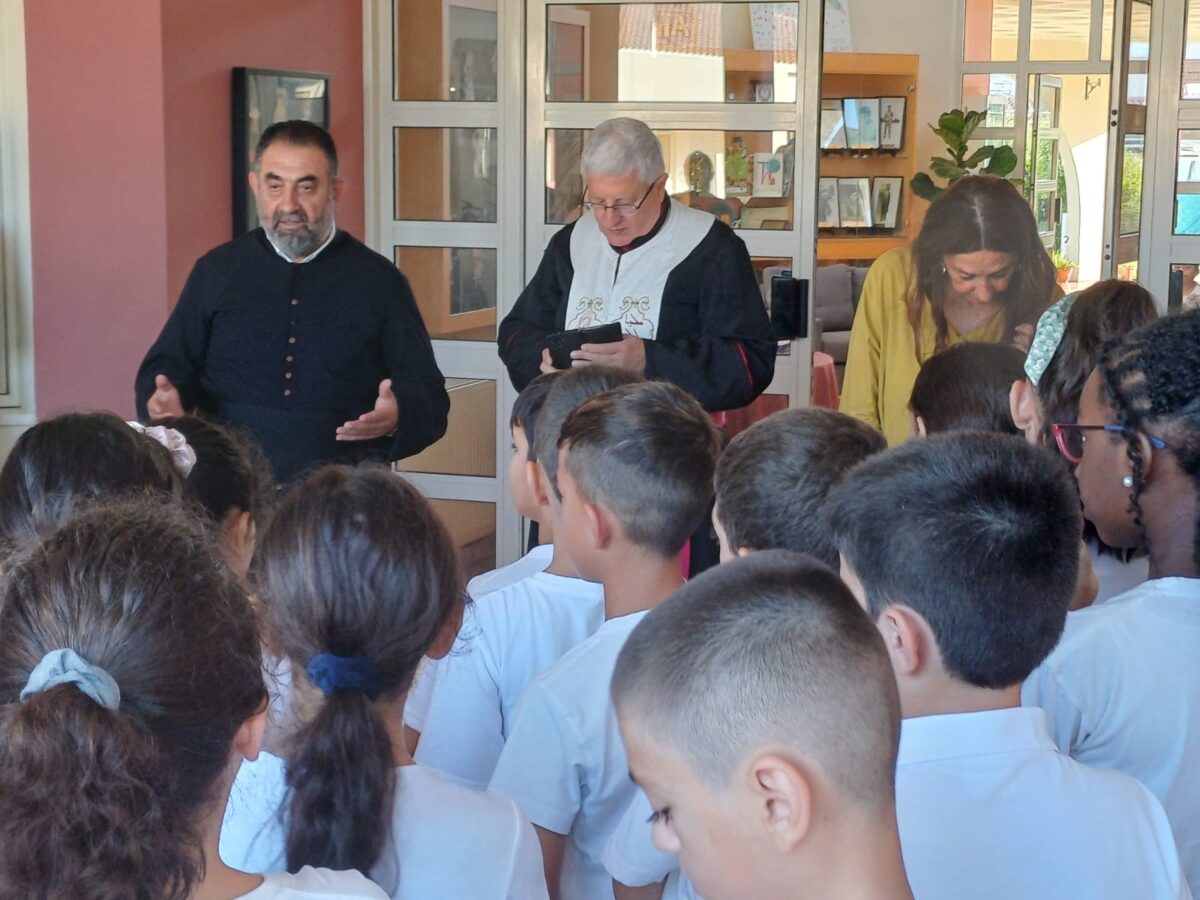
His Excellency Selim Sfeir Maronite Archbishop of Cyprus visited the first day of school of St. Maron School in Anthroupolie to encourage the young people, to bless them and wish them every success in their studies!  September 5, 2025.  The Archbishop was accompanied by Fr. Joseph Skender.
Categories
news

Καλώς ήρθες στην Κύπρο! Απρίλιος 2026

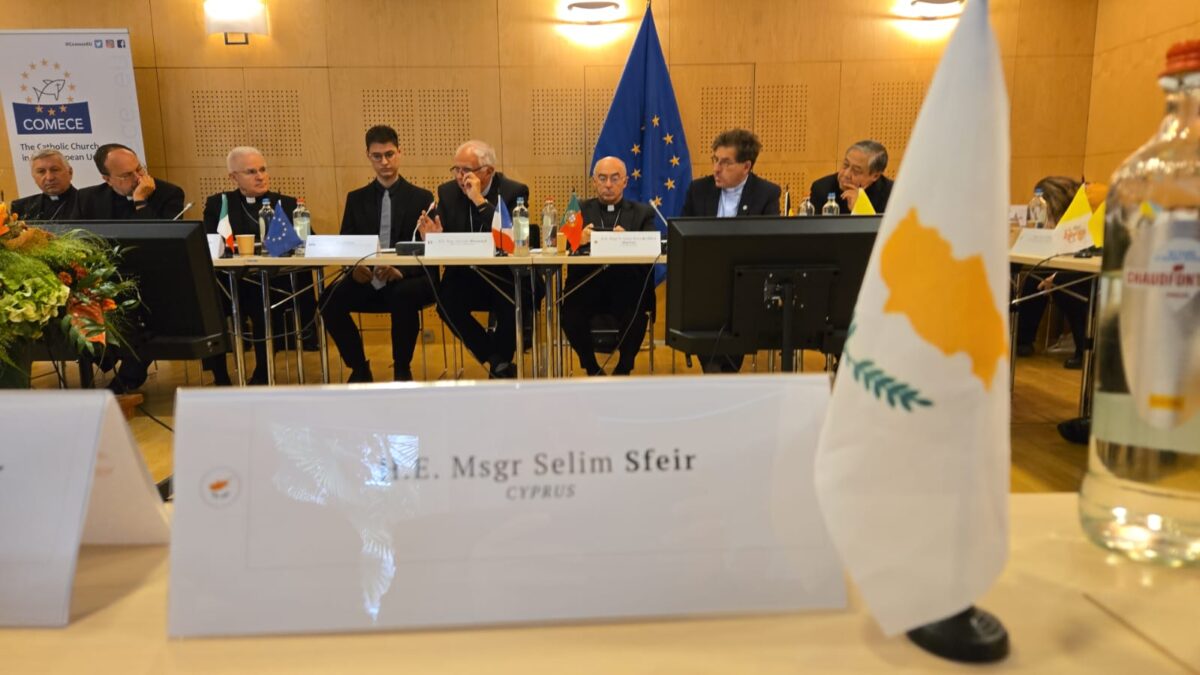
Invitation of His Excellency Selim Sfeir to the representatives of Commission of Bishops in Europe, October 2, 2025

Your Excellencies, dear brothers and sisters.
Allow me to briefly present the island of Cyprus, which will host our next meeting. It is the third largest island in the Mediterranean, located at the crossroads of Europe, Asia, and Africa, and has always been a bridge between peoples, cultures, and faiths. Its capital, Nicosia, remains the last divided capital in the world, a reminder of political challenges but also of the desire for peace and reconciliation.
The history of Cyprus is deeply linked to Christianity. Here the Apostles Paul and Barnabas proclaimed the Gospel in the first century, making it one of the earliest Christian lands. The Orthodox Church of Cyprus has been autocephalous since the fifth century, and through many civilizations – Greek, Roman, Byzantine, Crusader, Ottoman, and British – the Christian faith has remained a living presence.
The Maronite Church has been present since the 8th century and still maintains its historic villages as a testimony of faith and tradition.
By choosing Cyprus for our meeting, you have chosen a land small in size but great in history, rooted in apostolic origins and called today to witness to hope. It is a joy and an honor to welcome you here, so that we may walk together in communion at the service of the Gospel in Europe.