Categories
Archbishop’s Teaching

14η Κυριακή της Πεντηκοστής

Η Μάρθα και η Μαρία ( Λουκάς 10 / 38 - 42)

Αγαπητά εν Χριστώ αδέλφια,

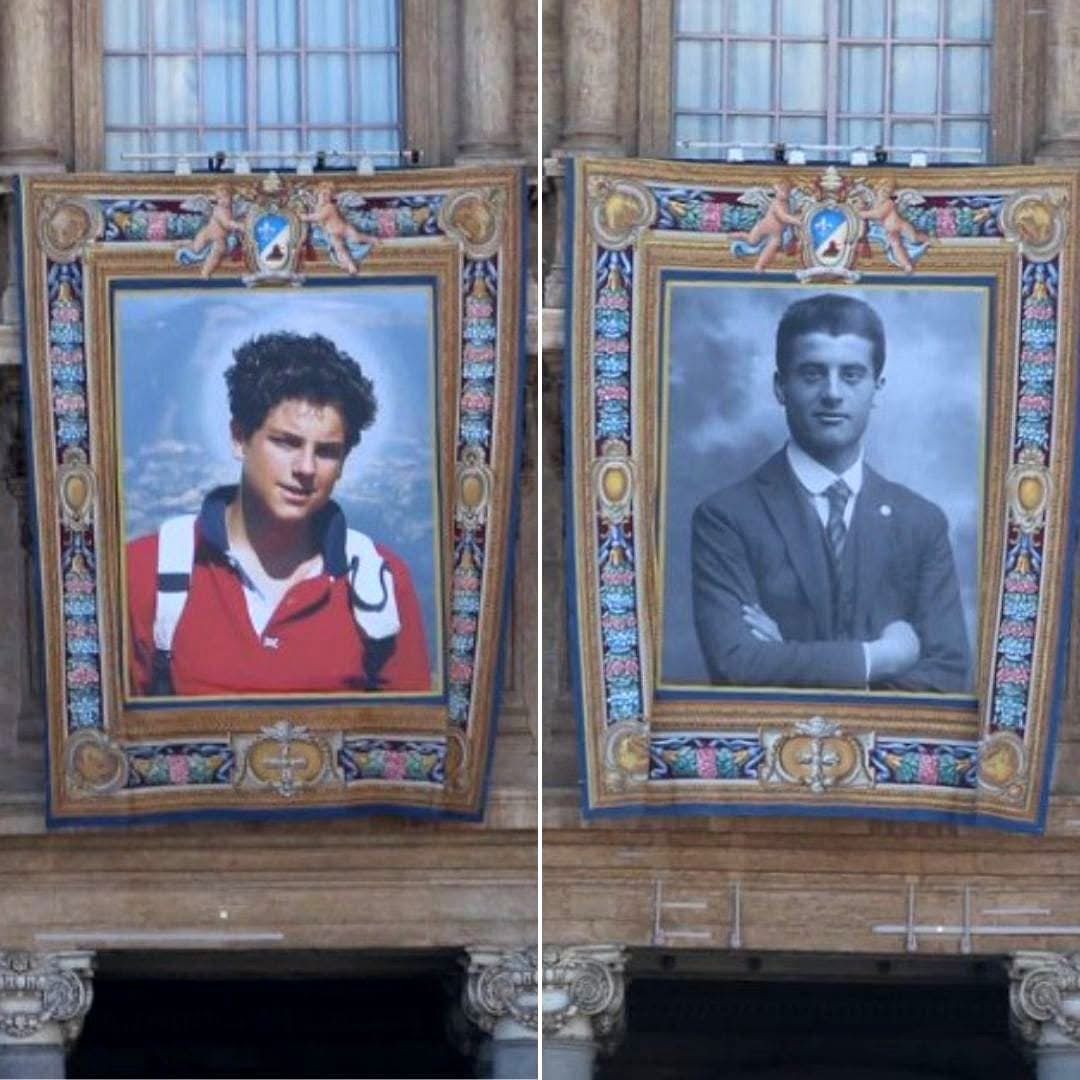
Η Αγιοκατάταξη των Μακαρίων Τζόρτζιο Φρασσάτι και Κάρλο Ακουτίς

Σήμερα, στην αγία πόλη της Ρώμης, ο αγαπημένος μας Άγιος Πατέρας, ο Πάπας Λέων ΙΔ΄, θα ανακηρύξει επίσημα για όλη την Εκκλησία δύο νέους αγίους, τον Τζόρτζιο Φρασσάτι και τον Κάρλο Ακουτίς. Και οι δύο νέοι αυτοί άνδρες έφυγαν από τη ζωή πολύ νέοι· όμως μέσα στη σύντομη πορεία τους, δείχνουν ότι το να ζει κανείς για τον Χριστό δεν αφαιρεί τίποτε από τη ζωή, αλλά την γεμίζει με νόημα και χαρά.

Οι άγιοι είναι οι ειδικοί της ακρόασης. Όπως η Μαρία της Βηθανίας, οι άγιοι είναι προσεκτικοί στη φωνή του Χριστού. Τον ακούν στην ανάγνωση του Ευαγγελίου, Τον ακούν στη διδασκαλία της Εκκλησίας, Τον ακούν στις φωνές των φτωχών και των μεταναστών, Τον ακούν στη σιωπή του Παναγίου Μυστηρίου. Οι άγιοι δεν αρκούνται να ακούνε τον Ιησού· Τον προσέχουν. Αυτό το έργο της ακρόασης είναι η ανακάλυψη της φωνής του Χριστού σε όσους βρίσκονται δίπλα μας, στις οικογένειές μας και στον χώρο εργασίας μας. Είναι ακόμη και η προσπάθεια να ακούσουμε τη φωνή του Χριστού στους συγχρόνους μας, μερικοί από τους οποίους βρίσκονται μακριά από την Εκκλησία. Ακόμα και στην αποξένωσή τους, είναι πλάσματα του Λόγου, της λογικής, και μπορούν, χωρίς να το γνωρίζουν, να μεταδίδουν την αλήθεια. Χρειαζόμαστε καρδιές και αυτιά ικανά να ακούν τον Χριστό που μιλά από τα πιο απίθανα μέρη.

Η καημένη η Μάρθα, μέσα στη γεμάτη μέριμνες κουζίνα της Βηθανίας, μπορούσε να ακούει τον Χριστό να μιλά στο άλλο δωμάτιο, αλλά ήταν τόσο αποσπασμένη που δεν μπορούσε να Τον προσέξει. Είχε επικεντρωθεί στα προβλήματά της, στις δυσκολίες και τις αποτυχίες της. Άκουγε τον εαυτό της και μόνο από απόσταση τον Ιησού.

Ο Θείος Λόγος δημιούργησε το ανθρώπινο σώμα ως μια εξατομικευμένη παραβολή: έχουμε δύο αυτιά και ένα στόμα. Ο Θεός μας δείχνει ότι πρέπει να ακούμε διπλάσια απ’ όσο μιλάμε· και ότι η ακρόαση είναι διπλάσια δύσκολη από την ομιλία.

Είθε η Ευλογημένη Μητέρα μας, της οποίας την όμορφη γέννηση θα εορτάσουμε αύριο (για εμάς τους Μαρωνίτες, θυμόμαστε την Κυρία μας της Μαρκί!) στις 8 Σεπτεμβρίου, να πρεσβεύει για όλους μας ώστε να γίνουμε καλύτεροι ακροατές! Αμήν.

+ Σελίμ Σφέιρ

Αρχιεπίσκοπος Μαρωνιτών Κύπρου
Categories
Archbishop’s Teaching

14th Sunday of Pentecost

3η Κυριακή της Σαρακοστής Λουκάς 8, 40 – 56

Περίοδος της Μεγάλης Σαρακοστής
3η Κυριακή της Σαρακοστής
Ομιλία του Σεβασμιοτάτου Αρχιεπισκόπου Μαρωνιτών Κύπρου
κ. Σελίμ Σφέιρ

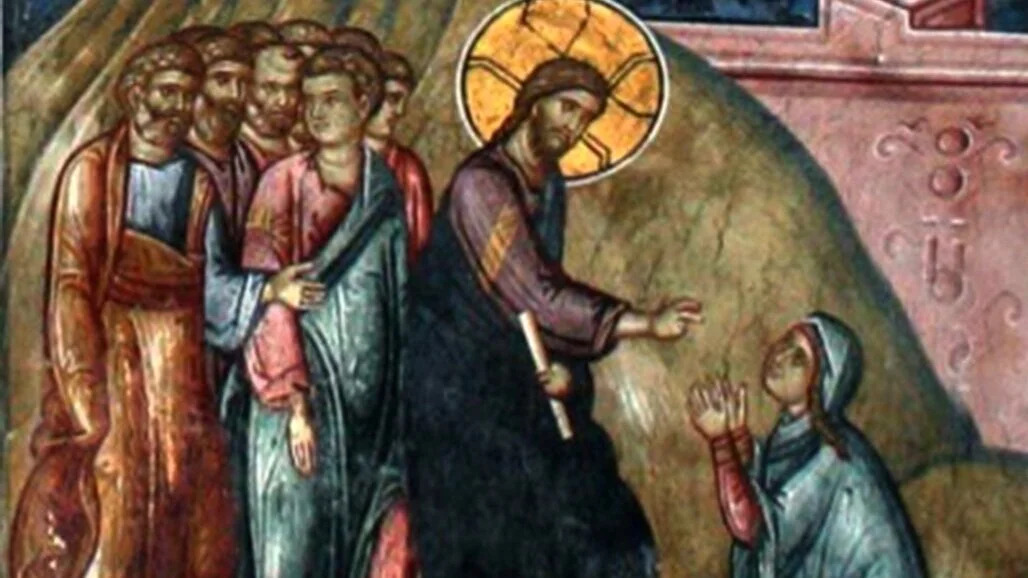
Θεραπεία της αιμορροούσας
και η ανάσταση της κόρης του Ιάειρου
Λουκάς 8, 40 – 56

Αγαπητά εν Χριστώ αδέλφια,

Δεν υπάρχει τίποτα πιο δύσκολο από το να ζεις με αυτό που σου
στραγγίζει τη ζωή, που ξοδεύει τα καλύτερα χρόνια της ύπαρξής σου και
την καταναλώνει μάταια, ειδικά όταν επιμένει. Σε τέτοιες συνθήκες, ο
άνθρωπος βρίσκεται αδύναμος, απελπισμένος, αναζητώντας διέξοδο από
την πραγματικότητά του. Υπάρχει τρόπος διαφυγής;
Στο απόσπασμα που διαβάζουμε, μια γυναίκα αιμορροούσα υπέφερε επί
δώδεκα χρόνια, έχοντας ξοδέψει τα πάντα στους γιατρούς, αλλά δεν είχε
βρει ανακούφιση. Σύμφωνα με τον εβραϊκό νόμο, θεωρούνταν ακάθαρτη
και περιθωριοποιημένη στην κοινωνία λόγω της αιμορραγίας της. Δεν
μπορούσε να αγγίξει τους ανθρώπους ή τα αντικείμενα που άγγιζαν,
καθώς θα τους καθιστούσε ακάθαρτους. Το πιο σημαντικό, δεν μπορούσε
να ανέβει στο ναό ή να μπει σε συναγωγή για προσευχή. Ήταν
απομονωμένη από τους ανθρώπους και από τον Θεό.
Ίσως είχε χάσει κάθε ελπίδα για την κατάστασή της, γιατί είχε θυσιάσει
ό,τι είχε για να βρει θεραπεία, όχι μόνο για τη σωματική της ασθένεια,
αλλά και για την απομόνωσή της.
Ο χρόνος περνούσε, η ζωή της εξαντλούνταν και εκείνη ήταν ανίσχυρη,
βλέποντας τον κόσμο να συνεχίζει ενώ εκείνη πέθαινε σταδιακά. Υπήρχε
κάποια διέξοδος γι' αυτήν;
Θα προσπαθήσω να διαβάσω μαζί σας τι κρύβεται πίσω από τις γραμμές
που γράφονται.
Αυτή η γυναίκα είχε ακούσει για τον Ιησού, αλλά δεν ξέρουμε αν κάποιος
της είχε μιλήσει γι' αυτόν ή αν είχε ακούσει από μακριά γι' αυτόν, αυτόν
που θεράπευε τις ανθρώπινες ασθένειες. Ωστόσο, η είδηση του Ιησού
έφερε ελπίδα στην απελπισμένη. Της έφερε μια αχτίδα ελπίδας, οπότε
πήρε την απόφασή της και μάζεψε το κουράγιο της, περιμένοντας την
κατάλληλη στιγμή. Όμως ήταν σίγουρα ανίκανη να τον πλησιάσει στη
μέση του πλήθους, ειδικά στην κατάστασή της, γιατί όλοι γνώριζαν την
ίδια και την κατάστασή της. Δεν θα τολμούσε να τον πλησιάσει μέσα στο
πλήθος! Θα ήταν καλύτερα για εκείνη να τον ακολουθήσει σε ένα
μακρινό μέρος, σε ένα χωριό όπου κανείς δεν την ήξερε. Εκεί, θα ήταν
ελεύθερη να δράσει. Ίσως έτσι να ενεργούσε!
Το ισχυρότερο πράγμα στην πίστη της ήταν ότι δεν αμφέβαλε ούτε στιγμή
ότι η ακάθαρτη κατάστασή της θα μόλυνε εκείνον που εξαγνίζει τους
ακάθαρτους. Αντιθέτως, ήταν πεπεισμένη ότι αν τον άγγιζε, εκείνος θα
την καθάριζε.
Μέσα στο πλήθος γύρω του, μέσα στην αναταραχή που τον περιέβαλε,
γλίστρησε απαρατήρητη και τον άγγιξε, και η αιμορραγία της σταμάτησε.
Αλλά στην πραγματικότητα, δεν ήταν εκείνη που τον είχε αγγίξει, αλλά
εκείνος που την είχε αγγίξει. Γιατί το άγγιγμα του Ιησού στον άνθρωπο
φέρνει την απόλυτη θεραπεία, τη λύτρωση για όσους πιστεύουν σε
Αυτόν.
Η κατάστασή μας είναι παρόμοια με τη δική της, εμείς που
κατακλυζόμαστε από τη ροή της αμαρτίας, η ζωή μας και όλα όσα
περιέχει είναι μάταια και ανώφελη. Η αμαρτία μας κάνει ακάθαρτους σαν
εκείνους που έχουν έναν χείμαρρο να τους στραγγίζει. Μας χωρίζει από
τον κόσμο της υγιούς ζωής και μας εμποδίζει να συναντήσουμε τον Θεό.
Έχετε ακούσει ποτέ για τον Ιησού; Έχετε απελπιστεί από την αιμορραγία
της αμαρτίας στη ζωή σας; Θέλετε να θεραπευτείτε από αυτήν; Πάρτε την
απόφαση, αποφασίστε, ελάτε στον Ιησού, ελάτε σε αυτόν χωρίς να το
καταλάβει κανείς, πιστέψτε ότι αν τον αγγίξετε θα θεραπευτείτε, πιστέψτε
ότι αν γονατίσετε μπροστά Του με μετάνοια και Του ζητήσετε θεραπεία,
δεν θα σας αρνηθεί μια νέα γέννηση που θα αλλάξει τη ζωή σας και θα
σας κάνει γιο και κόρη του Θεού. Ο απόστολος Ιωάννης λέει στο
ευαγγέλιό του: «Αλλά σε όλους όσοι τον δέχτηκαν, σε όσους πιστεύουν
στο όνομά Του, έδωσε δύναμη να γίνουν παιδιά του Θεού, γεννημένα όχι
από αίμα ή από το θέλημα της σάρκας ή από το θέλημα του ανθρώπου,
αλλά από τον Θεό.» (Ιωάννης 1:12-13)
Μην αμφιβάλλετε στην καρδιά σας, μην αφήνετε τις θορυβώδεις φωνές
του κόσμου γύρω σας να σας εμποδίζουν να έρθετε σε αυτόν, η επιστολή
προς Εβραίους λέει: «Σήμερα, αν ακούσετε τη φωνή Του, μην
σκληρύνετε την καρδιά σας.» (Προς Εβραίους 4:7). Αμήν

† Σελίμ Σφέιρ
Αρχιεπίσκοπος Μαρωνιτών Κύπρου
3rd Sunday of Lent Luke 8, 40-56.

Great Lent period
3rd Sunday of Lent
Homily of His Excellency Selim Sfeir
Maronite Archbishop of Cyprus

Jesus raises a dead girl and heals a sick woman
Luke 8, 40-56.

Dear brothers and sisters in Christ,

There is nothing more difficult than living with something that drains your
life, that spends the best years of your existence and consumes it in vain,
especially when it lasts. In such circumstances, man finds himself
powerless, desperate, looking for a way out of his reality. Is there an
escape route he can flee through?
In the passage we read, a bleeding woman had been suffering for twelve
years, having spent all her money on doctors, but no doctor was able to
heal her. According to Jewish law, she was considered impure and
marginalized in society because of her blood flow. She could not touch
people or the objects they touched, for she would make them impure.
More importantly, she could not go up to the temple or enter a synagogue
for prayer. She was isolated from both humans and from God.
Perhaps she had lost all hope in her condition, for she had sacrificed all
she had to find healing, not only from her physical illness, but also from
her isolation.
Time passed, her life was draining away and she was powerless, watching
the world live as she gradually died. Was there a way out for her?
I'll try to read with you what's behind the written lines.
This woman had heard about Jesus, but we do not know if someone had
told her about him or if she had heard about him from afar, the one who
healed human illnesses. However, the news of Jesus brought hope to the
desperate. He brought her a ray of hope, so she made her decision and
gathered her courage, waiting for the right moment. But she was surely
incapable of approaching him in the middle of the crowd, especially in
her condition, for everyone knew her and knew her condition. She would
not dare approach him in the crowd! It would be better for her to follow
him to a faraway place, to a village where nobody knew her. There, she
would be free to act. Perhaps she did!
What was strongest about her faith was that she never doubted for a
moment that her condition of impurity would contaminate the one who
purifies the impure. On the contrary, she was convinced that if she touched
him, he would purify her.
In the midst of the crowd around him, in the tumult that surrounded him,
she slipped in unnoticed and touched him, so her bleeding stopped. But in
fact, it was not she who had touched him, it was he who had touched her.
For the touch of Jesus on human beings brings total healing, redemption
for those who believe in him.
Our situation is similar to hers, we who are consumed by the flow of sin,
our life and all that it contains is vain and futile. Sin makes us impure like
those with a torrent that drains them. It separates us from the world of
healthy living and prevents us from meeting God.
Have you ever heard of Jesus? Have you despaired of bleeding sin in your
life? Do you want to be healed? Make your decision, make up your mind,
approach Jesus, come to him without anyone noticing, believe that if you
touch him, you will be healed, believe that if you kneel before him in
repentance and ask him for healing, he will not refuse you a new birth that
will change your life and make you a son of God. The apostle John says
in his gospel: "But to all who received him, to those who believe in his
name, he gave power to become children of God, who were born, not of
blood nor of the will of the flesh nor of the will of man, but of God." (John
1:12-13)
Don`t have doubts in your heart, don`t let the noisy voices of the world
around you stop you from coming to him, the letter to the Hebrews says:
"Today, if you hear his voice, don`t harden your hearts." (Hebrews 4:7).
Amen

† Selim Sfeir
Maronite Archbishop of Cyprus

3ème dimanche du Carême Luc 8, 40-56.

Temps du Grand Carême
3ème dimanche du Carême
Homélie de Son Excellence Mgr. Selim Sfeir
Archevêque Maronite de Chypre

Guérison de l’Hémorroisse
et la résurrection de la fille de Jaïre
Luc 8, 40-56.

Chers frères et sœurs en Christ,

Il n'y a rien de plus difficile que de vivre avec ce qui épuise votre vie, qui
dépense les meilleures années de votre existence et la consume en vain,
surtout lorsque cela perdure. Dans de telles circonstances, l'homme se
retrouve impuissant, désespéré, cherchant une issue pour s'échapper de sa
réalité. Y a-t-il une échappatoire par où il peut fuir ?
Dans le passage que nous avons lu, une femme hémorroïsse souffrait
depuis douze ans, ayant dépensé tout ce qu'elle avait pour les médecins,
mais elle n'avait trouvé aucun soulagement. Selon la loi juive, elle était
considérée comme impure et marginalisée dans la société en raison de son
flux de sang. Elle ne pouvait pas toucher les gens ou les objets qu'ils
touchaient, car elle les rendrait impurs. Plus important encore, elle ne
pouvait pas monter au temple ni entrer dans une synagogue pour la prière.
Elle était isolée des humains et de Dieu.
Peut-être avait-elle perdu tout espoir dans sa condition, car elle avait
sacrifié tout ce qu'elle avait pour trouver la guérison, non seulement de sa
maladie physique, mais aussi de son isolement.
Le temps passait, sa vie s'épuisait et elle était impuissante, voyant le
monde vivre alors qu'elle mourait peu à peu. Y avait-il une issue pour
elle?
Je vais chercher à lire avec vous ce qui se cache derrière les lignes écrites.
Cette femme avait entendu parler de Jésus, mais nous ne savons pas si
quelqu'un lui avait parlé de lui ou si elle avait entendu parler de lui de loin,
celui qui guérissait les maladies des humains. Cependant, la nouvelle de
Jésus ramenait l'espoir aux désespérés. Il lui apportait un rayon d'espoir,
alors elle prit sa décision et rassembla son courage, attendant le moment
propice. Mais elle était sûrement incapable de s'approcher de lui au milieu
de la foule, surtout dans son état, car tout le monde la connaissait et
connaissait son état. Elle n'oserait pas s'approcher de lui au milieu de la
foule ! Il valait mieux pour elle le suivre à un endroit lointain, dans un
village où personne ne la connaissait. Là, elle serait libre d'agir. Peut-être
a-t-elle agi ainsi !
Ce qui était le plus fort dans sa foi, c'est qu'elle n'a jamais douté un instant
que sa condition d'impureté contaminerait celui qui purifie les impurs. Au
contraire, elle était convaincue que si elle le touchait, il la purifierait.
Au milieu de la foule autour de lui, dans le tumulte qui l'entourait, elle se
faufila sans être remarquée et le toucha, alors son hémorragie s'arrêta.
Mais en fait, ce n'était pas elle qui l'avait touché, c'était lui qui l'avait
touchée. Car le toucher de Jésus sur les humains apporte une guérison
totale, la rédemption pour ceux qui croient en lui.
Notre situation est semblable à la sienne, nous qui sommes consumés par
le flux du péché, notre vie et tout ce qu'elle contient sont vains et futiles.
Le péché nous rend impurs comme ceux qui ont un torrent qui les draine.
Il nous sépare du monde de la vie saine et nous empêche de rencontrer
Dieu.
Avez-vous déjà entendu parler de Jésus ? Avez-vous désespéré du péché
hémorragique dans votre vie ? Voulez-vous en être guéris ? Prenez votre
décision, décidez-vous, approchez-vous de Jésus, venez à lui sans que
personne ne le remarque, croyez que si vous le touchez, vous serez guéris,
croyez que si vous vous agenouillez devant lui en repentir et vous lui
demandez la guérison, il ne vous refusera pas une nouvelle naissance qui
changera votre vie et vous rendra fils de Dieu. L'apôtre Jean dit dans son
évangile : " Mais à tous ceux qui l`ont reçue, à ceux qui croient en son
nom, elle a donné le pouvoir de devenir enfants de Dieu, lesquels sont nés,
non du sang, ni de la volonté de la chair, ni de la volonté de l`homme,
mais de Dieu." (Jean 1:12-13)
N'ayez pas de doutes dans votre cœur, ne laissez pas les voix bruyantes
du monde autour de vous vous empêcher de venir à lui, la lettre aux
Hébreux dit : " Aujourd`hui, si vous entendez sa voix, N`endurcissez pas
vos cœurs." (Hébreux 4:7). Amen

† Selim Sfeir
Archevêque Maronite de Chypre

2η Κυριακή της Μεγάλης Σαρακοστής Μάρκος 1/ 35 – 45

2η Κυριακή της Μεγάλης Σαρακοστής
Ομιλία του Σεβασμιοτάτου Αρχιεπισκόπου Μαρωνιτών Κύπρου
κ. Σελίμ Σφέιρ

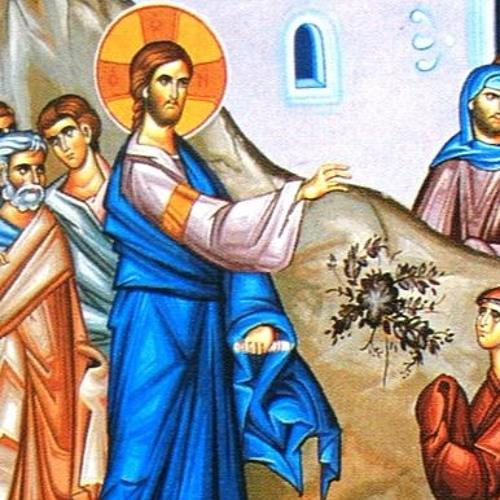
Κυριακή του λεπρού
Μάρκος 1/ 35 – 45

Αγαπητά εν Χριστώ αδέλφια,

Η λέπρα είναι μία από τις ανίατες μολυσματικές ασθένειες της
Βίβλου για τις οποίες δεν υπάρχει θεραπεία. Ο λεπρός
καταδικαζόταν να εγκαταλείψει την κοινότητα και να ζήσει με
τους λεπρούς έξω από την πόλη μέχρι να θεραπευτεί και ο ιερέας
να τον εξετάσει για να επιβεβαιώσει την ανάρρωσή του. Ο λεπρός
φορούσε ένα κουδούνι στο λαιμό του και δεν πλησίαζε τους
ανθρώπους. Αν συναντούσε κάποιον στο δρόμο του, έπρεπε να
φωνάξει με δυνατή φωνή: «Ακάθαρτος, ακάθαρτος!» ώστε να
μην τον πλησιάσει κανείς και να μην μεταδοθεί η μόλυνση. Ο
μεγαλύτερος φόβος μεταξύ των γερόντων ήταν μια μορφή λέπρας
που θα κατέστρεφε το σώμα και θα οδηγούσε στο θάνατο. Μόνο
ο Θεός ήταν το καταφύγιο και ο θεραπευτής του λεπρού.

Ο λεπρός που αναφέρει ο Ευαγγελιστής Μάρκος, όπως και οι
άλλοι λεπροί, ζούσε έξω από την πόλη και δεν τολμούσε να
πλησιάσει τους ανθρώπους, αλλά ακολουθούσε τα νέα αυτού του
Δασκάλου που περιφερόταν, θεραπεύοντας και κάνοντας καλό.
Το κείμενο μας δίνει μερικά σημαντικά κλειδιά για να
διαβάσουμε τη συμπεριφορά και τη στάση του απέναντι στον
Ιησού.

Πρώτον, δεν φοβήθηκε να πλησιάσει τον Ιησού και έτσι
βλέπουμε ότι αυτός ο απόκληρος λεπρός είδε τον Ιησού ως πηγή
ελπίδας και αποδοχής γι' αυτόν. Δεν τον καταδίκασε, δεν τον
κατηγοριοποίησε και δεν φοβήθηκε να τον πλησιάσει εξαιτίας
της ασθένειας που κατέστρεφε το σώμα του.

Δεύτερον, ήρθε στον Ιησού γονατιστός, και το να γονατίζει
μπροστά στον Ιησού είναι μια δήλωση της συνειδητοποίησής του
ότι ο Ιησούς είναι ανώτερος από την υπόλοιπη ανθρωπότητα και
μάλιστα, γι' αυτόν, είναι «η δύναμη του Θεού», οπότε
συνειδητοποιώντας ότι δεν έχει άλλο καταφύγιο εκτός από τον
Θεό για να σωθεί από τη θανάσιμη ασθένειά του, έρχεται στον
Ιησού.

Τρίτον , «Αν θέλεις, μπορείς να με καθαρίσεις», η έκφραση αυτή
δείχνει την εξάντληση όλων των ανθρώπινων μέσων θεραπείας
για τον λεπρό και την παράδοσή του στο θέλημα του Θεού. Αν
το θελήσει ο Θεός, μόνο ο Θεός μπορεί να τον θεραπεύσει.
Εδώ μας αποκαλύπτεται η αγάπη και η συμπόνια του Θεού για
τον άνθρωπο: ο Ιησούς απλώνει το χέρι Του και τον αγγίζει! Στη
συνέχεια, έρχεται η μεγάλη απάντηση: «Θέλω, να καθαριστείς»,
αποκαλύπτοντας την καρδιά του Θεού σε εμάς.
Στον Χριστιανισμό, η λέπρα συμβολίζει την αμαρτία και όλη η
ανθρωπότητα προσβάλλεται από πνευματική λέπρα, με άλλα
λόγια, από την αμαρτία. Η Αγία Γραφή μας διδάσκει ότι όλοι οι
άνθρωποι είναι αμαρτωλοί, όπως λέει ο απόστολος Παύλος στην
επιστολή του προς τους Ρωμαίους: «Διότι όλοι αμάρτησαν και
υπολείπονται της δόξας του Θεού». (Προς Ρωμαίους 3:23) Ομοίως, ο
προφήτης Ησαΐας λέει στην Παλαιά Διαθήκη: «Όλοι
περιπλανηθήκαμε σαν πρόβατα, καθένας πήρε τον δρόμο του-
και ο Κύριος πήρε πάνω του την ανομία όλων μας». (Ησαΐας
53:6) Επομένως, η ανθρωπότητα είναι καταδικασμένη σε
πνευματικό θάνατο, δηλαδή σε αποχωρισμό από τον Θεό! Κατά
συνέπεια, ο αμαρτωλός μοιάζει με τον Αδάμ μετά την πτώση του,
επειδή γίνεται περιπλανώμενος μακριά από τον Παράδεισο του
Θεού και φοβάται να Τον πλησιάσει σαν λεπρός.
Αυτός ο λεπρός είναι η εικόνα του καθενός από εμάς, που έχουμε
προσβληθεί από τη λέπρα της αμαρτίας, και μέσω της
συμπεριφοράς του μας διδάσκει σημαντικά μαθήματα για τη ζωή
μας. Μακάρι, όπως αυτός, να συνειδητοποιήσουμε ότι ο Ιησούς
είναι η πηγή της ελπίδας μας και ότι είναι αυτός που μας αγαπάει
παρά την απόστασή μας από αυτόν. Είναι αυτός που μας
αποδέχεται και δεν μας απορρίπτει αν έρθουμε γονατιστοί κοντά
Του και ζητήσουμε τη συγχώρεσή Του. Θυμηθείτε τι λέει η Αγία
Γραφή: «Ο Θεός αποδεικνύει την αγάπη Του για μας με το
γεγονός ότι, ενώ ήμασταν ακόμα αμαρτωλοί, ο Χριστός πέθανε
για μας». (Προς Ρωμαίους 5:8) Με τον ίδιο τρόπο, ο απόστολος Ιωάννης
μας λέει: «Η αγάπη του Θεού για μας φάνηκε στο ότι ο Θεός
έστειλε τον Υιό Του τον μονογενή στον κόσμο, για να ζήσουμε
μέσω Αυτού. Και αυτή η αγάπη δεν είναι ότι εμείς αγαπήσαμε
τον Θεό, αλλά ότι Αυτός μας αγάπησε και έστειλε τον Υιό Του
για να γίνει εξιλέωση για τις αμαρτίες μας». ( Ιωάννη Α΄ 4:9-10).
Είθε να συνειδητοποιήσουμε ότι η θεραπεία μας από τη λέπρα
της αμαρτίας είναι το θέλημα του Θεού για εμάς, επειδή ο Θεός
«θέλει να σωθούν όλοι οι άνθρωποι...». ( Τιμοθέου Α' 2:4) Ναι, το
θέλει, και «είναι μακρόθυμος απέναντί σας, μη θέλοντας να χαθεί
κανένας, αλλά να έρθουν όλοι σε μετάνοια». (Πέτρου Β' 3:9).
Είθε, όπως αυτός ο λεπρός, να Του παραδώσουμε τη ζωή μας,
ώστε να την αναδημιουργήσει εκ νέου! Ας γονατίσουμε μπροστά
Του, ελπίζοντας στη σωτηρία Του, γιατί μόνο αυτός μπορεί να
θεραπεύσει τη λέπρα της ζωής μας. Αμήν.

+ Σελίμ Σφέιρ
Αρχιεπίσκοπος Μαρωνιτών Κύπρου
2nd Sunday of Lent Mark 1/35-45

Great Lent period
2nd Sunday of Lent
Homily of His Excellency Selim Sfeir
Maronite Archbishop of Cyprus

Healing of the Leper
Mark 1/35-45

Dear brothers and sisters in Christ,

Leprosy is one of the Bible's incurable infectious diseases for which there is
no cure. The leper was condemned to leave the community and live with the
lepers outside the city until he was cured and examined by the priest to confirm
his recovery. The leper wore a bell around his neck and did not approach
people. If he met anyone on his way, he had to shout at the top of his voice:
"Impure, impure! So that no one would approach him and the infection would
not be transmitted. The greatest fear among the ancients was a form of leprosy
that would corrode the body and lead to death. God alone was the leper's refuge
and healer.
The leper referred to by Mark the Evangelist, like the other lepers, lived outside
the city and did not dare approach people, but he followed the news of this
Master who went around, healing and doing good. The text gives us some
important keys to reading his behavior and attitude towards Jesus.

Firstly, he was not afraid to approach Jesus, and so we see that this outcast
leper saw Jesus as a source of hope and acceptance for him. He did not
condemn him, categorize him or fear approaching him because of the disease
that was destroying his body.

Secondly, he came to Jesus on his knees, and kneeling before Jesus is a
declaration of his awareness that Jesus is superior to the rest of humanity and
that indeed, for him, he is "the power of God", so he realizes that he has no
other refuge but God to be saved from his mortal illness, he comes to Jesus.
Thirdly, "If you will, you can make me clean", this expression indicates the
exhaustion of all human means of healing for this leper and his surrender to
God's will. If God wills it, only God can heal him.
Here, God's love and compassion for man are revealed to us: Jesus reaches out
and touches him! Then comes the great response: "I will it, be pure", revealing
the heart of God to us.
In Christianity, leprosy symbolizes sin, and all humanity is affected by spiritual
leprosy, which is sin. The Holy Bible teaches us that all human beings are
sinners, as the apostle Paul says in his letter to the Romans: "For all have sinned
and fall short of the glory of God". (Romans 3:23) Similarly, the Old Testament
prophet Isaiah says: "We all wandered like sheep, each following his own way;
and the Lord laid on him the iniquity of us all". (Isaiah 53:6) Consequently,
humanity is doomed to spiritual death, which is separation from God!
Consequently, the sinner is like Adam after his fall, for he becomes a wanderer
far from God's Paradise and is afraid to approach Him like a leper.
This leper is the image of each one of us, we who are afflicted with the leprosy
of sin, and through his behavior he teaches us important lessons for our lives.
May we, like him, realize that Jesus is the source of our hope, and that it is He
who loves us despite our distance from Him. He accepts us and does not reject
us if we come to him on our knees and ask his forgiveness. Let's remember
what it says in the Bible: "God proves his love for us, in that while we were
still sinners, Christ died for us." (Romans 5:8) In the same way, the apostle John
tells us: "God's love for us was shown in that God sent his only Son into the
world, so that we might live through him. And this love is not that we loved
God, but that he loved us and sent his Son as an atoning sacrifice for our sins."
(1 John 4:9-10)
May we realize that our healing from the leprosy of sin is God`s will for us,
because God "wants all men to be saved..." (1 Timothy 2:4.) Yes, He does, and "He
is longsuffering toward you, not willing that any should perish, but that all
should come to repentance." (2 Peter 3:9)
May we, like this leper, surrender our lives to him, so that he can recreate them
anew! Kneel before Him, hoping for salvation from Him, for He alone is able
to heal the leprosy of our lives. Amen

† Selim Sfeir
Maronite Archbishop of Cyprus

2ème dimanche du Carême Marc 1/35-45

Temps du Grand Carême
2ème dimanche du Carême
Homélie de Son Excellence Mgr. Selim Sfeir
Archevêque Maronite de Chypre

Guérison du Lépreux
Marc 1/35-45

Chers frères et sœurs en Christ,

La lèpre est l’une des maladies infectieuses incurables de la Bible pour laquelle
il n’existe aucun remède. Le lépreux était condamné à quitter la communauté
et à vivre avec les lépreux hors de la ville jusqu'à ce qu'il soit guéri et que le
prêtre l'examine pour confirmer sa guérison. Le lépreux portait une clochette
autour du cou et ne s'approchait pas des gens. S'il rencontrait quelqu'un sur son
chemin, il devait crier à pleine voix : « Impur, impur ! Pour que personne ne
s'approche de lui et que l'infection ne lui soit transmise. La plus grande crainte
parmi les anciens était une forme de lèpre qui entraînerait une corrosion du
corps et conduirait à la mort. Dieu seul était le refuge et le guérisseur du
lépreux.
Le lépreux dont parle Marc l'Évangéliste, comme les autres lépreux, vivait en
dehors de la ville et n'osait pas s'approcher des gens, mais il suivait les
nouvelles de ce Maître qui parcourait les lieux, guérissait et faisait le bien. Le
texte nous donne des clés importantes pour lire son comportement et son
attitude envers Jésus.

Premièrement, il n'avait pas peur de s'approcher de Jésus, et ainsi nous voyons
que ce lépreux exclu, voyait en Jésus une source d'espoir et d'acceptation pour
lui. Il ne le condamne pas, ne le catégorise pas et n'a pas peur de l'approcher à
cause de la maladie qui détruisait son corps.

Deuxièmement - Il est venu vers Jésus à genoux, et s'agenouiller devant Jésus
est une déclaration de sa conscience que Jésus est supérieur au reste de
l'humanité et qu'en effet, pour lui, il est "la puissance de Dieu", alors il se rend
compte qu'il n'a d'autre refuge que Dieu pour être sauvé de sa maladie mortelle,
il vient à Jésus.
Troisièmement - "Si tu le veux, tu peux me rendre pur", cette expression
indique l'épuisement de tous les moyens humains de guérison pour ce lépreux
et son abandon à la volonté de Dieu. Si Dieu le veut, seul Dieu peut le guérir.
Ici, l'amour et la compassion de Dieu pour l'homme nous sont révélés : Jésus
lui tend la main et le touche ! Vient ensuite la grande réponse : « Je le veux,
sois pur » pour nous révéler le cœur de Dieu.
Dans le christianisme, la lèpre symbolise le péché, et toute l’humanité est
atteinte de la lèpre spirituelle, c’est-à-dire du péché. La Sainte Bible nous
enseigne que tous les humains sont pécheurs, comme le dit l’apôtre Paul dans
sa lettre aux Romains : « Car tous ont péché et sont privés de la gloire de Dieu».
(Romains 3 :23) De même, le prophète Isaïe dit dans l'Ancien Testament : « Nous
étions tous errants comme des brebis, Chacun suivait sa propre voie; et
l`Éternel a fait retomber sur lui l`iniquité de nous tous ». (Ésaïe 53 :6) Par
conséquent, l’humanité est vouée à la mort spirituelle, c’est-à-dire à la
séparation d’avec Dieu ! Par conséquent, le pécheur est comme Adam après sa
chute, car il devient un errant loin du Paradis de Dieu et a peur de s’approcher
de Lui comme un lépreux.
Ce lépreux est l'image de chacun d'entre nous, nous qui sommes atteints de la
lèpre du péché et, par son comportement, il nous enseigne des leçons
importantes pour notre vie. Puissions-nous, comme lui, réaliser que Jésus est
la source de notre espérance et que c'est lui qui nous aime malgré notre
éloignement de lui. C’est Lui qui nous accepte et ne nous rejette pas si nous
venons à lui à genoux et lui demandons pardon. Rappelons-nous ce qui est dit
dans la Bible : « Dieu prouve son amour envers nous, en ce que, lorsque nous
étions encore des pécheurs, Christ est mort pour nous. » (Romains 5 :8) De même,
l'apôtre Jean nous dit : « L’amour de Dieu a été manifesté envers nous en ce
que Dieu a envoyé son Fils unique dans le monde, afin que nous vivions par
lui. Et cet amour consiste, non point en ce que nous avons aimé Dieu, mais en
ce qu`il nous a aimés et a envoyé son Fils comme victime expiatoire pour nos
péchés. » (1 Jean 4:9-10)
Puissions-nous réaliser que notre guérison de la lèpre du péché est la volonté
de Dieu pour nous, parce que Dieu « veut que tous les hommes soient sauvés...»
(1 Timothée 2 : 4.) Oui, Il le veut, et « il use de patience envers vous, ne voulant
pas qu`aucun périsse, mais voulant que tous arrivent à la repentance. » (2 Pierre
3:9)
Puissions-nous, comme ce lépreux, lui abandonner notre vie afin qu’il puisse
la recréer à nouveau! Agenouillés devant Lui, espérant le salut de Lui, car Lui
seul est capable de guérir la lèpre de notre vie. Amen

† Selim Sfeir
Archevêque Maronite de Chyre

Κυριακή του γάμου στην Κανά Ιωάννης 2 / 1-11

Κυριακή της έναρξης της Μεγάλης Σαρακοστής
Ομιλία του Σεβασμιοτάτου Αρχιεπισκόπου Μαρωνιτών Κύπρου
κ. Σελίμ Σφέιρ

Κυριακή του γάμου στην Κανά
Ιωάννης 2 / 1-11

Αγαπητά εν Χριστώ αδέλφια,

Ο Ιησούς και η μητέρα του Μαρία ήταν καλεσμένοι σε έναν γάμο στην Κανά
της Γαλιλαίας. Συνηθιζόταν να διοργανώνεται ένα μεγάλο γαμήλιο συμπόσιο
στο οποίο σερβιριζόταν κρασί και φαγητό στους καλεσμένους. Ενώ το
συμπόσιο γινόταν, το κρασί τελείωσε και η κατάσταση έγινε αμήχανη για τους
νεόνυμφους. Όταν η Μαρία αντιλήφθηκε το θέμα, έφερε το πρόβλημα στον
Ιησού και εκεί, σύμφωνα με το εβραϊκό έθιμο, υπήρχαν έξι πέτρινα δοχεία για
το νερό του εξαγνισμού, που χωρούσαν περίπου εξακόσια ογδόντα λίτρα.
Ο Ιησούς διέταξε τους υπηρέτες να γεμίσουν τα αγγεία με νερό, και στη
συνέχεια τους διέταξε να τα γεμίσουν και να τα παρουσιάσουν στον
επικεφαλής του συμποσίου. Και αυτό είναι το θαύμα: το νερό στα αγγεία
μεταμορφώθηκε σε ένα διαφορετικό κρασί, καλύτερο από το κρασί που
σερβιρίστηκε στο τραπέζι.
Το κρασί έχει πολλές σημασίες στη Βίβλο, αλλά γενικά συμβολίζει τη χαρά,
όπως λέει ο Ψαλμός 104:15: "το κρασί κάνει την καρδιά του ανθρώπου να
χαίρεται". Και στον Ησαΐα 25:6 "Ο Κύριος των δυνάμεων ετοιμάζει για όλους
τους λαούς σε αυτό το βουνό μια γιορτή από ζουμερά φαγητά, μια γιορτή από
παλιά κρασιά".
Εδώ, στο κείμενο της γαμήλιας γιορτής στην Κανά της Γαλιλαίας, μπορούμε
να εφαρμόσουμε την παραπάνω έννοια στο κρασί.

Σε αυτό το κείμενο, βρισκόμαστε μπροστά σε έναν καθρέφτη που αντανακλά
την πραγματικότητα της κατάστασής μας. Είμαστε σαν τον γαμπρό που έχει
προμηθευτεί υλικό, γήινο κρασί για την ημέρα του γάμου του, για να το
απολαύσει με τους καλεσμένους του και να γλεντήσει την ημέρα του γάμου
του. Επικεντρώνουμε τις ανησυχίες μας στα υλικά ζητήματα της ζωής και
επιδιώκουμε να αποκτήσουμε τις πηγές των γήινων χαρών μας με υπερβολικό
εγωισμό, οπότε προσκολλούμαστε στα φαινόμενα και ξεχνάμε την ουσία,
αλλά οι χαρές της γήινης ζωής δεν διαρκούν και γρήγορα εξαντλούνται,
κάνοντας τη ζωή μας δυστυχισμένη και στερώντας της τη χαρά.
Όταν το κρασί της υλικής χαράς είχε τελειώσει, ο Ιησούς παρενέβη. Ο Ιησούς
διέταξε τους υπηρέτες να επιστρέψουν σε μια από τις απλούστερες ανάγκες
της ζωής, το "νερό"!
Είναι σαν να μας διατάζει ο Ιησούς, επιστρέφοντας στα βασικά, να
επιστρέψουμε στο σημείο εκκίνησης και να κατευθύνουμε την πυξίδα της
ζωής μας προς μια άλλη πηγή χαράς και ευτυχίας, προκειμένου να παράγουμε
για εμάς ένα κίνητρο αληθινής χαράς, διαφορετικό σε ποιότητα. Από τα πιο
απλά συστατικά της ζωής, δημιουργεί για εμάς ένα νέο κρασί που επαναφέρει
τη χαρά στη γιορτή της ζωής μας. Η παρέμβαση του Ιησού σε αυτόν τον γάμο
έρχεται να σώσει τον άνθρωπο και να του δώσει μια νέα γεύση για τις χαρές
της ζωής του.
Υπό το φως των παραπάνω, καταλαβαίνουμε γιατί η Εκκλησία επέλεξε το
κείμενο της γαμήλιας γιορτής στην Κανά για να ανοίξει την περίοδο της
Σαρακοστής. Σήμερα, η Εκκλησία μας καλεί, μαζί με τον Ιησού, να
απαρνηθούμε τις κοσμικές χαρές και τις πολυτέλειες της ζωής κατά την
περίοδο της Σαρακοστής. Μας καλεί να τις μοιραστούμε με φιλανθρωπία με
τους γύρω μας, να τις προσφέρουμε σαν κρασί στους καλεσμένους. Μας καλεί
να μη φοβόμαστε την εξάντλησή τους. Μας καλεί να επιστρέψουμε στις πηγές
της ζωής, να εγκαταλείψουμε την πολυτέλεια και τα φαινόμενα και να
αγκαλιάσουμε τα πιο απλά στοιχεία της ζωής, ώστε η νηστεία μας και η αποχή
μας από τις χαρές να γίνουν πηγή χαράς για τη ζωή μας.

Αλλά αυτό δεν εξυπηρετεί κανένα σκοπό και δίνει νόημα στη ζωή μας μόνο
υπό έναν όρο: "να προσκληθεί ο Ιησούς στο γάμο". Φανταστείτε τον γάμο και
την κρίση του χωρίς την παρουσία του Ιησού! Η πρόσκληση της Εκκλησίας
προς εμάς να εισέλθουμε στην περίοδο της Σαρακοστής, την εποχή της
εγκατάλειψης του κρασιού της υλικής ζωής και της επιστροφής στα πιο απλά
βασικά της ζωής, έχει νόημα μόνο αν προσκαλέσουμε τον Ιησού στο γαμήλιο
γλέντι της ζωής μας και αφήσουμε τα απλά βασικά της ζωής μας στα χέρια
του.
Σε αυτή την ευλογημένη Σαρακοστή, ας απομακρυνθούμε από τις χαρές της
θνητής ζωής και ας σηκώσουμε τα μάτια και τις καρδιές μας στα ύψη,
προσκαλώντας τον Ιησού στη ζωή μας, έτσι ώστε όταν η ζωή μας αδειάσει από
τις χαρές του κόσμου, ο Ιησούς μόνος του θα ξεχειλίσει μέσα μας με την
αφθονία της χάρης Του.

Προσευχή: Κύριε Ιησού, άδειασε τις καρδιές μας από τις εφήμερες χαρές του
κόσμου και γέμισέ τες με την άπειρη αγάπη Σου. Οδήγησέ μας στο μονοπάτι
της απάρνησης, ώστε να γευτούμε την αυθεντική χαρά που μας προσφέρεις.
Είθε η χάρη Σου να μας συνοδεύει και να μας ενδυναμώνει καθ' όλη τη
διάρκεια αυτής της ιερής περιόδου της Σαρακοστής, ώστε να αναγεννηθούμε
σε νέα ζωή το Πάσχα.

† Σελίμ Σφέιρ
Αρχιεπίσκοπος Μαρωνιτών Κύπρου
Sunday of the Wedding at Cana John 2 / 1-11

Sunday of entry into Great Lent
Homily of His Excellency Msgr. Selim Sfeir
Maronite Archbishop of Cyprus

Sunday of the Wedding at Cana
John 2 / 1-11

Dear brothers and sisters in Christ,

Jesus and his mother Mary were invited to a wedding at Cana in Galilee. It
was customary to hold a large wedding banquet where wine and food were
served to the guests. While the banquet was taking place, the wine ran out and
the situation became embarrassing for the newlyweds. When Mary became
aware of the matter, she brought the problem to Jesus. According to Jewish
custom, were six stone jars for the water of purification, each holding around
six hundred and eighty liters.
Jesus instructed the servants to fill the jars with water, then he ordered them to
fill them and present them to the banquet leader. And here is the miracle: the
water in the jars turned into a different kind of wine, better than the wine served
at the table.
Wine has many meanings in the Bible, but in general, it symbolizes joy, as
Psalm 104:15 says "wine gladdens the human heart", and Isaiah 25:6 "On this
mountain, the Lord of hosts will make for all peoples a feast of rich food, a
feast of well-aged wines."
Here, in the text of the wedding feast at Cana in Galilee, we can apply the
aforementioned meaning to wine.

In this text, we find ourselves in front of a mirror that reflects the reality of
our situation. We are like the bridegroom who has procured material, earthly
wine for his wedding day, to enjoy with his guests and to feast on the day of
his wedding.
We focus our concerns on the material matters of life, and we seek to acquire
the sources of our earthly joys with excessive selfishness, so we cling to
appearances and forget the essence, but the joys of earthly life do not last, and
they quickly run out, making our life miserable and emptying it of its joy.
With the wine of material joy exhausted, Jesus intervened. Jesus orders the
servants to return to a most necessity of life, "water!"
It is as if by going back to basics, Jesus is ordering us to return to the starting
point, and to direct the compass of our lives towards another source of joy and
happiness in order to produce for us a motive for true joy, different in its
quality. From the simplest ingredients of life, he creates for us a new wine that
brings joy back to the celebration of our lives. Jesus' intervention in this
wedding comes to save man, and give him a new taste for the joys of his life.
In the light of the above, we understand why the Church chose the text of the
wedding feast of Cana to open the Lenten season. Today, the Church calls us,
with Jesus, to renounce the worldly joys and luxuries of life during the season
of Lent. She calls us to share them in charity with those around us, to offer
them as wine to guests. She calls us not to fear their exhaustion. She calls us to
return to the sources of life, to abandon luxury and appearances and embrace
the simplest elements of life, so that our fasting and abstention from joys
becomes a source of joy for our lives.
However, this serves no purpose and gives meaning to our lives only on one
condition: "that Jesus be invited to the wedding". Imagine the wedding and the
crisis experienced without the presence of Jesus! The invitation that Church
addresses to us to enter the season of Lent, the time of abandoning the wine of
material life and returning to the simplest basics of life, only makes sense if we
invite Jesus to the wedding feast of our lives and place the simple bases of our
lives in his hands.

In this blessed Lent, let us turn away from the joys of mortal life and lift our
eyes and hearts to the heights, inviting Jesus into our lives, so that when our
lives are emptied of the joys of the world, Jesus alone will overflow within us
with the abundance of his grace.

Prayer
Lord Jesus, empty our hearts of the fleeting joys of the world and fill them with
your infinite love. Guide us along the path of self-denial, so that we may taste
the authentic joy you offer us.
May your grace accompany and strengthen us throughout this holy season of
Lent, so that we may be reborn to new life at Easter.

† Selim Sfeir
Maronite Archbishop of Cyprus

Martha and Mary (Luke 10 : 38-42)

Dear brothers and sisters in Christ,

The Canonization of Blessed Giorgio Frassati and Blessed Carlos Acutis.

Today in the holy city of Rome, our beloved Holy Father, Pope Leo XIV will solemnly elevate for the whole Church two new saints, Giorgio Frassati and Carlos Acutis. Both of these young men died very young, yet in their brief journey, they show that living for Christ takes nothing away from life but fills it with meaning and joy.

The saints are the experts in listening. Like Mary of Bethany, the saints are attentive to the voice of Christ.  They hear Him in the reading of the Gospel, they hear Him in the voice of the Church’s teaching, they hear Him in the voices of the poor and the immigrant, they hear Him in the silence of the Blessed Sacrament.  The saints don’t just hear Jesus, they listen to Him. This work of listening is to discover the voice of Christ in those right beside us, in our families and our place of work. It's also about trying to hear the voice of Christ in our contemporaries, some of whom are far from the Church.  Even in their estrangement, they are creatures of Logos, of reason, and can be unwitting transmitters of the truth.  We need to have hearts and ears capable of hearing Christ speaking from the most unlikely places.

Poor Martha in her busy kitchen of Bethany could hear Christ speaking in the other room, but she was so distracted, she couldn’t listen.  She got focused on her problems, her difficulties and her failures.  She was listening to herself and only hearing Jesus from a distance.

The Divine Logos created the human body as a custom designed parable: we have two ears and one mouth.  God is showing us that we have to do twice as much listening as we do speaking and listening is twice as hard as talking.

May our Blessed Mother, who’s beautiful birthday we shall celebrate tomorrow (for us Maronites, we think of our Lady of Mankee!) on September 8th, intercede for all of us to be betters listeners!

† Selim Sfeir

Maronite Archbishop of Cyprus

Categories
Archbishop’s Teaching

Εορτή του Αρχαγγέλου Μιχαήλ

Λουκάς 14: 16 -24

Αγαπητά εν Χριστώ αδέλφια,

Τότε ο Ιησούς του είπε: «Κάποιος έδωσε ένα μεγάλο δείπνο και προσκάλεσε πολλούς. Όταν ήρθε η ώρα του δείπνου, έστειλε τον δούλο του να πει στους προσκεκλημένους: «Ελάτε, γιατί όλα είναι έτοιμα τώρα». Καθώς συμμετέχουμε σε αυτή την ευλογημένη γιορτή της ανανέωσης της θυσίας του Ιησού Χριστού, μας συνοδεύει, όπως αρέσκεται να λέει ο Άγιος Ιωάννης ο Χρυσόστομος, μια μεγάλη ομήγυρη αγγέλων.

Αυτή η εκκλησία, αφιερωμένη στον Αρχάγγελο Μιχαήλ, έχει σίγουρα το δικαίωμα να πιστεύει ότι αυτός ο μεγάλος στρατηλάτης των ουράνιων στρατευμάτων είναι παρών εδώ μαζί μας, προσφέροντας τη λατρεία του στην Αγία Τριάδα. Τον χαιρετούμε και τον ευχαριστούμε για την προστασία του. Ο Κύριός μας στο Ευαγγέλιο, μας εξιστορεί μια παραβολή για κάποιον που παρέθεσε ένα μεγάλο δείπνο. Ο Κύριός μας συνεχίζει περιγράφοντας πώς οι καλεσμένοι άρχισαν να βρίσκουν δικαιολογίες και να απαλλάσσονται από αυτό το μεγάλο συμπόσιο. Αυτή η παραβολή απευθυνόταν ως επίπληξη στους Ιουδαίους για την άρνησή τους να πιστέψουν και να δεχτούν τον Μεσσία τους. Ο Ιησούς Χριστός είναι η εκπλήρωση όλων των προφητειών και υποσχέσεων της Παλαιάς Διαθήκης. Ένα μέρος του Ισραήλ δέχτηκε τον Χριστό και έγινε η Καθολική Εκκλησία, αλλά η παραβολή είναι πολύ σαφής, πολλοί από τον ίδιο τον λαό του Κυρίου μας δεν Τον δέχτηκαν.

Θα ήθελα να προσαρμόσω αυτή την παραβολή στην παρούσα κατάσταση. Βρισκόμαστε εδώ, στην σεβάσμια παλιά εκκλησία του Αρχαγγέλου Μιχαήλ στον Ασώματο. Το συμπόσιο της Θυσίας του Κυρίου μας, η μεγαλύτερη από όλες τις γιορτές, είναι έτοιμο μπροστά μας. Είναι αλήθεια ότι μπορούμε να παρακολουθήσουμε τη Θεία Λειτουργία σε οποιοδήποτε άλλο μέρος, γιατί όπου ένας έγκυρα χειροτονημένος ιερέας με δικαιοδοσία, χρησιμοποιώντας τις εγκεκριμένες λέξεις της αφιέρωσης, με την πρόθεση να κάνει ό,τι κάνει η Εκκλησία, και χρησιμοποιώντας τα κατάλληλα συστατικά του ψωμιού και του κρασιού, προσφέρει τη Θυσία της Θείας Λειτουργίας, εκεί μπορούμε να παρακολουθήσουμε τη Θεία Λειτουργία και να λάβουμε την Θεία Κοινωνία. Αλλά θέλω να επιμείνω ότι είναι πολύ σημαντικό να παρακολουθούμε τη Θεία Λειτουργία εδώ στον Ασώματο και στα παραδοσιακά μαρωνιτικά χωριά μας όσο πιο συχνά μπορούμε.

Η Κατήχηση της Καθολικής Εκκλησίας, παράγραφος 2471, αναφέρει: «Ενώπιον του Πιλάτου, ο Χριστός διακηρύσσει ότι «ήρθε στον κόσμο για να μαρτυρήσει την αλήθεια». Ο χριστιανός δεν πρέπει λοιπόν να ντρέπεται να μαρτυρήσει τον Κύριό μας. Σε καταστάσεις που απαιτούν μαρτυρία της πίστης, ο χριστιανός πρέπει να την ομολογεί χωρίς αμφιβολία, ακολουθώντας το παράδειγμα του Αποστόλου Παύλου ενώπιον των δικαστών του».

Όταν σκεφτόμαστε καταστάσεις σε όλο τον κόσμο, μπορούμε εύκολα να φανταστούμε τους μακρινούς αδελφούς και αδελφές μας στον Χριστό να υποβάλλονται σε μια πραγματική δοκιμασία. Αλλά και εμείς εδώ στον Ασώματο αλλά και στην Αγία Μαρίνα έχουμε μια δοκιμασία, ένα είδος δοκιμασίας. Θα μαρτυρήσουμε τον Κύριό μας μπροστά στους γείτονές μας; Πολλοί από αυτούς που βρίσκονται τώρα σε αυτό το χωριό δεν είναι βαπτισμένοι, αλλά έχουν δικαίωμα στη μαρτυρία μας, στην κατάθεσή μας. Η μαρτυρία μας δεν είναι πολιτική ή ιδεολογική. Δεν είμαστε εδώ σε μια πράξη ανυπακοής ή αντίστασης. Είμαστε εδώ επειδή είμαστε μέρος του Σώματος του Χριστού, και ο Χριστός είναι πάντα στραμμένος προς τον Πατέρα. Κοιτάζοντας τον Πατέρα μαζί με τον Χριστό, βλέπουμε κάθε άνθρωπο ως αδελφό και αδελφή μας. Γι' αυτό καμία κυβέρνηση δεν πρέπει ποτέ να φοβάται το έργο της Εκκλησίας.

Ναι, μπορούμε να λάβουμε τα μυστήρια πιο εύκολα στις τοπικές ενοριακές εκκλησίες μας, αλλά αν παραμελούμε τις εκκλησίες του χωριού μας, παραμελούμε όλες τις ψυχές που ζουν εδώ. Ένα από τα συγκεκριμένα σημάδια της καρποφορίας των Μυστηρίων είναι η οικοδόμηση της ανθρώπινης αδελφότητας. Ολόκληρος ο κόσμος χρειάζεται περισσότερη αδελφότητα, φιλία και καλοσύνη. Η παρουσία μας εδώ πρέπει να γίνει κατανοητή από αυτή τη θέση. Βρισκόμαστε εδώ επειδή μόνο ο Αναστημένος Χριστός είναι ικανός να ανακουφίσει τα βάσανα της πληγωμένης ανθρωπότητας (Πάπας Φραγκίσκος). Πιστεύω ακράδαντα ότι αυτή η θέση θα προσελκύσει τους νέους μας να επιστρέψουν στα χωριά.

Αν κάνουμε το λάθος των προσώπων της παραβολής και βρούμε δικαιολογίες, όπως «η σειρά είναι πολύ μεγάλη», «όλο και λιγότεροι άνθρωποι πηγαίνουν», «δεν έχει νόημα»... αυτό συμβαίνει επειδή έχουμε χάσει την υπομονή μας με τον Θεό. Ο Θεός εργάζεται πάντα, και συχνά είναι σαν ψίθυρος και πολύ σιωπηλός, αλλά εργάζεται. Αν εγκαταλείψουμε τον Ασώματο, την Αγία Μαρίνα, την Καρπάσια ή τον Κορμακίτη, θα είναι ένα σημάδι ότι έχουμε κουραστεί να περιμένουμε τον Θεό να κάνει κάτι.

Όταν δούμε τους αγαπημένους μας προγόνους στην αιωνιότητα, θα είναι ανυπόμονοι να δουν πώς περάσαμε τη χριστιανική μας ζωή. Ας μην τους απογοητεύσουμε λέγοντας ότι κουραστήκαμε να περιμένουμε τον Θεό να δράσει.

Ας μας ανοίξει η Μαρία, Βασίλισσα των Αγγέλων και Βασίλισσα του Ασωμάτου, την πόρτα του Ιερού Οίκου της Ναζαρέτ, ώστε να ανακαλύψουμε πώς ένα μικρό σπίτι, σε ένα ξεχασμένο χωριό, μπορεί πράγματι να αλλάξει τον κόσμο. Αμήν.

+ Σελίμ Σφέιρ
Αρχιεπίσκοπος Μαρωνιτών Κύπρου
Categories
Archbishop’s Teaching

Feast of Saint Michael

Luke (14, 16-24)

Dear brothers and sisters in Christ,

“Then Jesus said to him, ‘Someone gave a great dinner and invited many.  At the time for the dinner he sent his slave to say to those who had been invited, “Come, for everything is ready now.”

As we join in this blessed celebration of the unbloody renewal of the Sacrifice of Jesus Christ, we are accompanied, as St. John Chrysostom loved to say, with a great host of angels.  This church, dedicated to St. Michael, surely has the right to believe that this great general of the heavenly hosts is present here with us, offering his adoration to the Blessed Trinity.  We salute him and thank him for his protection.

Our Lord in the gospel tells us a parable about someone who gave a great dinner.  Our Lord goes on to describe how the invited guests began to make excuses and exempted themselves from this great feast.  This parable was directed as a reproach to the Jews for their refusal to believe and accept their Messiah.  Jesus Christ is the fulfillment of all the prophecies and promises of the Old Testament.  A remnant of Israel did accept Christ and they became the Catholic Church, but the parable is very explicit, many of Our Lord’s own people did not accept Him.

I would like to update this parable to our own present situation.  Here we are in this venerable old church of St. Michael in Asomatos. The banquet of Our Lord’s Sacrifice, the greatest of all feasts, is set before us.

It is true, we can attend Mass in any other place, for wherever a validly ordained priest with jurisdiction, using the approved words of consecration, with the intention to do what the Church does, and using the appropriate matter of bread and wine, offers the Sacrifice of the Mass, there, we may attend the Mass and receive Holy Communion.  But I want to insist that it is very important to attend Mass here in Asomatos and in our traditional Maronite villages as often as we possibly can.

The Catechism of the Catholic Church paragraph 2471 states: “Before Pilate, Christ proclaims that he ‘has come into the world, to bear witness to the truth.’  The Christian is not to be ashamed then of testifying to our Lord.’  In situations that require witness to the faith, the Christian must profess it without equivocation, after the example of St. Paul before his judges.”

When we think of situations throughout the world, we can easily imagine our far away brothers and sisters in Christ being put to a real test.  But we here in Asomatos we too have a test, a trial of sorts.  Will we testify to our Lord, before our neighbors?  Many who are here in this village now, are not baptized but they have a right to our testimony, our witness.  Our testimony is not political or ideological.  We are not here in an act of defiance or opposition.  We are here because we are part of the Body of Christ, and Christ is always facing the Father.  By looking at the Father with Christ, we see every person as our brother and sister.  This is why no government should ever fear the work of the Church.

Yes, we can obtain the sacraments more conveniently in our local parish churches, but if we neglect our village churches, we are neglecting all the souls who live here.  One of the concrete signs of the fruitfulness of the Sacraments is the building of human fraternity.  The whole world needs more fraternity, friendship and kindness.  Our presence here must be understood from this position.  We are here because only the Risen Christ is capable of alleviating the sufferings of wounded humanity (Pope Francis).  I firmly believe that this position will attract our young people to return to the villages.

If we make the mistake of the persons in the parable of making excuses, “the checkpoint is too long” “there are fewer and fewer people going” “it is no use” … it is because we have lost patience with God.  God is always at work, and often it is like a whisper and very silent, but He is at work.

If we abandon Asomatos, or Karpasha or Kormakitis, it will be a sign that we have grown tired of waiting for God to do something.

When we see our beloved forebears in eternity, they will be eager to see how we have spent our Christian lives.  May we not disappoint them by saying we grew tired of waiting for God to act.

May Mary, Queen of the Angels, and Queen of Asomatos open for us the door of the Holy House of Nazareth so that we may discover how a tiny house, in forgotten village can indeed, change the world.

† Selim Sfeir

Maronite Archbishop of Cyprus

Categories
Archbishop’s Teaching

13η Κυριακή της Πεντηκοστής

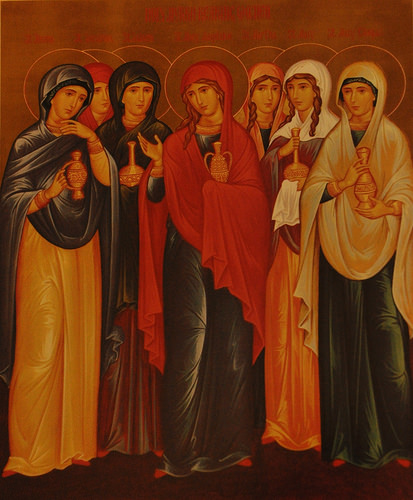
Οι γυναίκες της Γαλιλαίας ακολουθούν τον Ιησού ( Λουκάς 8 / 1 - 15)


Αγαπητά εν Χριστώ αδέλφια,


Το ευαγγέλιο αυτής της Κυριακής είναι ένα πλούσιο κείμενο που πρέπει να μελετήσουμε αργά και με προσοχή. Ο ευαγγελιστής Λουκάς, υπό την έμπνευση του Αγίου Πνεύματος, προσπαθεί να μας διαφωτίσει σχετικά με την αποκατάσταση της Δημιουργίας που λαμβάνει χώρα με τη Λύτρωση του Ιησού Χριστού.


Μέχρι την έλευση του Χριστού, οι άνδρες και οι γυναίκες υπέφεραν τις συνέπειες της προπατορικής αμαρτίας στην συγκεκριμένη πραγματικότητα του φύλου τους. Οι άνδρες υπέφεραν τις συνέπειες της προπατορικής αμαρτίας από τα διαταραγμένα πάθη τους και το σκοτεινό μυαλό τους. Η κατάσταση αυτή ήταν τόσο σκοτεινή, ώστε οι άνδρες να βρίσκονται σε διαρκή πόλεμο με τον εαυτό τους και με τους άλλους, δημιουργώντας κοινωνίες βασισμένες στη δουλεία και τη σκληρότητα. Στις γυναίκες, οι συνέπειες της προπατορικής αμαρτίας εκδηλώνονταν με το να τις υποτιμούν και να τις μειώνουν συστηματικά. Κατηγορούμενες για τα πάντα, οι γυναίκες πριν από την έλευση του Χριστού ζούσαν μια κολασμένη ύπαρξη, αντιμετωπίζονταν ως σκλάβες της σαρκικής ηδονής και φθηνής εργασίας. Χωρίς τον Χριστό, ο κόσμος βρισκόταν σε μια τρομερή κατάσταση. Σήμερα μιλάμε για τα πολλά πλεονεκτήματα των σύγχρονων γυναικών, αλλά μια τέτοια συζήτηση είναι δυνατή μόνο επειδή το φως του Χριστού έχει φωτίσει την ανθρώπινη αξιοπρέπεια κατά τη διάρκεια των τελευταίων 2.000 ετών.


Ταυτόχρονα, ας έχουμε το θάρρος να απορρίψουμε ορισμένες ιδεολογίες που έχουν εισχωρήσει στο Σώμα του Χριστού και υπονοούν ότι οι γυναίκες και οι άνδρες είναι ακριβώς ίδιοι και ότι, για να μιλάμε για ισότητα, οι γυναίκες πρέπει να κάνουν όλα τα ίδια πράγματα με τους άνδρες. Πόσο θα γελούσαν οι πρώτες γυναίκες μαθήτριες του Χριστού με τέτοια ανοησία! Οι γυναίκες δεν είναι άνδρες και πρέπει να τους επιτρέπεται να ασκούν την ομορφιά των γυναικείων τους ιδιοτήτων στην υπηρεσία του Ευαγγελίου. Η δόξα της γυναίκας δεν είναι ότι μπορεί να κάνει τη δουλειά ενός άνδρα· η δόξα της γυναίκας είναι ότι δεν έχει καμία επιθυμία να κάνει ό,τι κάνει ένας άνδρας. Ο Χριστός, το Φως μας, λάμπει φωτεινά στο μονοπάτι των σύγχρονων γυναικών, χαρίζοντάς τους τη χάρη να απορρίψουν το πνεύμα της επανάστασης και του θύματος. Στον Χριστό, η γυναίκα φωτίζεται για να δει το μονοπάτι της και με τη χάρη του Αγίου Πνεύματος δεν βλέπει τη λέξη «υπηρεσία» ως σκλαβιά, αλλά αντιλαμβάνεται την πλήρη σημασία της ως τρόπο ταύτισης με τον Χριστό, «ο οποίος δεν ήρθε για να υπηρετηθεί, αλλά για να υπηρετήσει». ِΑμήν.


† Σελίμ Σφέιρ

Αρχιεπίσκοπος Μαρωνιτων Κύπρου

Categories
Archbishop’s Teaching

13th Sunday of Pentecost

The Galilean Women Follow Jesus (Luke 8:1-15)

Dear brothers and sisters in Christ,


The gospel of this Sunday is a richly embroidered passage which we must meditate upon slowly and with attention. The evangelist St. Luke, under the inspiration of the Holy Spirit, seeks to enlighten us to the restoration of Creation that takes place in the Redemption of Jesus Christ.

Until the coming of Christ, men and women suffered the effects of original sin in their own gender-specific reality. Men suffered the effects of original sin by their disordered passions, and their darkened minds. So dark was this condition, that men found themselves perpetually at war with themselves and with others, crafting societies built upon slavery and cruelty. In women, the effects of original sin manifested itself in being routinely put down and diminished. Blamed for everything, women before the coming of Christ, lived a hellish existence, treated like slaves of carnal pleasure and cheap labour. Without Christ, the world was in a terrible situation. Today we speak of the many advantages of modern women, but it is only because the light of Christ has illuminated human dignity throughout the last 2,000 years that such a conversation is possible.

At the same time, let us be courageous enough to reject certain ideologies have been smuggled into the Body of Christ that imply women and men are the exact same and that in order to speak of equality, women must do all the same things as men.  How the first women disciples of Christ would have laughed at such silliness!! Women are not men and they must be allowed to exercise the beauty of their feminine qualities in the service of the gospel.

The glory of woman is not that she can do a man’s job; the glory of woman is that she has no desire to do what a man does. Christ our Light shines his light brightly upon the path of modern women, bestowing grace upon them to reject the spirit of revolution and victimhood.  In Christ, woman is illuminated to see her path and with the grace of the Holy Spirit she does not see the word service as slavery but rather discerns the full meaning of it as way to identification with Christ, “who came not to be served, but to serve”.

† Selim Sfeir

Maronite Archbishop of Cyprus

Categories
Archbishop’s Teaching

12η Κυριακή της Πεντηκοστής

Η πίστη της Χαναναίας γυναίκας ( Ματθαίος 15 / 21 - 28)

Αγαπητά εν Χριστώ αδέλφια,

Σε ορισμένες μεταφράσεις του σημερινού ευαγγελίου, η πρωταγωνίστρια της

ιστορίας, η Χαναανίτισσα γυναίκα, ονομάζεται επίσης Συρο-Φοινικική

γυναίκα. Ως παιδιά της Μαρωνιτικής Εκκλησίας, είμαστε ευτυχείς που

συναντάμε αυτή τη γυναίκα. Είναι η μητέρα μας στην πίστη. Οι φοινικικές

ρίζες της, σε συνδυασμό με τη συριακή κληρονομιά της και την πίστη της στον

Χριστό, την καθιστούν την πρώτη Μαρωνίτισσα στο Ευαγγέλιο. Ο

Ευαγγελιστής Ματθαίος αποτυπώνει τέλεια την ουσία της πίστης αυτής της

γυναίκας.

1) Θα κάνει τα πάντα για τα παιδιά της. Αυτή η μητέρα δεν ζητάει τίποτα

για τον εαυτό της από τον Κύριο, αλλά για την καημένη κόρη της που

έχει κυριευτεί από δαίμονα. Για έναν Μαρωνίτη, δεν υπάρχει

μεγαλύτερη κοινότητα από την οικογένεια. Αν διαφωνήσαμε με ένα ή

δύο μέλη της οικογένειάς μας, πρέπει να προσπαθήσουμε να το

διορθώσουμε όσο καλύτερα μπορούμε. Το πνευματικό μας DNA είναι

τέτοιο που εκτιμά την οικογένεια πάνω από όλα. Πρέπει να κάνουμε ό,τι

μπορούμε για να επιδιορθώσουμε τους σπασμένους οικογενειακούς

δεσμούς. Και αυτή πηγαίνει ακόμη πιο μακριά: όταν πρόκειται για τη

μετάδοση της πίστης, αυτή η γυναίκα θα κάνει ό,τι χρειαστεί για να

σώσει την κόρη της. Ας κάνουμε όλοι το καθήκον μας για να

βοηθήσουμε τους νέους μας να γνωρίσουν το Ευαγγέλιο του Χριστού

και την καθολική μας πίστη.

Αντιλήφθηκε τον πνευματικό πόλεμο που μαίνονταν. Αυτή η υπέροχη

γυναίκα δεν έφυγε από τα προβλήματά της, αλλά πήγε κατευθείαν στον

Χριστό, επειδή αναγνώρισε ότι η ρίζα του προβλήματός της ήταν

πνευματική. Ως Μαρωνίτες, μπορούμε εύκολα να πέσουμε στον

υλικότητα των σύγχρονων μας και να πιστέψουμε ότι οι δυσκολίες μας

μπορούν να λυθούν μόνο πολιτικά ή οικονομικά. Πρέπει να είμαστε πιο

οξυδερκείς και να αναγνωρίσουμε ότι η ρίζα της παρούσας κρίσης είναι

πνευματική.

3) Είχε μια ιερή αποφασιστικότητα. Οι φοινικικές της ρίζες της έδωσαν μια

ενέργεια και μια επιμονή που δεν κατέρρευσαν μπροστά στο

φαινομενικό εμπόδιο της σιωπής του Θεού. Με «αδιάκοπη

αποφασιστικότητα» ακολούθησε τον Χριστό και δεν σταμάτησε να

ζητάει βοήθεια. Ως Μαρωνίτες, πρέπει να μάθουμε από αυτή την

πνευματική μας μητέρα να μην σταματάμε ποτέ να προσευχόμαστε,

ακόμα και αν οι προσευχές μας δεν απαντώνται αμέσως.

4) Έξυπνα μετέτρεψε την αδυναμία της σε πλεονέκτημα. Ο Χριστός της

υπενθύμισε ότι δεν ανήκε στον «εκλεκτό λαό» και ως εκ τούτου δεν

μπορούσε να έχει πρόσβαση στα θαύματα της ευσπλαχνίας Του. Αλλά αυτή

η έξυπνη γυναίκα μετέτρεψε την αδυναμία της σε πλεονέκτημα

χρησιμοποιώντας το μέσο που ο Χριστός δεν μπορούσε να αρνηθεί, την

ταπεινότητα. Ως Μαρωνίτες, ας μιμηθούμε την πνευματική μας μητέρα

ταπεινώνοντας συχνά τον εαυτό μας. Ας μην αφήσουμε την υπερηφάνεια

μας να επικρατήσει ούτε για μια στιγμή. Όταν παρακολουθείτε αυτό το

Ευαγγέλιο, ζητήστε από το Άγιο Πνεύμα να σας φωτίσει με ακόμη

περισσότερες γνώσεις για αυτή την αξιοθαύμαστη γυναίκα. Με αυτόν τον

τρόπο, θα γίνουμε όλοι καλύτεροι μαθητές του Χριστού, καλύτεροι

Μαρωνίτες. Αμήν.

† Σελίμ Σφέιρ

Αρχιεπίσκοπος Μαρωνιτών Κύπρου
Categories
Archbishop’s Teaching

12th Sunday of Pentecost

The Canaanite Woman’s Faith (Matthew 15:21-28)

Dear brothers and sisters in Christ,

In some translations of the gospel of today the protagonist of the story, the Canaanite Woman, is also called the Syro-Phonecian woman. As children of the Maronite Church, we are delighted to meet this woman. She is our mother in the faith; her Phoenician roots united to her Syriac heritage united to her faith in Christ makes her the porto-Maronite, the first Maronite in the Gospel. St. Matthew perfectly captures the essence of this woman’s faith.

What does St. Matthew tell us about this Syro-Phonecian woman, this proto-Maronite believer?

1) She will do anything for her children. This mother isn’t asking Our Lord for anything for herself but for her poor daughter who has been possessed by a demon. For a Maronite, there is no greater community than that of the family. If we have had a falling out with one or two members of our family, we must try to repair it as best we can. Our spiritual DNA is one that values family above everything; we must do everything we can to repair broken family ties. And she goes further: when it comes to transmitting the faith, this woman will do whatever it takes to help save her daughter. May we all do our part to help introduce our young people to the gospel of Christ and our Catholic faith.

2) She discerned the spiritual war going on. This wonderful woman didn’t run away from her problems but went to straight to Christ because she identified that the root of her problem was spiritual.

As Maronites, we can easily fall into the materialism of our contemporaries and think our difficulties can only be solved politically, or economically. We need to be more discerning and recognize the root of our present crisis is spiritual.

3) She had a holy determination. Her Phoenician roots gave her an energy and persistence that didn’t collapse in face of the apparent obstacle of God’s silence. With a ‘dogged determination’ she followed Christ and did not relent from asking for help. As Maronites, we must learn from this spiritual mother of ours to never cease praying even if our prayers are not immediately answered.

4) She cleverly turned her weakness to her advantage. Christ reminded her that she was not part of the ‘chosen people’ and therefore unable to access his miracles of mercy. But this clever woman turned her weakness to her advantage by using the currency that Christ could not refuse, humility. As Maronites lets imitate our spiritual mother by humbling ourselves often. Let us not let our pride have an easy time even for a single moment.

When you sit with this Gospel, ask the Holy Spirit to enlighten you with even more insights about this remarkable woman. In doing so, we will all become better followers of Christ, better Maronites.

† Selim Sfeir
Maronite Archbishop of Cyprus


Categories
Archbishop’s Teaching

Eleventh Sunday of Pentecost

Jesus and Zacchaeus the Tax Collector St. Luke 19:1-10 (Sunday August 17, 2025)

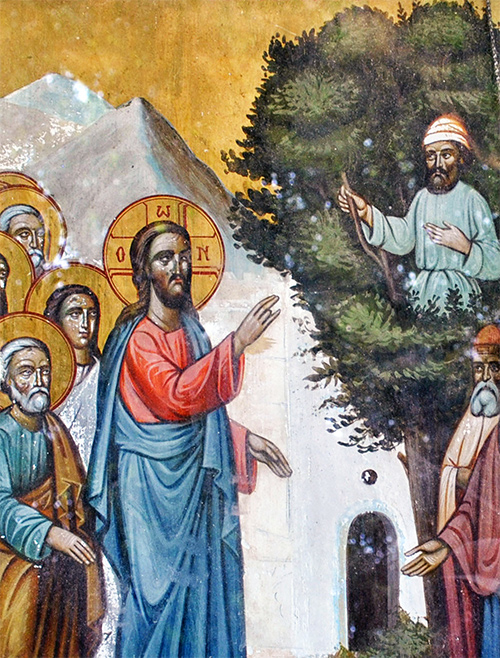
Today, the Holy Spirit opens for us a delightful event in the public life of Jesus Christ: Zacchaeus, a tax collector, who was determined to see Christ but was unable, because of the crowds, and his own physical limitations – he was short, so he climbed a Sycamore tree to catch a glimpse of this marvellous preacher. His astonishment must have been limitless when Christ caught sight of him and spoke kindly to him and invited himself to dinner at his house.

In first-century Palestine, the tax collector was a despised figure. Hired by the Romans to collect the taxes on the native population, the Romans made no objections to the personal enrichment of the tax collector as he added his own personal tax on the official tax. This made the tax collector loathsome and detested by the population. As perfect God and perfect man, Christ was not unaware of this taboo. Amazingly however, Christ seemed to be perfectly at ease with these characters, even calling a tax collector, St. Matthew to be part of the 12 apostles. Christ did not just merely tolerate these individuals but seemed to go out of his way to engage with them and include them in his work of Redemption.

Our Lord wanted to use their expertise in economic matters to explain in human terms what would be the spiritual economy of His Redemption. Everybody knows that if you spend money on something you should receive value in return. And this is something for each of us to meditate upon in the coming days: God does owe a reward to his faithful servants, because this has pleased God to offer such a reward.  He has not only offered it, but he has also promised it. It is His Will that virtuous living and child-like faith should result in eternal happiness and deliberate wickedness in eternal misery.  In His crazy love for His creatures, God has put Himself in debt because that is His Will.

Let’s spend this week thinking about the rewards that God has promised us if we spend ourselves in virtuous living.  Such beautiful thoughts will move us to become big spenders in this economy of Christ.

+Selim Sfeir

Maronite Archbishop of Cyprus

Categories
Archbishop’s Teaching

11η Κυριακή μετά την Πεντηκοστή

Ο Ιησούς και ο Ζακχαίος (Λουκάς 19: 1 – 10 )

Αγαπητά εν Χριστώ αδέλφια,
Σήμερα, το Άγιο Πνεύμα μας αποκαλύπτει ένα ευχάριστο γεγονός από τη δημόσια ζωή του Ιησού Χριστού: ο Ζακχαίος, ένας φοροεισπράκτορας, που ήταν αποφασισμένος να δει τον Χριστό, αλλά δεν μπορούσε, λόγω του πλήθους και των σωματικών του περιορισμών – ήταν κοντός, ανέβηκε σε μια συκομουριά για να δει αυτόν τον θαυματουργό διδάσκαλο. Η έκπληξή του πρέπει να ήταν απερίγραπτη όταν ο Χριστός τον είδε και του μίλησε ευγενικά και προσκλήθηκε για δείπνο στο σπίτι του.
Στην Παλαιστίνη του πρώτου αιώνα, ο φοροεισπράκτορας ήταν μια περιφρονημένη φιγούρα. Προσληφθείς από τους Ρωμαίους για να εισπράττει τους φόρους από τον ντόπιο πληθυσμό, οι Ρωμαίοι δεν είχαν καμία αντίρρηση για τον προσωπικό πλούτο του φοροεισπράκτορα, καθώς αυτός πρόσθετε τον δικό του προσωπικό φόρο στον επίσημο φόρο. Αυτό έκανε τον φοροεισπράκτορα απεχθή και μισητό από τον πληθυσμό. Ως τέλειος Θεός και τέλειος άνθρωπος, ο Χριστός δεν αγνοούσε αυτό το ταμπού. Παραδόξως όμως, ο Χριστός φαινόταν να αισθάνεται απόλυτα άνετα με αυτούς τους ανθρώπους, φτάνοντας μάλιστα στο σημείο να καλέσει έναν φοροεισπράκτορα, τον Ευαγγελιστή Ματθαίο, να γίνει μέλος των 12 αποστόλων. Ο Χριστός δεν αρκέστηκε απλώς να ανέχεται αυτούς τους ανθρώπους, αλλά φαινόταν να κάνει ό,τι μπορούσε για να τους προσεγγίσει και να τους συμπεριλάβει στο έργο της Λύτρωσης.

Ο Κύριός μας ήθελε να χρησιμοποιήσει την εμπειρία τους σε οικονομικά θέματα για να εξηγήσει με ανθρώπινους όρους ποια θα ήταν η πνευματική οικονομία της Λύτρωσής Του. Όλοι γνωρίζουν ότι αν ξοδέψεις χρήματα για κάτι, πρέπει να λάβεις αξία σε αντάλλαγμα. Και αυτό είναι κάτι που πρέπει να συλλογιστούμε όλοι μας τις επόμενες ημέρες: ο Θεός όντως οφείλει μια ανταμοιβή στους πιστούς υπηρέτες Του, επειδή αυτό ευχαριστεί τον Θεό να προσφέρει μια τέτοια ανταμοιβή. Όχι μόνο την προσφέρει, αλλά την έχει και υποσχεθεί. Είναι θέλησή Του η ενάρετη ζωή και η σαν παιδική πίστη να οδηγούν στην αιώνια ευτυχία και η σκόπιμη κακία στην αιώνια δυστυχία. Στην υπέροχη αγάπη Του για τα πλάσματά Του, ο Θεός έχει βάλει τον εαυτό Του σε οφειλή, επειδή αυτή είναι η θέλησή Του. Ας περάσουμε αυτή την εβδομάδα σκεπτόμενοι τις ανταποδόσεις που μας έχει υποσχεθεί ο Θεός αν αφιερωθούμε στην ενάρετη ζωή. Τέτοιες όμορφες σκέψεις θα μας ωθήσουν να γίνουμε μεγάλοι καταναλωτές σε αυτή την οικονομία του Χριστού. Αμήν.
† Σελίμ Σφέιρ
Αρχιεπίσκοπος Μαρωνιτών Κύπρου