Categories
Events

Unity in Diversity 2025

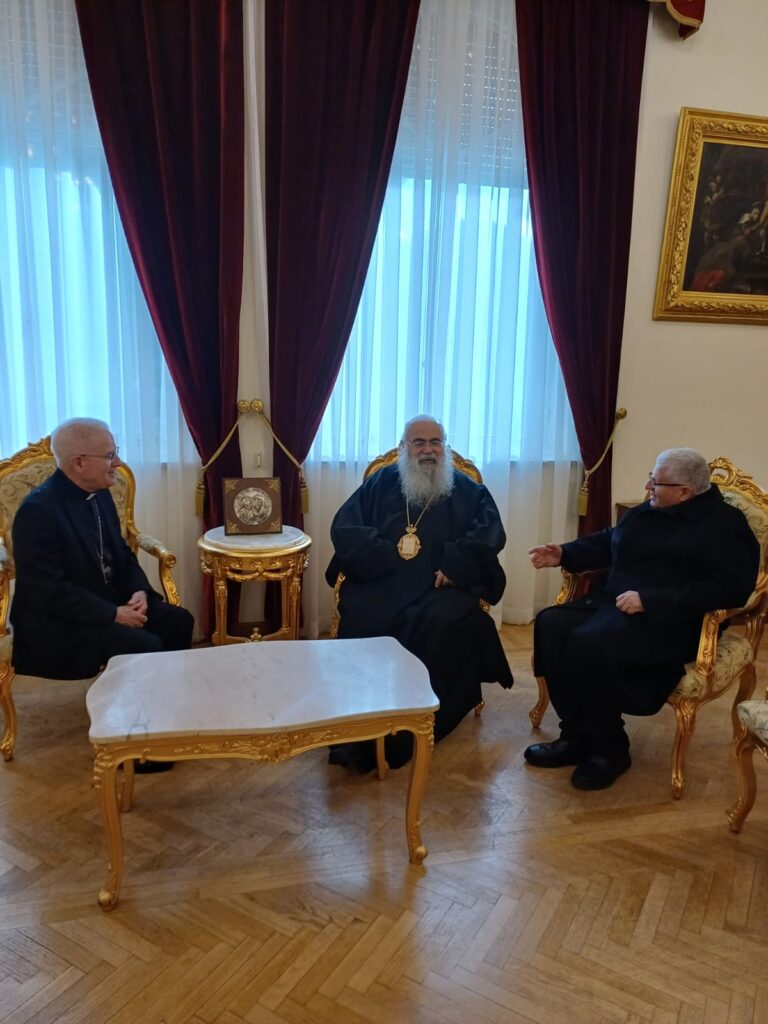
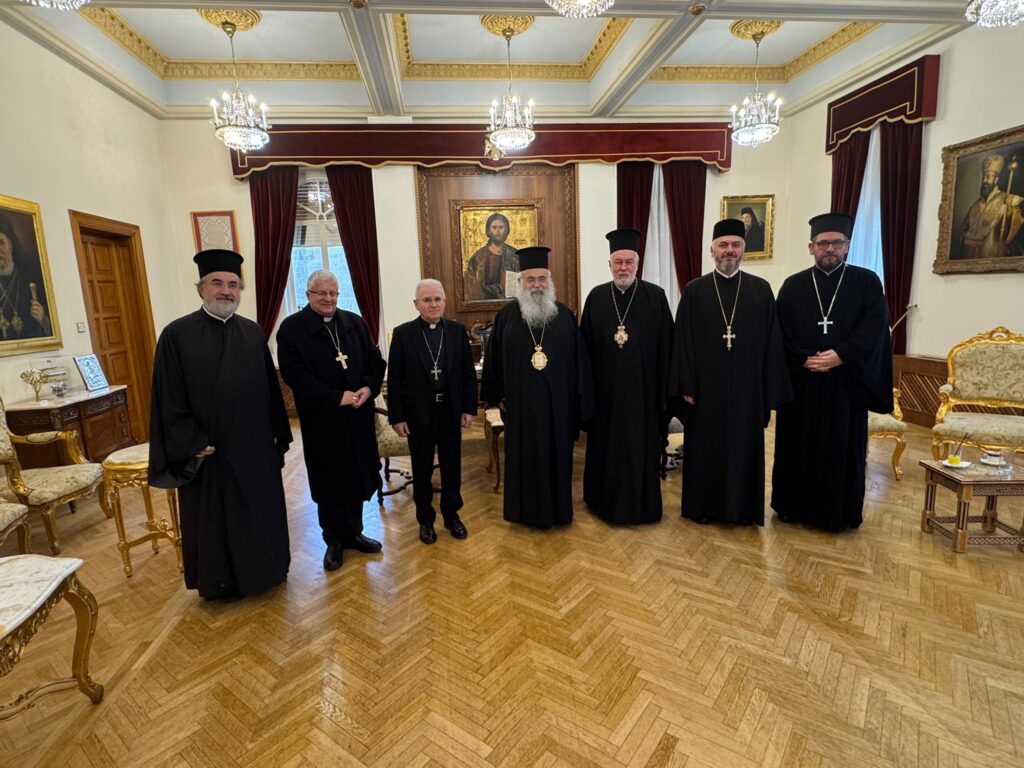
Plenary Assembly of the Bishops of the Eastern Catholic Churches of Europe

Categories
Archbishop’s Teaching

14η Κυριακή της Πεντηκοστής

Η Μάρθα και η Μαρία ( Λουκάς 10 / 38 - 42)

Αγαπητά εν Χριστώ αδέλφια,

Η Αγιοκατάταξη των Μακαρίων Τζόρτζιο Φρασσάτι και Κάρλο Ακουτίς

Σήμερα, στην αγία πόλη της Ρώμης, ο αγαπημένος μας Άγιος Πατέρας, ο Πάπας Λέων ΙΔ΄, θα ανακηρύξει επίσημα για όλη την Εκκλησία δύο νέους αγίους, τον Τζόρτζιο Φρασσάτι και τον Κάρλο Ακουτίς. Και οι δύο νέοι αυτοί άνδρες έφυγαν από τη ζωή πολύ νέοι· όμως μέσα στη σύντομη πορεία τους, δείχνουν ότι το να ζει κανείς για τον Χριστό δεν αφαιρεί τίποτε από τη ζωή, αλλά την γεμίζει με νόημα και χαρά.

Οι άγιοι είναι οι ειδικοί της ακρόασης. Όπως η Μαρία της Βηθανίας, οι άγιοι είναι προσεκτικοί στη φωνή του Χριστού. Τον ακούν στην ανάγνωση του Ευαγγελίου, Τον ακούν στη διδασκαλία της Εκκλησίας, Τον ακούν στις φωνές των φτωχών και των μεταναστών, Τον ακούν στη σιωπή του Παναγίου Μυστηρίου. Οι άγιοι δεν αρκούνται να ακούνε τον Ιησού· Τον προσέχουν. Αυτό το έργο της ακρόασης είναι η ανακάλυψη της φωνής του Χριστού σε όσους βρίσκονται δίπλα μας, στις οικογένειές μας και στον χώρο εργασίας μας. Είναι ακόμη και η προσπάθεια να ακούσουμε τη φωνή του Χριστού στους συγχρόνους μας, μερικοί από τους οποίους βρίσκονται μακριά από την Εκκλησία. Ακόμα και στην αποξένωσή τους, είναι πλάσματα του Λόγου, της λογικής, και μπορούν, χωρίς να το γνωρίζουν, να μεταδίδουν την αλήθεια. Χρειαζόμαστε καρδιές και αυτιά ικανά να ακούν τον Χριστό που μιλά από τα πιο απίθανα μέρη.

Η καημένη η Μάρθα, μέσα στη γεμάτη μέριμνες κουζίνα της Βηθανίας, μπορούσε να ακούει τον Χριστό να μιλά στο άλλο δωμάτιο, αλλά ήταν τόσο αποσπασμένη που δεν μπορούσε να Τον προσέξει. Είχε επικεντρωθεί στα προβλήματά της, στις δυσκολίες και τις αποτυχίες της. Άκουγε τον εαυτό της και μόνο από απόσταση τον Ιησού.

Ο Θείος Λόγος δημιούργησε το ανθρώπινο σώμα ως μια εξατομικευμένη παραβολή: έχουμε δύο αυτιά και ένα στόμα. Ο Θεός μας δείχνει ότι πρέπει να ακούμε διπλάσια απ’ όσο μιλάμε· και ότι η ακρόαση είναι διπλάσια δύσκολη από την ομιλία.

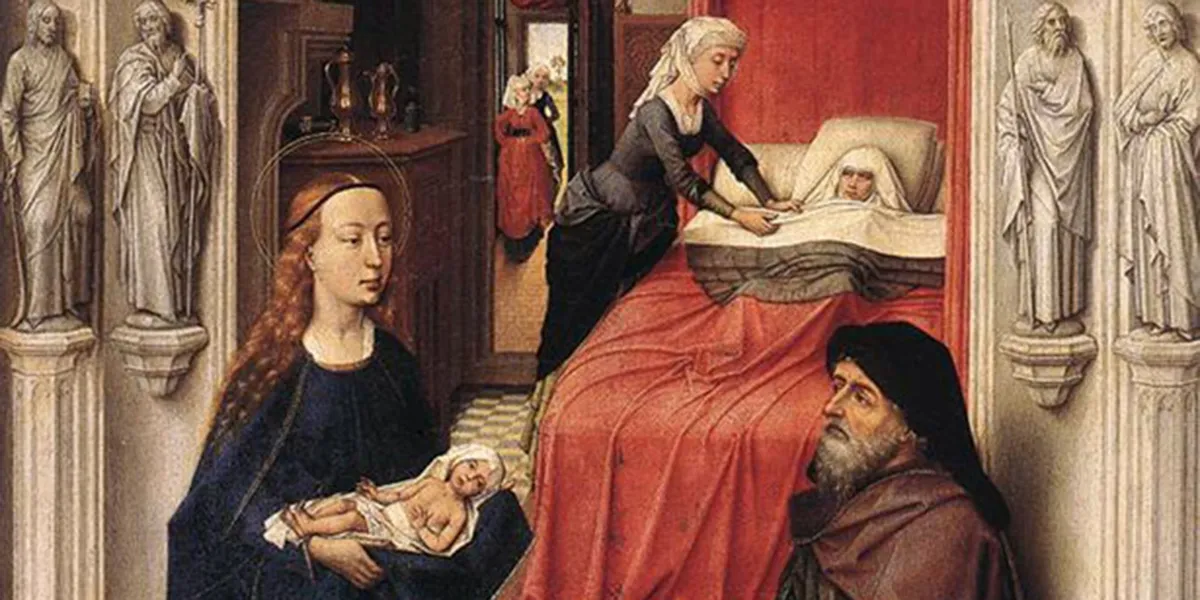
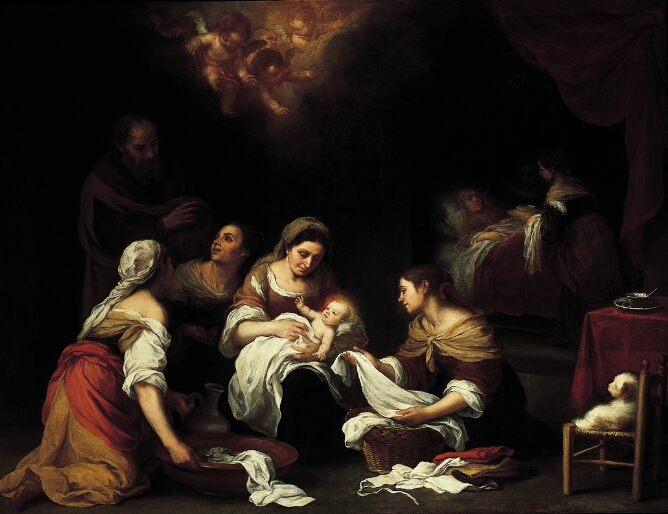
Είθε η Ευλογημένη Μητέρα μας, της οποίας την όμορφη γέννηση θα εορτάσουμε αύριο (για εμάς τους Μαρωνίτες, θυμόμαστε την Κυρία μας της Μαρκί!) στις 8 Σεπτεμβρίου, να πρεσβεύει για όλους μας ώστε να γίνουμε καλύτεροι ακροατές! Αμήν.

+ Σελίμ Σφέιρ

Αρχιεπίσκοπος Μαρωνιτών Κύπρου

Categories
Archbishop’s Teaching

14th Sunday of Pentecost

3η Κυριακή μετά την Πεντηκοστή

Ομιλία του Σεβασμιοτάτου Αρχιεπισκόπου Μαρωνιτών Κύπρου Σελίμ Σφέιρ «Αν κάποιος με αγαπάει, θα τηρήσει τον λόγο μου.» Ιωάννης 14 / 21 – 27

Αγαπητά εν Χριστώ αδέλφια,

Κάθε φορά που ρωτάω κάποιον: Αγαπάς τον Ιησού; Η απάντηση είναι προφανής: Φυσικά και αγαπώ τον Ιησού!

Δεν υπάρχει μεγαλύτερη αγάπη από την αγάπη με την οποία μας έχει αγαπήσει ο Θεός. Ο ευαγγελιστής Ιωάννης μας λέει: «Τόσο πολύ αγάπησε ο Θεός τον κόσμο, ώστε έδωσε τον Υιό του τον μονογενή, για να μη χαθεί όποιος πιστεύει σ' αυτόν, αλλά να έχει αιώνια ζωή.» Ιωά 3:16, και ο Ιησούς είπε: «Δεν έχει κανείς μεγαλύτερη αγάπη από αυτήν, ότι ο άνθρωπος δίνει τη ζωή του για τους φίλους του.» Ιωά 15:13

Αλλά πώς ανταποκρινόμαστε στην αγάπη του Θεού; Τίποτα δεν μπορεί να ανταμείψει την αγάπη. Η Αποκάλυψη μας λέει: « Όταν κάποιος θα πρόσφερε όλα τα αγαθά του σπιτιού του ενάντια στην αγάπη, θα κέρδιζε μόνο περιφρόνηση.» Άσμα Ασμάτων 8:7
Μπορούμε να ανταποκριθούμε στην αγάπη του Θεού μόνο με αγάπη. «Τον αγαπάμε, επειδή αυτός πρώτος μας αγάπησε.» 1 Ιωά 4:19

Η αγάπη μας για τον Χριστό συνδέεται με αποτελέσματα και αποδίδει καρπούς. Ο Ιησούς λέει στο ανάγνωσμα αυτής της Κυριακής: «Όποιος με αγαπάει, θα αγαπηθεί από τον Πατέρα μου, κι εγώ θα τον αγαπήσω και θα του κάνω γνωστό τον εαυτό μου... θα έρθουμε σ' αυτόν και θα κάνουμε το σπίτι μας μαζί του.» Αν αγαπάμε τον Ιησού, μπαίνουμε στον κύκλο της αγάπης του Θεού και του Χριστού και ο Ιησούς εκδηλώνεται σε εμάς. Ο Θεός Υιός και ο Θεός Πατέρας θα φτιάξουν το σπίτι τους μέσα μας μέσω του Αγίου Πνεύματος. Αυτά τα λόγια δεν μας εκπλήσσουν, διότι ο απόστολος Παύλος μας λέει: «Δεν ξέρετε ότι είστε ναός του Θεού και ότι το Πνεύμα του Θεού κατοικεί μέσα σας;» 1 Κορ 3:16

Ο Ιησούς μας δείχνει τον τρόπο για να φτάσουμε στην αγάπη Του, λέγοντας: «Αν κάποιος με αγαπάει, θα τηρήσει τον λόγο μου.» Ναι, αν θέλουμε να αγαπήσουμε τον Θεό με αληθινή αγάπη, πρέπει να τηρούμε τον λόγο Του. Πού βρίσκουμε αυτόν τον λόγο; Τον βρίσκουμε αποκλειστικά στη Βίβλο, γιατί αυτό είναι το μόνο βιβλίο που ονομάζεται «ο λόγος του Θεού»!

Το να κρατάμε τον λόγο του Θεού δεν σημαίνει να τον αποστηθίζουμε απ' έξω, όπως νομίζουν μερικοί, αλλά να Τον διαβάζουμε, να Τον κατανοούμε, να Τον εμφυτεύουμε στην καρδιά μας και να Τον διατηρούμε στη ζωή μας. Πρόκειται για ένα προσκύνημα γνώσης με τον Θεό που οδηγεί στην αγάπη μεταξύ μας, γιατί ο άνθρωπος δεν μπορεί να αγαπήσει αυτόν που δεν γνωρίζει!

Πώς γνωρίζονται οι άνθρωποι μεταξύ τους; Δεν είναι μέσα από τη συζήτηση και τις συνεχείς, επαναλαμβανόμενες ανταλλαγές;

Μιλάμε στον Θεό όταν καθόμαστε μαζί Του στην προσευχή. Του μιλάμε, αλλά θέλει επίσης να μας μιλήσει! Για να ακούσουμε και να κρατήσουμε τον λόγο του Θεού, και έτσι να Τον αγαπήσουμε, πρέπει να έρθουμε πιο κοντά σε αυτόν τον λόγο. Η συνάντησή μας μαζί Του στον λόγο Του γίνεται ένας αμοιβαίος διάλογος που μας αποκαλύπτει αυτόν και εμάς σ' αυτόν, και μπαίνουμε σε μια κοινωνία αγάπης μαζί Του. Με αυτόν τον τρόπο, η υπόσχεσή Του εκπληρώνεται μέσα μας: «Όποιος με αγαπάει, θα αγαπηθεί από τον Πατέρα μου, κι εγώ θα τον αγαπώ και θα του κάνω γνωστό τον εαυτό μου... Αν κάποιος με αγαπάει, θα τηρήσει τον λόγο μου, και ο Πατέρας μου θα τον αγαπήσει- και θα έρθουμε σ' αυτόν και θα κατοικήσουμε μαζί του.»

Να θυμάστε ότι ο Ιησούς είναι ο ενσαρκωμένος Λόγος του Θεού. Η επιστολή προς Εβραίους μας λέει: «Αφού ο Θεός μίλησε στους πατέρες μας πολλές φορές και με πολλούς τρόπους στο παρελθόν μέσω των προφητών, σε αυτές τις τελευταίες ημέρες μίλησε σε εμάς μέσω του Υιού.» Εβρ1:1-2 «Και ο λόγος έγινε σάρκα και κατοίκησε ανάμεσά μας.» Ιωά1:14.

Έτσι, όποιος θέλει να αγαπήσει τον ενσαρκωμένο Λόγο του Θεού, δηλαδή τον Ιησού, πρέπει να αγαπήσει τον λόγο Του, δηλαδή τη Βίβλο.

† Σελίμ Σφέιρ
Αρχιεπίσκοπος Μαρωνιτών Κύπρου

3rd Sunday of Pentecost

Homily of His Excellency Msgr Selim Sfeir Maronite Archbishop of Cyprus (John 14 / 21-27)

Dear brothers and sisters in Christ,

Whenever I ask someone: Do you love Jesus? The answer is obvious: Of course I love Jesus!

There is no greater love than the love with which God has loved us. The apostle John tells us, "God so loved the world that he gave his only Son, that whoever believes in him should not perish but have eternal life." John 3:16, and Jesus said, "Greater love hath no man than this, that a man lay down his life for his friends." John 15:13

But how do we respond to God's love? Nothing can reward love. Revelation tells us, " If a man would give all the substance of his house for love, he would utterly be contemned." Song of Solomon 8:7
We can only respond to God's love with love. "We love him, because he first loved us." 1 John 4:19

Our love for Christ is linked to results and bears fruit. Jesus says in this Sunday's reading, "He who loves me will be loved by my Father, and I will love him, and manifest myself to him... we will come to him, and make our home with him." If we love Jesus, we enter the circle of God's and Christ's love, and Jesus manifests himself to us. God the Son and God the Father will make their dwelling in us through the Holy Spirit. These words come as no surprise to us, for the apostle Paul tells us, "Do you not know that you are God's temple, and that God's Spirit dwells in you?" 1 Corinthians 3:16

Jesus shows us the way to reach his love, saying, "If anyone loves me, he will keep my word." Yes, if we want to love God with true love, we must keep his word. Where do we find this word? We find it exclusively in the Bible, because that's the only book called "the Word of God!"

Keeping the word of God does not mean memorizing it by heart as some people think, but reading it, understanding it, implanting it in our hearts and preserving it in our lives. It is a pilgrimage of knowledge with God that leads to love between us, because man cannot love the one he does not know!

How do people get to know each other? Isn't it through constant conversation and exchanges?

We talk to God when we sit with him in prayer. We talk to him, but he also wants to talk to us! To hear and keep the word of God, and thus love him, we need to come closer to that word. Our encounter with him in his word becomes a mutual dialogue that reveals him to us and us to him, and we enter into a communion of love with him. In this way, his promise is fulfilled in us: "Whoever loves me will be loved by my Father, and I will love him, and make myself known to him.... If anyone loves me, he will keep my word, and my Father will love him; and we will come to him, and make our abode with him."

Remember that Jesus is the incarnate Word of God. The epistle to the Hebrews tells us, "After God spoke to our fathers many times and in many ways in the past through the prophets, in these last days he has spoken to us through the Son." Hebrews 1:1-2 "And the word was made flesh, and dwelt among us." John 1:14.

Therefore, whoever wants to love the incarnate Word of God, that is Jesus, must love his word, that is the Bible.


† Selim Sfeir
Archevêque Maronite de Chypre


3ème Dimanche de Pentecôte

Homélie de Son Excellence Mgr. Selim Sfeir Archevêque Maronite de Chypre "Si quelqu'un m'aime, il gardera ma parole." Jean 14 / 21-27

Chers frères et sœurs en Christ,


Chaque fois que je demande à quelqu'un : Aimes-tu Jésus ? La réponse est évidente : Bien sûr, j'aime Jésus !


Il n'y a pas de plus grand amour que celui avec lequel Dieu nous a aimés. L'apôtre Jean nous dit : "Dieu a tant aimé le monde qu’il a donné son Fils unique, afin que quiconque croit en lui ne périsse point, mais qu’il ait la vie éternelle." Jean 3:16, et Jésus dit : "Il n’y a pas de plus grand amour que de donner sa vie pour ses amis." Jean 15:13


Mais comment répondons-nous à l'amour de Dieu ? Rien ne peut récompenser l'amour. La révélation nous dit: "Quand un homme offrirait tous les biens de sa maison contre l’amour, Il ne s’attirerait que le mépris." Cantique des Cantiques 8:7

Nous ne pouvons répondre à l'amour de Dieu que par l'amour. "Nous l’aimons, parce qu’il nous a aimés le premier." 1 Jean 4:19


Notre amour pour le Christ est lié à des résultats et porte des fruits. Jésus dit dans la lecture de ce dimanche: "Celui qui m’aime sera aimé de mon Père, je l’aimerai, et je me ferai connaître à lui... nous viendrons à lui, et nous ferons notre demeure chez lui." Si nous aimons Jésus, nous entrons dans le cercle de l'amour de Dieu et du Christ, et Jésus se manifeste à nous. Dieu le Fils et Dieu le Père feront leur demeure en nous par le Saint-Esprit. Ces paroles ne nous surprennent pas, car l'apôtre Paul nous dit : "Ne savez-vous pas que vous êtes le temple de Dieu, et que l’Esprit de Dieu habite en vous?" 1 Corinthiens 3:16


Jésus nous trace le chemin à suivre pour atteindre son amour, en disant : "Si quelqu’un m’aime, il gardera ma parole." Oui, si nous voulons aimer Dieu d'un amour véritable, nous devons garder sa parole. Où trouvons-nous cette parole ? Nous la trouvons exclusivement dans la Bible, car c'est le seul livre appelé "la Parole de Dieu!"


Garder la parole de Dieu ne signifie pas la mémoriser par cœur comme certains le pensent, mais la lire, la comprendre, l'implanter dans nos cœurs et la préserver dans nos vies. C'est un pèlerinage de connaissance avec Dieu qui mène à l'amour entre nous, car l'homme ne peut aimer celui qu'il ne connaît pas !


Comment les gens se font connaissance? N'est-ce pas par la conversation et les échanges répétés et constants?


Nous parlons à Dieu lorsque nous nous asseyons avec lui en prière. Nous lui parlons, mais il veut aussi nous parler ! Pour entendre et garder la parole de Dieu, et ainsi l'aimer, nous devons nous rapprocher de cette parole. Notre rencontre avec lui dans sa parole devient un dialogue mutuel qui le révèle à nous et nous révèle à lui, et nous entrons dans une communion d'amour avec lui. Ainsi, sa promesse s'accomplit en nous: " Celui qui m’aime sera aimé de mon Père, je l’aimerai, et je me ferai connaître à lui... Si quelqu’un m’aime, il gardera ma parole, et mon Père l’aimera; nous viendrons à lui, et nous ferons notre demeure chez lui."


Rappelez-vous que Jésus est la Parole incarnée de Dieu. L'épître aux Hébreux nous dit: "Après avoir autrefois, à plusieurs reprises et de plusieurs manières, parlé à nos pères par les prophètes, Dieu, dans ces derniers temps, nous a parlé par le Fils." Hébreux 1:1-2 " Et la parole a été faite chair, et elle a habité parmi nous." Jean 1:14.


Donc, quiconque veut aimer la Parole incarnée de Dieu, c'est-à-dire Jésus, doit aimer sa parole, c'est-à-dire la Bible.


† Selim Sfeir

Archevêque Maronite de Chypre

Dimanche de la Sainte Trinité (Matthieu 28/16-20)

Homélie de Son Excellence Mgr. Selim Sfeir Archevêque Maronite de Chypre Dimanche de la Sainte Trinité

Chers frères et sœurs en Christ,

Aujourd’hui, une semaine après la Pentecôte où nous avons reçu le don de l’Esprit, l’Eglise nous invite à méditer sur le grand mystère de la Trinité, mystère comme tous les mystères typiquement chrétiens, inaccessible à nos intelligences humaines.
Et pourtant ce mystère est de ceux qui répondent à une des attentes les plus profondes de l’humanité : l’unité dans l’amour ou l’amour dans l’unité. C’est l’amour qui est la source et le fondement de toute vraie unité. Jésus lui-même le fera comprendre et témoignera auprès de ses disciples que la nature même de l’être de Dieu c’est l’amour.

Les disciples suivent ce que Jésus leur a demandé de faire et ils vont en Galilée, et sur la montagne. Ce terme nous indique et nous rappelle toutes les Théophanies qui s'y sont déroulées. Lieu emblématique qui dit la présence divine, Jésus leur donne rendez-vous à l'endroit où la présence de Dieu est une évidence. Les disciples le savaient bien, car ils connaissaient par cœur les événements de l'histoire de l'ancien testament et de ce qui s'y est déroulé. Bien entendu sur la montagne, lieu de la Théophanie, les disciples voient Jésus, et ils se prosternent devant lui. Avaient-ils oublié le commandement, Dieu est le Seigneur tu n'auras pas d'autre Dieu que lui et tu ne te prosterneras pas devant d'autre Dieu ? S'ils se prosternent devant Jésus, c'est qu'ils reconnaissent en lui Dieu, Mais peut-être que certains d'entre eux, empêchés par leur foi juive, n'ont pas pu s'empêcher de douter ??? Cela nous paraît, à première vue déconcertant, mais à y regarder de plus près, très consolant pour nous, qui passons par des moments de doute.

Oui nous nous disons les disciples du XXIème siècle, et nous le sommes. Si nous traversons des doutes, les disciples en présence de Jésus, ont connu des doutes.
Mais Jésus ne va pas s'attarder sur les doutes de certains de ses disciples ; s'il les a réunis, c'est pour une tâche bien plus importante.

Jésus se rend proche. Quelle joie pour nous aujourd'hui, traversant des moments de doutes, nous voyons que Jésus se rend encore plus proche de nous. Alors que nous savons que ceux qui nous sont les plus proches, aux moments de doute, sont prêts à nous larguer et à faire comme s'ils ne nous connaissent pas. Jésus se rend proche et leur parle. Beaucoup de nos amis, dans les moments difficiles ne nous adressent même plus la parole. Jésus voit en eux des disciples bien-aimés, et non pas des gens qui doutent, et il ne s'en éloigne jamais.

Jésus n'attend pas que les doutes s'estompent. Au moment du doute, et malgré le doute, il les charge de sa mission : "tout pouvoir m'a été donné au ciel et sur la terre...”. Par Jésus, les disciples sont envoyés enseigner toutes les nations, les baptisant au nom du Père et du Fils et du Saint Esprit, leur enseignant tout ce que je vous ai commandé. Et le plus important, c'est que Jésus les tranquillise : "Et voici que je serais avec vous tous les jours, jusqu'à la fin du temps".

Notre mission est la même, regardons vers Jésus rappelons-nous que nous sommes envoyés afin d'enseigner, de baptiser et de faire des disciples, et ce, avec le nom et la force de la Trinité Sainte, et jusqu’à la fin du temps. Soyons à la mesure de la confiance que Jésus continue de mettre en nous.

Prière
Seigneur, toi qui es Père, Fils et Saint-Esprit, puissions-nous aujourd’hui reconnaître de quel amour tu nous as aimés, accueillir cet amour pour en vivre et le répandre autour de nous.

Seigneur, fais de nous des apôtres !

† Selim Sfeir
Archevêque Maronite de Chypre


Κυριακή της Αγίας Τριάδας

2η Κυριακή μετά την Πεντηκοστή Ομιλία του Σεβασμιοτάτου Αρχιεπισκόπου Μαρωνιτών Κύπρου Σελίμ Σφέιρ Κυριακή της Αγίας Τριάδας

Αγαπητά εν Χριστώ αδέλφια,


Σήμερα, μια εβδομάδα μετά την Πεντηκοστή, όταν λάβαμε το δώρο του Πνεύματος, η Εκκλησία μας καλεί να διαλογιστούμε πάνω στο μεγάλο μυστήριο της Αγίας Τριάδας, ένα μυστήριο όπως όλα τα τυπικά χριστιανικά μυστήρια, απρόσιτο στην ανθρώπινη νοημοσύνη μας.

Και όμως αυτό το μυστήριο είναι ένα μυστήριο που ανταποκρίνεται σε μια από τις βαθύτερες προσδοκίες της ανθρωπότητας: ενότητα στην αγάπη ή αγάπη στην ενότητα. Η αγάπη είναι η πηγή και το θεμέλιο κάθε αληθινής ενότητας. Ο ίδιος ο Ιησούς θα το καταστήσει αυτό σαφές και θα μαρτυρήσει στους μαθητές Του ότι η ίδια η φύση της ύπαρξης του Θεού είναι η αγάπη.


Οι μαθητές ακολούθησαν αυτό που τους ζήτησε ο Ιησούς και πήγαν στη Γαλιλαία και στο βουνό. Ο όρος αυτός υποδηλώνει και μας θυμίζει όλες τις θεοφανείες που έλαβαν χώρα εκεί. Ένας εμβληματικός τόπος που μιλάει για τη θεϊκή παρουσία, ο Ιησούς τους έδωσε έναν τόπο συνάντησης όπου η παρουσία του Θεού ήταν φανερή. Οι μαθητές το γνώριζαν καλά αυτό, επειδή γνώριζαν από την καρδιά τους τα γεγονότα της Παλαιάς Διαθήκης. Φυσικά, στο βουνό όπου έγιναν τα Θεοφάνια, οι μαθητές είδαν τον Ιησού και προσκύνησαν μπροστά Του. Είχαν ξεχάσει την εντολή: Ο Θεός είναι Κύριος, δεν θα έχετε άλλον Θεό εκτός από αυτόν και δεν θα προσκυνάτε κανέναν άλλο Θεό; Αν προσκύνησαν τον Ιησού, ήταν επειδή τον αναγνώρισαν ως Θεό, Αλλά ίσως κάποιοι από αυτούς, εμποδισμένοι από την εβραϊκή τους πίστη, δεν μπορούσαν να μην αμφιβάλλουν; Εκ πρώτης όψεως αυτό φαίνεται ανησυχητικό, αλλά με μια πιο προσεκτική εξέταση είναι πολύ παρήγορο για εμάς, που περνάμε στιγμές αμφιβολίας.

Ναι, αποκαλούμε τους εαυτούς μας μαθητές του 21ου αιώνα, και έτσι είμαστε.  Αν περνάμε αμφιβολίες, οι μαθητές παρουσία του Ιησού περνούσαν αμφιβολίες. Αλλά ο Ιησούς δεν πρόκειται να ασχοληθεί με τις αμφιβολίες κάποιων μαθητών Του- αν τους συγκέντρωσε, είναι για ένα πολύ πιο σημαντικό έργο.

Ο Ιησούς έρχεται κοντά τους. Τι χαρά είναι για εμάς σήμερα, καθώς περνάμε στιγμές αμφιβολίας, να βλέπουμε ότι ο Ιησούς φέρνει Tον εαυτό του ακόμη πιο κοντά μας. Και ξέρουμε ότι αυτοί που είναι πιο κοντά μας, σε στιγμές αμφιβολίας, είναι έτοιμοι να μας παρατήσουν και να προσποιηθούν ότι δεν μας γνωρίζουν. Ο Ιησούς έρχεται κοντά τους και τους μιλάει. Σε δύσκολες στιγμές, πολλοί από τους φίλους μας δεν μας μιλούν πια καν. Ο Ιησούς τους βλέπει ως αγαπημένους μαθητές, όχι ως αμφιβάλλοντες, και ποτέ δεν απομακρύνεται από αυτούς.


Ο Ιησούς δεν περιμένει να σβήσουν οι αμφιβολίες. Τη στιγμή της αμφιβολίας, και παρά την αμφιβολία, τους αναθέτει την αποστολή του: «Μου δόθηκε κάθε εξουσία στον ουρανό και στη γη....» Μέσω του Ιησού, οι μαθητές στέλνονται να διδάξουν όλα τα έθνη, βαπτίζοντάς τα στο όνομα του Πατέρα και του Υιού και του Αγίου Πνεύματος, διδάσκοντάς τους όλα όσα σας διέταξα. Και το πιο σημαντικό, ο Ιησούς τους διαβεβαίωσε: «Και ιδού, εγώ θα είμαι μαζί σας πάντοτε, μέχρι το τέλος του κόσμου.»

Η αποστολή μας είναι η ίδια: ας κοιτάξουμε τον Ιησού και ας θυμόμαστε ότι είμαστε σταλμένοι να διδάσκουμε, να βαφτίζουμε και να κάνουμε μαθητές, στο όνομα και με τη δύναμη της Αγίας Τριάδας, μέχρι το τέλος του κόσμου. Ας ανταποκριθούμε στην εμπιστοσύνη που συνεχίζει να μας δείχνει ο Ιησούς.


Προσευχή: Κύριε Θεέ, εσύ που είσαι ο Πατέρας, ο Υιός και το Άγιο Πνεύμα, ας αναγνωρίσουμε σήμερα την αγάπη με την οποία μας αγάπησες και ας καλωσορίσουμε αυτή την αγάπη ώστε να ζήσουμε με αυτήν και να τη διαδώσουμε γύρω μας.


Κύριε, κάνε μας αποστόλους!


† Σελίμ Σφέιρ

Αρχιεπίσκοπος Μαρωνιτών Κύπρου


2nd Sunday of Pentecost Sunday of the Holy Trinity

Homily of His Excellency Msgr Selim Sfeir Maronite Archbishop of Cyprus, Sunday of the Holy Trinity (Matthew 28/16-20)

Dear brothers and sisters in Christ,


Today, a week after Pentecost when we received the gift of the Spirit, the Church invites us to meditate on the great mystery of the Trinity, a mystery like all typically Christian mysteries, inaccessible to our human intelligences.

And yet this mystery is one that responds to one of humanity's deepest expectations: unity in love, or love in unity. Love is the source and foundation of all true unity. Jesus himself will make this understood, testifying to his disciples that the very nature of God's being is love.

The disciples follow Jesus' instructions and go to Galilee and the mountain. This term indicates and reminds us of all the Theophanies that took place there. An emblematic place that speaks of the divine presence, Jesus gave them an appointment in a place where the presence of God is an evidence. The disciples knew this well, for they knew by heart the events of Old Testament history. Of course, on the mountain where the Theophany took place, the disciples saw Jesus and bowed down before him. Had they forgotten the commandment, God is Lord, you shall have no other God but him, and you shall bow down to no other God? If they prostrated themselves before Jesus, it was because they recognized in him God. But perhaps some of them, hindered by their Jewish faith, could not help but doubt? At first glance, this seems disconcerting, but on closer examination, it is very consoling for us, who are going through moments of doubt.

Yes, we call ourselves disciples of the 21st century, and so we are.  If we go through moments of doubt, the disciples, in the presence of Jesus, went through doubts. But Jesus is not going to dwell on the doubts of some of his disciples; if he has gathered them together, it is for a much more important task.

Jesus draws near. What joy for us today, going through moments of doubt, to see that Jesus draws even closer to us. While we know that those closest to us, in moments of doubt, are ready to let us go, and act as if they don't know us. Jesus gets close and talks to them. Many of our friends, in difficult times, don't even speak to us. Jesus sees in them beloved disciples, not people who doubt, and he never distances himself from them.

Jesus does not wait for doubts to fade. At the moment of doubt, and despite the doubt, he charges them with his mission: "All power has been given to me in heaven and on earth...". Through Jesus, the disciples are sent out to teach all nations, baptizing them in the name of the Father and of the Son and of the Holy Spirit, teaching them all that I have commanded you. And most importantly, Jesus reassures them: "And behold, I will be with you all the days, until the end of the age".


Our mission is the same: let's look to Jesus and remember that we are sent to teach, baptize and make disciples, in the name and power of the Holy Trinity, until the end of time. Let us live up to the trust that Jesus continues to place in us.


Prayer

Lord, you who are Father, Son and Holy Spirit, may we today recognize the love with which you have loved us, welcome this love to live by it and spread it around us.


Lord, make us apostles!


† Selim Sfeir

Maronite Archbishop of Cyprus


Κυριακή της Πεντηκοστής

Ομιλία του Σεβασμιοτάτου Αρχιεπισκόπου Μαρωνιτών Κύπρου Σελίμ Σφέιρ Ιωάννης 14 / 15 – 20

Αγαπητά εν Χριστώ αδέλφια,

Αυτή δεν ήταν η πρώτη φορά που ο Θεός εκδηλωνόταν με φωτιά από τον ουρανό. Κάθε φορά που η φωτιά κατέβαινε από τον ουρανό, υπήρχε μια διαθήκη ή μια ανανέωση της διαθήκης. Στο βιβλίο της Εξόδου, όταν ο Θεός έδωσε στον Μωυσή τις εντολές και καθιέρωσε τη Μωσαϊκή Διαθήκη, διαβάζουμε: «Το όρος Σινά ήταν όλο καπνός, επειδή ο Κύριος είχε κατέβει σ' αυτό εν μέσω φωτιάς.» (Έξοδος 19:18) Στη συνέχεια, διαβάζουμε στο δεύτερο βιβλίο των Χρονικών, αφού ο βασιλιάς Σολομώντας ανανέωσε τη διαθήκη σε μια προσευχή προς τον Θεό ενώπιον του λαού: «Όταν ο Σολομώντας τελείωσε την προσευχή, κατέβηκε φωτιά από τον ουρανό και κατέφαγε τα ολοκαυτώματα και τις θυσίες, και η δόξα του Κυρίου γέμισε τον οίκο.» (2 Χρονικών 7:1) Ομοίως, διαβάζουμε στο πρώτο βιβλίο των Βασιλέων, όταν ο προφήτης Ηλίας αμφισβήτησε τους προφήτες του Βάαλ και απέδειξε ότι ο αληθινός Θεός είναι ο ζωντανός Θεός, πρόσφερε θυσία και ανανέωσε τη διαθήκη μεταξύ του λαού και του Θεού: «Και έπεσε η φωτιά του Κυρίου και κατέφαγε το ολοκαύτωμα....» (Α΄ Βασιλέων 18:38) Επιπλέον, δεν ξεχνάμε την παρουσία του Θεού στη φλεγόμενη βάτο και τη στήλη φωτιάς για να καθοδηγήσει τον λαό Του μέσα από την έρημο στο ταξίδι του προς τη Γη της Επαγγελίας.

Αλλά σήμερα, την Πεντηκοστή, υπάρχει μια νέα διάσταση στις πύρινες γλώσσες, επειδή σήμερα το Άγιο Πνεύμα κατεβαίνει, όχι στο βουνό ή στη θυσία, αλλά στους ανθρώπους. Αν συνδέσουμε αυτά τα γεγονότα με αυτό που είπε ο προφήτης Ιερεμίας: «Ιδού, έρχονται ημέρες, λέει ο Κύριος, κατά τις οποίες θα κάνω μια νέα διαθήκη με τον οίκο του Ισραήλ και τον οίκο του Ιούδα... Θα βάλω μέσα τους το νόμο μου και θα τον γράψω στην καρδιά τους- και θα είμαι ο Θεός τους, και αυτοί θα είναι λαός μου.» (Ιερεμίας 31: 31,33) και σε αυτό που είπε ο προφήτης Ιωήλ: «Μετά απ' αυτό θα στείλω το πνεύμα μου επάνω σε κάθε σάρκα- οι γιοι σας και οι θυγατέρες σας θα προφητεύσουν, οι γέροντές σας θα ονειρευτούν όνειρα, και οι νέοι σας θα δουν οράματα.» (Ιωήλ 2:28)

Και αν ξαναδιαβάσουμε τι είπε ο Ιησούς στους μαθητές του στο σημερινό Ευαγγέλιο: "Και εγώ θα παρακαλέσω τον Πατέρα, και θα σας δώσει άλλον Παρηγορητή, για να μείνει μαζί σας στον αιώνα, το Πνεύμα της αλήθειας, το οποίο ο κόσμος δεν μπορεί να δεχτεί, επειδή δεν το βλέπει ούτε το γνωρίζει- εσείς όμως το γνωρίζετε, επειδή μένει μαζί σας και θα είναι μέσα σας". (Ιωα 14:16-17), μια νέα διάσταση της Πεντηκοστής και του ερχομού του Αγίου Πνεύματος με γλώσσες φωτιάς διαμορφώνεται μπροστά μας. Διότι η κάθοδος του Αγίου Πνεύματος με γλώσσες φωτιάς από τον Θεό και η ανάπαυσή του στα κεφάλια των αποστόλων δεν ήταν τίποτε άλλο παρά ένα σημάδι της επιβεβαίωσης της Νέας Διαθήκης που είχε προφητεύσει ο Ιερεμίας, που είχε συνάψει ο Ιησούς με τους μαθητές Του, και της εκπλήρωσης της υπόσχεσής Του να στείλει αυτό το Πνεύμα για να κατοικήσει μέσα τους και να αποτυπωθεί στις καρδιές τους.

Αυτό το Πνεύμα ένωσε τους αποστόλους στην ενότητα του σώματος του Χριστού, δηλαδή της Εκκλησίας. Αυτό το Πνεύμα είναι ο ιδρυτής της και συνεχίζει να εργάζεται μέσα μας σήμερα. Είναι η εγγύηση της ενότητάς μας παρά τις φαινομενικές διαφορές μεταξύ μας. Εγγυάται την υιοθεσία μας από τον Θεό μέσω της χάρης, όταν βαπτιζόμαστε και πιστεύουμε στον Ιησού Χριστό. Όταν βαπτιζόμαστε, λαμβάνουμε το Άγιο Πνεύμα, το οποίο κατοικεί και ενεργεί μέσα μας, στο βαθμό που επιτρέπουμε σε αυτή την Πεντηκοστή να ανάψει και να δράσει. Το Πνεύμα του Θεού δεν εισβάλλει στη ζωή μας με τη βία, αλλά με την ευγένεια του Θεού, που ενεργεί στη συνείδησή μας για να μας καθοδηγεί πάντα να πορευόμαστε σύμφωνα με το θέλημα του Θεού, εκπληρώνοντάς το στη ζωή μας.

Προσεύχομαι μαζί με όλους σας σήμερα να ανοίγουμε το μυαλό μας κάθε μέρα για να δεχτούμε αυτό το Πνεύμα που μας δόθηκε την Πεντηκοστή στο Βάπτισμα, όταν «...ο Θεός έστειλε το Πνεύμα του Υιού του στις καρδιές μας, φωνάζοντας: Αββά! Πατέρα» (Γαλάτας 4:6). Προσεύχομαι οι φωτεινές γλώσσες του Αγίου Πνεύματος να παραμείνουν αναμμένες στη ζωή μας για να φωτίζουν τις συνειδήσεις μας με την πίστη πάνω στην οποία έχουμε θεμελιωθεί στον Ιησού Χριστό. Αυτή την ημέρα της Πεντηκοστής, σας λέω, όπως και ο απόστολος Παύλος: «Μη θλίβετε το Άγιο Πνεύμα του Θεού, με το οποίο σφραγιστήκατε για την ημέρα της λύτρωσης.» (Εφεσίους 4:30) και «Μη σβήνετε το Πνεύμα.» (Α΄ Θεσσαλονικείς 5:19). Αμην.

† Σελίμ Σφέιρ
Αρχιεπίσκοπος Μαρωνιτών Κύπρου

Dimanche de Pentecôte

Homélie de Son Excellence Mgr. Selim Sfeir Archevêque Maronite de Chypre (Jean 14 / 15 – 20)

Chers frères et sœurs en Christ,


Ce n'était pas la première fois que Dieu se manifestait avec du feu du ciel. Chaque fois que le feu descendait du ciel, il y avait une alliance ou un renouvellement d'alliance. Dans le livre de l'Exode, lorsque Dieu a donné à Moïse les commandements et a établi l'Alliance Mosaïque, nous lisons : "La montagne de Sinaï était tout en fumée, parce que l’Éternel y était descendu au milieu du feu." (Exode 19:18) Ensuite, nous lisons dans le deuxième livre des Chroniques, après que le roi Salomon a renouvelé l'alliance dans une prière adressée à Dieu devant le peuple : "Lorsque Salomon eut achevé de prier, le feu descendit du ciel et consuma l’holocauste et les sacrifices, et la gloire de l’Éternel remplit la maison." (2 Chroniques 7:1) De même, nous lisons dans le premier livre des Rois, lorsque le prophète Élie a défié les prophètes de Baal et a prouvé que le vrai Dieu est le Dieu vivant, il a offert un sacrifice et a renouvelé l'alliance entre le peuple et Dieu : "Et le feu de l’Éternel tomba, et il consuma l’holocauste..." (1 Rois 18:38) En outre, nous n'oublions pas la présence de Dieu dans le buisson ardent et dans la colonne de feu pour guider son peuple dans le désert pendant leur voyage vers la Terre promise.


Mais aujourd'hui, à la Pentecôte, il y a une nouvelle dimension aux langues de feu, car l'Esprit Saint descend aujourd'hui, non pas sur la montagne ou sur le sacrifice, mais sur les êtres humains. Si nous relions ces événements à ce que le prophète Jérémie a dit : "Voici, les jours viennent, dit l’Éternel, où je ferai avec la maison d’Israël et la maison de Juda une alliance nouvelle... Je mettrai ma loi au dedans d’eux, Je l’écrirai dans leur cœur; et je serai leur Dieu, et ils seront mon peuple." (Jérémie 31:31,33) et à ce que le prophète Joël a dit : "Après cela, je répandrai mon esprit sur toute chair; vos fils et vos filles prophétiseront, vos vieillards auront des songes, et vos jeunes gens des visions." (Joël 2:28)


Et si nous relisons ce que Jésus a dit à ses disciples dans l'Évangile d'aujourd'hui : "Et moi, je prierai le Père, et il vous donnera un autre consolateur, afin qu’il demeure éternellement avec vous, l’Esprit de vérité, que le monde ne peut recevoir, parce qu’il ne le voit point et ne le connaît point; mais vous, vous le connaissez, car il demeure avec vous, et il sera en vous." (Jean 14:16-17), une nouvelle dimension de la Pentecôte et de l'avènement de l'Esprit Saint avec des langues de feu se dessine devant nous. Car la descente de Dieu, de l'Esprit Saint, avec des langues de feu et son repos sur la tête des apôtres n'était rien d'autre qu'un signe de la confirmation de la Nouvelle Alliance dont Jérémie avait prophétisé, que Jésus avait établie avec ses disciples, et de l'accomplissement de sa promesse d'envoyer cet Esprit pour demeurer en eux et s'imprimer dans leurs cœurs.


Cet Esprit a uni les apôtres dans l'unité du corps du Christ, c'est-à-dire l'Église. Cet Esprit en est le fondateur, et il continue à œuvrer en nous aujourd'hui. Il est la garantie de notre unité malgré les différences apparentes entre nous. Il garantit notre adoption par Dieu par la grâce lorsque nous sommes baptisés et croyons en Jésus-Christ. Lorsque nous sommes baptisés, nous recevons l'Esprit Saint, qui habite et agit en nous, dans la mesure où nous permettons à cette Pentecôte de s'allumer et d'agir. L'Esprit de Dieu n'envahit pas nos vies par la force, mais par la douceur de Dieu, il agit dans nos consciences pour nous guider toujours à marcher selon la volonté de Dieu, l'accomplissant dans nos vies.


Je prie aujourd'hui avec vous tous, afin que nous nous ouvrions chaque jour nos esprits pour recevoir cet Esprit qui nous a été donné à la Pentecôte du baptême, quand "…Dieu a envoyé dans nos cœurs l’Esprit de son Fils, lequel crie: Abba! Père!" (Galates 4:6). Je prie pour que les langues de lumière de l'Esprit Saint restent allumées dans nos vies pour éclairer nos consciences par la foi sur laquelle nous avons été fondés en Jésus-Christ. En ce jour de Pentecôte, je vous dis, comme l'apôtre Paul: "N’attristez pas le Saint Esprit de Dieu, par lequel vous avez été scellés pour le jour de la rédemption." (Éphésiens 4:30) et "N’éteignez pas l`Esprit." (1 Thessaloniciens 5:19).


† Selim Sfeir

Archevêque Maronite de Chypre

Pentecost Sunday 2024

Homily of His Excellency Msgr. Selim Sfeir Maronite Archbishop of Cyprus (John 14 / 15 – 20)

Dear brothers and sisters in Christ,

This was not the first time God had manifested himself with fire from heaven. Every time fire came down from heaven, there was a covenant or covenant renewal. In the book of Exodus, when God gave Moses the commandments and established the Mosaic Covenant, we read, "Mount Sinai was all smoke, because the Lord had come down to it in the midst of fire." (Exodus 19:18) Then we read in the second book of Chronicles, after King Solomon renewed the covenant in a prayer to God before the people: "When Solomon had finished praying, fire came down from heaven and consumed the burnt offering and the sacrifices, and the glory of the Lord filled the house." (2 Chronicles 7:1) Similarly, we read in the first book of Kings, when the prophet Elijah challenged the prophets of Baal and proved that the true God is the living God, he offered a sacrifice and renewed the covenant between the people and God: "And the fire of the Lord fell, and consumed the burnt offering..." (1 Kings 18:38) Furthermore, we do not forget the presence of God in the burning bush and the pillar of fire to guide his people through the desert on their journey to the Promised Land.

But today, at Pentecost, there is a new dimension to the tongues of fire, as the Holy Spirit descends today, not on the mountain or on the sacrifice, but on human beings. If we link these events to what the prophet Jeremiah said: "Behold, the days are coming, says the Lord, when I will make a new covenant with the house of Israel and the house of Judah.... I will put my law within them, I will write it in their hearts; and I will be their God, and they shall be my people." (Jeremiah 31:31,33) and to what the prophet Joel said, "After this I will pour out my spirit on all flesh; your sons and your daughters shall prophesy, your old men shall dream dreams, and your young men shall see visions." (Joel 2:28)

And if we reread what Jesus said to his disciples in today's Gospel: "And I will pray the Father, and he will give you another Comforter, that he may abide with you forever, the Spirit of truth, whom the world cannot receive, because it neither sees him nor knows him; but you know him, for he abides with you, and will be in you." (John 14:16-17), a new dimension of Pentecost and the coming of the Holy Spirit with tongues of fire unfolds before us.
For God's descent of the Holy Spirit with tongues of fire and his resting on the heads of the apostles was nothing other than a sign of the confirmation of the New Covenant that Jeremiah had prophesied, that Jesus had established with his disciples, and of the fulfillment of his promise to send this Spirit to dwell in them and imprint himself on their hearts.

This Spirit has united the apostles in the unity of the body of Christ, the Church. This Spirit is its founder, and continues to work in us today. He is the guarantee of our unity, despite the apparent differences between us. It guarantees our adoption by God through grace when we are baptized and believe in Jesus Christ. When we are baptized, we receive the Holy Spirit, who dwells and acts within us, to the extent that we allow this Pentecost to ignite and act. The Spirit of God does not invade our lives by force, but by God's gentleness, acting in our consciences to guide us always to walk according to God's will, fulfilling it in our lives.

I pray today with all of you, that we may open our minds each day to receive this Spirit that was given to us at Pentecost of Baptism, when "...God sent into our hearts the Spirit of his Son, who cries out: Abba! Father!" (Galatians 4:6). I pray that the tongues of light of the Holy Spirit will remain alight in our lives, illuminating our consciences through the faith on which we have been founded in Jesus Christ. On this day of Pentecost, I say to you, like the apostle Paul, "Do not grieve the Holy Spirit of God, by whom you were sealed for the day of redemption." (Ephesians 4:30) and "Do not quench the Spirit." (1 Thessalonians 5:19).

† Selim Sfeir
Maronite Archbishop of Cyprus


Martha and Mary (Luke 10 : 38-42)

Dear brothers and sisters in Christ,

The Canonization of Blessed Giorgio Frassati and Blessed Carlos Acutis.

Today in the holy city of Rome, our beloved Holy Father, Pope Leo XIV will solemnly elevate for the whole Church two new saints, Giorgio Frassati and Carlos Acutis. Both of these young men died very young, yet in their brief journey, they show that living for Christ takes nothing away from life but fills it with meaning and joy.

The saints are the experts in listening. Like Mary of Bethany, the saints are attentive to the voice of Christ.  They hear Him in the reading of the Gospel, they hear Him in the voice of the Church’s teaching, they hear Him in the voices of the poor and the immigrant, they hear Him in the silence of the Blessed Sacrament.  The saints don’t just hear Jesus, they listen to Him. This work of listening is to discover the voice of Christ in those right beside us, in our families and our place of work. It's also about trying to hear the voice of Christ in our contemporaries, some of whom are far from the Church.  Even in their estrangement, they are creatures of Logos, of reason, and can be unwitting transmitters of the truth.  We need to have hearts and ears capable of hearing Christ speaking from the most unlikely places.

Poor Martha in her busy kitchen of Bethany could hear Christ speaking in the other room, but she was so distracted, she couldn’t listen.  She got focused on her problems, her difficulties and her failures.  She was listening to herself and only hearing Jesus from a distance.

The Divine Logos created the human body as a custom designed parable: we have two ears and one mouth.  God is showing us that we have to do twice as much listening as we do speaking and listening is twice as hard as talking.

May our Blessed Mother, who’s beautiful birthday we shall celebrate tomorrow (for us Maronites, we think of our Lady of Mankee!) on September 8th, intercede for all of us to be betters listeners!

† Selim Sfeir

Maronite Archbishop of Cyprus

Categories
Archbishop’s Teaching

Εορτή του Αρχαγγέλου Μιχαήλ

Λουκάς 14: 16 -24

Αγαπητά εν Χριστώ αδέλφια,

Τότε ο Ιησούς του είπε: «Κάποιος έδωσε ένα μεγάλο δείπνο και προσκάλεσε πολλούς. Όταν ήρθε η ώρα του δείπνου, έστειλε τον δούλο του να πει στους προσκεκλημένους: «Ελάτε, γιατί όλα είναι έτοιμα τώρα». Καθώς συμμετέχουμε σε αυτή την ευλογημένη γιορτή της ανανέωσης της θυσίας του Ιησού Χριστού, μας συνοδεύει, όπως αρέσκεται να λέει ο Άγιος Ιωάννης ο Χρυσόστομος, μια μεγάλη ομήγυρη αγγέλων.

Αυτή η εκκλησία, αφιερωμένη στον Αρχάγγελο Μιχαήλ, έχει σίγουρα το δικαίωμα να πιστεύει ότι αυτός ο μεγάλος στρατηλάτης των ουράνιων στρατευμάτων είναι παρών εδώ μαζί μας, προσφέροντας τη λατρεία του στην Αγία Τριάδα. Τον χαιρετούμε και τον ευχαριστούμε για την προστασία του. Ο Κύριός μας στο Ευαγγέλιο, μας εξιστορεί μια παραβολή για κάποιον που παρέθεσε ένα μεγάλο δείπνο. Ο Κύριός μας συνεχίζει περιγράφοντας πώς οι καλεσμένοι άρχισαν να βρίσκουν δικαιολογίες και να απαλλάσσονται από αυτό το μεγάλο συμπόσιο. Αυτή η παραβολή απευθυνόταν ως επίπληξη στους Ιουδαίους για την άρνησή τους να πιστέψουν και να δεχτούν τον Μεσσία τους. Ο Ιησούς Χριστός είναι η εκπλήρωση όλων των προφητειών και υποσχέσεων της Παλαιάς Διαθήκης. Ένα μέρος του Ισραήλ δέχτηκε τον Χριστό και έγινε η Καθολική Εκκλησία, αλλά η παραβολή είναι πολύ σαφής, πολλοί από τον ίδιο τον λαό του Κυρίου μας δεν Τον δέχτηκαν.

Θα ήθελα να προσαρμόσω αυτή την παραβολή στην παρούσα κατάσταση. Βρισκόμαστε εδώ, στην σεβάσμια παλιά εκκλησία του Αρχαγγέλου Μιχαήλ στον Ασώματο. Το συμπόσιο της Θυσίας του Κυρίου μας, η μεγαλύτερη από όλες τις γιορτές, είναι έτοιμο μπροστά μας. Είναι αλήθεια ότι μπορούμε να παρακολουθήσουμε τη Θεία Λειτουργία σε οποιοδήποτε άλλο μέρος, γιατί όπου ένας έγκυρα χειροτονημένος ιερέας με δικαιοδοσία, χρησιμοποιώντας τις εγκεκριμένες λέξεις της αφιέρωσης, με την πρόθεση να κάνει ό,τι κάνει η Εκκλησία, και χρησιμοποιώντας τα κατάλληλα συστατικά του ψωμιού και του κρασιού, προσφέρει τη Θυσία της Θείας Λειτουργίας, εκεί μπορούμε να παρακολουθήσουμε τη Θεία Λειτουργία και να λάβουμε την Θεία Κοινωνία. Αλλά θέλω να επιμείνω ότι είναι πολύ σημαντικό να παρακολουθούμε τη Θεία Λειτουργία εδώ στον Ασώματο και στα παραδοσιακά μαρωνιτικά χωριά μας όσο πιο συχνά μπορούμε.

Η Κατήχηση της Καθολικής Εκκλησίας, παράγραφος 2471, αναφέρει: «Ενώπιον του Πιλάτου, ο Χριστός διακηρύσσει ότι «ήρθε στον κόσμο για να μαρτυρήσει την αλήθεια». Ο χριστιανός δεν πρέπει λοιπόν να ντρέπεται να μαρτυρήσει τον Κύριό μας. Σε καταστάσεις που απαιτούν μαρτυρία της πίστης, ο χριστιανός πρέπει να την ομολογεί χωρίς αμφιβολία, ακολουθώντας το παράδειγμα του Αποστόλου Παύλου ενώπιον των δικαστών του».

Όταν σκεφτόμαστε καταστάσεις σε όλο τον κόσμο, μπορούμε εύκολα να φανταστούμε τους μακρινούς αδελφούς και αδελφές μας στον Χριστό να υποβάλλονται σε μια πραγματική δοκιμασία. Αλλά και εμείς εδώ στον Ασώματο αλλά και στην Αγία Μαρίνα έχουμε μια δοκιμασία, ένα είδος δοκιμασίας. Θα μαρτυρήσουμε τον Κύριό μας μπροστά στους γείτονές μας; Πολλοί από αυτούς που βρίσκονται τώρα σε αυτό το χωριό δεν είναι βαπτισμένοι, αλλά έχουν δικαίωμα στη μαρτυρία μας, στην κατάθεσή μας. Η μαρτυρία μας δεν είναι πολιτική ή ιδεολογική. Δεν είμαστε εδώ σε μια πράξη ανυπακοής ή αντίστασης. Είμαστε εδώ επειδή είμαστε μέρος του Σώματος του Χριστού, και ο Χριστός είναι πάντα στραμμένος προς τον Πατέρα. Κοιτάζοντας τον Πατέρα μαζί με τον Χριστό, βλέπουμε κάθε άνθρωπο ως αδελφό και αδελφή μας. Γι' αυτό καμία κυβέρνηση δεν πρέπει ποτέ να φοβάται το έργο της Εκκλησίας.

Ναι, μπορούμε να λάβουμε τα μυστήρια πιο εύκολα στις τοπικές ενοριακές εκκλησίες μας, αλλά αν παραμελούμε τις εκκλησίες του χωριού μας, παραμελούμε όλες τις ψυχές που ζουν εδώ. Ένα από τα συγκεκριμένα σημάδια της καρποφορίας των Μυστηρίων είναι η οικοδόμηση της ανθρώπινης αδελφότητας. Ολόκληρος ο κόσμος χρειάζεται περισσότερη αδελφότητα, φιλία και καλοσύνη. Η παρουσία μας εδώ πρέπει να γίνει κατανοητή από αυτή τη θέση. Βρισκόμαστε εδώ επειδή μόνο ο Αναστημένος Χριστός είναι ικανός να ανακουφίσει τα βάσανα της πληγωμένης ανθρωπότητας (Πάπας Φραγκίσκος). Πιστεύω ακράδαντα ότι αυτή η θέση θα προσελκύσει τους νέους μας να επιστρέψουν στα χωριά.

Αν κάνουμε το λάθος των προσώπων της παραβολής και βρούμε δικαιολογίες, όπως «η σειρά είναι πολύ μεγάλη», «όλο και λιγότεροι άνθρωποι πηγαίνουν», «δεν έχει νόημα»... αυτό συμβαίνει επειδή έχουμε χάσει την υπομονή μας με τον Θεό. Ο Θεός εργάζεται πάντα, και συχνά είναι σαν ψίθυρος και πολύ σιωπηλός, αλλά εργάζεται. Αν εγκαταλείψουμε τον Ασώματο, την Αγία Μαρίνα, την Καρπάσια ή τον Κορμακίτη, θα είναι ένα σημάδι ότι έχουμε κουραστεί να περιμένουμε τον Θεό να κάνει κάτι.

Όταν δούμε τους αγαπημένους μας προγόνους στην αιωνιότητα, θα είναι ανυπόμονοι να δουν πώς περάσαμε τη χριστιανική μας ζωή. Ας μην τους απογοητεύσουμε λέγοντας ότι κουραστήκαμε να περιμένουμε τον Θεό να δράσει.

Ας μας ανοίξει η Μαρία, Βασίλισσα των Αγγέλων και Βασίλισσα του Ασωμάτου, την πόρτα του Ιερού Οίκου της Ναζαρέτ, ώστε να ανακαλύψουμε πώς ένα μικρό σπίτι, σε ένα ξεχασμένο χωριό, μπορεί πράγματι να αλλάξει τον κόσμο. Αμήν.

+ Σελίμ Σφέιρ
Αρχιεπίσκοπος Μαρωνιτών Κύπρου

Categories
Archbishop’s Teaching

Feast of Saint Michael

Luke (14, 16-24)

Dear brothers and sisters in Christ,

“Then Jesus said to him, ‘Someone gave a great dinner and invited many.  At the time for the dinner he sent his slave to say to those who had been invited, “Come, for everything is ready now.”

As we join in this blessed celebration of the unbloody renewal of the Sacrifice of Jesus Christ, we are accompanied, as St. John Chrysostom loved to say, with a great host of angels.  This church, dedicated to St. Michael, surely has the right to believe that this great general of the heavenly hosts is present here with us, offering his adoration to the Blessed Trinity.  We salute him and thank him for his protection.

Our Lord in the gospel tells us a parable about someone who gave a great dinner.  Our Lord goes on to describe how the invited guests began to make excuses and exempted themselves from this great feast.  This parable was directed as a reproach to the Jews for their refusal to believe and accept their Messiah.  Jesus Christ is the fulfillment of all the prophecies and promises of the Old Testament.  A remnant of Israel did accept Christ and they became the Catholic Church, but the parable is very explicit, many of Our Lord’s own people did not accept Him.

I would like to update this parable to our own present situation.  Here we are in this venerable old church of St. Michael in Asomatos. The banquet of Our Lord’s Sacrifice, the greatest of all feasts, is set before us.

It is true, we can attend Mass in any other place, for wherever a validly ordained priest with jurisdiction, using the approved words of consecration, with the intention to do what the Church does, and using the appropriate matter of bread and wine, offers the Sacrifice of the Mass, there, we may attend the Mass and receive Holy Communion.  But I want to insist that it is very important to attend Mass here in Asomatos and in our traditional Maronite villages as often as we possibly can.

The Catechism of the Catholic Church paragraph 2471 states: “Before Pilate, Christ proclaims that he ‘has come into the world, to bear witness to the truth.’  The Christian is not to be ashamed then of testifying to our Lord.’  In situations that require witness to the faith, the Christian must profess it without equivocation, after the example of St. Paul before his judges.”

When we think of situations throughout the world, we can easily imagine our far away brothers and sisters in Christ being put to a real test.  But we here in Asomatos we too have a test, a trial of sorts.  Will we testify to our Lord, before our neighbors?  Many who are here in this village now, are not baptized but they have a right to our testimony, our witness.  Our testimony is not political or ideological.  We are not here in an act of defiance or opposition.  We are here because we are part of the Body of Christ, and Christ is always facing the Father.  By looking at the Father with Christ, we see every person as our brother and sister.  This is why no government should ever fear the work of the Church.

Yes, we can obtain the sacraments more conveniently in our local parish churches, but if we neglect our village churches, we are neglecting all the souls who live here.  One of the concrete signs of the fruitfulness of the Sacraments is the building of human fraternity.  The whole world needs more fraternity, friendship and kindness.  Our presence here must be understood from this position.  We are here because only the Risen Christ is capable of alleviating the sufferings of wounded humanity (Pope Francis).  I firmly believe that this position will attract our young people to return to the villages.

If we make the mistake of the persons in the parable of making excuses, “the checkpoint is too long” “there are fewer and fewer people going” “it is no use” … it is because we have lost patience with God.  God is always at work, and often it is like a whisper and very silent, but He is at work.

If we abandon Asomatos, or Karpasha or Kormakitis, it will be a sign that we have grown tired of waiting for God to do something.

When we see our beloved forebears in eternity, they will be eager to see how we have spent our Christian lives.  May we not disappoint them by saying we grew tired of waiting for God to act.

May Mary, Queen of the Angels, and Queen of Asomatos open for us the door of the Holy House of Nazareth so that we may discover how a tiny house, in forgotten village can indeed, change the world.

† Selim Sfeir

Maronite Archbishop of Cyprus

Categories
Archbishop’s Teaching

13η Κυριακή της Πεντηκοστής

Οι γυναίκες της Γαλιλαίας ακολουθούν τον Ιησού ( Λουκάς 8 / 1 - 15)


Αγαπητά εν Χριστώ αδέλφια,


Το ευαγγέλιο αυτής της Κυριακής είναι ένα πλούσιο κείμενο που πρέπει να μελετήσουμε αργά και με προσοχή. Ο ευαγγελιστής Λουκάς, υπό την έμπνευση του Αγίου Πνεύματος, προσπαθεί να μας διαφωτίσει σχετικά με την αποκατάσταση της Δημιουργίας που λαμβάνει χώρα με τη Λύτρωση του Ιησού Χριστού.


Μέχρι την έλευση του Χριστού, οι άνδρες και οι γυναίκες υπέφεραν τις συνέπειες της προπατορικής αμαρτίας στην συγκεκριμένη πραγματικότητα του φύλου τους. Οι άνδρες υπέφεραν τις συνέπειες της προπατορικής αμαρτίας από τα διαταραγμένα πάθη τους και το σκοτεινό μυαλό τους. Η κατάσταση αυτή ήταν τόσο σκοτεινή, ώστε οι άνδρες να βρίσκονται σε διαρκή πόλεμο με τον εαυτό τους και με τους άλλους, δημιουργώντας κοινωνίες βασισμένες στη δουλεία και τη σκληρότητα. Στις γυναίκες, οι συνέπειες της προπατορικής αμαρτίας εκδηλώνονταν με το να τις υποτιμούν και να τις μειώνουν συστηματικά. Κατηγορούμενες για τα πάντα, οι γυναίκες πριν από την έλευση του Χριστού ζούσαν μια κολασμένη ύπαρξη, αντιμετωπίζονταν ως σκλάβες της σαρκικής ηδονής και φθηνής εργασίας. Χωρίς τον Χριστό, ο κόσμος βρισκόταν σε μια τρομερή κατάσταση. Σήμερα μιλάμε για τα πολλά πλεονεκτήματα των σύγχρονων γυναικών, αλλά μια τέτοια συζήτηση είναι δυνατή μόνο επειδή το φως του Χριστού έχει φωτίσει την ανθρώπινη αξιοπρέπεια κατά τη διάρκεια των τελευταίων 2.000 ετών.


Ταυτόχρονα, ας έχουμε το θάρρος να απορρίψουμε ορισμένες ιδεολογίες που έχουν εισχωρήσει στο Σώμα του Χριστού και υπονοούν ότι οι γυναίκες και οι άνδρες είναι ακριβώς ίδιοι και ότι, για να μιλάμε για ισότητα, οι γυναίκες πρέπει να κάνουν όλα τα ίδια πράγματα με τους άνδρες. Πόσο θα γελούσαν οι πρώτες γυναίκες μαθήτριες του Χριστού με τέτοια ανοησία! Οι γυναίκες δεν είναι άνδρες και πρέπει να τους επιτρέπεται να ασκούν την ομορφιά των γυναικείων τους ιδιοτήτων στην υπηρεσία του Ευαγγελίου. Η δόξα της γυναίκας δεν είναι ότι μπορεί να κάνει τη δουλειά ενός άνδρα· η δόξα της γυναίκας είναι ότι δεν έχει καμία επιθυμία να κάνει ό,τι κάνει ένας άνδρας. Ο Χριστός, το Φως μας, λάμπει φωτεινά στο μονοπάτι των σύγχρονων γυναικών, χαρίζοντάς τους τη χάρη να απορρίψουν το πνεύμα της επανάστασης και του θύματος. Στον Χριστό, η γυναίκα φωτίζεται για να δει το μονοπάτι της και με τη χάρη του Αγίου Πνεύματος δεν βλέπει τη λέξη «υπηρεσία» ως σκλαβιά, αλλά αντιλαμβάνεται την πλήρη σημασία της ως τρόπο ταύτισης με τον Χριστό, «ο οποίος δεν ήρθε για να υπηρετηθεί, αλλά για να υπηρετήσει». ِΑμήν.


† Σελίμ Σφέιρ

Αρχιεπίσκοπος Μαρωνιτων Κύπρου

Categories
Archbishop’s Teaching

13th Sunday of Pentecost

The Galilean Women Follow Jesus (Luke 8:1-15)

Dear brothers and sisters in Christ,


The gospel of this Sunday is a richly embroidered passage which we must meditate upon slowly and with attention. The evangelist St. Luke, under the inspiration of the Holy Spirit, seeks to enlighten us to the restoration of Creation that takes place in the Redemption of Jesus Christ.

Until the coming of Christ, men and women suffered the effects of original sin in their own gender-specific reality. Men suffered the effects of original sin by their disordered passions, and their darkened minds. So dark was this condition, that men found themselves perpetually at war with themselves and with others, crafting societies built upon slavery and cruelty. In women, the effects of original sin manifested itself in being routinely put down and diminished. Blamed for everything, women before the coming of Christ, lived a hellish existence, treated like slaves of carnal pleasure and cheap labour. Without Christ, the world was in a terrible situation. Today we speak of the many advantages of modern women, but it is only because the light of Christ has illuminated human dignity throughout the last 2,000 years that such a conversation is possible.

At the same time, let us be courageous enough to reject certain ideologies have been smuggled into the Body of Christ that imply women and men are the exact same and that in order to speak of equality, women must do all the same things as men.  How the first women disciples of Christ would have laughed at such silliness!! Women are not men and they must be allowed to exercise the beauty of their feminine qualities in the service of the gospel.

The glory of woman is not that she can do a man’s job; the glory of woman is that she has no desire to do what a man does. Christ our Light shines his light brightly upon the path of modern women, bestowing grace upon them to reject the spirit of revolution and victimhood.  In Christ, woman is illuminated to see her path and with the grace of the Holy Spirit she does not see the word service as slavery but rather discerns the full meaning of it as way to identification with Christ, “who came not to be served, but to serve”.

† Selim Sfeir

Maronite Archbishop of Cyprus

Categories
Archbishop’s Teaching

12η Κυριακή της Πεντηκοστής

Η πίστη της Χαναναίας γυναίκας ( Ματθαίος 15 / 21 - 28)

Αγαπητά εν Χριστώ αδέλφια,

Σε ορισμένες μεταφράσεις του σημερινού ευαγγελίου, η πρωταγωνίστρια της

ιστορίας, η Χαναανίτισσα γυναίκα, ονομάζεται επίσης Συρο-Φοινικική

γυναίκα. Ως παιδιά της Μαρωνιτικής Εκκλησίας, είμαστε ευτυχείς που

συναντάμε αυτή τη γυναίκα. Είναι η μητέρα μας στην πίστη. Οι φοινικικές

ρίζες της, σε συνδυασμό με τη συριακή κληρονομιά της και την πίστη της στον

Χριστό, την καθιστούν την πρώτη Μαρωνίτισσα στο Ευαγγέλιο. Ο

Ευαγγελιστής Ματθαίος αποτυπώνει τέλεια την ουσία της πίστης αυτής της

γυναίκας.

1) Θα κάνει τα πάντα για τα παιδιά της. Αυτή η μητέρα δεν ζητάει τίποτα

για τον εαυτό της από τον Κύριο, αλλά για την καημένη κόρη της που

έχει κυριευτεί από δαίμονα. Για έναν Μαρωνίτη, δεν υπάρχει

μεγαλύτερη κοινότητα από την οικογένεια. Αν διαφωνήσαμε με ένα ή

δύο μέλη της οικογένειάς μας, πρέπει να προσπαθήσουμε να το

διορθώσουμε όσο καλύτερα μπορούμε. Το πνευματικό μας DNA είναι

τέτοιο που εκτιμά την οικογένεια πάνω από όλα. Πρέπει να κάνουμε ό,τι

μπορούμε για να επιδιορθώσουμε τους σπασμένους οικογενειακούς

δεσμούς. Και αυτή πηγαίνει ακόμη πιο μακριά: όταν πρόκειται για τη

μετάδοση της πίστης, αυτή η γυναίκα θα κάνει ό,τι χρειαστεί για να

σώσει την κόρη της. Ας κάνουμε όλοι το καθήκον μας για να

βοηθήσουμε τους νέους μας να γνωρίσουν το Ευαγγέλιο του Χριστού

και την καθολική μας πίστη.

Αντιλήφθηκε τον πνευματικό πόλεμο που μαίνονταν. Αυτή η υπέροχη

γυναίκα δεν έφυγε από τα προβλήματά της, αλλά πήγε κατευθείαν στον

Χριστό, επειδή αναγνώρισε ότι η ρίζα του προβλήματός της ήταν

πνευματική. Ως Μαρωνίτες, μπορούμε εύκολα να πέσουμε στον

υλικότητα των σύγχρονων μας και να πιστέψουμε ότι οι δυσκολίες μας

μπορούν να λυθούν μόνο πολιτικά ή οικονομικά. Πρέπει να είμαστε πιο

οξυδερκείς και να αναγνωρίσουμε ότι η ρίζα της παρούσας κρίσης είναι

πνευματική.

3) Είχε μια ιερή αποφασιστικότητα. Οι φοινικικές της ρίζες της έδωσαν μια

ενέργεια και μια επιμονή που δεν κατέρρευσαν μπροστά στο

φαινομενικό εμπόδιο της σιωπής του Θεού. Με «αδιάκοπη

αποφασιστικότητα» ακολούθησε τον Χριστό και δεν σταμάτησε να

ζητάει βοήθεια. Ως Μαρωνίτες, πρέπει να μάθουμε από αυτή την

πνευματική μας μητέρα να μην σταματάμε ποτέ να προσευχόμαστε,

ακόμα και αν οι προσευχές μας δεν απαντώνται αμέσως.

4) Έξυπνα μετέτρεψε την αδυναμία της σε πλεονέκτημα. Ο Χριστός της

υπενθύμισε ότι δεν ανήκε στον «εκλεκτό λαό» και ως εκ τούτου δεν

μπορούσε να έχει πρόσβαση στα θαύματα της ευσπλαχνίας Του. Αλλά αυτή

η έξυπνη γυναίκα μετέτρεψε την αδυναμία της σε πλεονέκτημα

χρησιμοποιώντας το μέσο που ο Χριστός δεν μπορούσε να αρνηθεί, την

ταπεινότητα. Ως Μαρωνίτες, ας μιμηθούμε την πνευματική μας μητέρα

ταπεινώνοντας συχνά τον εαυτό μας. Ας μην αφήσουμε την υπερηφάνεια

μας να επικρατήσει ούτε για μια στιγμή. Όταν παρακολουθείτε αυτό το

Ευαγγέλιο, ζητήστε από το Άγιο Πνεύμα να σας φωτίσει με ακόμη

περισσότερες γνώσεις για αυτή την αξιοθαύμαστη γυναίκα. Με αυτόν τον

τρόπο, θα γίνουμε όλοι καλύτεροι μαθητές του Χριστού, καλύτεροι

Μαρωνίτες. Αμήν.

† Σελίμ Σφέιρ

Αρχιεπίσκοπος Μαρωνιτών Κύπρου

Categories
Archbishop’s Teaching

12th Sunday of Pentecost

The Canaanite Woman’s Faith (Matthew 15:21-28)

Dear brothers and sisters in Christ,

In some translations of the gospel of today the protagonist of the story, the Canaanite Woman, is also called the Syro-Phonecian woman. As children of the Maronite Church, we are delighted to meet this woman. She is our mother in the faith; her Phoenician roots united to her Syriac heritage united to her faith in Christ makes her the porto-Maronite, the first Maronite in the Gospel. St. Matthew perfectly captures the essence of this woman’s faith.

What does St. Matthew tell us about this Syro-Phonecian woman, this proto-Maronite believer?

1) She will do anything for her children. This mother isn’t asking Our Lord for anything for herself but for her poor daughter who has been possessed by a demon. For a Maronite, there is no greater community than that of the family. If we have had a falling out with one or two members of our family, we must try to repair it as best we can. Our spiritual DNA is one that values family above everything; we must do everything we can to repair broken family ties. And she goes further: when it comes to transmitting the faith, this woman will do whatever it takes to help save her daughter. May we all do our part to help introduce our young people to the gospel of Christ and our Catholic faith.

2) She discerned the spiritual war going on. This wonderful woman didn’t run away from her problems but went to straight to Christ because she identified that the root of her problem was spiritual.

As Maronites, we can easily fall into the materialism of our contemporaries and think our difficulties can only be solved politically, or economically. We need to be more discerning and recognize the root of our present crisis is spiritual.

3) She had a holy determination. Her Phoenician roots gave her an energy and persistence that didn’t collapse in face of the apparent obstacle of God’s silence. With a ‘dogged determination’ she followed Christ and did not relent from asking for help. As Maronites, we must learn from this spiritual mother of ours to never cease praying even if our prayers are not immediately answered.

4) She cleverly turned her weakness to her advantage. Christ reminded her that she was not part of the ‘chosen people’ and therefore unable to access his miracles of mercy. But this clever woman turned her weakness to her advantage by using the currency that Christ could not refuse, humility. As Maronites lets imitate our spiritual mother by humbling ourselves often. Let us not let our pride have an easy time even for a single moment.

When you sit with this Gospel, ask the Holy Spirit to enlighten you with even more insights about this remarkable woman. In doing so, we will all become better followers of Christ, better Maronites.

† Selim Sfeir
Maronite Archbishop of Cyprus


Categories
Archbishop’s Teaching

Eleventh Sunday of Pentecost

Jesus and Zacchaeus the Tax Collector St. Luke 19:1-10 (Sunday August 17, 2025)

Today, the Holy Spirit opens for us a delightful event in the public life of Jesus Christ: Zacchaeus, a tax collector, who was determined to see Christ but was unable, because of the crowds, and his own physical limitations – he was short, so he climbed a Sycamore tree to catch a glimpse of this marvellous preacher. His astonishment must have been limitless when Christ caught sight of him and spoke kindly to him and invited himself to dinner at his house.

In first-century Palestine, the tax collector was a despised figure. Hired by the Romans to collect the taxes on the native population, the Romans made no objections to the personal enrichment of the tax collector as he added his own personal tax on the official tax. This made the tax collector loathsome and detested by the population. As perfect God and perfect man, Christ was not unaware of this taboo. Amazingly however, Christ seemed to be perfectly at ease with these characters, even calling a tax collector, St. Matthew to be part of the 12 apostles. Christ did not just merely tolerate these individuals but seemed to go out of his way to engage with them and include them in his work of Redemption.

Our Lord wanted to use their expertise in economic matters to explain in human terms what would be the spiritual economy of His Redemption. Everybody knows that if you spend money on something you should receive value in return. And this is something for each of us to meditate upon in the coming days: God does owe a reward to his faithful servants, because this has pleased God to offer such a reward.  He has not only offered it, but he has also promised it. It is His Will that virtuous living and child-like faith should result in eternal happiness and deliberate wickedness in eternal misery.  In His crazy love for His creatures, God has put Himself in debt because that is His Will.

Let’s spend this week thinking about the rewards that God has promised us if we spend ourselves in virtuous living.  Such beautiful thoughts will move us to become big spenders in this economy of Christ.

+Selim Sfeir

Maronite Archbishop of Cyprus