

4η Εβδομάδα μετά την Ανάσταση
Ο Ιησούς εμφανίζεται στους αποστόλους στην λίμνη
Ιωάννης 21:1-14
«Ο Θεός της ειρήνης, που ανέστησε από τους νεκρούς τον Κύριό μας Ιησού, τον μεγάλο ποιμένα των προβάτων, με το αίμα της αιώνιας διαθήκης, ας σας καταρτίσει σε κάθε αγαθό έργο, για να εκτελείτε το θέλημά του, εργάζεται μέσα σας εκείνο που του είναι ευάρεστο, διά του Ιησού Χριστού, στον οποίο ανήκει η δόξα στους αιώνες των αιώνων. Αμήν.» – Εβραίους 13:20
Το Ευαγγέλιο αυτής της Κυριακής είναι εξαιρετικά κατάλληλο για αυτές τις σημαντικές ημέρες. Ο Ιησούς Χριστός, ο μεγάλος Ποιμένας των προβάτων, άκουσε τις κραυγές της Εκκλησίας και της έδωσε έναν Πάπα. Είμαστε γεμάτοι από τη χαρά του Πάσχα καθώς αντικρίζουμε τον νέο μας λευκό πατέρα, τον Πάπα Λέοντα ΙΔ'. Αυτή είναι η σκέψη του Χριστού: να μην αφήσει τα πρόβατά του χωρίς ποιμένα. Δεν αρκέστηκε στο να μας σώσει με τα πάθη και τον θάνατό του, αλλά θέλησε να ιδρύσει μια Εκκλησία για να μεταδώσει σε όλες τις γενιές τη σωτήρια θυσία του.
Πριν την Ανάληψή του στους ουρανούς και πριν την έλευση του Αγίου Πνεύματος την Πεντηκοστή, θέλησε να δείξει το θέλημά του, παρέχοντας στην Εκκλησία του μια κυβέρνηση των πιστών, διορίζοντας τον Πέτρο ως κεφαλή της Εκκλησίας και αντιπρόσωπό του επί της γης. Οι αφηγήσεις της Αγίας Γραφής είναι ξεκάθαρες.
Το Ευαγγέλιο αυτής της Κυριακής μας διηγείται ότι μια μικρή ομάδα μαθητών αποφάσισε να πάει για ψάρεμα με τον Πέτρο. Τι ενθουσιασμός γι’ αυτούς! Όχι μόνο έπιασαν τεράστιο πλήθος ψαριών, αλλά με παραφροσύνη χαράς συνάντησαν τον Αναστημένο Χριστό, να στέκεται στην ακτή και να τους ετοιμάζει πρωινό.
Θέλουμε πάντα να ψαρεύουμε με τον Πέτρο. Μόνο στη βάρκα του Πέτρου θα βρούμε ψάρια, και μόνο στη βάρκα του Πέτρου θα ανακαλύψουμε τον Χριστό να μας καλεί κοντά του. Το Ευαγγέλιο λέει ότι ο Πέτρος ήταν γυμνός για να εργαστεί – αυτό μας υπενθυμίζει ότι μπορεί να βλέπουμε την ανθρώπινη αδυναμία του Πέτρου, και κάποιοι ίσως σκανδαλιστούν. Αλλά ποτέ δεν πρέπει να αμφιβάλουμε ότι ο Πέτρος είναι εκείνος που επέλεξε ο Χριστός να είναι ο εκπρόσωπός του. Πρέπει πάντοτε να μένουμε πιστοί μέσα στη βάρκα του Πέτρου για να συμμετάσχουμε στην αφθονία των ευλογιών και των καρπών του Χριστού.
Κάτω από την ποιμαντορία του Πάπα Λέοντα, εμείς οι Μαρωνίτες χαιρόμαστε για την ιστορική μας πίστη στον θρόνο του Πέτρου.
Από κάθε μαρωνιτική καρδιά, σε αυτές τις ιστορικές ημέρες, σας προτρέπω να επαναλαμβάνετε αυτή την όμορφη προσευχή, τόσο γλυκιά για τον στοχασμό:
«Με τον Πέτρο, προς τον Ιησού, δια της Μαρίας.»

Fourth Sunday of the Resurrection (Homily of Selim Sfeir, Maronite Archbishop of Cyprus, May 11, 2025)
١٤
«وإله السلام، الذي أقام من بين الأموات ربنا يسوع، راعي الخراف العظيم، بدم العهد الأبدي، ليُكمّلكم في كل عمل صالح لتصنعوا مشيئته، عاملاً فيكم ما يرضيه، بيسوع المسيح، له المجد إلى دهر الدهور. آمين.» — عبرانيين ١٣: ٢٠
إن إنجيل هذا الأحد مناسب للغاية لهذه الأيام المصيرية. إن يسوع المسيح، الراعي العظيم للخراف، قد سمع صرخات الكنيسة، ومنحها بابا. نحن ممتلئون بفرح القيامة فيما نُعاين أبانا الأبيض الجديد، البابا لاوون الرابع عشر. هذه هي إرادة المسيح: ألّا يترك خرافه من دون راعٍ. فلم يكتفِ بأن يخلّصنا بآلامه وموته، بل شاء أن يؤسس كنيسة تنقل إلى جميع الأجيال ذبيحته الخلاصية.
وقبل صعوده إلى السماء، وقبل مجيء الروح القدس في العنصرة، أراد أن يُظهر إرادته بأن يوفّر لكنيسته حكماً للذين آمنوا، فعيّن بطرس رأسًا للكنيسة ونائبًا له على الأرض. إن نصوص الكتاب المقدس لا يمكن أن تكون أوضح من ذلك.
يروي إنجيل هذا الأحد أن جماعة صغيرة من التلاميذ اختارت أن تذهب للصيد مع بطرس. يا له من امتياز عظيم لهم! لم يقتصر الأمر على صيدهم كمية هائلة من السمك، بل التَقَوا بقيامتهم فرحين، والمسيح القائم كان واقفًا على الشاطئ، يُعدّ لهم فطورًا.
نريد دومًا أن نذهب للصيد مع بطرس. فقط في قارب بطرس نجد السمك، وفقط في قارب بطرس نكتشف المسيح يدعونا إليه. ويخبرنا الإنجيل أن بطرس كان عاريًا للعمل، وهذا يُذكّرنا أننا قد نرى ضعف بطرس، وقد يتعثّر البعض بسبب ذلك. لكن لا يجب أبدًا أن نشك في أن بطرس هو من اختاره المسيح ليكون ممثّله. علينا أن نبقى دائمًا بأمانة داخل قارب بطرس لننال فيض بركات المسيح وثماره.
تحت رعاية البابا لاوون، نحن الموارنة نبتهج بولائنا التاريخي لكرسي بطرس.
ومن قلب كل ماروني، في هذه الأيام التاريخية، أحثكم على تكرار هذه الصلاة الجميلة التي تحلو للتأمل:
"مع بطرس، إلى يسوع، بواسطة مريم."
Fourth Sunday of the Resurrection Sunday May 11th 2025
Appearance to the Disciples by the Sea of Tiberias
Genesis1:20-23
Hebrews 13:18-25
John 21:1-14
“Now may the God of peace, who brought back from the dead our Lord Jesus, the great shepherd of the sheep, by the blood of the eternal covenant, make you complete in everything good so that you may do his will, working among us that which is pleasing in his sight, through Jesus Christ, to whom be glory forever and ever.” - Hebrews 13:20
The gospel of this Sunday is most fitting for these momentous days. Jesus Christ, the great Shepherd of the sheep, has heard the cries of the Church, and has given her a Pope. We are filled with the joy of Easter as we behold our new white father, Pope Leo XIV. This is the mind of Christ, to not leave his sheep without a shepherd. Not content in simply saving us by His suffering and death, Christ has willed to establish a Church to transmit to all the ages His saving sacrifice. Before His Ascension into Heaven, and before the coming of the Holy Spirit on Pentecost, He chose to manifest His will by providing for His Church, a government of the faithful, by appointing Peter to be the Head of the Church, and His Vicar on earth. The accounts of Sacred Scripture could not be clearer.
The gospel of this Sunday recounts that a small group of disciples elected to go fishing with Peter. What a thrill for them! Not only did they catch an enormous sum of fish, but with delirious joy, they meet the risen Christ, standing on the shore and making them breakfast.
We want always to go fishing with Peter. Only in Peter’s boat will we find fish and only in Peter’s boat will we discover Christ calling us to himself. The gospel account tells us that Peter was stripped to work, this reminds us that we may see the weakness of Peter, and so some may be scandalised. But we should never doubt that Peter is the one chosen by Christ to be his representative. We must always remain faithfully inside Peter’s boat to share in the abundance of Christ’s blessings and fruitfulness.
Under Pope Leo, we Maronites rejoice in our historic loyalty to the chair of Peter.
From each Maronite heart, in these historic days, I urge you to repeat this beautiful prayer which is so sweet to the consider: All with Peter, to Jesus, through Mary!
+Selim Sfeir
Maronite Archbishop of Cyprus

Habemus Papem: Leo XIV
Anúncio por ocasião da eleição de um novo Papa
Com grande alegria e corações cheios de esperança incansável, nós, filhos da Igreja Maronita – Igreja patriarcal oriental católica –, em profundo amor e plena comunhão com a Igreja una, santa, católica e apostólica, anunciamos a eleição do novo Papa, Leo XIV, sucessor de Pedro, chefe da Igreja Católica, pastor do rebanho e guardião do Corpo de Cristo no mundo.
Glória a Deus nas alturas e paz na terra aos homens de boa vontade!
A eleição do novo Pontífice Leo XIV ressoa em nós como um eco vivo da Palavra de Jesus: «Eis que estou convosco todos os dias, até o fim do mundo». É um sinal visível da ação do Espírito Santo na Igreja e da fidelidade incansável de Deus ao longo das gerações. Neste tempo marcado por incertezas, numerosos desafios e rápidas mudanças, este acontecimento surge como chuva tardia, uma nova aurora que anuncia a renovação da esperança, do amor e da unidade.
Para nós, maronitas, Igreja patriarcal oriental no coração do Oriente, portadores de uma herança antiga e animados por uma devoção total a Jesus Cristo e à Igreja universal, esta eleição é uma nova esperança para o nosso Oriente ferido, uma superabundância de amor a investir. Um amor pela Igreja que não é uma escolha, mas a própria essência da nossa vocação e o mistério da nossa missão. Somos uma Igreja enraizada na rocha, caminhando por montes e vales, no exílio e nas provações, permanecendo fiéis – com as nossas igrejas irmãs – à nossa tradição e à fé católica ancestral.
Desde a terra amada de Chipre, ilha que nos acolhe há séculos e que une em seu solo a voz do Oriente e o sussurro do Ocidente, elevamos nossas fervorosas orações a Deus. Nós, seu povo e seus cidadãos, maronitas desde o século VII, oferecemos nossa obediência filial e nosso amor ao novo Papa, nosso Santo Padre Leo XIV, pedindo ao Espírito Santo que lhe conceda sabedoria, discernimento, mansidão e coragem para guiar a Igreja pelo caminho da santidade, da verdade, da esperança e da misericórdia.
Hoje, com o mundo inteiro – crentes e não crentes, com todos os que buscam a luz e a verdade – celebramos nossa alegria.
A eleição de um novo Papa, além de ser para cada crente uma expressão viva da ação de Deus no coração do mundo e da renovação constante da Igreja sob a condução do Bom Pastor, é um novo chamado a colaborar com todos os homens de boa vontade para salvaguardar a dignidade da pessoa humana e trabalhar pelo bem comum.
Por isso, a todos proclamamos:
Amamos-te, Jesus vivo,
Amamos a tua santa Igreja,
Amamos aquele que teu Espírito consagrou santo entre nós.
Como maronitas, proclamamos nossa fé, nossa dedicação e nossa fidelidade no coração da Igreja – a Igreja da unidade, do perdão e do testemunho.
Que o novo Papa seja uma voz de paz, uma ponte de unidade, um apoio aos pobres, um pai amoroso para seu povo e para todos os povos.
Glória a Deus nas alturas, paz na terra e à Igreja unida, de coração e de palavra, glória e louvor pelos séculos dos séculos. Amém.
† Selim Sfeir
Arcebispo Maronita de Chipre
Habemus Papem: Leo XIV
Anuncio con motivo de la elección de un nuevo Papa
Con gran alegría y corazones llenos de esperanza incansable, nosotros, hijos de la Iglesia Maronita – Iglesia patriarcal oriental católica –, en profundo amor y plena comunión con la Iglesia una, santa, católica y apostólica, anunciamos la elección del nuevo Papa, Leo XIV, sucesor de Pedro, cabeza de la Iglesia católica, pastor del rebaño y guardián del Cuerpo de Cristo en el mundo.
Gloria a Dios en lo más alto del cielo y paz en la tierra a los hombres de buena voluntad!
La elección del nuevo Pontífice Leo XIV resuena en nosotros como eco vivo de la Palabra de Jesús: «Y he aquí que yo estoy con vosotros todos los días hasta el fin del mundo». Es un signo visible de la obra del Espíritu Santo en la Iglesia y de la fidelidad inquebrantable de Dios a lo largo de las generaciones. En estos tiempos marcados por la incertidumbre, los numerosos desafíos y los cambios rápidos, este acontecimiento surge como lluvia tardía, una nueva aurora que anuncia la renovación de la esperanza, del amor y de la unidad.
Para nosotros, maronitas, Iglesia patriarcal oriental en el corazón de Oriente, portadores de una herencia antigua y animados por una devoción total a Jesucristo y a la Iglesia universal, esta elección representa una nueva esperanza para nuestro Oriente herido, una sobreabundancia de amor por entregar. Un amor por la Iglesia que no es una opción, sino la esencia misma de nuestra vocación y el misterio de nuestra misión. Somos una Iglesia enraizada en la roca, que camina por montañas y valles, en el exilio y las pruebas, permaneciendo fieles – junto con nuestras Iglesias hermanas – a nuestra tradición y a la fe católica ancestral.
Desde la amada tierra de Chipre, isla que nos acoge desde hace siglos y que une en su suelo la voz de Oriente y el murmullo de Occidente, elevamos nuestras fervientes oraciones a Dios. Nosotros, su pueblo y ciudadanos, maronitas desde el siglo VII, ofrecemos nuestra obediencia filial y nuestro amor al nuevo Papa, nuestro Santo Padre Leo XIV, pidiendo al Espíritu Santo que le conceda sabiduría, claridad, dulzura y valentía para guiar a la Iglesia por el camino de la santidad, la verdad, la esperanza y la misericordia.
Hoy, con todo el mundo – creyentes y no creyentes, con todos los que buscan la luz y la verdad – celebramos nuestra alegría.
La elección de un nuevo Papa, además de ser para cada creyente una expresión viva de la acción de Dios en el corazón del mundo y del constante renuevo de la Iglesia bajo la guía del Buen Pastor, es un nuevo llamado a colaborar con todos los hombres de buena voluntad para salvaguardar la dignidad humana y trabajar por el bien común.
Por eso, a todos proclamamos:
Te amamos, Jesús viviente,
Amamos a tu santa Iglesia,
Amamos a aquel que tu Espíritu ha consagrado santo entre nosotros.
Como maronitas, proclamamos nuestra fe, nuestra dedicación y nuestra fidelidad en el corazón de la Iglesia – la Iglesia de la unidad, del perdón y del testimonio.
Que el nuevo Papa sea voz de paz, puente de unidad, apoyo para los pobres, padre amoroso para su pueblo y para todos los pueblos.
Gloria a Dios en lo más alto del cielo, paz en la tierra y a la Iglesia unida, de corazón y de palabra, gloria y alabanza por los siglos de los siglos! Amén.
† Selim Sfeir
Arzobispo Maronita de Chipre
Habemus Papem: Leo XIV
Annonce à l'occasion de l'élection d'un nouveau pape
C’est avec une grande joie et des cœurs remplis d’espérance inlassable que nous, enfants de l’Église maronite – Église patriarcale orientale catholique –, dans un amour profond et une communion totale avec l’Église une, sainte, catholique et apostolique, annonçons l’élection du nouveau Pape, Leon XIV, successeur de Pierre, tête de l’Église catholique, pasteur du troupeau et gardien du Corps du Christ dans le monde.
Gloire à Dieu au plus haut des cieux, et paix sur la terre aux hommes de bonne volonté !
L’élection du nouveau Pontife Leon XIV résonne en nous comme un écho vivant de la Parole de Jésus : « Et voici, je suis avec vous tous les jours, jusqu’à la fin du monde. » C’est un signe visible de l’œuvre de l’Esprit Saint dans l’Église et de la fidélité inlassable de Dieu à travers les générations. En ce temps présent, marqué par les incertitudes, les nombreux défis et les changements rapides, cet événement surgit comme une pluie d’arrière-saison, une aurore nouvelle, annonçant le renouveau de l’espérance, de l’amour et de l’unité.
Pour nous, Maronites, Église patriarcale orientale au cœur de l’Orient, porteurs d’un héritage ancien et animés d’une dévotion totale à Jésus-Christ et à l’Église universelle, cette élection est une espérance nouvelle pour notre Orient meurtri, une surabondance d’amour à investir. Un amour pour l’Église qui n’est pas un choix, mais l’essence même de notre vocation et le mystère de notre mission. Nous sommes l’Église enracinée dans le roc, cheminant à travers montagnes et vallées, dans l’exil et les épreuves, demeurant fidèles – avec nos églises sœurs – à notre tradition et à notre foi catholique ancestrale.
Depuis la terre bien-aimée de Chypre, île qui nous accueille depuis des siècles et qui unit en son sol la voix de l’Orient et le murmure de l’Occident, nous élevons nos prières ferventes vers Dieu. Nous, son peuple et ses citoyens, Maronites depuis le VIIe siècle, offrons notre obéissance filiale et notre amour au nouveau Pape, notre Saint-Père Leon XIV, demandant à l’Esprit Saint de lui accorder sagesse, clairvoyance, douceur et courage pour guider l’Église sur le chemin de la sainteté, de la vérité, de l’espérance, et de la miséricorde.
Aujourd’hui, avec le monde entier – croyants et non-croyants, avec tous ceux qui cherchent la lumière et la vérité –, nous célébrons notre joie. L’élection d’un nouveau Pape, en plus d’être pour chaque croyant une expression vivante de l’action de Dieu au cœur du monde et du renouvellement constant de l’Église sous la conduite du bon berger, est un appel nouveau à collaborer avec tous les hommes de bonne volonté pour sauvegarder la dignité des personnes et œuvrer au bien commun.
Alors, pour vous tous, nous proclamons :
Nous t’aimons, Jésus vivant,
Nous aimons ton Église sainte,
Nous aimons celui que ton Esprit consacre saint parmi nous.
En tant que Maronites, nous proclamons notre foi, notre dévouement et notre fidélité au cœur de l’Église – l’Église de l’unité, du pardon et du témoignage.
Que le nouveau Pape soit une voix de paix, un pont d’unité, un soutien pour les pauvres, un père aimant pour son peuple et pour tous les peuples.
Gloire à Dieu au plus haut des cieux, paix sur la terre, et à l’Église unie, de cœur et de langue, gloire et louange pour les siècles des siècles. Amen.
† Selim Sfeir
Archevêque Maronite de Chypre
Habemus Papem: Leo XIV
Annuncio in occasione dell'elezione di un nuovo Papa
Con grande gioia e cuori colmi di instancabile speranza, noi, figli della Chiesa Maronita – Chiesa patriarcale orientale cattolica –, nell’amore profondo e nella piena comunione con la Chiesa una, santa, cattolica e apostolica, annunciamo l’elezione del nuovo Papa, Leo XIV, successore di Pietro, capo della Chiesa cattolica, pastore del gregge e custode del Corpo di Cristo nel mondo.
Gloria a Dio nel più alto dei cieli e pace in terra agli uomini di buona volontà!
L’elezione del nuovo Pontefice Leo XIV, risuona in noi come eco vivente della Parola di Gesù: «Ecco, io sono con voi tutti i giorni, fino alla fine del mondo». È segno visibile dell’opera dello Spirito Santo nella Chiesa e della fedeltà instancabile di Dio attraverso le generazioni. In questo tempo segnato da incertezze, da molte sfide e da rapidi cambiamenti, questo evento sorge come pioggia tardiva, come un’alba nuova che annuncia il rinnovamento della speranza, dell’amore e dell’unità.
Per noi maroniti, Chiesa patriarcale orientale nel cuore dell’Oriente, portatori di un’antica eredità e animati da una devozione totale a Gesù Cristo e alla Chiesa universale, questa elezione è una nuova speranza per il nostro Oriente ferito, un traboccare d’amore da donare. Un amore per la Chiesa che non è una scelta, ma l’essenza stessa della nostra vocazione e il mistero della nostra missione. Siamo una Chiesa radicata nella roccia, che cammina attraverso monti e valli, nell’esilio e nelle prove, rimanendo fedele – con le nostre chiese sorelle – alla nostra tradizione e alla fede cattolica ancestrale.
Dalla terra amata di Cipro, isola che ci accoglie da secoli e che unisce nel suo suolo la voce dell’Oriente e il sussurro dell’Occidente, eleviamo le nostre ferventi preghiere a Dio. Noi, suo popolo e cittadini, maroniti fin dal VII secolo, offriamo la nostra obbedienza filiale e il nostro amore al nuovo Papa, nostro Santo Padre Leo XIV, chiedendo allo Spirito Santo di donargli saggezza, discernimento, dolcezza e coraggio per guidare la Chiesa sul cammino della santità, della verità, della speranza e della misericordia.
Oggi, con il mondo intero – credenti e non credenti, con tutti coloro che cercano la luce e la verità – celebriamo la nostra gioia.
L’elezione di un nuovo Papa, oltre a essere per ogni credente un’espressione viva dell’azione di Dio nel cuore del mondo e del continuo rinnovarsi della Chiesa sotto la guida del Buon Pastore, è un nuovo appello a collaborare con tutti gli uomini di buona volontà per salvaguardare la dignità della persona e promuovere il bene comune.
A tutti voi dunque proclamiamo:
Ti amiamo, Gesù vivente,
Amiamo la tua santa Chiesa,
Amiamo colui che il tuo Spirito ha consacrato santo tra noi.
Come maroniti, proclamiamo la nostra fede, il nostro impegno e la nostra fedeltà nel cuore della Chiesa – la Chiesa dell’unità, del perdono e della testimonianza.
Che il nuovo Papa sia voce di pace, ponte di unità, sostegno ai poveri, padre amorevole per il suo popolo e per tutti i popoli.
Gloria a Dio nel più alto dei cieli, pace in terra, e alla Chiesa unita, di cuore e di parola, gloria e lode nei secoli dei secoli. Amen.
† Selim Sfeir
Arcivescovo Maronita di Cipro
Habemus Papem: Leo XIV
إعلانٌ بِمُناسَبَةِ انْتِخابِ بابا جَديد
إعلانٌ بِمُناسَبَةِ انْتِخابِ بابا جَديد
بِفَرَحٍ عظيمٍ وقلوبٍ مُمْتَلِئَةٍ بِالرَّجاءِ الذي لا يَفْتُر، نُعْلِنُ نَحنُ أبناءَ الكنيسةِ المارونيَّةِ – الكنيسةِ البطريركيَّةِ الكاثوليكيَّةِ الشَّرقيَّةِ – وفي مَحبَّةٍ عَميقةٍ وشَرِكةٍ تامَّةٍ مع الكنيسةِ الواحدةِ، المُقَدَّسَةِ، الكاثوليكيَّةِ والرَّسوليَّةِ، انْتِخابَ البابا الجديد، لاوون الرابع عشر، الخليفةِ النَّظاميّ لبطرس، رأسِ الكنيسةِ الكاثوليكيَّةِ، وراعِي القطيعِ، وحامِي جسدِ المسيحِ في العالَمِ.
المَجْدُ للهِ في العُلى، وعلى الأرضِ السَّلامُ، ولِلنَّاسِ المَسَرَّةُ!
إنَّ انْتِخابَ البابا الجديد لاوون الرابع عشر، يَدْوي في داخلِنا كصَدًى حيٍّ لكلمةِ يسوعَ: "وها أنا معكم كلَّ الأيَّامِ إلى انقضاءِ الدهرِ." وهو علامةٌ مرئيَّةٌ لعملِ الرُّوحِ القُدُسِ في الكنيسةِ، ولأمانةِ اللهِ اللامُتَناهِيَةِ عبرَ الأجيالِ. في هذا الزمانِ الحاضِرِ، المطبوعِ بعدمِ اليقينِ، وكثرةِ التَّحدّياتِ، وسُرعةِ التَّحوُّلاتِ، يَظْهَرُ هذا الحدثُ كغَيْثِ آخِرِ الموسمِ، وكَفَجْرٍ جديدٍ يُبَشِّرُ بجَدِيدِ الرَّجاءِ، والمحبَّةِ، والوَحْدَةِ.
أمَّا نحنُ الموارِنَةَ، كنيسةً بطريركيَّةً شرقيَّةً في قلبِ الشَّرقِ، نحملُ إرثًا عريقًا، ونَحيا بِتفانٍ تامٍّ ليسوعَ المسيحِ وللكنيسةِ الجامعةِ، فإنَّ هذا الانْتِخابَ هو رَجاءٌ جديدٌ لِشَرْقِنا المجروحِ، وفَيْضٌ منَ المحبَّةِ نُسْتَدعى لبَذْلِه. إنَّها محبَّةٌ للكنيسةِ لا نَخْتارُها، بل هي جَوْهَرُ دعوتِنا، وسِرُّ رسالتِنا. نحنُ الكنيسةُ المتجذِّرَةُ في الصَّخْرِ، السَّائِرَةُ بينَ الجبالِ والوِدْيانِ، في المَنفى والمِحَنِ، المُواظِبَةُ – معَ كَنائِسِنا الشَّقيقةِ – على التَّقليدِ والإيمانِ الكاثوليكيِّ الآبائيِّ.
ومن أرضِ قبرصَ الحبيبةِ، هذهِ الجزيرةِ التي تَضُمُّنا مُنذُ قرونٍ، وتَجمَعُ في تُرابِها صَوْتَ الشَّرقِ وهمسَ الغربِ، نَرْفَعُ صَلواتِنا الحارَّةَ إلى اللهِ. نحنُ شَعبُه ومُواطِنوه، الموارِنَةُ منذُ القرنِ السَّابعِ، نُقَدِّمُ طاعتَنا البنويَّةَ ومحبَّتَنا للبابا الجديد، أبينا القُدُّوس لاوون الرابع عشر، ضارعينَ إلى الرُّوحِ القُدُسِ أنْ يَمنَحَهُ الحِكمةَ، والبَصيرةَ، والوداعةَ، والشَّجاعةَ، لِيَقودَ الكنيسةَ في طَريقِ القُداسةِ، والحَقِّ، والرَّجاءِ، والرَّحمةِ.
اليومَ، معَ العالَمِ بأسرهِ – مؤمنينَ وغيرَ مؤمنينَ، ومعَ كلِّ طالبي النُّورِ والحقيقةِ – نَحتفِلُ بفَرَحِنا. فإنَّ انْتِخابَ بابا جديدٍ، بالإضافةِ إلى كونِه شهادةً حيَّةً لِفِعْلِ اللهِ في قلبِ العالَمِ، وتجديدًا مُستمرًّا للكنيسةِ بإرشادِ الرَّاعي الصالحِ، هو أيضًا دَعوةٌ جديدةٌ لِلتَّعاونِ معَ جميعِ أصحابِ الإرادةِ الصالحةِ لِحِفْظِ كرامةِ الإنسانِ، والعملِ لأجلِ الخيرِ العامِّ.
فلِذلكَ، نُنادِي أمامَكم جميعًا:
نُحِبُّكَ، يا يسوعَ الحَيّ،
نُحِبُّ كَنِيستَكَ المُقَدَّسَةَ،
نُحِبُّ ذاكَ الذي مَسَحَهُ رُوحُكَ القُدُّوسُ في وَسَطِنا.
كموارِنَةٍ، نُجَدِّدُ إعلانَ إيمانِنا، وتفانِينا، وأمانَتِنا في قلبِ الكنيسةِ – كنيسةِ الوَحدةِ، والغُفْرانِ، والشَّهادةِ.
فَليَكُن البابا الجديدُ صوتًا للسَّلامِ، جِسْرًا للوَحدةِ، عَونًا للفُقَراءِ، وأبًا مُحِبًّا لِشعبِه، ولكلِّ الشُّعوبِ.
المَجْدُ للهِ في العُلى، والسَّلامُ على الأرضِ، ولالكنيسةِ المُتَّحِدَةِ، بقلبٍ ولسانٍ واحِدٍ، المَجْدُ والتَّسبيحُ إلى دُهورِ الدُّهورِ. آمين.
† سليم صفير
رئيس أساقفة قبرص للموارنة
Habemus Papem: Leo XIV
Ανακοίνωση με την ευκαιρία της εκλογής νέου Πάπα
Με μεγάλη χαρά και καρδιές γεμάτες ακούραστη ελπίδα, εμείς, τα παιδιά της Μαρωνιτικής Εκκλησίας — Ανατολικής Καθολικής Πατριαρχικής Εκκλησίας — με βαθιά αγάπη και πλήρη κοινωνία με τη μία, αγία, καθολική και αποστολική Εκκλησία, αναγγέλλουμε την εκλογή του νέου Πάπα, Leo XIV, του Nού διαδόχου του Πέτρου, κεφαλής της Καθολικής Εκκλησίας, ποιμένα του ποιμνίου και φύλακα του Σώματος του Χριστού στον κόσμο.
Δόξα εν υψίστοις Θεώ και επί γης ειρήνη εν ανθρώποις ευδοκίας!
Η εκλογή του νέου Ποντίφικα Leo XIV αντηχεί μέσα μας ως ζωντανός απόηχος των λόγων του Ιησού: "Και ιδού, εγώ είμαι μαζί σας όλες τις ημέρες, έως τη συντέλεια του αιώνος." Είναι ορατό σημάδι του έργου του Αγίου Πνεύματος στην Εκκλησία και της ακούραστης πιστότητας του Θεού μέσα στους αιώνες. Στη σημερινή εποχή, που χαρακτηρίζεται από αβεβαιότητες, πολλές προκλήσεις και ταχύτατες αλλαγές, αυτό το γεγονός αναδύεται ως βροχή στα τέλη της εποχής, ως μια νέα αυγή, προάγγελος της ανανέωσης της ελπίδας, της αγάπης και της ενότητας.
Για εμάς τους Μαρωνίτες, Πατριαρχική Ανατολική Εκκλησία στην καρδιά της Ανατολής, φορείς μιας αρχαίας κληρονομιάς και εμπνευσμένοι από απόλυτη αφοσίωση στον Ιησού Χριστό και την παγκόσμια Εκκλησία, αυτή η εκλογή είναι μια νέα ελπίδα για την πληγωμένη Ανατολή μας, μια υπεραφθονία αγάπης για να προσφέρουμε. Μια αγάπη για την Εκκλησία που δεν είναι επιλογή, αλλά η ίδια η ουσία της κλήσης μας και το μυστήριο της αποστολής μας. Είμαστε η Εκκλησία ριζωμένη στον βράχο, που πορεύεται μέσα από βουνά και κοιλάδες, στην εξορία και στις δοκιμασίες, μένοντας πιστοί — μαζί με τις αδελφές μας Εκκλησίες — στην παράδοσή μας και την πατρογονική καθολική πίστη μας.
Από την αγαπημένη γη της Κύπρου, νησί που μας φιλοξενεί εδώ και αιώνες και ενώνει στο χώμα της τη φωνή της Ανατολής και το ψίθυρο της Δύσης, υψώνουμε τις θερμές μας προσευχές στον Θεό.
Εμείς, ο λαός και οι πολίτες Του, Μαρωνίτες από τον 7ο αιώνα, προσφέρουμε την υιική υπακοή και αγάπη μας στον νέο Πάπα, τον Άγιο Πατέρα μας Leo XIV, ζητώντας από το Άγιο Πνεύμα να του χαρίσει σοφία, διορατικότητα, πραότητα και θάρρος για να οδηγήσει την Εκκλησία στην οδό της αγιότητας, της αλήθειας, της ελπίδας και του ελέους.
Σήμερα, μαζί με όλο τον κόσμο — πιστούς και μη, όλους όσοι αναζητούν το φως και την αλήθεια — γιορτάζουμε τη χαρά μας. Η εκλογή ενός νέου Πάπα, εκτός από το ότι είναι για κάθε πιστό ζωντανή έκφραση της ενέργειας του Θεού στην καρδιά του κόσμου και της διαρκούς ανανέωσης της Εκκλησίας υπό την καθοδήγηση του καλού ποιμένα, είναι και ένα νέο κάλεσμα να συνεργαστούμε με όλους τους ανθρώπους καλής θέλησης για την προάσπιση της αξιοπρέπειας των προσώπων και την επιδίωξη του κοινού καλού.
Γι' αυτό, σε όλους εσάς, διακηρύσσουμε:
Σε αγαπάμε, Ζωντανέ Ιησού,
Αγαπάμε την αγία Σου Εκκλησία,
Αγαπάμε εκείνον που το Πνεύμα Σου καθαγιάζει ανάμεσά μας.
Ως Μαρωνίτες, διακηρύσσουμε την πίστη, την αφοσίωση και την πιστότητά μας στην καρδιά της Εκκλησίας — της Εκκλησίας της ενότητας, της συγχώρεσης και της μαρτυρίας.
Είθε ο νέος Πάπας να είναι φωνή ειρήνης, γέφυρα ενότητας, στήριγμα για τους φτωχούς, στοργικός πατέρας για τον λαό του και για όλους τους λαούς.
Δόξα εν υψίστοις Θεώ, ειρήνη επί της γης, και στη ενωμένη Εκκλησία, με μία καρδιά και μία γλώσσα, δόξα και αίνεση εις τους αιώνας των αιώνων. Αμήν.
† Σελίμ Σφείρ
Μαρωνίτης Αρχιεπίσκοπος Κύπρου
Habemus Papem: Leo XIV
Announcement on the Occasion of the Election of a New Pope
It is with great joy and hearts filled with tireless hope that we, children of the Maronite Church—an Eastern Catholic Patriarchal Church—in deep love and full communion with the one, holy, catholic, and apostolic Church, announce the election of the new Pope, Leo XIV, successor of Peter, head of the Catholic Church, shepherd of the flock, and guardian of the Body of Christ in the world.
Glory to God in the highest, and peace on earth to people of good will!
The election of the new Pontiff Leo XIV echoes within us as a living word of Jesus: "And behold, I am with you always, to the end of the age." It is a visible sign of the Holy Spirit’s work in the Church and of God's unwavering faithfulness through the generations. In these times, marked by uncertainty, numerous challenges, and rapid changes, this event emerges like late-season rain, a new dawn heralding a renewal of hope, love, and unity.
For us Maronites, a Patriarchal Eastern Church at the heart of the East, bearers of an ancient heritage and animated by total devotion to Jesus Christ and the universal Church, this election brings new hope to our wounded East, an overflow of love to be invested. A love for the Church that is not a choice, but the very essence of our vocation and the mystery of our mission. We are a Church rooted in the rock, journeying through mountains and valleys, through exile and trials, remaining faithful – with our sister churches – to our tradition and our ancestral Catholic faith.
From the beloved land of Cyprus, an island that has welcomed us for centuries and unites in its soil the voice of the East and the whisper of the West, we lift our fervent prayers to God. We, His people and citizens, Maronites since the 7th century, offer our filial obedience and love to the new Pope, our Holy Father Leo XIV, asking the Holy Spirit to grant him wisdom, discernment, gentleness, and courage to guide the Church on the path of holiness, truth, hope, and mercy.
Today, with the whole world – believers and non-believers, with all who seek light and truth – we celebrate our joy. The election of a new Pope, in addition to being for every believer a living expression of God’s action at the heart of the world and of the Church’s constant renewal under the guidance of the Good Shepherd, is a new call to collaborate with all people of goodwill to safeguard human dignity and work for the common good.
So, to all of you, we proclaim:
We love you, living Jesus,
We love your holy Church,
We love the one your Spirit has consecrated holy among us.
As Maronites, we proclaim our faith, our devotion, and our fidelity at the heart of the Church – the Church of unity, forgiveness, and witness.
May the new Pope be a voice of peace, a bridge of unity, a support for the poor, a loving father to his people and to all peoples.
Glory to God in the highest, peace on earth, and to the united Church, in heart and word, glory and praise forever and ever. Amen.
† Selim Sfeir
Maronite Archbishop of Cyprus
Martha and Mary (Luke 10 : 38-42)
Dear brothers and sisters in Christ,
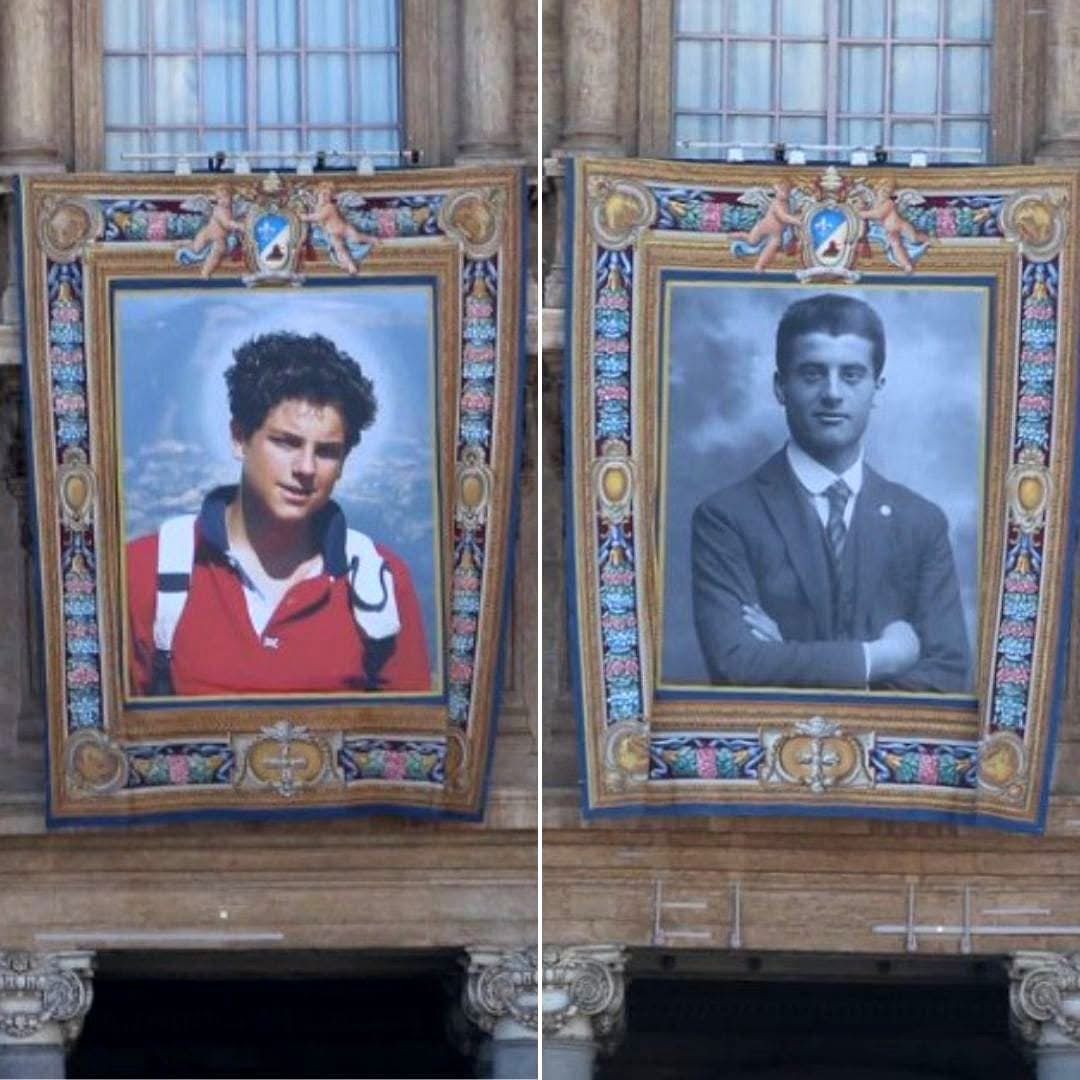
The Canonization of Blessed Giorgio Frassati and Blessed Carlos Acutis.
Today in the holy city of Rome, our beloved Holy Father, Pope Leo XIV will solemnly elevate for the whole Church two new saints, Giorgio Frassati and Carlos Acutis. Both of these young men died very young, yet in their brief journey, they show that living for Christ takes nothing away from life but fills it with meaning and joy.
The saints are the experts in listening. Like Mary of Bethany, the saints are attentive to the voice of Christ. They hear Him in the reading of the Gospel, they hear Him in the voice of the Church’s teaching, they hear Him in the voices of the poor and the immigrant, they hear Him in the silence of the Blessed Sacrament. The saints don’t just hear Jesus, they listen to Him. This work of listening is to discover the voice of Christ in those right beside us, in our families and our place of work. It's also about trying to hear the voice of Christ in our contemporaries, some of whom are far from the Church. Even in their estrangement, they are creatures of Logos, of reason, and can be unwitting transmitters of the truth. We need to have hearts and ears capable of hearing Christ speaking from the most unlikely places.
Poor Martha in her busy kitchen of Bethany could hear Christ speaking in the other room, but she was so distracted, she couldn’t listen. She got focused on her problems, her difficulties and her failures. She was listening to herself and only hearing Jesus from a distance.
The Divine Logos created the human body as a custom designed parable: we have two ears and one mouth. God is showing us that we have to do twice as much listening as we do speaking and listening is twice as hard as talking.
May our Blessed Mother, who’s beautiful birthday we shall celebrate tomorrow (for us Maronites, we think of our Lady of Mankee!) on September 8th, intercede for all of us to be betters listeners!
† Selim Sfeir
Maronite Archbishop of Cyprus