2nd Sunday of Lent Mark 1/35-45
Great Lent period
2nd Sunday of Lent
Homily of His Excellency Selim Sfeir
Maronite Archbishop of Cyprus
Healing of the Leper
Mark 1/35-45
Dear brothers and sisters in Christ,
Leprosy is one of the Bible's incurable infectious diseases for which there is
no cure. The leper was condemned to leave the community and live with the
lepers outside the city until he was cured and examined by the priest to confirm
his recovery. The leper wore a bell around his neck and did not approach
people. If he met anyone on his way, he had to shout at the top of his voice:
"Impure, impure! So that no one would approach him and the infection would
not be transmitted. The greatest fear among the ancients was a form of leprosy
that would corrode the body and lead to death. God alone was the leper's refuge
and healer.
The leper referred to by Mark the Evangelist, like the other lepers, lived outside
the city and did not dare approach people, but he followed the news of this
Master who went around, healing and doing good. The text gives us some
important keys to reading his behavior and attitude towards Jesus.
Firstly, he was not afraid to approach Jesus, and so we see that this outcast
leper saw Jesus as a source of hope and acceptance for him. He did not
condemn him, categorize him or fear approaching him because of the disease
that was destroying his body.
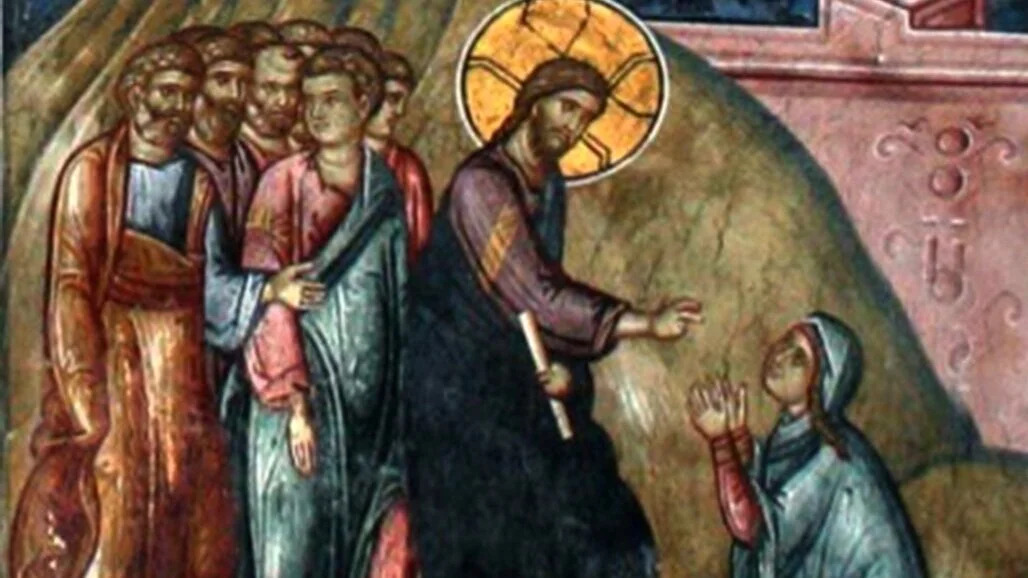
Secondly, he came to Jesus on his knees, and kneeling before Jesus is a
declaration of his awareness that Jesus is superior to the rest of humanity and
that indeed, for him, he is "the power of God", so he realizes that he has no
other refuge but God to be saved from his mortal illness, he comes to Jesus.
Thirdly, "If you will, you can make me clean", this expression indicates the
exhaustion of all human means of healing for this leper and his surrender to
God's will. If God wills it, only God can heal him.
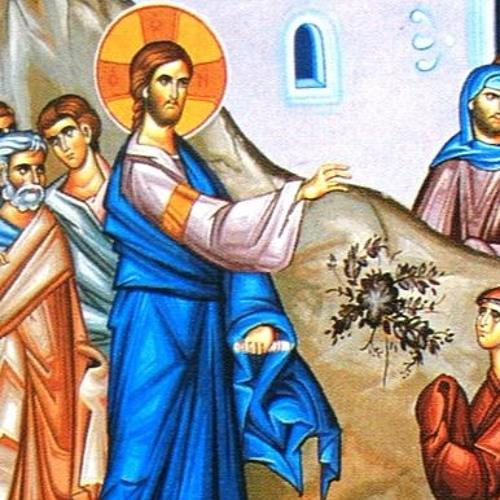
Here, God's love and compassion for man are revealed to us: Jesus reaches out
and touches him! Then comes the great response: "I will it, be pure", revealing
the heart of God to us.
In Christianity, leprosy symbolizes sin, and all humanity is affected by spiritual
leprosy, which is sin. The Holy Bible teaches us that all human beings are
sinners, as the apostle Paul says in his letter to the Romans: "For all have sinned
and fall short of the glory of God". (Romans 3:23) Similarly, the Old Testament
prophet Isaiah says: "We all wandered like sheep, each following his own way;
and the Lord laid on him the iniquity of us all". (Isaiah 53:6) Consequently,
humanity is doomed to spiritual death, which is separation from God!
Consequently, the sinner is like Adam after his fall, for he becomes a wanderer
far from God's Paradise and is afraid to approach Him like a leper.
This leper is the image of each one of us, we who are afflicted with the leprosy
of sin, and through his behavior he teaches us important lessons for our lives.
May we, like him, realize that Jesus is the source of our hope, and that it is He
who loves us despite our distance from Him. He accepts us and does not reject
us if we come to him on our knees and ask his forgiveness. Let's remember
what it says in the Bible: "God proves his love for us, in that while we were
still sinners, Christ died for us." (Romans 5:8) In the same way, the apostle John
tells us: "God's love for us was shown in that God sent his only Son into the
world, so that we might live through him. And this love is not that we loved
God, but that he loved us and sent his Son as an atoning sacrifice for our sins."
(1 John 4:9-10)
May we realize that our healing from the leprosy of sin is God`s will for us,
because God "wants all men to be saved..." (1 Timothy 2:4.) Yes, He does, and "He
is longsuffering toward you, not willing that any should perish, but that all
should come to repentance." (2 Peter 3:9)
May we, like this leper, surrender our lives to him, so that he can recreate them
anew! Kneel before Him, hoping for salvation from Him, for He alone is able
to heal the leprosy of our lives. Amen
† Selim Sfeir
Maronite Archbishop of Cyprus
2ème dimanche du Carême Marc 1/35-45
Temps du Grand Carême
2ème dimanche du Carême
Homélie de Son Excellence Mgr. Selim Sfeir
Archevêque Maronite de Chypre
Guérison du Lépreux
Marc 1/35-45
Chers frères et sœurs en Christ,
La lèpre est l’une des maladies infectieuses incurables de la Bible pour laquelle
il n’existe aucun remède. Le lépreux était condamné à quitter la communauté
et à vivre avec les lépreux hors de la ville jusqu'à ce qu'il soit guéri et que le
prêtre l'examine pour confirmer sa guérison. Le lépreux portait une clochette
autour du cou et ne s'approchait pas des gens. S'il rencontrait quelqu'un sur son
chemin, il devait crier à pleine voix : « Impur, impur ! Pour que personne ne
s'approche de lui et que l'infection ne lui soit transmise. La plus grande crainte
parmi les anciens était une forme de lèpre qui entraînerait une corrosion du
corps et conduirait à la mort. Dieu seul était le refuge et le guérisseur du
lépreux.
Le lépreux dont parle Marc l'Évangéliste, comme les autres lépreux, vivait en
dehors de la ville et n'osait pas s'approcher des gens, mais il suivait les
nouvelles de ce Maître qui parcourait les lieux, guérissait et faisait le bien. Le
texte nous donne des clés importantes pour lire son comportement et son
attitude envers Jésus.
Premièrement, il n'avait pas peur de s'approcher de Jésus, et ainsi nous voyons
que ce lépreux exclu, voyait en Jésus une source d'espoir et d'acceptation pour
lui. Il ne le condamne pas, ne le catégorise pas et n'a pas peur de l'approcher à
cause de la maladie qui détruisait son corps.
Deuxièmement - Il est venu vers Jésus à genoux, et s'agenouiller devant Jésus
est une déclaration de sa conscience que Jésus est supérieur au reste de
l'humanité et qu'en effet, pour lui, il est "la puissance de Dieu", alors il se rend
compte qu'il n'a d'autre refuge que Dieu pour être sauvé de sa maladie mortelle,
il vient à Jésus.
Troisièmement - "Si tu le veux, tu peux me rendre pur", cette expression
indique l'épuisement de tous les moyens humains de guérison pour ce lépreux
et son abandon à la volonté de Dieu. Si Dieu le veut, seul Dieu peut le guérir.
Ici, l'amour et la compassion de Dieu pour l'homme nous sont révélés : Jésus
lui tend la main et le touche ! Vient ensuite la grande réponse : « Je le veux,
sois pur » pour nous révéler le cœur de Dieu.
Dans le christianisme, la lèpre symbolise le péché, et toute l’humanité est
atteinte de la lèpre spirituelle, c’est-à-dire du péché. La Sainte Bible nous
enseigne que tous les humains sont pécheurs, comme le dit l’apôtre Paul dans
sa lettre aux Romains : « Car tous ont péché et sont privés de la gloire de Dieu».
(Romains 3 :23) De même, le prophète Isaïe dit dans l'Ancien Testament : « Nous
étions tous errants comme des brebis, Chacun suivait sa propre voie; et
l`Éternel a fait retomber sur lui l`iniquité de nous tous ». (Ésaïe 53 :6) Par
conséquent, l’humanité est vouée à la mort spirituelle, c’est-à-dire à la
séparation d’avec Dieu ! Par conséquent, le pécheur est comme Adam après sa
chute, car il devient un errant loin du Paradis de Dieu et a peur de s’approcher
de Lui comme un lépreux.
Ce lépreux est l'image de chacun d'entre nous, nous qui sommes atteints de la
lèpre du péché et, par son comportement, il nous enseigne des leçons
importantes pour notre vie. Puissions-nous, comme lui, réaliser que Jésus est
la source de notre espérance et que c'est lui qui nous aime malgré notre
éloignement de lui. C’est Lui qui nous accepte et ne nous rejette pas si nous
venons à lui à genoux et lui demandons pardon. Rappelons-nous ce qui est dit
dans la Bible : « Dieu prouve son amour envers nous, en ce que, lorsque nous
étions encore des pécheurs, Christ est mort pour nous. » (Romains 5 :8) De même,
l'apôtre Jean nous dit : « L’amour de Dieu a été manifesté envers nous en ce
que Dieu a envoyé son Fils unique dans le monde, afin que nous vivions par
lui. Et cet amour consiste, non point en ce que nous avons aimé Dieu, mais en
ce qu`il nous a aimés et a envoyé son Fils comme victime expiatoire pour nos
péchés. » (1 Jean 4:9-10)
Puissions-nous réaliser que notre guérison de la lèpre du péché est la volonté
de Dieu pour nous, parce que Dieu « veut que tous les hommes soient sauvés...»
(1 Timothée 2 : 4.) Oui, Il le veut, et « il use de patience envers vous, ne voulant
pas qu`aucun périsse, mais voulant que tous arrivent à la repentance. » (2 Pierre
3:9)
Puissions-nous, comme ce lépreux, lui abandonner notre vie afin qu’il puisse
la recréer à nouveau! Agenouillés devant Lui, espérant le salut de Lui, car Lui
seul est capable de guérir la lèpre de notre vie. Amen
† Selim Sfeir
Archevêque Maronite de Chyre

Κυριακή του γάμου στην Κανά Ιωάννης 2 / 1-11
Κυριακή της έναρξης της Μεγάλης Σαρακοστής
Ομιλία του Σεβασμιοτάτου Αρχιεπισκόπου Μαρωνιτών Κύπρου
κ. Σελίμ Σφέιρ
Κυριακή του γάμου στην Κανά
Ιωάννης 2 / 1-11
Αγαπητά εν Χριστώ αδέλφια,
Ο Ιησούς και η μητέρα του Μαρία ήταν καλεσμένοι σε έναν γάμο στην Κανά
της Γαλιλαίας. Συνηθιζόταν να διοργανώνεται ένα μεγάλο γαμήλιο συμπόσιο
στο οποίο σερβιριζόταν κρασί και φαγητό στους καλεσμένους. Ενώ το
συμπόσιο γινόταν, το κρασί τελείωσε και η κατάσταση έγινε αμήχανη για τους
νεόνυμφους. Όταν η Μαρία αντιλήφθηκε το θέμα, έφερε το πρόβλημα στον
Ιησού και εκεί, σύμφωνα με το εβραϊκό έθιμο, υπήρχαν έξι πέτρινα δοχεία για
το νερό του εξαγνισμού, που χωρούσαν περίπου εξακόσια ογδόντα λίτρα.
Ο Ιησούς διέταξε τους υπηρέτες να γεμίσουν τα αγγεία με νερό, και στη
συνέχεια τους διέταξε να τα γεμίσουν και να τα παρουσιάσουν στον
επικεφαλής του συμποσίου. Και αυτό είναι το θαύμα: το νερό στα αγγεία
μεταμορφώθηκε σε ένα διαφορετικό κρασί, καλύτερο από το κρασί που
σερβιρίστηκε στο τραπέζι.
Το κρασί έχει πολλές σημασίες στη Βίβλο, αλλά γενικά συμβολίζει τη χαρά,
όπως λέει ο Ψαλμός 104:15: "το κρασί κάνει την καρδιά του ανθρώπου να
χαίρεται". Και στον Ησαΐα 25:6 "Ο Κύριος των δυνάμεων ετοιμάζει για όλους
τους λαούς σε αυτό το βουνό μια γιορτή από ζουμερά φαγητά, μια γιορτή από
παλιά κρασιά".
Εδώ, στο κείμενο της γαμήλιας γιορτής στην Κανά της Γαλιλαίας, μπορούμε
να εφαρμόσουμε την παραπάνω έννοια στο κρασί.
Σε αυτό το κείμενο, βρισκόμαστε μπροστά σε έναν καθρέφτη που αντανακλά
την πραγματικότητα της κατάστασής μας. Είμαστε σαν τον γαμπρό που έχει
προμηθευτεί υλικό, γήινο κρασί για την ημέρα του γάμου του, για να το
απολαύσει με τους καλεσμένους του και να γλεντήσει την ημέρα του γάμου
του. Επικεντρώνουμε τις ανησυχίες μας στα υλικά ζητήματα της ζωής και
επιδιώκουμε να αποκτήσουμε τις πηγές των γήινων χαρών μας με υπερβολικό
εγωισμό, οπότε προσκολλούμαστε στα φαινόμενα και ξεχνάμε την ουσία,
αλλά οι χαρές της γήινης ζωής δεν διαρκούν και γρήγορα εξαντλούνται,
κάνοντας τη ζωή μας δυστυχισμένη και στερώντας της τη χαρά.
Όταν το κρασί της υλικής χαράς είχε τελειώσει, ο Ιησούς παρενέβη. Ο Ιησούς
διέταξε τους υπηρέτες να επιστρέψουν σε μια από τις απλούστερες ανάγκες
της ζωής, το "νερό"!
Είναι σαν να μας διατάζει ο Ιησούς, επιστρέφοντας στα βασικά, να
επιστρέψουμε στο σημείο εκκίνησης και να κατευθύνουμε την πυξίδα της
ζωής μας προς μια άλλη πηγή χαράς και ευτυχίας, προκειμένου να παράγουμε
για εμάς ένα κίνητρο αληθινής χαράς, διαφορετικό σε ποιότητα. Από τα πιο
απλά συστατικά της ζωής, δημιουργεί για εμάς ένα νέο κρασί που επαναφέρει
τη χαρά στη γιορτή της ζωής μας. Η παρέμβαση του Ιησού σε αυτόν τον γάμο
έρχεται να σώσει τον άνθρωπο και να του δώσει μια νέα γεύση για τις χαρές
της ζωής του.
Υπό το φως των παραπάνω, καταλαβαίνουμε γιατί η Εκκλησία επέλεξε το
κείμενο της γαμήλιας γιορτής στην Κανά για να ανοίξει την περίοδο της
Σαρακοστής. Σήμερα, η Εκκλησία μας καλεί, μαζί με τον Ιησού, να
απαρνηθούμε τις κοσμικές χαρές και τις πολυτέλειες της ζωής κατά την
περίοδο της Σαρακοστής. Μας καλεί να τις μοιραστούμε με φιλανθρωπία με
τους γύρω μας, να τις προσφέρουμε σαν κρασί στους καλεσμένους. Μας καλεί
να μη φοβόμαστε την εξάντλησή τους. Μας καλεί να επιστρέψουμε στις πηγές
της ζωής, να εγκαταλείψουμε την πολυτέλεια και τα φαινόμενα και να
αγκαλιάσουμε τα πιο απλά στοιχεία της ζωής, ώστε η νηστεία μας και η αποχή
μας από τις χαρές να γίνουν πηγή χαράς για τη ζωή μας.
Αλλά αυτό δεν εξυπηρετεί κανένα σκοπό και δίνει νόημα στη ζωή μας μόνο
υπό έναν όρο: "να προσκληθεί ο Ιησούς στο γάμο". Φανταστείτε τον γάμο και
την κρίση του χωρίς την παρουσία του Ιησού! Η πρόσκληση της Εκκλησίας
προς εμάς να εισέλθουμε στην περίοδο της Σαρακοστής, την εποχή της
εγκατάλειψης του κρασιού της υλικής ζωής και της επιστροφής στα πιο απλά
βασικά της ζωής, έχει νόημα μόνο αν προσκαλέσουμε τον Ιησού στο γαμήλιο
γλέντι της ζωής μας και αφήσουμε τα απλά βασικά της ζωής μας στα χέρια
του.
Σε αυτή την ευλογημένη Σαρακοστή, ας απομακρυνθούμε από τις χαρές της
θνητής ζωής και ας σηκώσουμε τα μάτια και τις καρδιές μας στα ύψη,
προσκαλώντας τον Ιησού στη ζωή μας, έτσι ώστε όταν η ζωή μας αδειάσει από
τις χαρές του κόσμου, ο Ιησούς μόνος του θα ξεχειλίσει μέσα μας με την
αφθονία της χάρης Του.
Προσευχή: Κύριε Ιησού, άδειασε τις καρδιές μας από τις εφήμερες χαρές του
κόσμου και γέμισέ τες με την άπειρη αγάπη Σου. Οδήγησέ μας στο μονοπάτι
της απάρνησης, ώστε να γευτούμε την αυθεντική χαρά που μας προσφέρεις.
Είθε η χάρη Σου να μας συνοδεύει και να μας ενδυναμώνει καθ' όλη τη
διάρκεια αυτής της ιερής περιόδου της Σαρακοστής, ώστε να αναγεννηθούμε
σε νέα ζωή το Πάσχα.
† Σελίμ Σφέιρ
Αρχιεπίσκοπος Μαρωνιτών Κύπρου
Sunday of the Wedding at Cana John 2 / 1-11
Sunday of entry into Great Lent
Homily of His Excellency Msgr. Selim Sfeir
Maronite Archbishop of Cyprus
Sunday of the Wedding at Cana
John 2 / 1-11
Dear brothers and sisters in Christ,
Jesus and his mother Mary were invited to a wedding at Cana in Galilee. It
was customary to hold a large wedding banquet where wine and food were
served to the guests. While the banquet was taking place, the wine ran out and
the situation became embarrassing for the newlyweds. When Mary became
aware of the matter, she brought the problem to Jesus. According to Jewish
custom, were six stone jars for the water of purification, each holding around
six hundred and eighty liters.
Jesus instructed the servants to fill the jars with water, then he ordered them to
fill them and present them to the banquet leader. And here is the miracle: the
water in the jars turned into a different kind of wine, better than the wine served
at the table.
Wine has many meanings in the Bible, but in general, it symbolizes joy, as
Psalm 104:15 says "wine gladdens the human heart", and Isaiah 25:6 "On this
mountain, the Lord of hosts will make for all peoples a feast of rich food, a
feast of well-aged wines."
Here, in the text of the wedding feast at Cana in Galilee, we can apply the
aforementioned meaning to wine.
In this text, we find ourselves in front of a mirror that reflects the reality of
our situation. We are like the bridegroom who has procured material, earthly
wine for his wedding day, to enjoy with his guests and to feast on the day of
his wedding.
We focus our concerns on the material matters of life, and we seek to acquire
the sources of our earthly joys with excessive selfishness, so we cling to
appearances and forget the essence, but the joys of earthly life do not last, and
they quickly run out, making our life miserable and emptying it of its joy.
With the wine of material joy exhausted, Jesus intervened. Jesus orders the
servants to return to a most necessity of life, "water!"
It is as if by going back to basics, Jesus is ordering us to return to the starting
point, and to direct the compass of our lives towards another source of joy and
happiness in order to produce for us a motive for true joy, different in its
quality. From the simplest ingredients of life, he creates for us a new wine that
brings joy back to the celebration of our lives. Jesus' intervention in this
wedding comes to save man, and give him a new taste for the joys of his life.
In the light of the above, we understand why the Church chose the text of the
wedding feast of Cana to open the Lenten season. Today, the Church calls us,
with Jesus, to renounce the worldly joys and luxuries of life during the season
of Lent. She calls us to share them in charity with those around us, to offer
them as wine to guests. She calls us not to fear their exhaustion. She calls us to
return to the sources of life, to abandon luxury and appearances and embrace
the simplest elements of life, so that our fasting and abstention from joys
becomes a source of joy for our lives.
However, this serves no purpose and gives meaning to our lives only on one
condition: "that Jesus be invited to the wedding". Imagine the wedding and the
crisis experienced without the presence of Jesus! The invitation that Church
addresses to us to enter the season of Lent, the time of abandoning the wine of
material life and returning to the simplest basics of life, only makes sense if we
invite Jesus to the wedding feast of our lives and place the simple bases of our
lives in his hands.
In this blessed Lent, let us turn away from the joys of mortal life and lift our
eyes and hearts to the heights, inviting Jesus into our lives, so that when our
lives are emptied of the joys of the world, Jesus alone will overflow within us
with the abundance of his grace.
Prayer
Lord Jesus, empty our hearts of the fleeting joys of the world and fill them with
your infinite love. Guide us along the path of self-denial, so that we may taste
the authentic joy you offer us.
May your grace accompany and strengthen us throughout this holy season of
Lent, so that we may be reborn to new life at Easter.
† Selim Sfeir
Maronite Archbishop of Cyprus
Dimanche des Noces de Cana Jean 2 / 1-11
Dimanche d’entrée au Grand Carême
Homélie de Son Excellence Mgr. Selim Sfeir
Archevêque Maronite de Chypre
Dimanche des Noces de Cana
Jean 2 / 1-11
Chers frères et sœurs en Christ,
Jésus et sa mère Marie furent invités à un mariage à Cana en Galilée. Il était
d'usage d'organiser un grand banquet de mariage au cours duquel du vin et de
la nourriture étaient servis aux invités. Pendant que le banquet avait lieu, le vin
manqua et la situation devint embarrassante pour les jeunes mariés. Lorsque
Marie eut connaissance de l'affaire, elle porta le problème à Jésus et, à cet
endroit, selon la coutume juive, il y avait six vases en pierre destinés à l’eau de
la purification, d'une contenance d'environ six cent quatre-vingts litres.
Jésus ordonna les serviteurs de remplir les vases d'eau, puis il leur a ordonné
d’en remplir et de présenter au chef du banquet. Et voici le miracle : l’eau qui
était dans les vases s’est transformée en un vin différent, meilleur que le vin
servi à table.
Le vin a de multiples significations dans la Bible, mais en général, il symbolise
la joie, comme le dit le Psaume 104 :15 « le vin réjouit le cœur de l'homme. »
Et Ésaïe 25 : 6 « L`Éternel des armées prépare à tous les peuples, sur cette
montagne, Un festin de mets succulents, Un festin de vins vieux. »
Ici, dans le texte des noces de Cana de Galilée, nous pouvons appliquer la
signification susmentionnée au vin.
Dans ce texte, nous nous trouvons devant un miroir qui reflète la réalité de
notre situation. Nous sommes comme le marié qui s’est procuré du vin matériel
et terrestre pour le jour de son mariage pour en jouir avec ses invités et se
régaler le jour de son mariage. Nous concentrons nos préoccupations sur les
questions matérielles de la vie, et nous cherchons à acquérir les sources de nos
joies terrestres avec un égoïsme excessif, alors nous nous accrochons aux
apparences et oublions l'essence, mais les joies de la vie terrestre ne durent pas,
et elles s'épuisent rapidement, rendant notre vie misérable et la vidant de sa
joie.
Le vin de la joie matérielle étant épuisé, Jésus est intervenu. Jésus ordonne aux
serviteurs de revenir à une nécessité des plus simples de la vie, « l'eau ! »
C'est comme si en revenant aux fondamentaux, Jésus nous ordonne de revenir
au point de départ, et d'orienter la boussole de notre vie vers une autre source
de joie et de bonheur afin de produire pour nous un motif de la joie véridique,
différent en sa qualité. À partir des ingrédients les plus simples de la vie, il crée
pour nous un vin nouveau qui redonne de la joie à la célébration de notre vie.
L'intervention de Jésus dans ces noces vient pour sauver l'homme, et lui donner
un nouveau goût aux joies de sa vie.
À la lumière de ce qui précède, nous comprenons le choix par l’Église du texte
des noces de Cana pour ouvrir le temps du Carême. Aujourd’hui, l’Église nous
appelle, avec Jésus, à renoncer aux joies et aux luxes mondains de la vie
pendant le temps du Carême. Elle nous appelle à les partager en charité à ceux
qui nous entourent, à les offrir comme le vin aux invités. Elle nous invite à ne
pas craindre leur épuisement. Elle nous appelle à revenir aux sources de la vie,
à abandonner le luxe et les apparences et à embrasser les éléments les plus
simples de la vie, afin que notre jeûne et notre abstention des joies deviennent
une source de joie pour notre vie.
Mais cela ne sert à rien et ne donne de sens à notre vie qu’à une condition : «
que Jésus soit invité aux noces ». Imaginez le mariage et la crise vécue sans la
présence de Jésus ! L’invitation que l’Église nous adresse à entrer dans le
temps du Carême, le temps de l’abandon du vin de la vie matérielle et du retour
aux bases les plus simples de la vie, ne prend de sens que si nous invitons Jésus
aux noces de notre vie et nous remettons les simples bases de notre vie entre
ses mains.
En ce Carême béni, détournons-nous des joies de la vie mortelle et élevons nos
yeux et notre cœur vers les hauteurs, invitant Jésus dans nos vies, afin que
lorsque nos vies seront vidées des joies du monde, Jésus seul, déborde en nous
de l'abondance de sa grâce.
Prière
Seigneur Jésus, vide nos cœurs des joies éphémères du monde et remplis-les
de ton amour infini. Guide-nous sur le chemin du renoncement, afin que nous
puissions goûter à la joie authentique que tu nous offres.
Que ta grâce nous accompagne et nous fortifie tout au long de ce saint temps
du Carême, pour que nous puissions renaître à la vie nouvelle à Pâques.
† Selim Sfeir
Archevêque Maronite de Chypre
9η Κυριακή μετά τα Θεοφάνεια Λουκάς 16 / 19-31
Περίοδος των Θεοφανείων
9η Κυριακή μετά τα Θεοφάνεια
Ομιλία του Σεβασμιοτάτου Αρχιεπισκόπου Μαρωνιτών Κύπρου
κ. Σελίμ Σφέιρ
Λουκάς 16 / 19-31
Κυριακή των Πιστών Νεκρών
«Είστε όλοι παιδιά του φωτός, και όχι της νύχτας».
Αγαπητά εν Χριστώ αδέλφια,
Η προσευχή για τους πιστούς νεκρούς στην οποία μας καλεί κάθε χρόνο
η Μαρωνιτική μας Εκκλησία πριν από την έναρξη της Σαρακοστής είναι
μια πράξη ελπίδας και πίστης. Είναι πίστη στον Θεό, ο οποίος δεν είναι ο
Θεός του θανάτου αλλά ο Θεός της ζωής και ότι ο θάνατος δεν μπορεί να
μας χωρίσει από την αγάπη Του. Έτσι, η προσευχή μας για τους πιστούς
νεκρούς, είτε πρόκειται για τους γονείς μας, τους αδελφούς και τις
αδελφές μας, τα παιδιά μας ή τους φίλους μας, δεν είναι ένα είδος
θρησκευτικής παράδοσης, ούτε αφοσίωση σε έναν Θεό που είναι ο
φύλακας των νεκρών, αλλά μια πράξη ελπίδας σε Εκείνον που είναι η
Ανάσταση και η Ζωή και που μας καλεί να ζήσουμε μαζί Του σε μια
προσωπική σχέση αγάπης.
Όπως μας λέει το σημερινό Ευαγγέλιο, αυτή η σχέση περιλαμβάνει την
εξέταση «του Λαζάρου που βρίσκεται στην πόρτα μας,» ο οποίος μπορεί
να είναι μέλος της οικογένειάς μας, οι συνάδελφοί μας στη δουλειά, οι
γείτονές μας, εκείνοι που δεν μπορούμε πάντα να ανεχτούμε...
ή οποιοσδήποτε είναι διαφορετικός από εμάς ως προς τον χαρακτήρα, τη
θρησκεία, τον πολιτισμό, το χρώμα του δέρματος ή την κοινωνική θέση.
Το Ευαγγέλιο μας καλεί να διαλογιστούμε για το νόημα της ζωής μας, να
ανακαλύψουμε τον σκοπό της και να δούμε τι την κάνει να αξίζει τον
κόπο, ξεκινώντας από την αγάπη μας για τον Κύριο που ενσαρκώνεται σε
κάθε άνθρωπο.
Με βάση αυτή την αγάπη θα κριθούμε τη νύχτα της ζωής μας, όπως μας
υπενθυμίζει ο Άγιος Ιωάννης του Σταυρού. Ό,τι κάνουμε στον ελάχιστο
απ' αυτούς, το κάνουμε σ' Αυτόν. «Πες μου ποια είναι η αγάπη σου και
θα σου πω ποιος είσαι» (Πάπας Ιωάννης Παύλος Β').
Ο Άγιος Παύλος μας υπενθυμίζει ότι είμαστε «παιδιά του φωτός, όχι της
νύχτας.» Πράγματι, είμαστε όλοι αδελφοί και αδελφές, παιδιά του Θεού
που δημιουργήθηκαν για να είναι κατ' ομοίωση του Υιού του Ιησού
Χριστού, του Φωτός του κόσμου, ο οποίος μας ενώνει μέσω της Αγάπης
Του και μας γεμίζει με τα δώρα Του μέσω του Αγίου Πνεύματος, για να
είμαστε ευγενικοί προς τους αδελφούς και τις αδελφές μας στην
ανθρωπότητα, να τους αγαπάμε με το να είμαστε στην υπηρεσία τους, με
το να συμπάσχουμε με τις χαρές και τις λύπες τους, τις ανησυχίες και τις
ελπίδες τους, να προσευχόμαστε γι' αυτούς και να τους μεταφέρουμε τη
χαρά της αγάπης του Θεού γι' αυτούς όπως και για μας, παρά τις αμαρτίες
μας και τις δοκιμασίες της ζωής. ..
Ας μην περιμένουμε να πεθάνουμε για να ζητήσουμε από τον Κύριο
έλεος, όπως ο πλούσιος στο Ευαγγέλιο. Ο λόγος του Θεού μας καλεί να
δείξουμε έλεος στους άλλους για να λάβουμε έλεος από τον Κύριο. Αυτό
είναι το θέλημα του Κυρίου και θα μπορέσουμε να το εκπληρώσουμε με
τη χάρη του Θεού με έργα και όχι με λόγια προς τους άλλους, όποιοι κι
αν είναι αυτοί.
Ο παράδεισος δεν είναι μια ανταμοιβή που λαμβάνουμε μετά το θάνατο,
αλλά μια διαθήκη αγάπης μεταξύ του Κυρίου και του καθενός από εμάς,
μια αγάπη που λαμβάνουμε και μια αγάπη που δίνουμε στους άλλους,
έτσι ώστε να μπορούμε να μοιραστούμε τη ζωή του Θεού μαζί τους,
ερχόμενοι, με το βάρος των αδυναμιών και των ανεπαρκειών μας, για να
αναπαυθούμε αιώνια στην ευγενική και ταπεινή Καρδιά Του.
Προσευχή: Κύριε, προσευχόμαστε για όλους τους πιστούς νεκρούς, ώστε
μετά τη συγχώρεση των αμαρτιών τους να εισέλθουν στη Βασιλεία με τον
Υιό Σου, ο οποίος μας ενώνει μεταξύ μας με το μυστήριο της αγάπης Του.
Αυτός που ζει και βασιλεύει μαζί Σου στην κοινωνία του Αγίου
Πνεύματος, στους αιώνες των αιώνων. Αμήν.
† Σελίμ Σφέιρ
Αρχιεπίσκοπος Μαρωνιτών Κύπρου
9th Sunday after Epiphany Luke 16 / 19-31
Time of Epiphany
9th Sunday after Epiphany
Homily of His Excellency Msgr. Selim Sfeir
Maronite Archbishop of Cyprus
Luke 16 / 19-31
Sunday of the Dead
"You are all sons of the light, not of the night".
Dear brothers and sisters in Christ,
The prayer for the faithful departed to which our Maronite Church invites us
each year before the beginning of Lent is an act of hope and faith. It is faith in
God, who is not the God of death, but the God of life, and that death cannot
separate us from His love. Thus, our prayer for the faithful departed, whether
they be our parents, our brothers and sisters, our children or our friends, is not
a kind of religious tradition, nor devotion to a God who guards the realm of the
dead, but an act of hope in the One who is the Resurrection and the Life, and
who calls us to live with Him in a personal relationship of love.
As the Gospel of today tells us, this relationship involves looking at "the
Lazarus at our door", which could be members of our family, our colleagues at
work, our neighbors, those we cannot always tolerate... as well as anyone
different from us in character, religion, culture, skin color or social status.
The Gospel therefore invites us to meditate on the meaning of our life, to
discover its purpose and to see what give it value, starting from our love for
the Lord incarnate in every human being.
It is upon this love that we will be judged in the evening of our lives, as Saint
John of the Cross reminds us. Whatever we do to the least of these, we do to
Him. "Tell me what your love is, and I'll tell you who you are" (Pope John Paul
II).
Saint Paul reminds us that we are "children of the light, not of the night".
Indeed, we are all brothers and sisters, children of God created to be in the
likeness of His Son Jesus Christ, Light of the world, who unites us through His
Love and fills us with His gifts through the Holy Spirit, to be kind to our
brothers and sisters in humanity, to love them by being at their service,
empathizing with their joys and sorrows, their worries as well as their hopes,
to pray for them and to bring them the joy of God's love for them as for us,
despite our sins and the trials of our life...
Let's not wait until we are dead to ask for the mercy of the Lord, like the rich
man in the Gospel. The Word of God invites us to show mercy to others in
order to obtain mercy from the Lord. This is the will of the Lord, and we can
accomplish it by God's grace in deeds, not just words, towards others, whoever
they may be.
Heaven is not a reward received after death, but this covenant of love between
the Lord and each of us, love received and love given to others, so that we can
share the life of God with them, carrying with us the burden of our weaknesses
and inadequacies, to rest eternally in his gentle and humble Heart.
Prayer:
Lord, we pray for all the faithful departed, that after the forgiveness of their
sins, they may enter the Kingdom with your Son, who unites us to one another
through the mystery of his love. He who lives and reigns with you in the
communion of the Holy Spirit, forever and ever. Amen.
† Selim Sfeir
Maronite Archbishop of Cyprus
9ème Dimanche après l’Epiphanie Luc 16 / 19-31
10 Karaiskakis Str., Acropolis, 2012 Strovolos, Cyprus, P.O.Box: 22249. 1519 Nicosia
Web: http://www.maroniteparchy.org.cy/ Email: betmorounincyprus@gmail.com
Tel: +357 22 427966 Fax: +357 22 314919
Temps de l’Epiphanie
9ème Dimanche après l’Epiphanie
Homélie de Son Excellence Mgr. Selim Sfeir
Archevêque Maronite de Chypre
Luc 16 / 19-31
Dimanche des Défunts
« Vous êtes tous les fils de la lumière, et non pas de la nuit ».
Chers frères et sœurs en Christ,
La prière pour les fidèles défunts à laquelle notre Église maronite nous invite,
chaque année avant le début du Carême, est un acte d’espérance et de foi. C’est
la foi en Dieu qui n’est pas le Dieu de la mort mais le Dieu de la vie, et que la
mort ne peut nous séparer de Son amour. Aussi notre prière pour les fidèles
défunts, qu’ils soient nos parents, nos frères et sœurs, nos enfants, nos amis,
n’est pas une sorte de tradition religieuse, ni une dévotion à un Dieu gardien
du séjour des morts, mais un acte d’espérance en Celui qui est la Résurrection
et la Vie et qui nous appelle à vivre avec Lui une relation personnelle d’amour.
Or, cette relation passe, comme nous dit l’Evangile d’aujourd’hui, par le regard
porté sur « le Lazare qui est à notre porte », ça peut être les membres de notre
famille, nos collègues de travail, nos voisins, ceux que nous ne pouvons pas
toujours supporter…comme ça peut être aussi toute personne différente de
nous par son caractère, sa religion, sa culture, sa couleur de peau et son statut
social.
L’Evangile nous invite donc à méditer sur le sens de notre vie, à découvrir son
but et à voir ce qui en fait sa valeur, à partir de de notre amour pour le Seigneur
incarné dans chaque être humain.
C’est sur cet amour que nous serons jugés au soir de notre vie comme nous le
rappelle saint Jean de la Croix. Tout ce que nous aurons fait au plus petit d’entre
les siens c’est à Lui que nous l’aurons fait. « Dis-moi quel est ton amour et je
te dirai qui tu es » (le pape saint Jean-Paul II).
Saint Paul nous rappelle que nous sommes « fils de la lumière, et non pas de
la nuit ». En effet, nous sommes tous frères et sœurs, fils de Dieu créés pour
être à la ressemblance de son Fils Jésus-Christ, Lumière du monde, qui nous
unit par son Amour et nous comble par l’Esprit Saint de Ses dons, pour être
bienveillants à l’égard de nos frères et sœurs en humanité, pour les aimer en
étant à leur service, en compatissant à leurs joies et à leurs peines, à leurs soucis
comme à leurs espoirs, à prier pour eux et à leur porter la joie de l’amour de
Dieu pour eux comme pour nous malgré nos péchés et les épreuves de la vie...
N’attendons pas d’être morts pour demander la miséricorde du Seigneur
comme ce riche de l’Evangile. Nous avons la Parole de Dieu qui nous invite à
faire miséricorde aux autres pour obtenir miséricorde du Seigneur. C’est là, la
Volonté du Seigneur et nous pourrons l’accomplir par la grâce de Dieu en actes
et non en paroles envers les autres quels qu’ils sont.
Le ciel n’est pas une récompense reçue après la mort mais cette alliance
d’amour entre le Seigneur et chacun de nous, amour reçu et amour donné aux
autres, pour que nous puissions avec eux partager la vie de Dieu en venant,
avec le fardeau de nos faiblesses et de nos insuffisances, se reposer
éternellement dans son Cœur doux et humble.
Prière :
Seigneur, nous te prions pour tous les fidèles défunts, qu’ils entrent après le
pardon de leur péché, dans le Royaume avec ton Fils qui nous unit les uns aux
autres par le mystère de son amour. Lui qui vit et règne avec Toi dans la
communion de l’Esprit Saint, pour les siècles des siècles. Amen.
† Selim Sfeir
Archevêque Maronite de Chypre
Eighth Sunday after Epiphany Matthew 25 / 31-46
Time of the Epiphany
Eighth Sunday after Epiphany
Homily if His Excellence Msgr. Selim Sfeir
Maronite Archbishop of Cyprus
Matthew 25 / 31-46
Sunday of the Righteous and the Saints
“Come, you who are blessed by my Father.”
Dear brothers and sisters in Christ,
We are on the Second Sunday of Commemorations before entering the blessed
season of Lent. We remember the Righteous and the saints, those we know by
name and those for whom we have a particular devotion. The saints of our
country, our region or our village, but also all the saints, men and women, from
all countries and cultures, whom the Church solemnly proclaims as witnesses
of the love of God.
However, the saints do not descend from heaven like drops of winter raindrops!
Their stories are not always rosy; do we know what sufferings they have
endured? What battles have they fought? What insults have they received? But
deep down, do we really guess what their secret is? Why were they called just
and holy despite their vulnerability and their sinful condition, shared with
every human being? Why do they "receive from the hand of the Lord the
kingdom of splendor and the diadem of beauty..." as the book of Wisdom
reminds us?
Why are they part of this "assembly of the firstborn whose names are written
in heaven..." as the letter to the Hebrews emphasizes?
We find the answer by meditating on the words of the Gospel of this Sunday, the Gospel of the last judgment, the Gospel of Christ the King and Shepherd. By meditating on the words of Jesus, we may at first be a little shocked to know that God will judge us only on the basis of our love we have for Him, this God incarnate in the love of neighbor.
We will hear the voice of God, deep in our conscience, telling us: "What have you done to your brother?" And this brings us back to the story of Cain and Abel. Judgment passes through love of our neighbor, whoever he may be, lovable or repugnant... Our prayer would be in vain if we do not go to the one who cries out to us to help him stand up, listen to him and understand him, and to be patient with him without judging him and to forgive him when he has offended us.
Impossible you say! Yes, but the sanctifying grace of Christ can work wonders in us if we let it work in our hearts to make them like his, gentle and humble, if each and every one of us learns to surrender to the mercy of the Lord despite our weaknesses and our sins, so that we may live with and for others.
This is what the righteous and the saints have lived. They accomplished the will of the Lord not out of fear of judgment but out of love for this God-Love who sent His Son to save them and His Spirit to make them sons and daughters of God in the image and likeness of the only Son. For this reason, they are for us faithful witnesses of the faith, and signs of love and hope in our Christian life.
Prayer:
In celebrating all the righteous and the saints of Your Kingdom, we celebrate Lord, Your action in their lives. Like them, You call us to be holy as You are holy. We cannot do it without You. Give us Your grace, every day, to respond faithfully to our vocation to holiness and to hear You say to us: "Come, you who are blessed by my Father, enter the Kingdom...", we ask You this through the intercession of the Blessed Virgin Mary and all the saints. Amen.
† Selim Sfeir
Archevêque Maronite de Chypre
Martha and Mary (Luke 10 : 38-42)
Dear brothers and sisters in Christ,
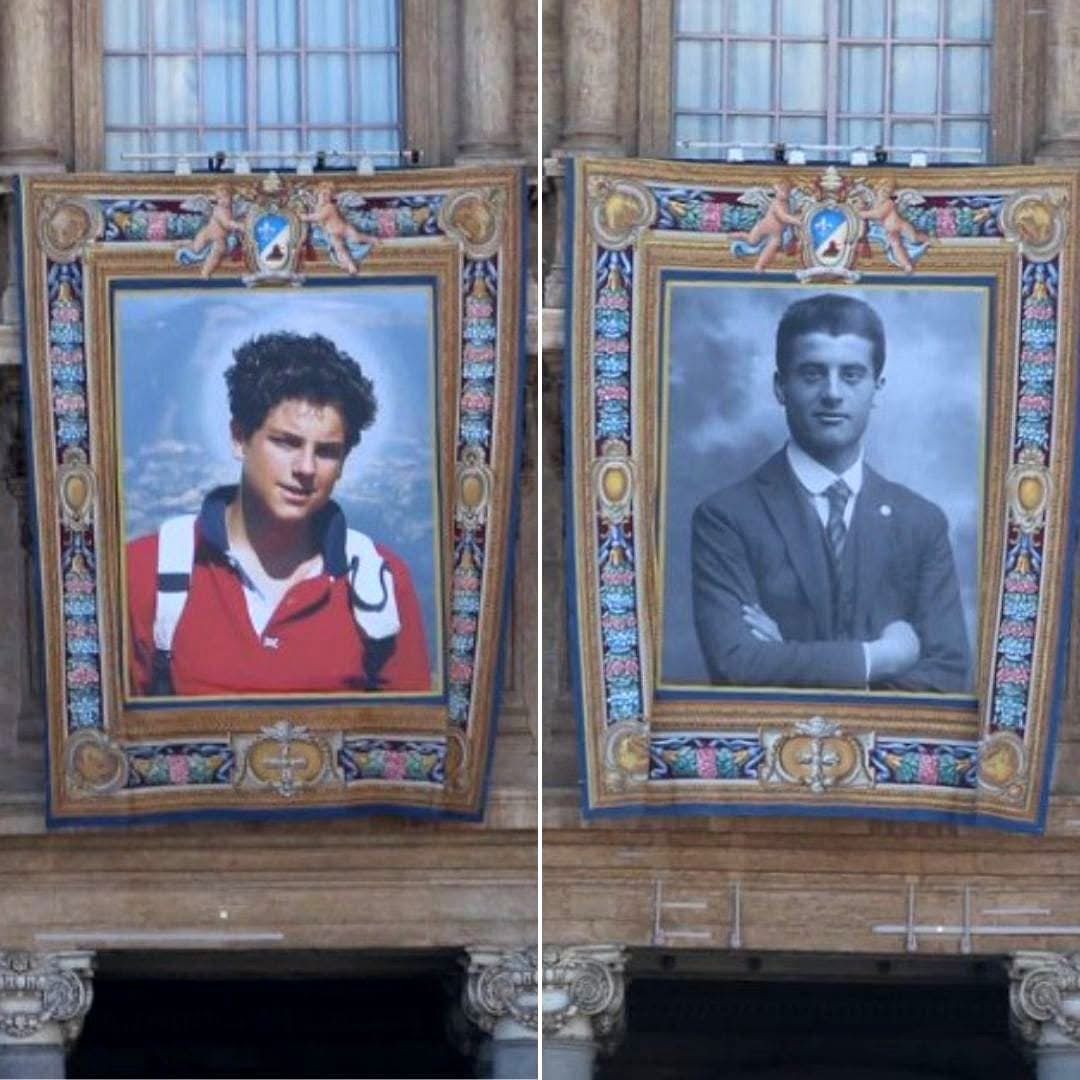
The Canonization of Blessed Giorgio Frassati and Blessed Carlos Acutis.
Today in the holy city of Rome, our beloved Holy Father, Pope Leo XIV will solemnly elevate for the whole Church two new saints, Giorgio Frassati and Carlos Acutis. Both of these young men died very young, yet in their brief journey, they show that living for Christ takes nothing away from life but fills it with meaning and joy.
The saints are the experts in listening. Like Mary of Bethany, the saints are attentive to the voice of Christ. They hear Him in the reading of the Gospel, they hear Him in the voice of the Church’s teaching, they hear Him in the voices of the poor and the immigrant, they hear Him in the silence of the Blessed Sacrament. The saints don’t just hear Jesus, they listen to Him. This work of listening is to discover the voice of Christ in those right beside us, in our families and our place of work. It's also about trying to hear the voice of Christ in our contemporaries, some of whom are far from the Church. Even in their estrangement, they are creatures of Logos, of reason, and can be unwitting transmitters of the truth. We need to have hearts and ears capable of hearing Christ speaking from the most unlikely places.
Poor Martha in her busy kitchen of Bethany could hear Christ speaking in the other room, but she was so distracted, she couldn’t listen. She got focused on her problems, her difficulties and her failures. She was listening to herself and only hearing Jesus from a distance.
The Divine Logos created the human body as a custom designed parable: we have two ears and one mouth. God is showing us that we have to do twice as much listening as we do speaking and listening is twice as hard as talking.
May our Blessed Mother, who’s beautiful birthday we shall celebrate tomorrow (for us Maronites, we think of our Lady of Mankee!) on September 8th, intercede for all of us to be betters listeners!
† Selim Sfeir
Maronite Archbishop of Cyprus