Categories
Events

Unity in Diversity 2025

Plenary Assembly of the Bishops of the Eastern Catholic Churches of Europe

Categories
Archbishop’s Teaching

14η Κυριακή της Πεντηκοστής

Η Μάρθα και η Μαρία ( Λουκάς 10 / 38 - 42)

Αγαπητά εν Χριστώ αδέλφια,

Η Αγιοκατάταξη των Μακαρίων Τζόρτζιο Φρασσάτι και Κάρλο Ακουτίς

Σήμερα, στην αγία πόλη της Ρώμης, ο αγαπημένος μας Άγιος Πατέρας, ο Πάπας Λέων ΙΔ΄, θα ανακηρύξει επίσημα για όλη την Εκκλησία δύο νέους αγίους, τον Τζόρτζιο Φρασσάτι και τον Κάρλο Ακουτίς. Και οι δύο νέοι αυτοί άνδρες έφυγαν από τη ζωή πολύ νέοι· όμως μέσα στη σύντομη πορεία τους, δείχνουν ότι το να ζει κανείς για τον Χριστό δεν αφαιρεί τίποτε από τη ζωή, αλλά την γεμίζει με νόημα και χαρά.

Οι άγιοι είναι οι ειδικοί της ακρόασης. Όπως η Μαρία της Βηθανίας, οι άγιοι είναι προσεκτικοί στη φωνή του Χριστού. Τον ακούν στην ανάγνωση του Ευαγγελίου, Τον ακούν στη διδασκαλία της Εκκλησίας, Τον ακούν στις φωνές των φτωχών και των μεταναστών, Τον ακούν στη σιωπή του Παναγίου Μυστηρίου. Οι άγιοι δεν αρκούνται να ακούνε τον Ιησού· Τον προσέχουν. Αυτό το έργο της ακρόασης είναι η ανακάλυψη της φωνής του Χριστού σε όσους βρίσκονται δίπλα μας, στις οικογένειές μας και στον χώρο εργασίας μας. Είναι ακόμη και η προσπάθεια να ακούσουμε τη φωνή του Χριστού στους συγχρόνους μας, μερικοί από τους οποίους βρίσκονται μακριά από την Εκκλησία. Ακόμα και στην αποξένωσή τους, είναι πλάσματα του Λόγου, της λογικής, και μπορούν, χωρίς να το γνωρίζουν, να μεταδίδουν την αλήθεια. Χρειαζόμαστε καρδιές και αυτιά ικανά να ακούν τον Χριστό που μιλά από τα πιο απίθανα μέρη.

Η καημένη η Μάρθα, μέσα στη γεμάτη μέριμνες κουζίνα της Βηθανίας, μπορούσε να ακούει τον Χριστό να μιλά στο άλλο δωμάτιο, αλλά ήταν τόσο αποσπασμένη που δεν μπορούσε να Τον προσέξει. Είχε επικεντρωθεί στα προβλήματά της, στις δυσκολίες και τις αποτυχίες της. Άκουγε τον εαυτό της και μόνο από απόσταση τον Ιησού.

Ο Θείος Λόγος δημιούργησε το ανθρώπινο σώμα ως μια εξατομικευμένη παραβολή: έχουμε δύο αυτιά και ένα στόμα. Ο Θεός μας δείχνει ότι πρέπει να ακούμε διπλάσια απ’ όσο μιλάμε· και ότι η ακρόαση είναι διπλάσια δύσκολη από την ομιλία.

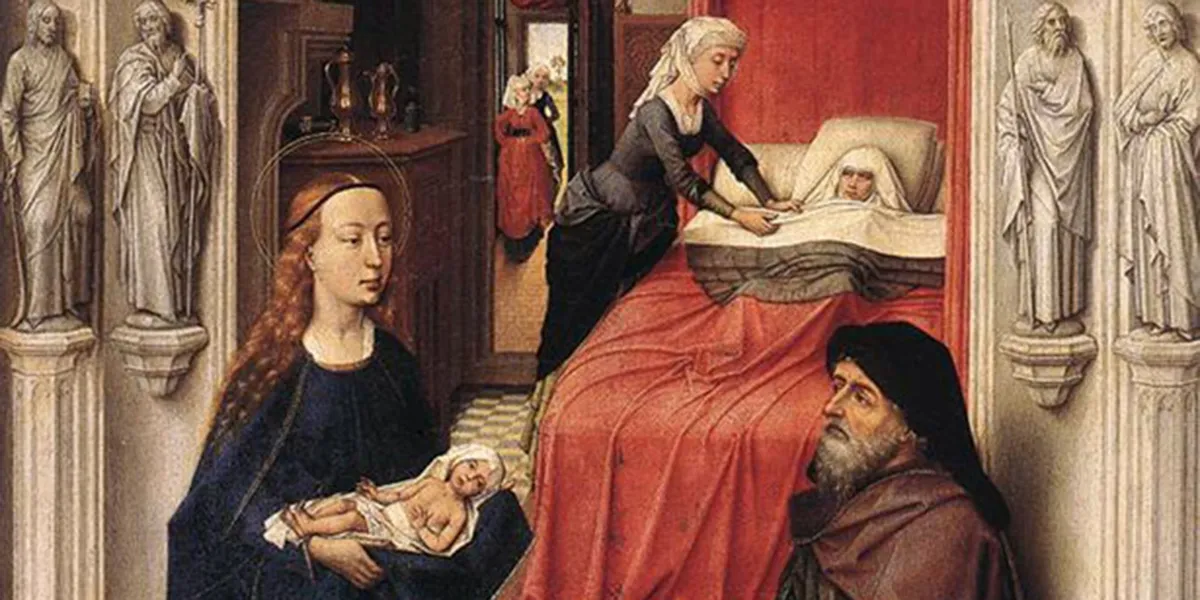
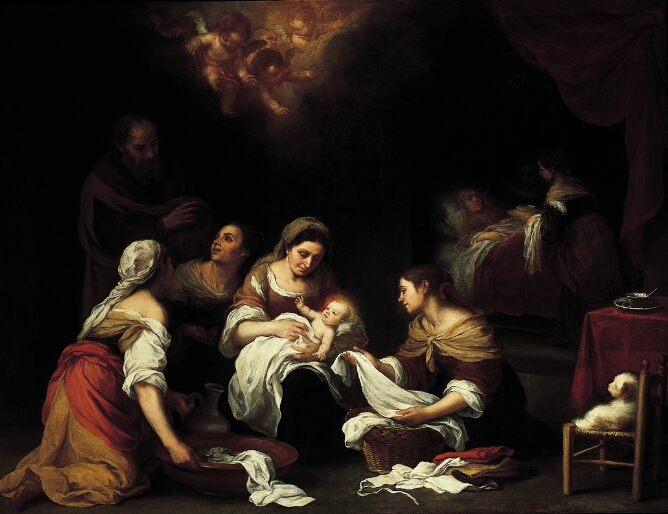
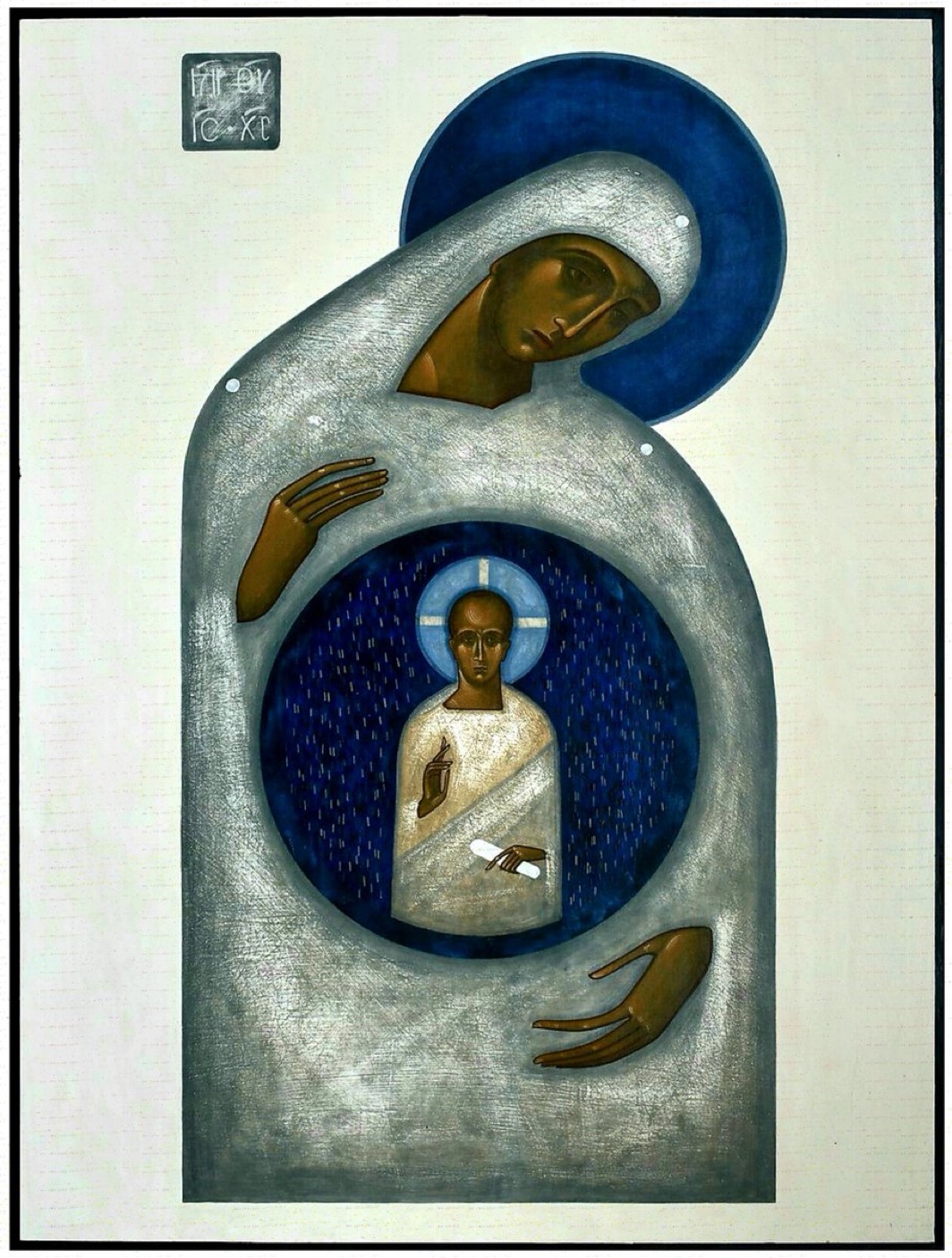
Είθε η Ευλογημένη Μητέρα μας, της οποίας την όμορφη γέννηση θα εορτάσουμε αύριο (για εμάς τους Μαρωνίτες, θυμόμαστε την Κυρία μας της Μαρκί!) στις 8 Σεπτεμβρίου, να πρεσβεύει για όλους μας ώστε να γίνουμε καλύτεροι ακροατές! Αμήν.

+ Σελίμ Σφέιρ

Αρχιεπίσκοπος Μαρωνιτών Κύπρου

Categories
Archbishop’s Teaching

14th Sunday of Pentecost

Περίοδος του Πάσχα 7η Κυριακή μετά την Ανάσταση

Ομιλία του Σεβασμιοτάτου Αρχιεπισκόπου Μαρωνιτών Κύπρου Σελίμ Σφέιρ Μια καινούργια εντολή Ιωάννης 13 / 31 – 35

Αγαπητά εν Χριστώ αδέλφια,

«Αγαπάτε ο ένας τον άλλον»

«Μικρά μου παιδιά, είμαι μαζί σας για λίγο καιρό ακόμα. Θα με αναζητήσετε- και όπως είπα στους Ιουδαίους: «Δεν μπορείτε να έρθετε εκεί που πηγαίνω, έτσι σας λέω και τώρα. Σας δίνω μια νέα εντολή: Να αγαπάτε ο ένας τον άλλον- όπως σας αγάπησα εγώ, έτσι να αγαπάτε και εσείς ο ένας τον άλλον».(Ιωά 13: 33-34)
Ο Ιησούς μας δίνει την εντολή να αγαπάμε ο ένας τον άλλον, όπως ακριβώς έκανε και στους μαθητές Του όταν είπε: «Παιδιά μου». Αλλά δεν μας δίνει απλώς την εντολή «Σας δίνω μια νέα εντολή: Αγαπάτε αλλήλους». Μας δίνει επίσης ένα πρότυπο με το οποίο μπορούμε να μετρήσουμε την πρακτική μας σε αυτή την αγάπη. Γνωρίζει την αδυναμία μας και την ανεπάρκειά μας να την πραγματοποιήσουμε πλήρως, αλλά μέσω αυτού του προτύπου θέλει να ταπεινώσει την υπερηφάνειά μας, αν ποτέ νομίζουμε ότι έχουμε εκπληρώσει αυτή την εντολή. Δεν μας λέει να αγαπάμε όσο μπορούμε ή όσο μας αγαπούν οι άλλοι, αλλά μας λέει: «Όπως σας αγάπησα εγώ, έτσι και εσείς πρέπει να αγαπάτε ο ένας τον άλλον».

Το ερώτημα λοιπόν είναι: πώς μας αγάπησε;

Ο Ιησούς είπε: «Διότι ο Θεός τόσο πολύ αγάπησε τον κόσμο, ώστε έδωσε τον Υιό Του τον μονογενή, για να μη χαθεί όποιος πιστεύει σ' αυτόν, αλλά να έχει αιώνια ζωή. Διότι ο Θεός δεν έστειλε τον Υιό του στον κόσμο για να κρίνει τον κόσμο, αλλά για να σωθεί ο κόσμος μέσω αυτού». (Ιωά 3:16-17) Και ο απόστολος Παύλος προσθέτει: «Ο Θεός όμως αποδεικνύει την αγάπη του για μας με το ότι, ενώ εμείς ήμασταν ακόμα αμαρτωλοί, ο Χριστός πέθανε για μας». (Ρωμ 5:8)

Έτσι, ο Λόγος του Θεού δεν λέει ότι ο Θεός μας αγάπησε όταν γίναμε δίκαιοι και άγιοι! Αλλά ενώ ήμασταν ακόμα αμαρτωλοί, ο Θεός μας αγάπησε και μας έσωσε. Ο Ιησούς μας συνιστά να αγαπάμε ο ένας τον άλλον σύμφωνα με αυτό το πρότυπο. «Αυτό σημαίνει ότι πρέπει να αγαπάμε ο ένας τον άλλον όχι μόνο όταν είμαστε δίκαιοι μεταξύ μας, αλλά και όταν οι αδελφοί μας μας φέρονται άσχημα, πρέπει να τους αγαπάμε. Όχι μόνο με μια επιφανειακή αγάπη που εκφράζεται με λόγια, αλλά με μια αγάπη που δίνει τον εαυτό της, μια αγάπη σαν αυτή του Ιησού που μας αγάπησε όταν εμείς δεν ήμασταν ακόμη συμφιλιωμένοι μαζί Του».
Ο Ιησούς δεν επιδιώκει μόνο να αποκαταστήσει τις σχέσεις μεταξύ των μαθητών Του, αλλά θέλει αυτή η εντολή της αγάπης να γίνει μάρτυρας σε ολόκληρο τον κόσμο και αυτή η αγάπη να είναι σκόπιμη. Λέει: «Από αυτό θα γνωρίζουν όλοι ότι είστε μαθητές μου, αν έχετε αγάπη ο ένας για τον άλλον».

Αν θέλετε να ξέρετε αν έχετε αληθινή αγάπη, διαβάστε αυτό το απόσπασμα από τη Βίβλο και αντικαταστήστε τη λέξη «φιλανθρωπία» με το όνομά σας, και στη συνέχεια εξετάστε τον εαυτό σας σύμφωνα με αυτό το πρότυπο.
«Η φιλανθρωπία είναι υπομονετική, είναι γεμάτη καλοσύνη- η φιλανθρωπία δεν ζηλεύει- η φιλανθρωπία δεν καυχιέται, δεν υπερηφανεύεται, δεν κάνει τίποτα ανέντιμο, δεν επιδιώκει το συμφέρον της, δεν θυμώνει, δεν υποπτεύεται το κακό, δεν χαίρεται στην αδικία, αλλά χαίρεται στην αλήθεια- συγχωράει τα πάντα, πιστεύει τα πάντα, ελπίζει τα πάντα, υπομένει τα πάντα». (Α Κορ 13:4-7)

Αυτό μπορεί να ακούγεται σαν μια μεγάλη εντολή, αλλά δεν είναι η απόλυτη. Κάποιοι μπορεί να πουν: «Η επίτευξη αυτής της εντολής είναι δύσκολη». Θα πω ότι, παρόλο που αυτή η εντολή, που συνδέεται με τη δωρεάν θεία αγάπη, «όπως εγώ σας αγάπησα», την οποία ο Κύριος χαράζει για εμάς, παραμένει περιορισμένη στην έκφραση «ο ένας τον άλλον». Το να αγαπάς τον αδελφό σου είναι καλό πράγμα, αλλά το να αγαπάς τον εχθρό σου είναι η τελειότητα. Ο Ιησούς προχώρησε ακόμη περισσότερο όταν είπε: «Εγώ όμως σας λέω, αγαπάτε τους εχθρούς σας, ευλογείτε αυτούς που σας καταριούνται, κάνετε καλό σ' αυτούς που σας μισούν και προσεύχεστε για αυτούς που σας κακοποιούν και σας καταδιώκουν, για να γίνετε παιδιά του Πατέρα σας στους ουρανούς». (Ματ 5: 44-45) Αν μας είναι δύσκολο να αγαπήσουμε τους αδελφούς μας, πόσο δύσκολο μπορεί να είναι να αγαπήσουμε τους εχθρούς μας;

Αδελφοί και αδελφές, ας αγαπάμε ο ένας τον άλλον όπως μας αγάπησε ο Ιησούς, αγνοώντας κάθε προσβολή, διότι «όποιος δεν αγαπάει δεν έχει γνωρίσει τον Θεό, διότι ο Θεός είναι αγάπη». (1 Ιωά 4:8).


† Σελίμ Σφέιρ
Αρχιεπίσκοπος Μαρωνιτών Κύπρου

Temps Pascal 7ème Dimanche après la Résurrection

Homélie de Son Excellence Mgr. Selim Sfeir Archevêque Maronite de Chypre Un commandement nouveau Jean 13 / 31-35

Chers frères et sœurs en Christ,

" Aimez-vous les uns les autres"

" Mes petits enfants, je suis pour peu de temps encore avec vous. Vous me chercherez; et, comme j’ai dit aux Juifs: Vous ne pouvez venir où je vais, je vous le dis aussi maintenant. Je vous donne un commandement nouveau: Aimez-vous les uns les autres; comme je vous ai aimés, vous aussi, aimez-vous les uns les autres." (Jean 13: 33-34)
Jésus nous adresse un commandement d'amour entre nous comme il l'a fait avec ses disciples en disant : "Mes enfants." Mais il ne se contente pas de nous donner le commandement "Je vous donne un commandement nouveau: Aimez-vous les uns les autres." Il nous donne également une norme par laquelle nous pouvons mesurer notre pratique de cet amour. Il est conscient de notre faiblesse et de notre insuffisance pour le réaliser pleinement, mais à travers cette norme, il veut humilier notre orgueil, si jamais nous pensons avoir accompli ce commandement. Il ne nous dit pas d'aimer autant que nous le pouvons, ou autant que les autres nous aiment, mais il nous dit : " comme je vous ai aimés, vous aussi, aimez-vous les uns les autres."

La question qui se pose alors est : comment nous a-t-il aimés ?

Jésus dit : " Car Dieu a tant aimé le monde qu’il a donné son Fils unique, afin que quiconque croit en lui ne périsse point, mais qu’il ait la vie éternelle. Dieu, en effet, n’a pas envoyé son Fils dans le monde pour qu’il juge le monde, mais pour que le monde soit sauvé par lui." (Jean 3:16-17) Et l'apôtre Paul ajoute : " Mais Dieu prouve son amour envers nous, en ce que, lorsque nous étions encore des pécheurs, Christ est mort pour nous." (Romains 5:8)

Ainsi, la Parole de Dieu ne dit pas que Dieu nous a aimés lorsque nous sommes devenus justes et saints ! Mais alors que nous étions encore des pécheurs, Dieu nous a aimés et nous a sauvés. Jésus nous recommande d'aimer les uns les autres selon cette norme. "Cela signifie que nous devons nous aimer les uns les autres non seulement lorsque nous sommes justes les uns envers les autres, mais aussi lorsque nos frères nous traitent mal, nous devons les aimer. Pas seulement avec un amour superficiel exprimé par des paroles, mais avec un amour de don de soi, un amour semblable à celui de Jésus qui nous a aimés alors que nous n’étions pas encore réconciliés avec lui."
Jésus ne cherche pas seulement à rétablir les relations entre ses disciples, mais il veut que ce commandement d'amour soit un témoignage pour le monde entier, et que cet amour soit intentionnel. Il dit : " A ceci tous connaîtront que vous êtes mes disciples, si vous avez de l’amour les uns pour les autres."

Si vous voulez savoir si vous êtes dans l'amour véridique, lisez ce passage de la Bible et remplacez le mot "charité" par votre nom, puis examinez-vous selon cette norme.
" La charité est patiente, elle est pleine de bonté; la charité n’est point envieuse; la charité ne se vante point, elle ne s`enfle point d`orgueil, elle ne fait rien de malhonnête, elle ne cherche point son intérêt, elle ne s’irrite point, elle ne soupçonne point le mal, elle ne se réjouit point de l’injustice, mais elle se réjouit de la vérité; elle excuse tout, elle croit tout, elle espère tout, elle supporte tout." (1 Corinthiens 13:4-7)

Ce commandement peut sembler très grand, mais ce n'est pas le summum. Certains pourraient dire : "Atteindre ce commandement est difficile." Je dirai que même si ce commandement, lié à la gratuité de l'amour divin, "comme je vous ai aimés", que le Seigneur nous trace, reste limité à l'expression "les uns les autres". Aimer son frère est une bonne chose, mais aimer son ennemi, voilà la perfection. Jésus est allé encore plus loin en disant : " Mais moi, je vous dis: Aimez vos ennemis, bénissez ceux qui vous maudissent, faites du bien à ceux qui vous haïssent, et priez pour ceux qui vous maltraitent et qui vous persécutent, afin que vous soyez fils de votre Père qui est dans les cieux." (Matthieu 5: 44-45) Si nous trouvons difficile d'aimer nos frères, quelle difficulté éprouvons-nous alors à aimer nos ennemis ?

Frères et sœurs, aimons-nous les uns les autres comme Jésus nous a aimés, ignorant toute offense, car "Celui qui n’aime pas n’a pas connu Dieu, car Dieu est amour." (1 Jean 4:8).

† Selim Sfeir
Archevêque Maronite de Chypre

Easter Period 7th Sunday after The Resurrection

Homily of His Excellency Msgr. Selim Sfeir Maronite Archbishop of Cyprus A New Commandment John 13 / 31-35

Dear brothers and sisters in Christ,


"Love each other”


"My little children, I am with you for a little while longer. You will look for me—but, just as I told the Jewish leaders, I also tell you now—‘Where I am going, you cannot come.’ “I give you a new commandment: Love each other. Just as I have loved you, so you also must love each other." (John 13: 33-34)


Jesus gives us a commandment of love to each other, just as he did to his disciples when he said, "My children." But he does not just give us the commandment "I give you a new commandment: Love each other." He also gives us a standard by which we can measure our practice of this love. He is aware of our weakness and inadequacy to realize it fully, but through this standard he aims to humble our pride, if we ever think we have fulfilled this commandment. He is not telling us to love as much as we can, or as much as others love us, but he is saying, “Just as I have loved you, so you also must love each other."


The question then becomes: how has he loved us?


Jesus says: “God so loved the world that he gave his only Son, so that everyone who believes in him won’t perish but will have eternal life. God didn’t send his Son into the world to judge the world, but that the world might be saved through him." (John 3:16-17) And the apostle Paul adds, “But God shows his love for us, because while we were still sinners Christ died for us...” (Romans 5:8)


Thus, the Word of God does not say that God loved us when we became righteous and holy! But while we were still sinners, God loved us and saved us. Jesus recommends that we love one another according to this standard. "This means that we must love each other not only when we are righteous to one another, but also when our brothers treat us badly, we must love them. Not just with a superficial love expressed in words, but with a self-giving love, a love similar to that of Jesus who loved us when we were not yet reconciled to him."

Jesus is not just seeking to restore relationships between his disciples, but he wants this commandment of love to be a witness to the whole world, and for this love to be intentional. He says, "By this all will know that you are my disciples, if you have love for one another."


If you want to know if you are in true love, read this Bible passage and replace the word "charity" with your name, then examine yourself by this standard.

"Charity is patient, it is full of kindness; charity is not envious; charity doesn`t boast, it doesn`t take pride, it doesn`t do anything dishonest, it doesn`t seek its own interest, it is not angry, it doesn`t suspect evil, it doesn`t rejoice in unrighteousness, but rejoices in the truth; it excuses all things, it believes all things, it hopes all things, it endures all things." (1 Corinthians 13:4-7)


This commandment may seem very great, but it is not the ultimate. Some might say, "Reaching this commandment is difficult." I will say that even if this commandment, linked to the gratuitousness of divine love, "as I have loved you," which the Lord traces out for us, remains limited to the expression "one another." Loving your brother is a good thing, but loving your enemy, that is perfection. Jesus went even further by saying: "But I say to you, love your enemies, bless those who curse you, do good to those who hate you, and pray for those who mistreat and persecute you, so that you may be sons of your Father in heaven." (Matthew 5: 44-45) If we find it hard to love our brothers, how hard can it be to love our enemies?


Brothers and sisters, let us love one another as Jesus loved us, ignoring all offenses, for "He who does not love has not known God, for God is love." (1 John 4:8)


† Selim Sfeir

Maronite Archbishop of Cyprus


Αναλήψεως του Κυρίου

Ομιλία του Σεβασμιοτάτου Αρχιεπισκόπου Μαρωνιτών Κύπρου Σελίμ Σφέιρ "Η Δύναμη της Αναλήψεως: Περπατώντας με Πίστη και Ελπίδα" Μκ. 16/15-20

Αγαπητοί αδελφοί και αδελφές,

Σήμερα, καθώς γιορτάζουμε την Ανάληψη του Κυρίου μας Ιησού Χριστού, καλούμαστε να σκεφτούμε βαθιά το νόημα αυτού του γεγονότος και την επίδρασή του στις ζωές μας.

Η Ανάληψη σηματοδοτεί το τέλος της επίγειας διακονίας του Ιησού και την έναρξη μιας νέας εποχής για τους μαθητές του. Είναι ένας χρόνος μετάβασης, αλλά και αποκάλυψης. Καθώς ανεβαίνει στον ουρανό, ο Ιησούς μας δείχνει το δρόμο προς την αιώνια δόξα και μας υπόσχεται τη συνεχή παρουσία του Αγίου Πνεύματος.

Σε αυτήν την ενέργεια της Ανάληψης, βλέπουμε τη δύναμη του Θεού σε ενέργεια. Ο Ιησούς, που είχε νικήσει τον θάνατο, αναδύεται νικητής στον Πατέρα του, επιβεβαιώνοντας έτσι την κυριαρχία του πάνω σε ολόκληρη τη δημιουργία. Είναι μια ισχυρή υπενθύμιση ότι τίποτα δεν είναι αδύνατο για αυτόν που πιστεύει.

Καθώς σκεφτόμαστε την Ανάληψη, καλούμαστε επίσης να ανανεώσουμε τη δική μας δέσμευση στην πίστη. Όπως οι μαθητές που ήταν μάρτυρες αυτού του εξαιρετικού γεγονότος, καλούμαστε να περπατήσουμε με εμπιστοσύνη και ελπίδα, γνωρίζοντας ότι αυτός που ανέβηκε στον ουρανό θα επιστρέψει μια μέρα σε όλο του το μεγαλείο.

Αλλά η Ανάληψη δεν είναι μόνο ένα παρελθόν γεγονός, είναι επίσης μια παρούσα πραγματικότητα στις ζωές μας. Κάθε φορά που ανυψώνουμε τις καρδιές μας προς το Θεό στην προσευχή, κάθε φορά που προσπαθούμε να ζήσουμε σύμφωνα με το θέλημά του, συμμετέχουμε σε αυτήν την πνευματική ανόδου. Καλούμαστε να ανεβαίνουμε μαζί του, να υπερβούμε τα όρια αυτού του κόσμου και να ζούμε στο φως της παρουσίας του.

Σε αυτήν την αγία ημέρα, ας ενθαρρυνθούμε να κοιτάξουμε ψηλά, να στρέψουμε τα μάτια μας στον Ιησού, τον συγγραφέα και τελειωτή της πίστης μας. Ας βρούμε σε αυτόν τη δύναμη και το θάρρος να επιμείνουμε στον αγώνα που μας έχει τεθεί μπροστά, γνωρίζοντας ότι εκείνος που άρχισε μια καλή εργασία σε μας θα την ολοκληρώσει μέχρι τη μέρα του Ιησού Χριστού.

Ας είναι μαζί μας όλοι η δύναμη της Ανάληψης, τώρα και για πάντα. Αμήν.

† Σελίμ Σφέιρ
Αρχιεπίσκοπος Μαρωνιτών Κύπρου

Ascension of the Lord Thursday

Homily of His Excellency Selim Sfeir Maronite Archbishop of Cyprus The Power of Ascension: Walking in Faith and Hope Mark, 16 / 15-20

Dear brothers and sisters,

Today, as we celebrate the Ascension of our Lord Jesus Christ, we are called to meditate on the profound meaning of this event and its impact in our lives.

The Ascension marks the end of Jesus' earthly ministry and the beginning of a new era for his disciples. It is a moment of transition, but also a moment of revelation. As Jesus ascends to heaven, he shows us the way to eternal glory and promises us the constant presence of the Holy Spirit.

In this act of Ascension, we see the power of God at work. Jesus, who had conquered death, ascends triumphantly to his Father, demonstrating his sovereignty over all creation. It is a powerful reminder that nothing is impossible for those who believe.

As we contemplate the Ascension, we are also called to renew our own commitment to faith. Like the disciples who witnessed this extraordinary event, we are called to walk in confidence and hope, knowing that he who ascended to heaven will one day return in all his glory.

But the Ascension is not just a past event; it is also a present reality in our lives. Every time we lift our hearts to God in prayer, every time we seek to live according to his will, we participate in this spiritual ascension. We are called to ascend with him, to transcend the limits of this world, and to live in the light of his presence.

On this holy day, may we be encouraged to look upwards, to fix our eyes on Jesus, the author and perfecter of our faith. May we find in him the strength and courage to persevere in the race set before us, knowing that he who began a good work in us will carry it on to completion until the day of Jesus Christ.

May the power of Ascension be with us all, now and forever. Amen.

† Selim Sfeir
Maronite Archbishop of Cyprus

Jeudi de l’Ascension du Seigneur

Homélie de Son Excellence Mgr. Selim Sfeir Archevêque Maronite de Chypre La Puissance de l'Ascension : Marcher dans la Foi et l'Espérance Marc, 16 / 15-20

Chers frères et sœurs en Christ,

Aujourd'hui, alors que nous célébrons l'Ascension de notre Seigneur Jésus-Christ, nous sommes invités à méditer sur le sens profond de cet événement et sur son impact dans nos vies.

L'Ascension marque la fin du ministère terrestre de Jésus et le début d'une nouvelle ère pour ses disciples. C'est un moment de transition, mais aussi un moment de révélation. Car en montant vers le ciel, Jésus nous montre la voie vers la gloire éternelle et nous promet la présence constante du Saint-Esprit.

Dans cet acte d'Ascension, nous voyons la puissance de Dieu à l'œuvre. Jésus, qui avait vaincu la mort, s'élève triomphalement vers son Père, démontrant ainsi sa souveraineté sur toute la création. C'est un rappel puissant que rien n'est impossible pour celui qui croit.

En contemplant l'Ascension, nous sommes également appelés à renouveler notre propre engagement envers la foi. Comme les disciples qui ont été témoins de cet événement extraordinaire, nous sommes appelés à marcher dans la confiance et l'espérance, sachant que celui qui est monté au ciel reviendra un jour dans toute sa gloire.

Mais l'Ascension n'est pas seulement un événement du passé, c'est aussi une réalité présente dans nos vies. Chaque fois que nous élevons nos cœurs vers Dieu dans la prière, chaque fois que nous cherchons à vivre selon sa volonté, nous participons à cette ascension spirituelle. Nous sommes appelés à monter avec lui, à transcender les limites de ce monde et à vivre dans la lumière de sa présence.

En cette journée sainte, que nous soyons encouragés à regarder vers le haut, à fixer nos yeux sur Jésus, l'auteur et le consommateur de notre foi. Puissions-nous trouver en lui la force et le courage de persévérer dans la course qui nous est proposée, sachant que celui qui a commencé en nous une bonne œuvre la rendra parfaite jusqu'au jour de Jésus-Christ.

Que la puissance de l'Ascension soit avec nous tous, maintenant et pour toujours. Amen.


† Selim Sfeir
Archevêque Maronite de Chypre

Temps Pascal 6ème Dimanche après la Résurrection

Homélie de Son Excellence Mgr. Selim Sfeir Archevêque Maronite de Chypre Apparition de Jésus aux disciples Luc 24 / 36-48

Chers frères et sœurs en Christ,

Ce texte se déroule le jour de la résurrection, après que Jésus soit apparu aux disciples sur le chemin d'Emmaüs et qu'ils soient retournés à Jérusalem pour informer les apôtres de leur vision de Jésus. Tous sont remplis de joie mêlée de peur. C'est à ce moment que Jésus leur apparaît !

La question que ce texte soulève dans nos esprits, et à laquelle nous répondons souvent par une réponse manquée: pourquoi Jésus est-il apparu aux disciples ? Pourquoi n'est-il pas apparu au monde ? Il semble évident de répondre : pour leur confirmer sa résurrection d'entre les morts ! Mais cela n'est que le début de la réponse. Si nous examinons le texte de plus près, nous découvrons qu'il y a une suite à cette réponse, peut-être la plus importante !

Jésus est apparu aux disciples pour leur confirmer les paroles qu'il leur a dites alors qu'il était avec eux : "Quand deux ou trois sont réunis en mon nom, je suis là, au milieu d’eux." Matthieu 18:20. Il est apparu pour leur assurer qu'il est avec eux après sa mort et sa résurrection, comme il l'était avant : "Je suis avec vous tous les jours jusqu’à la fin du monde." Matthieu 28:20.

Jésus est apparu aux disciples pour poursuivre avec eux la communion qu'il avait commencée avec eux avant sa mort et sa résurrection, une communion fondée sur une expérience personnelle, sensible et tangible. Cette apparition est à la fois constructive et ciblée.
Constructive, car elle édifie la confiance à travers l’expérience de la résurrection du Seigneur d'entre les morts, une expérience tangible dans leur vie, où le doute n'a plus de place dans leur foi. Et ciblée, car le Seigneur confie aux disciples une mission basée sur cette confiance et cette expérience: " À vous d’en être les témoins." Cette mission n'est pas exclusivement confiée aux apôtres par Jésus, mais elle nous est également transmise par la Révélation, pour être notre mission également !

Tous ceux qui témoignent dans les religions du monde, témoignent d'une expérience vécue avec les fondateurs de ces religions avant leur mort, ou bien ils témoignent de leur philosophie. Mais les disciples de Jésus-Christ témoignent de leur expérience avec le Ressuscité d'entre les morts.
La puissance du témoignage chrétien réside dans le fait qu'il est fondé sur une expérience personnelle et une foi, non sur la connaissance intellectuelle et la logique humaine, car la connaissance intellectuelle ne peut pas concevoir Dieu. Comme l'apôtre Paul l'a dit : " Le monde, avec toute sa sagesse, n’a pas su reconnaître Dieu..." 1 Corinthiens 1:21.

Le témoignage chrétien repose sur la connaissance de la personne de Jésus-Christ, le ressuscité d'entre les morts, comme l'apôtre Paul nous le dit : " Il s’agit pour moi de connaître le Christ, d’éprouver la puissance de sa résurrection…" Philippiens 3:10. Il ne s'agit pas seulement de connaître à son sujet ou de savoir ses enseignements, mais de le connaître en personne et d'interagir avec lui. Cette connaissance et cette expérience sont encore aujourd'hui une interaction vivante avec nous, car Jésus est toujours vivant.

La manifestation personnelle de Jésus dans nos vies et l'expérience de sa résurrection sont liées à notre amour pour lui, c'est pourquoi il apparaît à ceux qui l'aiment et non au monde. C'est lui qui l'a dit : "Celui qui m’aime sera aimé de mon Père ; moi aussi, je l’aimerai, et je me manifesterai à lui." À cela, l'un des disciples lui a demandé : " Seigneur, que se passe-t-il ? Est-ce à nous que tu vas te manifester, et non pas au monde ?" Jésus lui répondit : " Si quelqu’un m’aime, il gardera ma parole; mon Père l’aimera, nous viendrons vers lui et, chez lui, nous nous ferons une demeure." Jean 14:21-23.

C'est ainsi que nous comprenons pourquoi le texte de la lecture d'aujourd'hui nous dit : " Alors il ouvrit leur intelligence à la compréhension des Écritures." Et c'est ainsi que nous comprenons l'importance de la connaissance de la Parole de Dieu !

Si nous voulons que Jésus se manifeste dans nos vies, demandons au Seigneur d’ouvrir notre esprit à la connaissance de sa Parole afin que nous puissions entrer dans une profonde communion et expérience avec le Ressuscité, pour l'aimer, afin qu'il se manifeste à nous, et que nous vivions avec lui. C'est alors seulement que nous témoignerons d'une expérience réelle et tangible de la résurrection de Jésus dans nos vies, et que sa parole pour les apôtres sera vraie pour nous : " À vous d’en être les témoins."

"D’ici peu de temps, le monde ne me verra plus, mais vous, vous me verrez vivant, et vous vivrez aussi" Jean 14:19.

† Selim Sfeir
Archevêque Maronite de Chypre

Περίοδος του Πάσχα 6η Κυριακή μετά την Ανάσταση

Ομιλία του Σεβασμιοτάτου Αρχιεπισκόπου Μαρωνιτών Κύπρου Σελίμ Σφέιρ Ο Ιησούς εμφανίζεται στους μαθητές Λουκάς 24 / 36 – 48

Αγαπητά εν Χριστώ αδέλφια,

Το κείμενο αυτό διαδραματίζεται την ημέρα της Ανάστασης, αφού ο Ιησούς εμφανίστηκε στους μαθητές στο δρόμο προς την Εμμαούς και αυτοί επέστρεψαν στην Ιερουσαλήμ για να ενημερώσουν τους αποστόλους για το όραμά τους με τον Ιησού. Όλοι ήταν γεμάτοι χαρά ανάμεικτη με φόβο. Τότε είναι που τους εμφανίζεται ο Ιησούς!

Το ερώτημα που θέτει αυτό το κείμενο στο μυαλό μας, και στο οποίο συχνά αποτυγχάνουμε να απαντήσουμε: γιατί εμφανίστηκε ο Ιησούς στους μαθητές; Γιατί δεν εμφανίστηκε στον κόσμο; Η απάντηση φαίνεται προφανής: για να τους επιβεβαιώσει την ανάστασή Tου από τους νεκρούς! Αλλά αυτή είναι μόνο η αρχή της απάντησης. Αν εξετάσουμε το κείμενο πιο προσεκτικά, ανακαλύπτουμε ότι υπάρχει και μια συνέχεια αυτής της απάντησης, ίσως η πιο σημαντική!

Ο Ιησούς εμφανίστηκε στους μαθητές για να επιβεβαιώσει τα λόγια που τους είχε πει όσο ήταν μαζί τους: «Όταν δύο ή τρεις συγκεντρωθούν στο όνομά μου, εγώ είμαι εκεί ανάμεσά τους». Ματ 18:20. Εμφανίστηκε για να τους διαβεβαιώσει ότι είναι μαζί τους και μετά τον θάνατο και την ανάστασή του, όπως ήταν και πριν: «Είμαι μαζί σας πάντοτε, μέχρι το τέλος του κόσμου». Ματ 28:20.

Ο Ιησούς εμφανίστηκε στους μαθητές για να συνεχίσει μαζί τους την κοινωνία που είχε αρχίσει μαζί τους πριν από το θάνατο και την ανάστασή Tου, μια κοινωνία που βασίζεται στην προσωπική, ευαίσθητη και απτή εμπειρία. Αυτή η εμφάνιση είναι ταυτόχρονα εποικοδομητική και εστιασμένη.

Εποικοδομητική, διότι οικοδομεί εμπιστοσύνη μέσω της εμπειρίας της ανάστασης του Κυρίου από τους νεκρούς, μιας απτής εμπειρίας στη ζωή τους, όπου η αμφιβολία δεν έχει πλέον καμία θέση στην πίστη τους. Και είναι στοχευμένη, διότι ο Κύριος αναθέτει στους μαθητές μια αποστολή που βασίζεται σε αυτή την εμπιστοσύνη και αυτή την εμπειρία: «Είναι στο χέρι σας να γίνετε μάρτυρες. Αυτή η αποστολή δεν ανατίθεται αποκλειστικά στους αποστόλους από τον Ιησού, αλλά μεταδίδεται και σε εμάς από την Αποκάλυψη, για να είναι και δική μας αποστολή!
Όλοι όσοι μαρτυρούν στις θρησκείες του κόσμου μαρτυρούν μια εμπειρία που έζησαν μαζί με τους ιδρυτές αυτών των θρησκειών πριν από τον θάνατό τους, ή μαρτυρούν τη φιλοσοφία τους. Αλλά οι μαθητές του Ιησού Χριστού μαρτυρούν την εμπειρία τους με τον Αναστημένο Κύριο. Η δύναμη της χριστιανικής μαρτυρίας έγκειται στο γεγονός ότι βασίζεται στην προσωπική εμπειρία και την πίστη και όχι στη διανοητική γνώση και την ανθρώπινη λογική, διότι η διανοητική γνώση δεν μπορεί να συλλάβει τον Θεό. Όπως είπε ο απόστολος Παύλος: «Ο κόσμος, με όλη τη σοφία του, δεν αναγνώρισε τον Θεό...». Α΄ Κορ 1:21.

Η χριστιανική μαρτυρία βασίζεται στη γνώση του προσώπου του Ιησού Χριστού, αυτού που αναστήθηκε από τους νεκρούς, όπως μας λέει ο απόστολος Παύλος: «Θέλω να γνωρίσω τον Χριστό, να βιώσω τη δύναμη της ανάστασής Tου...». Φιλιπ 3:10. Δεν πρόκειται απλώς να γνωρίζουμε γι' αυτόν ή να γνωρίζουμε τις διδασκαλίες Tου, αλλά να Tον γνωρίσουμε προσωπικά και να αλληλεπιδράσουμε μαζί Tου. Αυτή η γνώση και η εμπειρία εξακολουθεί να είναι μια ζωντανή αλληλεπίδραση μαζί μας σήμερα, επειδή ο Ιησούς είναι ακόμα ζωντανός.

Η προσωπική εκδήλωση του Ιησού στη ζωή μας και η εμπειρία της ανάστασής Tου συνδέονται με την αγάπη μας γι' αυτόν, γι' αυτό και εμφανίζεται σε όσους τον αγαπούν και όχι στον κόσμο. Ήταν ο ίδιος που το είπε: «Όποιος με αγαπάει, θα αγαπηθεί από τον Πατέρα μου- και εγώ θα τον αγαπήσω επίσης και θα του φανερωθώ». Σε αυτό, ένας από τους μαθητές τον ρώτησε: «Κύριε, τι συμβαίνει; Σε εμάς πρόκειται να φανερωθείς και όχι στον κόσμο;». Ο Ιησούς απάντησε: «Αν κάποιος με αγαπάει, θα τηρήσει τον λόγο μου- ο Πατέρας μου θα τον αγαπήσει, και εμείς θα έρθουμε σ' αυτόν και θα κάνουμε το σπίτι μας μαζί του». Ιωά 14:21-23.

Έτσι καταλαβαίνουμε γιατί το κείμενο του σημερινού αναγνώσματος μας λέει: «Τότε άνοιξε το μυαλό τους για την κατανόηση των Γραφών». Και έτσι καταλαβαίνουμε τη σημασία της γνώσης του Λόγου του Θεού!

Αν θέλουμε ο Ιησούς να εκδηλωθεί στη ζωή μας, ας ζητήσουμε από τον Κύριο να ανοίξει το μυαλό μας στη γνώση του Λόγου Tου, ώστε να μπορέσουμε να εισέλθουμε σε μια βαθιά κοινωνία και εμπειρία με τον Αναστημένο, ώστε να Tον αγαπήσουμε, ώστε να μας εκδηλωθεί και να ζήσουμε μαζί Tου. Μόνο τότε θα μαρτυρήσουμε μια πραγματική και απτή εμπειρία της Ανάστασης του Ιησού στη ζωή μας, και τα λόγια Tου προς τους αποστόλους θα είναι αληθινά για εμάς: «Από εσάς εξαρτάται να γίνετε μάρτυρες».

«Σε λίγο ο κόσμος δεν θα με βλέπει πια, αλλά εσείς θα με βλέπετε ζωντανό, και θα ζείτε κι εσείς» Ιωά 14:19. Αμήν.

† Σελίμ Σφέιρ
Αρχιεπίσκοπος Μαρωνιτών Κύπρου

6th Sunday after The Resurrection

Homily of His Excellency Msgr. Selim Sfeir Maronite Archbishop of Cyprus Jesus appears to the disciples (Luke 24 / 36-48)

Dear brothers and sisters in Christ,


This text takes place on Resurrection Day, after Jesus has appeared to the disciples on the road to Emmaus and they have returned to Jerusalem to inform the apostles of their vision of Jesus. All are filled with a mixture of joy and fear. It is at this moment that Jesus appears to them!


The question this text raises in our minds, often answered incorrectly is: why did Jesus appear to the disciples? Why didn't he appear to the world? The answer seems obvious: to confirm his resurrection from the dead! But that is just the beginning of the answer. If we examine the text more closely, we discover that there is a continuation to this answer, perhaps the most important part!


Jesus appeared to the disciples to confirm the words he had spoken to them while he was with them, “For where two or three are gathered in my name, I am there in the midst of them.” Matthew 18:20. He appeared to assure them that he is with them after his death and resurrection, just as he was before: “I am with you always, even unto the end of the world.” Matthew 28:20.

Jesus appeared to the disciples to continue with them the communion he had initiated with them before his death and resurrection, a communion based on personal, sensitive and tangible experience. This appearance is both constructive and targeted.

Constructive, because it builds confidence through the experience of the Lord's resurrection from the dead, a tangible experience in their lives, where doubt no longer has any place in their faith. And targeted, because the Lord entrusts the disciples with a mission based on this trust and this experience: “It's up to you to be witnesses.” This mission is not entrusted exclusively to the apostles by Jesus, but is also passed on to us through Revelation, to be our mission as well!


All those who bear witness in the world's religions testify to an experience they had with the founders of those religions before their death, or their philosophy. But the disciples of Jesus Christ bear witness to their experience with the Risen One from the dead.


The power of Christian testimony lies in the fact that it is based on personal experience and faith, not on intellectual knowledge and human logic, for intellectual knowledge cannot conceive of God. As the apostle Paul said, “The world, by wisdom knew not God...” 1 Corinthians 1:21.


Christian testimony is based on knowledge of the person of Jesus Christ, the one who rose from the dead, as the apostle Paul tells us: “I want to know Christ, to experience the power of his resurrection...” Philippians 3:10. It is not just about knowing about him or knowing his teachings, but knowing him in person and interacting with him. This knowledge and experience are still a living interaction with us today, because Jesus is still alive.


The personal manifestation of Jesus in our lives and the experience of his resurrection are linked to our love for him. Therefore, he appears to those who love him and not to the world. It was he who said: “He who loves me will be loved by my Father; I will love him too, and manifest myself to him.” At this, one of the disciples asked him, “Lord, what's going on? Is it to us that you are going to manifest yourself, and not to the world?” Jesus replied, “If anyone loves me, he will keep my word; my Father will love him, and we will come to him, and to him we will make our dwelling.” John 14:21-23.


This is how we understand why today's reading text tells us, “Then he opened their minds to the understanding of the Scriptures.” And that's how we understand the importance of knowing God's Word!


If we want Jesus to manifest himself in our lives, let's ask the Lord to open our minds to the knowledge of his Word, so that we can enter into a deep communion and experience with the Risen One, to love him, so that he manifests himself to us, and we live with him. Only then will we testify to a real, tangible experience of Jesus' resurrection in our lives, and his words to the apostles will be true for us: “You are witnesses of these things."


“A little while longer and the world will see Me no more, but you will see Me. Because I live, you will live also.” John 14:19


† Selim Sfeir

Maronite Archbishop of Cyprus

5η Κυριακή μετά την Ανάσταση

Ομιλία του Σεβασμιοτάτου Αρχιεπισκόπου Μαρωνιτών Κύπρου Σελίμ Σφέιρ Ο Ιησούς αναθέτει στον Πέτρο την ποιμαντική φροντίδα Ιωάννης 21 / 15 – 19

Αγαπητά εν Χριστώ αδέλφια,

Ο Πέτρος έσπευσε τη νύχτα της σύλληψης του Ιησού, από υπερβολική αγάπη γι' Aυτόν, δηλώνοντας ότι δεν θα Tον εγκαταλείψει ούτε θα Tον αμφισβητήσει, ξεχνώντας ότι ήταν ένας αδύναμος άνθρωπος, ίσως ανίκανος να τηρήσει τις υποσχέσεις του. Η απάντηση του Ιησού ήταν: «Ο πετεινός δεν θα λαλήσει μέχρι να με αρνηθείς τρεις φορές» Ιωάννης 13:38.

Εδώ, μετά την ανάσταση, σε μια κατάσταση ένας προς έναν μαζί Tου, ο Ιησούς στέκεται πρόσωπο με πρόσωπο με τον Πέτρο, που Tον είχε αρνηθεί τρεις φορές, όχι για να τον ντροπιάσει για τις πράξεις του, όχι για να τον κατηγορήσει για την άρνησή του, ούτε για να τον εκδικηθεί, αλλά για να εκφράσει τη συγχώρεσή του. Οι στιγμές οικειότητας με τον Θεό είναι οι πιο όμορφες, όταν βάζει το δάχτυλό του στην πληγή που μας κάνει να υποφέρουμε, όχι όπως ο Θωμάς για να πιστέψει μετά από αμφιβολία, αλλά για να θεραπεύσει την πληγή που αιμορραγεί στη ζωή μας, γιατί ο Ιησούς, που γνωρίζει τα βάθη της καρδιάς μας, δεν μας αμφισβητεί, αλλά πιστεύει σε μας παρά την ευθραυστότητά μας!

Ο Ιησούς ρώτησε τον Πέτρο, «Σίμωνα, γιε του Ιωνά, με αγαπάς;» Ο Πέτρος απάντησε: «Ναι, Κύριε, ξέρεις ότι σ' αγαπώ.» Στη συνέχεια, ο Ιησούς του έκανε την ίδια ερώτηση για δεύτερη φορά και η απάντηση του Πέτρου ήταν παρόμοια με την πρώτη. Αλλά η τρίτη φορά ήταν η πιο σημαντική: «Ο Πέτρος στενοχωρήθηκε που του είπε για τρίτη φορά: »Με αγαπάς; Και εκείνος απάντησε και του είπε: Κύριε, εσύ τα ξέρεις όλα- εσύ ξέρεις ότι σε αγαπώ». Η θλίψη του Πέτρου έβγαλε από τα βάθη της μια απάντηση που έφερε μαζί της μετάνοια και επίγνωση της αδυναμίας της ανθρώπινης φύσης του. «Εσύ τα ξέρεις όλα».
Ναι, ξέρεις ότι σε αγαπώ, παρόλο που σε απογοήτευσα και σε αρνήθηκα, γι' αυτό τώρα αφήνω στην αγάπη σου να με κρίνει! Σε αυτό το πλαίσιο, ο απόστολος Παύλος λέει: «Η θλίψη σύμφωνα με τον Θεό παράγει μετάνοια για τη σωτηρία, από την οποία κανείς δεν μετανοεί ποτέ». Β΄ Κορινθίους 7:10
Το πιο σημαντικό ερώτημα που μας θέτει το κείμενο: Πώς θεραπεύει ο ιατρός των καρδιών την ασθένεια της αμαρτίας που κατέβασε τον Αδάμ, τον Πέτρο και εμάς; Η θεραπεία έρχεται από το στόμα του Ιησού με τη μορφή μιας ερώτησης προς τον Πέτρο, αλλά και προς εμάς: «Με αγαπάς;».

Ναι, η αγάπη του Θεού είναι το φάρμακο. Ποιος μπορεί να κακομεταχειριστεί αυτόν που αγαπά; Και αν το κάνει, δεν πρέπει να λυπηθεί όπως ο Πέτρος, να σπεύσει να μετανοήσει και να ζητήσει συγχώρεση; Η Βίβλος μας λέει: «Η αγάπη καλύπτει πλήθος αμαρτιών». Α΄ Πέτρου 4:8 Λέει επίσης: «Η αγάπη καλύπτει όλα τα σφάλματα.» Παροιμίες 10:12: «Γιατί η αγάπη είναι δυνατή όσο και ο θάνατος». Άσμα Ασμάτων 8:6

«Ο Κύριος ερευνά κάθε καρδιά και διεισδύει σε κάθε σκοπό και κάθε σκέψη». Α Χρονικών 28:9. Γνωρίζει την αδυναμία μας και ξέρει πόσο πολύ τον έχουμε αρνηθεί με τη συμπεριφορά και τις πράξεις μας. Ξέρει όμως επίσης ότι τον αγαπάμε, γι' αυτό και θέτει το ερώτημα στον καθένα μας σήμερα, ξεχωριστά, όπως ακριβώς ρώτησε τον Πέτρο: «Με αγαπάς;».

Ο Θεός δεν μας ρωτάει αν Τον αγαπάμε για να μας καταδικάσει για τις αμαρτίες μας, αλλά ρωτάει για την καρδιά Του, η οποία έζησε την αγάπη σε σημείο να δώσει τον εαυτό της, για να αφυπνίσει τα συναισθήματα της συνείδησής μας, για να μας οδηγήσει σε μετάνοια που οδηγεί στη σωτηρία μας. Το μόνο που ζητάει ο Θεός από εμάς είναι η αγάπη, γιατί ό,τι μπορούμε να κάνουμε ή να δώσουμε έχει αξία μόνο με την αγάπη. «Αν κάποιος ήθελε να προσφέρει όλα τα αγαθά του σπιτιού του ενάντια στην αγάπη, μόνο περιφρόνηση θα κέρδιζε.» Άσμα Ασμάτων 8: 7. Και ο απόστολος Παύλος μας λέει: «Ακόμη κι αν μοίραζα όλα μου τα αγαθά για να ταΐσω τους φτωχούς, ακόμη κι αν έδινα και το σώμα μου για να καεί, αν δεν έχω φιλανθρωπία, δεν μου ωφελεί τίποτε». Α΄ Κορινθίους 13:3

Σήμερα μετανοούμε ενώπιον του Θεού και Του απαντάμε: «Εσύ τα ξέρεις όλα. Ξέρεις ότι Σε αγαπώ». Και μαζί με τον ψαλμωδό, του λέμε: «Ερεύνησέ με, Θεέ μου, και γνώρισε την καρδιά μου! Δοκίμασέ με και γνώρισε τις σκέψεις μου. Δες αν είμαι σε λάθος δρόμο, και οδήγησέ με στον δρόμο της αιωνιότητας!» Ψαλμοί 139: 23-24

† Σελίμ Σφειρ
Αρχιεπίσκοπος Μαρωνιτών Κύπρου


Martha and Mary (Luke 10 : 38-42)

Dear brothers and sisters in Christ,

The Canonization of Blessed Giorgio Frassati and Blessed Carlos Acutis.

Today in the holy city of Rome, our beloved Holy Father, Pope Leo XIV will solemnly elevate for the whole Church two new saints, Giorgio Frassati and Carlos Acutis. Both of these young men died very young, yet in their brief journey, they show that living for Christ takes nothing away from life but fills it with meaning and joy.

The saints are the experts in listening. Like Mary of Bethany, the saints are attentive to the voice of Christ.  They hear Him in the reading of the Gospel, they hear Him in the voice of the Church’s teaching, they hear Him in the voices of the poor and the immigrant, they hear Him in the silence of the Blessed Sacrament.  The saints don’t just hear Jesus, they listen to Him. This work of listening is to discover the voice of Christ in those right beside us, in our families and our place of work. It's also about trying to hear the voice of Christ in our contemporaries, some of whom are far from the Church.  Even in their estrangement, they are creatures of Logos, of reason, and can be unwitting transmitters of the truth.  We need to have hearts and ears capable of hearing Christ speaking from the most unlikely places.

Poor Martha in her busy kitchen of Bethany could hear Christ speaking in the other room, but she was so distracted, she couldn’t listen.  She got focused on her problems, her difficulties and her failures.  She was listening to herself and only hearing Jesus from a distance.

The Divine Logos created the human body as a custom designed parable: we have two ears and one mouth.  God is showing us that we have to do twice as much listening as we do speaking and listening is twice as hard as talking.

May our Blessed Mother, who’s beautiful birthday we shall celebrate tomorrow (for us Maronites, we think of our Lady of Mankee!) on September 8th, intercede for all of us to be betters listeners!

† Selim Sfeir

Maronite Archbishop of Cyprus

Categories
Archbishop’s Teaching

Εορτή του Αρχαγγέλου Μιχαήλ

Λουκάς 14: 16 -24

Αγαπητά εν Χριστώ αδέλφια,

Τότε ο Ιησούς του είπε: «Κάποιος έδωσε ένα μεγάλο δείπνο και προσκάλεσε πολλούς. Όταν ήρθε η ώρα του δείπνου, έστειλε τον δούλο του να πει στους προσκεκλημένους: «Ελάτε, γιατί όλα είναι έτοιμα τώρα». Καθώς συμμετέχουμε σε αυτή την ευλογημένη γιορτή της ανανέωσης της θυσίας του Ιησού Χριστού, μας συνοδεύει, όπως αρέσκεται να λέει ο Άγιος Ιωάννης ο Χρυσόστομος, μια μεγάλη ομήγυρη αγγέλων.

Αυτή η εκκλησία, αφιερωμένη στον Αρχάγγελο Μιχαήλ, έχει σίγουρα το δικαίωμα να πιστεύει ότι αυτός ο μεγάλος στρατηλάτης των ουράνιων στρατευμάτων είναι παρών εδώ μαζί μας, προσφέροντας τη λατρεία του στην Αγία Τριάδα. Τον χαιρετούμε και τον ευχαριστούμε για την προστασία του. Ο Κύριός μας στο Ευαγγέλιο, μας εξιστορεί μια παραβολή για κάποιον που παρέθεσε ένα μεγάλο δείπνο. Ο Κύριός μας συνεχίζει περιγράφοντας πώς οι καλεσμένοι άρχισαν να βρίσκουν δικαιολογίες και να απαλλάσσονται από αυτό το μεγάλο συμπόσιο. Αυτή η παραβολή απευθυνόταν ως επίπληξη στους Ιουδαίους για την άρνησή τους να πιστέψουν και να δεχτούν τον Μεσσία τους. Ο Ιησούς Χριστός είναι η εκπλήρωση όλων των προφητειών και υποσχέσεων της Παλαιάς Διαθήκης. Ένα μέρος του Ισραήλ δέχτηκε τον Χριστό και έγινε η Καθολική Εκκλησία, αλλά η παραβολή είναι πολύ σαφής, πολλοί από τον ίδιο τον λαό του Κυρίου μας δεν Τον δέχτηκαν.

Θα ήθελα να προσαρμόσω αυτή την παραβολή στην παρούσα κατάσταση. Βρισκόμαστε εδώ, στην σεβάσμια παλιά εκκλησία του Αρχαγγέλου Μιχαήλ στον Ασώματο. Το συμπόσιο της Θυσίας του Κυρίου μας, η μεγαλύτερη από όλες τις γιορτές, είναι έτοιμο μπροστά μας. Είναι αλήθεια ότι μπορούμε να παρακολουθήσουμε τη Θεία Λειτουργία σε οποιοδήποτε άλλο μέρος, γιατί όπου ένας έγκυρα χειροτονημένος ιερέας με δικαιοδοσία, χρησιμοποιώντας τις εγκεκριμένες λέξεις της αφιέρωσης, με την πρόθεση να κάνει ό,τι κάνει η Εκκλησία, και χρησιμοποιώντας τα κατάλληλα συστατικά του ψωμιού και του κρασιού, προσφέρει τη Θυσία της Θείας Λειτουργίας, εκεί μπορούμε να παρακολουθήσουμε τη Θεία Λειτουργία και να λάβουμε την Θεία Κοινωνία. Αλλά θέλω να επιμείνω ότι είναι πολύ σημαντικό να παρακολουθούμε τη Θεία Λειτουργία εδώ στον Ασώματο και στα παραδοσιακά μαρωνιτικά χωριά μας όσο πιο συχνά μπορούμε.

Η Κατήχηση της Καθολικής Εκκλησίας, παράγραφος 2471, αναφέρει: «Ενώπιον του Πιλάτου, ο Χριστός διακηρύσσει ότι «ήρθε στον κόσμο για να μαρτυρήσει την αλήθεια». Ο χριστιανός δεν πρέπει λοιπόν να ντρέπεται να μαρτυρήσει τον Κύριό μας. Σε καταστάσεις που απαιτούν μαρτυρία της πίστης, ο χριστιανός πρέπει να την ομολογεί χωρίς αμφιβολία, ακολουθώντας το παράδειγμα του Αποστόλου Παύλου ενώπιον των δικαστών του».

Όταν σκεφτόμαστε καταστάσεις σε όλο τον κόσμο, μπορούμε εύκολα να φανταστούμε τους μακρινούς αδελφούς και αδελφές μας στον Χριστό να υποβάλλονται σε μια πραγματική δοκιμασία. Αλλά και εμείς εδώ στον Ασώματο αλλά και στην Αγία Μαρίνα έχουμε μια δοκιμασία, ένα είδος δοκιμασίας. Θα μαρτυρήσουμε τον Κύριό μας μπροστά στους γείτονές μας; Πολλοί από αυτούς που βρίσκονται τώρα σε αυτό το χωριό δεν είναι βαπτισμένοι, αλλά έχουν δικαίωμα στη μαρτυρία μας, στην κατάθεσή μας. Η μαρτυρία μας δεν είναι πολιτική ή ιδεολογική. Δεν είμαστε εδώ σε μια πράξη ανυπακοής ή αντίστασης. Είμαστε εδώ επειδή είμαστε μέρος του Σώματος του Χριστού, και ο Χριστός είναι πάντα στραμμένος προς τον Πατέρα. Κοιτάζοντας τον Πατέρα μαζί με τον Χριστό, βλέπουμε κάθε άνθρωπο ως αδελφό και αδελφή μας. Γι' αυτό καμία κυβέρνηση δεν πρέπει ποτέ να φοβάται το έργο της Εκκλησίας.

Ναι, μπορούμε να λάβουμε τα μυστήρια πιο εύκολα στις τοπικές ενοριακές εκκλησίες μας, αλλά αν παραμελούμε τις εκκλησίες του χωριού μας, παραμελούμε όλες τις ψυχές που ζουν εδώ. Ένα από τα συγκεκριμένα σημάδια της καρποφορίας των Μυστηρίων είναι η οικοδόμηση της ανθρώπινης αδελφότητας. Ολόκληρος ο κόσμος χρειάζεται περισσότερη αδελφότητα, φιλία και καλοσύνη. Η παρουσία μας εδώ πρέπει να γίνει κατανοητή από αυτή τη θέση. Βρισκόμαστε εδώ επειδή μόνο ο Αναστημένος Χριστός είναι ικανός να ανακουφίσει τα βάσανα της πληγωμένης ανθρωπότητας (Πάπας Φραγκίσκος). Πιστεύω ακράδαντα ότι αυτή η θέση θα προσελκύσει τους νέους μας να επιστρέψουν στα χωριά.

Αν κάνουμε το λάθος των προσώπων της παραβολής και βρούμε δικαιολογίες, όπως «η σειρά είναι πολύ μεγάλη», «όλο και λιγότεροι άνθρωποι πηγαίνουν», «δεν έχει νόημα»... αυτό συμβαίνει επειδή έχουμε χάσει την υπομονή μας με τον Θεό. Ο Θεός εργάζεται πάντα, και συχνά είναι σαν ψίθυρος και πολύ σιωπηλός, αλλά εργάζεται. Αν εγκαταλείψουμε τον Ασώματο, την Αγία Μαρίνα, την Καρπάσια ή τον Κορμακίτη, θα είναι ένα σημάδι ότι έχουμε κουραστεί να περιμένουμε τον Θεό να κάνει κάτι.

Όταν δούμε τους αγαπημένους μας προγόνους στην αιωνιότητα, θα είναι ανυπόμονοι να δουν πώς περάσαμε τη χριστιανική μας ζωή. Ας μην τους απογοητεύσουμε λέγοντας ότι κουραστήκαμε να περιμένουμε τον Θεό να δράσει.

Ας μας ανοίξει η Μαρία, Βασίλισσα των Αγγέλων και Βασίλισσα του Ασωμάτου, την πόρτα του Ιερού Οίκου της Ναζαρέτ, ώστε να ανακαλύψουμε πώς ένα μικρό σπίτι, σε ένα ξεχασμένο χωριό, μπορεί πράγματι να αλλάξει τον κόσμο. Αμήν.

+ Σελίμ Σφέιρ
Αρχιεπίσκοπος Μαρωνιτών Κύπρου

Categories
Archbishop’s Teaching

Feast of Saint Michael

Luke (14, 16-24)

Dear brothers and sisters in Christ,

“Then Jesus said to him, ‘Someone gave a great dinner and invited many.  At the time for the dinner he sent his slave to say to those who had been invited, “Come, for everything is ready now.”

As we join in this blessed celebration of the unbloody renewal of the Sacrifice of Jesus Christ, we are accompanied, as St. John Chrysostom loved to say, with a great host of angels.  This church, dedicated to St. Michael, surely has the right to believe that this great general of the heavenly hosts is present here with us, offering his adoration to the Blessed Trinity.  We salute him and thank him for his protection.

Our Lord in the gospel tells us a parable about someone who gave a great dinner.  Our Lord goes on to describe how the invited guests began to make excuses and exempted themselves from this great feast.  This parable was directed as a reproach to the Jews for their refusal to believe and accept their Messiah.  Jesus Christ is the fulfillment of all the prophecies and promises of the Old Testament.  A remnant of Israel did accept Christ and they became the Catholic Church, but the parable is very explicit, many of Our Lord’s own people did not accept Him.

I would like to update this parable to our own present situation.  Here we are in this venerable old church of St. Michael in Asomatos. The banquet of Our Lord’s Sacrifice, the greatest of all feasts, is set before us.

It is true, we can attend Mass in any other place, for wherever a validly ordained priest with jurisdiction, using the approved words of consecration, with the intention to do what the Church does, and using the appropriate matter of bread and wine, offers the Sacrifice of the Mass, there, we may attend the Mass and receive Holy Communion.  But I want to insist that it is very important to attend Mass here in Asomatos and in our traditional Maronite villages as often as we possibly can.

The Catechism of the Catholic Church paragraph 2471 states: “Before Pilate, Christ proclaims that he ‘has come into the world, to bear witness to the truth.’  The Christian is not to be ashamed then of testifying to our Lord.’  In situations that require witness to the faith, the Christian must profess it without equivocation, after the example of St. Paul before his judges.”

When we think of situations throughout the world, we can easily imagine our far away brothers and sisters in Christ being put to a real test.  But we here in Asomatos we too have a test, a trial of sorts.  Will we testify to our Lord, before our neighbors?  Many who are here in this village now, are not baptized but they have a right to our testimony, our witness.  Our testimony is not political or ideological.  We are not here in an act of defiance or opposition.  We are here because we are part of the Body of Christ, and Christ is always facing the Father.  By looking at the Father with Christ, we see every person as our brother and sister.  This is why no government should ever fear the work of the Church.

Yes, we can obtain the sacraments more conveniently in our local parish churches, but if we neglect our village churches, we are neglecting all the souls who live here.  One of the concrete signs of the fruitfulness of the Sacraments is the building of human fraternity.  The whole world needs more fraternity, friendship and kindness.  Our presence here must be understood from this position.  We are here because only the Risen Christ is capable of alleviating the sufferings of wounded humanity (Pope Francis).  I firmly believe that this position will attract our young people to return to the villages.

If we make the mistake of the persons in the parable of making excuses, “the checkpoint is too long” “there are fewer and fewer people going” “it is no use” … it is because we have lost patience with God.  God is always at work, and often it is like a whisper and very silent, but He is at work.

If we abandon Asomatos, or Karpasha or Kormakitis, it will be a sign that we have grown tired of waiting for God to do something.

When we see our beloved forebears in eternity, they will be eager to see how we have spent our Christian lives.  May we not disappoint them by saying we grew tired of waiting for God to act.

May Mary, Queen of the Angels, and Queen of Asomatos open for us the door of the Holy House of Nazareth so that we may discover how a tiny house, in forgotten village can indeed, change the world.

† Selim Sfeir

Maronite Archbishop of Cyprus

Categories
Archbishop’s Teaching

13η Κυριακή της Πεντηκοστής

Οι γυναίκες της Γαλιλαίας ακολουθούν τον Ιησού ( Λουκάς 8 / 1 - 15)


Αγαπητά εν Χριστώ αδέλφια,


Το ευαγγέλιο αυτής της Κυριακής είναι ένα πλούσιο κείμενο που πρέπει να μελετήσουμε αργά και με προσοχή. Ο ευαγγελιστής Λουκάς, υπό την έμπνευση του Αγίου Πνεύματος, προσπαθεί να μας διαφωτίσει σχετικά με την αποκατάσταση της Δημιουργίας που λαμβάνει χώρα με τη Λύτρωση του Ιησού Χριστού.


Μέχρι την έλευση του Χριστού, οι άνδρες και οι γυναίκες υπέφεραν τις συνέπειες της προπατορικής αμαρτίας στην συγκεκριμένη πραγματικότητα του φύλου τους. Οι άνδρες υπέφεραν τις συνέπειες της προπατορικής αμαρτίας από τα διαταραγμένα πάθη τους και το σκοτεινό μυαλό τους. Η κατάσταση αυτή ήταν τόσο σκοτεινή, ώστε οι άνδρες να βρίσκονται σε διαρκή πόλεμο με τον εαυτό τους και με τους άλλους, δημιουργώντας κοινωνίες βασισμένες στη δουλεία και τη σκληρότητα. Στις γυναίκες, οι συνέπειες της προπατορικής αμαρτίας εκδηλώνονταν με το να τις υποτιμούν και να τις μειώνουν συστηματικά. Κατηγορούμενες για τα πάντα, οι γυναίκες πριν από την έλευση του Χριστού ζούσαν μια κολασμένη ύπαρξη, αντιμετωπίζονταν ως σκλάβες της σαρκικής ηδονής και φθηνής εργασίας. Χωρίς τον Χριστό, ο κόσμος βρισκόταν σε μια τρομερή κατάσταση. Σήμερα μιλάμε για τα πολλά πλεονεκτήματα των σύγχρονων γυναικών, αλλά μια τέτοια συζήτηση είναι δυνατή μόνο επειδή το φως του Χριστού έχει φωτίσει την ανθρώπινη αξιοπρέπεια κατά τη διάρκεια των τελευταίων 2.000 ετών.


Ταυτόχρονα, ας έχουμε το θάρρος να απορρίψουμε ορισμένες ιδεολογίες που έχουν εισχωρήσει στο Σώμα του Χριστού και υπονοούν ότι οι γυναίκες και οι άνδρες είναι ακριβώς ίδιοι και ότι, για να μιλάμε για ισότητα, οι γυναίκες πρέπει να κάνουν όλα τα ίδια πράγματα με τους άνδρες. Πόσο θα γελούσαν οι πρώτες γυναίκες μαθήτριες του Χριστού με τέτοια ανοησία! Οι γυναίκες δεν είναι άνδρες και πρέπει να τους επιτρέπεται να ασκούν την ομορφιά των γυναικείων τους ιδιοτήτων στην υπηρεσία του Ευαγγελίου. Η δόξα της γυναίκας δεν είναι ότι μπορεί να κάνει τη δουλειά ενός άνδρα· η δόξα της γυναίκας είναι ότι δεν έχει καμία επιθυμία να κάνει ό,τι κάνει ένας άνδρας. Ο Χριστός, το Φως μας, λάμπει φωτεινά στο μονοπάτι των σύγχρονων γυναικών, χαρίζοντάς τους τη χάρη να απορρίψουν το πνεύμα της επανάστασης και του θύματος. Στον Χριστό, η γυναίκα φωτίζεται για να δει το μονοπάτι της και με τη χάρη του Αγίου Πνεύματος δεν βλέπει τη λέξη «υπηρεσία» ως σκλαβιά, αλλά αντιλαμβάνεται την πλήρη σημασία της ως τρόπο ταύτισης με τον Χριστό, «ο οποίος δεν ήρθε για να υπηρετηθεί, αλλά για να υπηρετήσει». ِΑμήν.


† Σελίμ Σφέιρ

Αρχιεπίσκοπος Μαρωνιτων Κύπρου

Categories
Archbishop’s Teaching

13th Sunday of Pentecost

The Galilean Women Follow Jesus (Luke 8:1-15)

Dear brothers and sisters in Christ,


The gospel of this Sunday is a richly embroidered passage which we must meditate upon slowly and with attention. The evangelist St. Luke, under the inspiration of the Holy Spirit, seeks to enlighten us to the restoration of Creation that takes place in the Redemption of Jesus Christ.

Until the coming of Christ, men and women suffered the effects of original sin in their own gender-specific reality. Men suffered the effects of original sin by their disordered passions, and their darkened minds. So dark was this condition, that men found themselves perpetually at war with themselves and with others, crafting societies built upon slavery and cruelty. In women, the effects of original sin manifested itself in being routinely put down and diminished. Blamed for everything, women before the coming of Christ, lived a hellish existence, treated like slaves of carnal pleasure and cheap labour. Without Christ, the world was in a terrible situation. Today we speak of the many advantages of modern women, but it is only because the light of Christ has illuminated human dignity throughout the last 2,000 years that such a conversation is possible.

At the same time, let us be courageous enough to reject certain ideologies have been smuggled into the Body of Christ that imply women and men are the exact same and that in order to speak of equality, women must do all the same things as men.  How the first women disciples of Christ would have laughed at such silliness!! Women are not men and they must be allowed to exercise the beauty of their feminine qualities in the service of the gospel.

The glory of woman is not that she can do a man’s job; the glory of woman is that she has no desire to do what a man does. Christ our Light shines his light brightly upon the path of modern women, bestowing grace upon them to reject the spirit of revolution and victimhood.  In Christ, woman is illuminated to see her path and with the grace of the Holy Spirit she does not see the word service as slavery but rather discerns the full meaning of it as way to identification with Christ, “who came not to be served, but to serve”.

† Selim Sfeir

Maronite Archbishop of Cyprus

Categories
Archbishop’s Teaching

12η Κυριακή της Πεντηκοστής

Η πίστη της Χαναναίας γυναίκας ( Ματθαίος 15 / 21 - 28)

Αγαπητά εν Χριστώ αδέλφια,

Σε ορισμένες μεταφράσεις του σημερινού ευαγγελίου, η πρωταγωνίστρια της

ιστορίας, η Χαναανίτισσα γυναίκα, ονομάζεται επίσης Συρο-Φοινικική

γυναίκα. Ως παιδιά της Μαρωνιτικής Εκκλησίας, είμαστε ευτυχείς που

συναντάμε αυτή τη γυναίκα. Είναι η μητέρα μας στην πίστη. Οι φοινικικές

ρίζες της, σε συνδυασμό με τη συριακή κληρονομιά της και την πίστη της στον

Χριστό, την καθιστούν την πρώτη Μαρωνίτισσα στο Ευαγγέλιο. Ο

Ευαγγελιστής Ματθαίος αποτυπώνει τέλεια την ουσία της πίστης αυτής της

γυναίκας.

1) Θα κάνει τα πάντα για τα παιδιά της. Αυτή η μητέρα δεν ζητάει τίποτα

για τον εαυτό της από τον Κύριο, αλλά για την καημένη κόρη της που

έχει κυριευτεί από δαίμονα. Για έναν Μαρωνίτη, δεν υπάρχει

μεγαλύτερη κοινότητα από την οικογένεια. Αν διαφωνήσαμε με ένα ή

δύο μέλη της οικογένειάς μας, πρέπει να προσπαθήσουμε να το

διορθώσουμε όσο καλύτερα μπορούμε. Το πνευματικό μας DNA είναι

τέτοιο που εκτιμά την οικογένεια πάνω από όλα. Πρέπει να κάνουμε ό,τι

μπορούμε για να επιδιορθώσουμε τους σπασμένους οικογενειακούς

δεσμούς. Και αυτή πηγαίνει ακόμη πιο μακριά: όταν πρόκειται για τη

μετάδοση της πίστης, αυτή η γυναίκα θα κάνει ό,τι χρειαστεί για να

σώσει την κόρη της. Ας κάνουμε όλοι το καθήκον μας για να

βοηθήσουμε τους νέους μας να γνωρίσουν το Ευαγγέλιο του Χριστού

και την καθολική μας πίστη.

Αντιλήφθηκε τον πνευματικό πόλεμο που μαίνονταν. Αυτή η υπέροχη

γυναίκα δεν έφυγε από τα προβλήματά της, αλλά πήγε κατευθείαν στον

Χριστό, επειδή αναγνώρισε ότι η ρίζα του προβλήματός της ήταν

πνευματική. Ως Μαρωνίτες, μπορούμε εύκολα να πέσουμε στον

υλικότητα των σύγχρονων μας και να πιστέψουμε ότι οι δυσκολίες μας

μπορούν να λυθούν μόνο πολιτικά ή οικονομικά. Πρέπει να είμαστε πιο

οξυδερκείς και να αναγνωρίσουμε ότι η ρίζα της παρούσας κρίσης είναι

πνευματική.

3) Είχε μια ιερή αποφασιστικότητα. Οι φοινικικές της ρίζες της έδωσαν μια

ενέργεια και μια επιμονή που δεν κατέρρευσαν μπροστά στο

φαινομενικό εμπόδιο της σιωπής του Θεού. Με «αδιάκοπη

αποφασιστικότητα» ακολούθησε τον Χριστό και δεν σταμάτησε να

ζητάει βοήθεια. Ως Μαρωνίτες, πρέπει να μάθουμε από αυτή την

πνευματική μας μητέρα να μην σταματάμε ποτέ να προσευχόμαστε,

ακόμα και αν οι προσευχές μας δεν απαντώνται αμέσως.

4) Έξυπνα μετέτρεψε την αδυναμία της σε πλεονέκτημα. Ο Χριστός της

υπενθύμισε ότι δεν ανήκε στον «εκλεκτό λαό» και ως εκ τούτου δεν

μπορούσε να έχει πρόσβαση στα θαύματα της ευσπλαχνίας Του. Αλλά αυτή

η έξυπνη γυναίκα μετέτρεψε την αδυναμία της σε πλεονέκτημα

χρησιμοποιώντας το μέσο που ο Χριστός δεν μπορούσε να αρνηθεί, την

ταπεινότητα. Ως Μαρωνίτες, ας μιμηθούμε την πνευματική μας μητέρα

ταπεινώνοντας συχνά τον εαυτό μας. Ας μην αφήσουμε την υπερηφάνεια

μας να επικρατήσει ούτε για μια στιγμή. Όταν παρακολουθείτε αυτό το

Ευαγγέλιο, ζητήστε από το Άγιο Πνεύμα να σας φωτίσει με ακόμη

περισσότερες γνώσεις για αυτή την αξιοθαύμαστη γυναίκα. Με αυτόν τον

τρόπο, θα γίνουμε όλοι καλύτεροι μαθητές του Χριστού, καλύτεροι

Μαρωνίτες. Αμήν.

† Σελίμ Σφέιρ

Αρχιεπίσκοπος Μαρωνιτών Κύπρου

Categories
Archbishop’s Teaching

12th Sunday of Pentecost

The Canaanite Woman’s Faith (Matthew 15:21-28)

Dear brothers and sisters in Christ,

In some translations of the gospel of today the protagonist of the story, the Canaanite Woman, is also called the Syro-Phonecian woman. As children of the Maronite Church, we are delighted to meet this woman. She is our mother in the faith; her Phoenician roots united to her Syriac heritage united to her faith in Christ makes her the porto-Maronite, the first Maronite in the Gospel. St. Matthew perfectly captures the essence of this woman’s faith.

What does St. Matthew tell us about this Syro-Phonecian woman, this proto-Maronite believer?

1) She will do anything for her children. This mother isn’t asking Our Lord for anything for herself but for her poor daughter who has been possessed by a demon. For a Maronite, there is no greater community than that of the family. If we have had a falling out with one or two members of our family, we must try to repair it as best we can. Our spiritual DNA is one that values family above everything; we must do everything we can to repair broken family ties. And she goes further: when it comes to transmitting the faith, this woman will do whatever it takes to help save her daughter. May we all do our part to help introduce our young people to the gospel of Christ and our Catholic faith.

2) She discerned the spiritual war going on. This wonderful woman didn’t run away from her problems but went to straight to Christ because she identified that the root of her problem was spiritual.

As Maronites, we can easily fall into the materialism of our contemporaries and think our difficulties can only be solved politically, or economically. We need to be more discerning and recognize the root of our present crisis is spiritual.

3) She had a holy determination. Her Phoenician roots gave her an energy and persistence that didn’t collapse in face of the apparent obstacle of God’s silence. With a ‘dogged determination’ she followed Christ and did not relent from asking for help. As Maronites, we must learn from this spiritual mother of ours to never cease praying even if our prayers are not immediately answered.

4) She cleverly turned her weakness to her advantage. Christ reminded her that she was not part of the ‘chosen people’ and therefore unable to access his miracles of mercy. But this clever woman turned her weakness to her advantage by using the currency that Christ could not refuse, humility. As Maronites lets imitate our spiritual mother by humbling ourselves often. Let us not let our pride have an easy time even for a single moment.

When you sit with this Gospel, ask the Holy Spirit to enlighten you with even more insights about this remarkable woman. In doing so, we will all become better followers of Christ, better Maronites.

† Selim Sfeir
Maronite Archbishop of Cyprus


Categories
Archbishop’s Teaching

Eleventh Sunday of Pentecost

Jesus and Zacchaeus the Tax Collector St. Luke 19:1-10 (Sunday August 17, 2025)

Today, the Holy Spirit opens for us a delightful event in the public life of Jesus Christ: Zacchaeus, a tax collector, who was determined to see Christ but was unable, because of the crowds, and his own physical limitations – he was short, so he climbed a Sycamore tree to catch a glimpse of this marvellous preacher. His astonishment must have been limitless when Christ caught sight of him and spoke kindly to him and invited himself to dinner at his house.

In first-century Palestine, the tax collector was a despised figure. Hired by the Romans to collect the taxes on the native population, the Romans made no objections to the personal enrichment of the tax collector as he added his own personal tax on the official tax. This made the tax collector loathsome and detested by the population. As perfect God and perfect man, Christ was not unaware of this taboo. Amazingly however, Christ seemed to be perfectly at ease with these characters, even calling a tax collector, St. Matthew to be part of the 12 apostles. Christ did not just merely tolerate these individuals but seemed to go out of his way to engage with them and include them in his work of Redemption.

Our Lord wanted to use their expertise in economic matters to explain in human terms what would be the spiritual economy of His Redemption. Everybody knows that if you spend money on something you should receive value in return. And this is something for each of us to meditate upon in the coming days: God does owe a reward to his faithful servants, because this has pleased God to offer such a reward.  He has not only offered it, but he has also promised it. It is His Will that virtuous living and child-like faith should result in eternal happiness and deliberate wickedness in eternal misery.  In His crazy love for His creatures, God has put Himself in debt because that is His Will.

Let’s spend this week thinking about the rewards that God has promised us if we spend ourselves in virtuous living.  Such beautiful thoughts will move us to become big spenders in this economy of Christ.

+Selim Sfeir

Maronite Archbishop of Cyprus