Categories
Unity in Diversity 2025
Αγαπητά εν Χριστώ αδέλφια,
Η Αγιοκατάταξη των Μακαρίων Τζόρτζιο Φρασσάτι και Κάρλο Ακουτίς
Σήμερα, στην αγία πόλη της Ρώμης, ο αγαπημένος μας Άγιος Πατέρας, ο Πάπας Λέων ΙΔ΄, θα ανακηρύξει επίσημα για όλη την Εκκλησία δύο νέους αγίους, τον Τζόρτζιο Φρασσάτι και τον Κάρλο Ακουτίς. Και οι δύο νέοι αυτοί άνδρες έφυγαν από τη ζωή πολύ νέοι· όμως μέσα στη σύντομη πορεία τους, δείχνουν ότι το να ζει κανείς για τον Χριστό δεν αφαιρεί τίποτε από τη ζωή, αλλά την γεμίζει με νόημα και χαρά.
Οι άγιοι είναι οι ειδικοί της ακρόασης. Όπως η Μαρία της Βηθανίας, οι άγιοι είναι προσεκτικοί στη φωνή του Χριστού. Τον ακούν στην ανάγνωση του Ευαγγελίου, Τον ακούν στη διδασκαλία της Εκκλησίας, Τον ακούν στις φωνές των φτωχών και των μεταναστών, Τον ακούν στη σιωπή του Παναγίου Μυστηρίου. Οι άγιοι δεν αρκούνται να ακούνε τον Ιησού· Τον προσέχουν. Αυτό το έργο της ακρόασης είναι η ανακάλυψη της φωνής του Χριστού σε όσους βρίσκονται δίπλα μας, στις οικογένειές μας και στον χώρο εργασίας μας. Είναι ακόμη και η προσπάθεια να ακούσουμε τη φωνή του Χριστού στους συγχρόνους μας, μερικοί από τους οποίους βρίσκονται μακριά από την Εκκλησία. Ακόμα και στην αποξένωσή τους, είναι πλάσματα του Λόγου, της λογικής, και μπορούν, χωρίς να το γνωρίζουν, να μεταδίδουν την αλήθεια. Χρειαζόμαστε καρδιές και αυτιά ικανά να ακούν τον Χριστό που μιλά από τα πιο απίθανα μέρη.
Η καημένη η Μάρθα, μέσα στη γεμάτη μέριμνες κουζίνα της Βηθανίας, μπορούσε να ακούει τον Χριστό να μιλά στο άλλο δωμάτιο, αλλά ήταν τόσο αποσπασμένη που δεν μπορούσε να Τον προσέξει. Είχε επικεντρωθεί στα προβλήματά της, στις δυσκολίες και τις αποτυχίες της. Άκουγε τον εαυτό της και μόνο από απόσταση τον Ιησού.
Ο Θείος Λόγος δημιούργησε το ανθρώπινο σώμα ως μια εξατομικευμένη παραβολή: έχουμε δύο αυτιά και ένα στόμα. Ο Θεός μας δείχνει ότι πρέπει να ακούμε διπλάσια απ’ όσο μιλάμε· και ότι η ακρόαση είναι διπλάσια δύσκολη από την ομιλία.
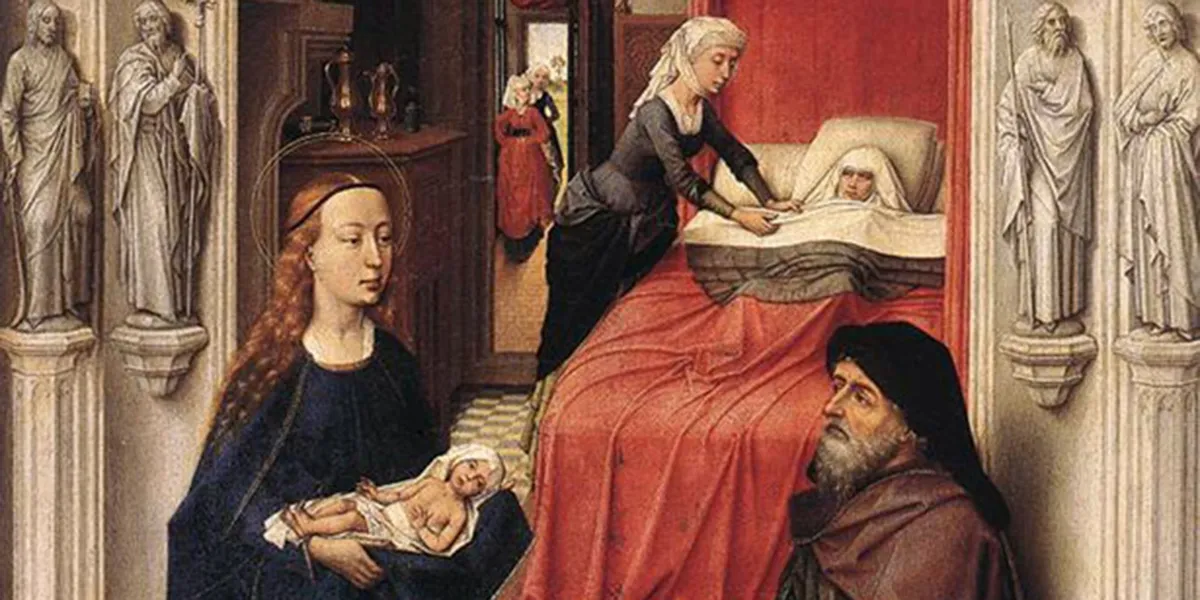
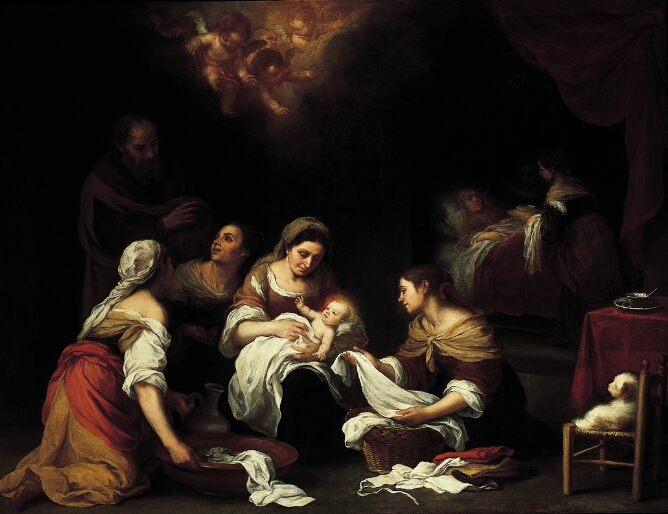
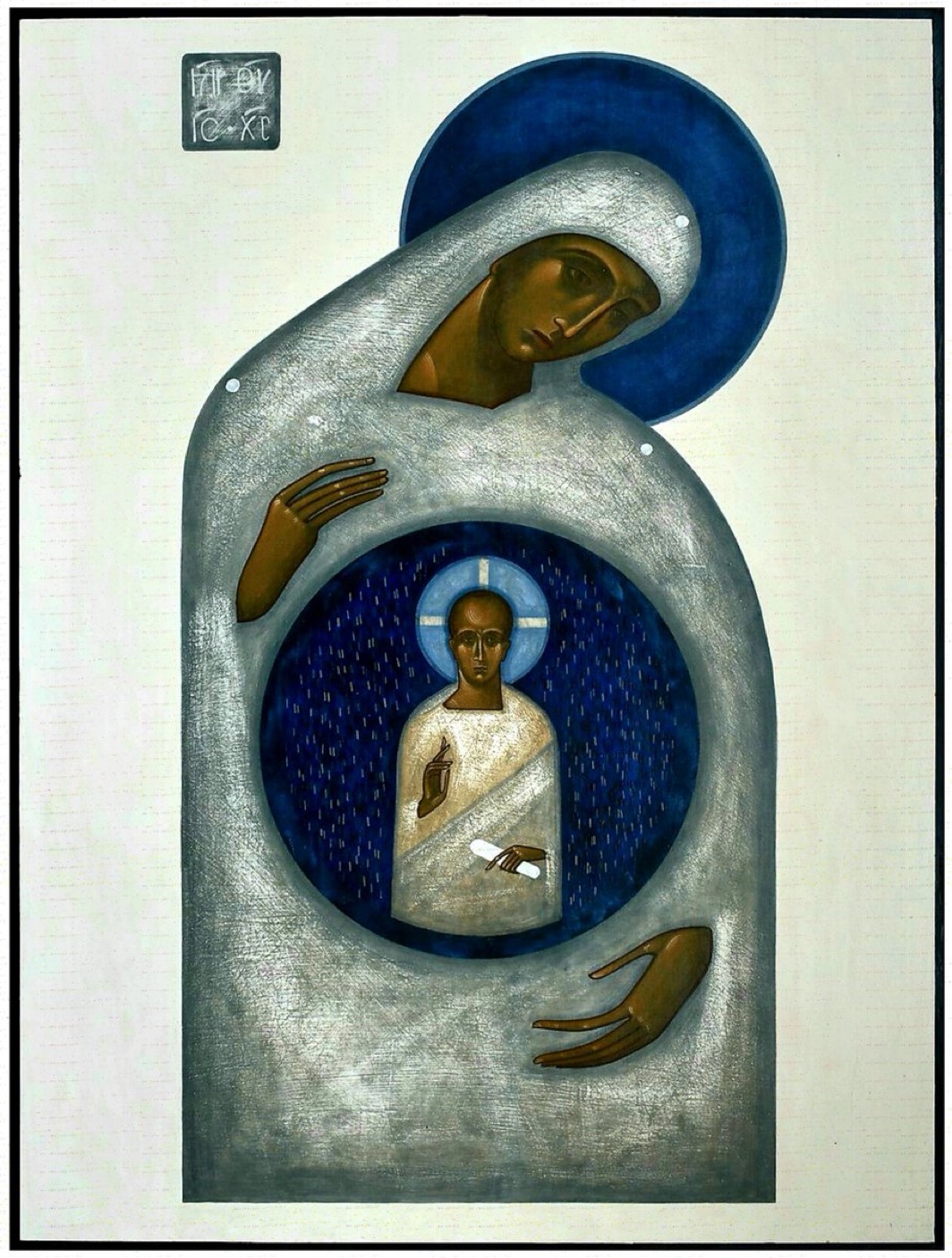
Είθε η Ευλογημένη Μητέρα μας, της οποίας την όμορφη γέννηση θα εορτάσουμε αύριο (για εμάς τους Μαρωνίτες, θυμόμαστε την Κυρία μας της Μαρκί!) στις 8 Σεπτεμβρίου, να πρεσβεύει για όλους μας ώστε να γίνουμε καλύτεροι ακροατές! Αμήν.
+ Σελίμ Σφέιρ
Αρχιεπίσκοπος Μαρωνιτών Κύπρου
10 Karaiskakis Str., Acropolis, 2012 Strovolos, Cyprus, P.O.Box: 22249. 1519 Nicosia
Web: http://www.maroniteparchy.org.cy/ Email: betmorounincyprus@gmail.com
Tel: +357 22 427966 Fax: +357 22 314919
Temps de l’Epiphanie
9ème Dimanche après l’Epiphanie
Homélie de Son Excellence Mgr. Selim Sfeir
Archevêque Maronite de Chypre
Luc 16 / 19-31
Dimanche des Défunts
« Vous êtes tous les fils de la lumière, et non pas de la nuit ».
Chers frères et sœurs en Christ,
La prière pour les fidèles défunts à laquelle notre Église maronite nous invite,
chaque année avant le début du Carême, est un acte d’espérance et de foi. C’est
la foi en Dieu qui n’est pas le Dieu de la mort mais le Dieu de la vie, et que la
mort ne peut nous séparer de Son amour. Aussi notre prière pour les fidèles
défunts, qu’ils soient nos parents, nos frères et sœurs, nos enfants, nos amis,
n’est pas une sorte de tradition religieuse, ni une dévotion à un Dieu gardien
du séjour des morts, mais un acte d’espérance en Celui qui est la Résurrection
et la Vie et qui nous appelle à vivre avec Lui une relation personnelle d’amour.
Or, cette relation passe, comme nous dit l’Evangile d’aujourd’hui, par le regard
porté sur « le Lazare qui est à notre porte », ça peut être les membres de notre
famille, nos collègues de travail, nos voisins, ceux que nous ne pouvons pas
toujours supporter…comme ça peut être aussi toute personne différente de
nous par son caractère, sa religion, sa culture, sa couleur de peau et son statut
social.
L’Evangile nous invite donc à méditer sur le sens de notre vie, à découvrir son
but et à voir ce qui en fait sa valeur, à partir de de notre amour pour le Seigneur
incarné dans chaque être humain.
C’est sur cet amour que nous serons jugés au soir de notre vie comme nous le
rappelle saint Jean de la Croix. Tout ce que nous aurons fait au plus petit d’entre
les siens c’est à Lui que nous l’aurons fait. « Dis-moi quel est ton amour et je
te dirai qui tu es » (le pape saint Jean-Paul II).
Saint Paul nous rappelle que nous sommes « fils de la lumière, et non pas de
la nuit ». En effet, nous sommes tous frères et sœurs, fils de Dieu créés pour
être à la ressemblance de son Fils Jésus-Christ, Lumière du monde, qui nous
unit par son Amour et nous comble par l’Esprit Saint de Ses dons, pour être
bienveillants à l’égard de nos frères et sœurs en humanité, pour les aimer en
étant à leur service, en compatissant à leurs joies et à leurs peines, à leurs soucis
comme à leurs espoirs, à prier pour eux et à leur porter la joie de l’amour de
Dieu pour eux comme pour nous malgré nos péchés et les épreuves de la vie...
N’attendons pas d’être morts pour demander la miséricorde du Seigneur
comme ce riche de l’Evangile. Nous avons la Parole de Dieu qui nous invite à
faire miséricorde aux autres pour obtenir miséricorde du Seigneur. C’est là, la
Volonté du Seigneur et nous pourrons l’accomplir par la grâce de Dieu en actes
et non en paroles envers les autres quels qu’ils sont.
Le ciel n’est pas une récompense reçue après la mort mais cette alliance
d’amour entre le Seigneur et chacun de nous, amour reçu et amour donné aux
autres, pour que nous puissions avec eux partager la vie de Dieu en venant,
avec le fardeau de nos faiblesses et de nos insuffisances, se reposer
éternellement dans son Cœur doux et humble.
Prière :
Seigneur, nous te prions pour tous les fidèles défunts, qu’ils entrent après le
pardon de leur péché, dans le Royaume avec ton Fils qui nous unit les uns aux
autres par le mystère de son amour. Lui qui vit et règne avec Toi dans la
communion de l’Esprit Saint, pour les siècles des siècles. Amen.
† Selim Sfeir
Archevêque Maronite de Chypre
Time of the Epiphany
Eighth Sunday after Epiphany
Homily if His Excellence Msgr. Selim Sfeir
Maronite Archbishop of Cyprus
Matthew 25 / 31-46
Sunday of the Righteous and the Saints
“Come, you who are blessed by my Father.”
Dear brothers and sisters in Christ,
We are on the Second Sunday of Commemorations before entering the blessed
season of Lent. We remember the Righteous and the saints, those we know by
name and those for whom we have a particular devotion. The saints of our
country, our region or our village, but also all the saints, men and women, from
all countries and cultures, whom the Church solemnly proclaims as witnesses
of the love of God.
However, the saints do not descend from heaven like drops of winter raindrops!
Their stories are not always rosy; do we know what sufferings they have
endured? What battles have they fought? What insults have they received? But
deep down, do we really guess what their secret is? Why were they called just
and holy despite their vulnerability and their sinful condition, shared with
every human being? Why do they "receive from the hand of the Lord the
kingdom of splendor and the diadem of beauty..." as the book of Wisdom
reminds us?
Why are they part of this "assembly of the firstborn whose names are written
in heaven..." as the letter to the Hebrews emphasizes?
We find the answer by meditating on the words of the Gospel of this Sunday, the Gospel of the last judgment, the Gospel of Christ the King and Shepherd. By meditating on the words of Jesus, we may at first be a little shocked to know that God will judge us only on the basis of our love we have for Him, this God incarnate in the love of neighbor.
We will hear the voice of God, deep in our conscience, telling us: "What have you done to your brother?" And this brings us back to the story of Cain and Abel. Judgment passes through love of our neighbor, whoever he may be, lovable or repugnant... Our prayer would be in vain if we do not go to the one who cries out to us to help him stand up, listen to him and understand him, and to be patient with him without judging him and to forgive him when he has offended us.
Impossible you say! Yes, but the sanctifying grace of Christ can work wonders in us if we let it work in our hearts to make them like his, gentle and humble, if each and every one of us learns to surrender to the mercy of the Lord despite our weaknesses and our sins, so that we may live with and for others.
This is what the righteous and the saints have lived. They accomplished the will of the Lord not out of fear of judgment but out of love for this God-Love who sent His Son to save them and His Spirit to make them sons and daughters of God in the image and likeness of the only Son. For this reason, they are for us faithful witnesses of the faith, and signs of love and hope in our Christian life.
Prayer:
In celebrating all the righteous and the saints of Your Kingdom, we celebrate Lord, Your action in their lives. Like them, You call us to be holy as You are holy. We cannot do it without You. Give us Your grace, every day, to respond faithfully to our vocation to holiness and to hear You say to us: "Come, you who are blessed by my Father, enter the Kingdom...", we ask You this through the intercession of the Blessed Virgin Mary and all the saints. Amen.
† Selim Sfeir
Archevêque Maronite de Chypre
Temps de l’Epiphanie
8ème Dimanche après l’Epiphanie
Homélie de Son Excellence Mgr. Selim Sfeir
Archevêque Maronite de Chypre
Matthieu 25 / 31-46
Dimanche des Justes et des Saints
« Venez, les bénis de mon Père ».
Chers frères et soeurs en Christ,
Nous sommes au deuxième Dimanche des commémorations avant d’entrer dans le temps béni du Carême. Nous faisons mémoire des justes et des saints, ceux que nous connaissons de noms et ceux pour lesquels nous avons une dévotion particulière. Les saints de notre pays, de notre région ou de notre village, mais aussi tous les saints, hommes et femmes, de tous les pays et de toutes les cultures et que l’Eglise nous proclame solennellement comme témoins de l’amour de Dieu.
Cependant, les saints ne descendent pas du ciel comme les gouttes de pluie d’hiver ! Leurs histoires ne sont pas toujours à l'eau de rose, savons-nous que de souffrances ont-ils endurées ? Que de combats ont-ils menés ? que d’outrages ont-ils reçus ? Mais au fond, devinons-nous vraiment quel est leur secret ? Pourquoi ont-ils été appelés justes et saints en dépit de leur vulnérabilité et de leur condition pécheresse, celle partagée avec tout être humain ? Pourquoi « reçoivent-ils de la main du Seigneur le royaume de splendeur et le diadème de beauté… » comme nous le rappelle le livre de la Sagesse ?
Pourquoi font-ils partie de cette « assemblée des premiers-nés dont les noms sont inscrits dans les cieux… » comme le souligne la lettre aux hébreux ?
La réponse nous la trouvons en méditant les paroles de l’Evangile de ce dimanche, celui du jugement dernier, celui du Christ Roi et Berger. En méditant les paroles de Jésus, nous pouvons être d’abord un peu choqués de savoir que Dieu ne nous jugera que sur l’amour que nous portons pour Lui, ce Dieu incarné dans l’amour du prochain.
Nous entendrons la voix de Dieu, au fond de notre conscience, nous dire : « Qu’as-tu fait de ton frère ? » Et, cela nous renvoie à l’histoire de Caïn et Abel. Le jugement passe par l’amour du prochain, quel qu’il soit, aimable ou répugnant... Notre prière serait vaine si nous n’allons pas vers celui qui qui crie vers nous pour l’aider à se relever, l’écouter et le comprendre, et à patienter à son égard sans le juger et à lui pardonner quand il nous aura offensé.
Impossible me direz-vous ! Oui mais la grâce sanctifiante du Christ peut faire en nous des merveilles si nous le laissons travailler dans nos coeurs pour le rendre semblable au sien, doux et humble, si chacun et chacune de nous apprend à s’abandonner à la miséricorde du Seigneur en dépit de nos faiblesses et de nos péchés, pour que nous puissions vivre avec et pour les autres.
C’est ce que les justes et les saints ont vécu. Ils ont accompli la volonté du Seigneur non par peur du jugement mais par amour de ce Dieu-Amour qui a envoyé Son Fils les sauver et Son Esprit les rendre fils et filles de Dieu à l’image du Fils unique et selon sa ressemblance. Pour cela, ils sont pour nous témoins fidèles de la foi, et signes d’amour et d’espérance dans notre vie chrétienne.
Prière : En célébrant tous les justes et les saints de Ton Royaume, nous célébrons Seigneur, ton action dans leur vie. Comme eux, tu nous appelles à être saints comme toi-même es saint. Nous ne pouvons y parvenir sans toi. Donne-nous Ta grâce, tous les jours, pour répondre fidèlement à notre vocation à la sainteté et t’entendre nous dire : « Venez, les bénis de mon Père, entrez dans le Royaume… », nous te le demandons par l’intercession de la bienheureuse Vierge Marie et de tous les saints. Amen
† Selim Sfeir
Archevêque Maronite de Chypre
Περίοδος των Θεοφανείων
8η Κυριακή μετά τα Θεοφάνεια
Ομιλία του Σεβασμιοτάτου Αρχιεπισκόπου Μαρωνιτών Κύπρου
κ. Σελίμ Σφέιρ
Ματθαίος 25 / 31-46
Κυριακή των οσίων και των δικαίων
«Ελάτε, οι ευλογημένοι του Πατέρα μου».
Αγαπητά εν Χριστώ αδέλφια,
Αυτή είναι η δεύτερη Κυριακή των εορτασμών πριν εισέλθουμε στην
ευλογημένη περίοδο της Σαρακοστής. Θυμόμαστε τους οσίους και τους
δικαίους, αυτούς που γνωρίζουμε ονομαστικά και αυτούς για τους οποίους
έχουμε μια ιδιαίτερη αφοσίωση. Τους αγίους της χώρας μας, της περιοχής μας
ή του χωριού μας, αλλά και όλους τους αγίους, άνδρες και γυναίκες, από κάθε
χώρα και κάθε πολιτισμό, τους οποίους η Εκκλησία ανακηρύσσει πανηγυρικά
ως μάρτυρες της αγάπης του Θεού.
Ωστόσο, οι άγιοι δεν πέφτουν από τον ουρανό όπως οι σταγόνες της χειμερινής
βροχής! Οι ιστορίες τους δεν είναι πάντα τόσο ρόδινες. Γνωρίζουμε πόσα
δεινά υπέστησαν; Πόσες μάχες έδωσαν; Πόσες προσβολές δέχτηκαν; Αλλά
βαθιά μέσα μας, ξέρουμε πραγματικά ποιο είναι το μυστικό τους; Γιατί
ονομάστηκαν όσιοι και άγιοι παρά την ευπάθεια και την αμαρτωλή τους
κατάσταση, που μοιράζονται με κάθε άνθρωπο; Γιατί «λαμβάνουν από το χέρι
του Κυρίου τη βασιλεία της λαμπρότητας και το διάδημα της ομορφιάς...»,
όπως μας υπενθυμίζει το βιβλίο της Σοφίας;
Γιατί είναι μέρος αυτής της «συνάθροισης των πρωτοτόκων, των οποίων τα
ονόματα είναι γραμμένα στον ουρανό...», όπως το θέτει η επιστολή προς
Εβραίους;
Μπορούμε να βρούμε την απάντηση διαλογιζόμενοι τα λόγια του Ευαγγελίου
αυτής της Κυριακής, του Ευαγγελίου της Κρίσεως, του Ευαγγελίου του Ιησού
Χριστού Βασιλιά και Ποιμένα. Διαλογιζόμενοι τα λόγια του Ιησού, μπορεί
αρχικά να σοκαριστούμε λίγο όταν μάθουμε ότι ο Θεός θα μας κρίνει μόνο με
βάση την αγάπη που τρέφουμε γι' Αυτόν, αυτόν τον Θεό που ενσαρκώνεται
στην αγάπη του πλησίον μας.
Θα ακούσουμε τη φωνή του Θεού, στα βάθη της συνείδησής μας, να μας λέει:
«Τι έκανες στον αδελφό σου;» Και αυτό μας φέρνει πίσω στην ιστορία του
Κάιν και του Άβελ. Η κρίση έρχεται μέσα από την αγάπη για τον πλησίον μας,
όποιος κι αν είναι αυτός, είτε είναι αξιαγάπητος είτε αποκρουστικός... Η
προσευχή μας θα ήταν μάταιη αν δεν πηγαίναμε σε αυτόν που μας φωνάζει να
τον βοηθήσουμε να σηκωθεί, να τον ακούσουμε και να τον καταλάβουμε, να
κάνουμε υπομονή μαζί του χωρίς να τον κρίνουμε και να τον συγχωρήσουμε
όταν μας έχει προσβάλει.
Αδύνατον, θα πείτε! Ναι, αλλά η αγιαστική χάρη του Χριστού μπορεί να κάνει
θαύματα μέσα μας, αν τον αφήσουμε να εργαστεί στις καρδιές μας για να τις
κάνει σαν την δική Του, ευγενική και ταπεινή, αν ο καθένας από εμάς μάθει να
παραδίδεται στο έλεος του Κυρίου παρά τις αδυναμίες και τις αμαρτίες του,
ώστε να μπορούμε να ζούμε με τους άλλους και για τους άλλους.
Αυτό έχουν βιώσει οι όσιοι και οι δίκαιοι. Έκαναν το θέλημα του Κυρίου, όχι
από φόβο για την κρίση, αλλά από αγάπη γι' αυτόν τον Θεό της Αγάπης που
έστειλε τον Υιό Του για να τους σώσει και το Πνεύμα Του για να τους κάνει
γιους και θυγατέρες του Θεού κατ' εικόνα και ομοίωση του μοναδικού Του
Υιού. Για τον λόγο αυτό, αποτελούν για εμάς πιστούς μάρτυρες της πίστης και
σημεία αγάπης και ελπίδας στη χριστιανική μας ζωή.
Προσευχή : Γιορτάζοντας όλους τους οσίους και τους δικαίους της Βασιλείας
Σου, γιορτάζουμε, Κύριε, τη δράση Σου στη ζωή τους. Όπως και αυτούς, μας
καλείς να είμαστε άγιοι, όπως Εσύ ο ίδιος είσαι Άγιος. Δεν μπορούμε να το
επιτύχουμε αυτό χωρίς Εσένα. Δώσε μας τη χάρη Σου, κάθε μέρα, να
ανταποκρινόμαστε πιστά στην κλήση μας για αγιότητα και να Σε ακούμε να
μας λες: «Ελάτε, ευλογημένοι του Πατέρα μου, εισέλθετε στη Βασιλεία...»
Το ζητάμε αυτό με τη μεσολάβηση της Υπεραγίας Θεοτόκου και όλων των
αγίων. Αμήν.
† Σελίμ Σφέιρ
Αρχιεπίσκοπος Μαρωνιτών Κύπρου
10 Karaiskakis Str., Acropolis, 2012 Strovolos, Cyprus, P.O.Box: 22249. 1519 Nicosia
Web: http://www.maroniteparchy.org.cy/ Email: betmorounincyprus@gmail.com
Tel: +357 22 427966 Fax: +357 22 314919
Περιόδος των Θεοφανείων
7η Κυριακή μετά τα Θεοφάνεια
Ομιλία του Σεβασμιοτάτου Αρχιεπισκόπου Μαρωνιτών Κύπρου
κ. Σελίμ Σφέιρ
Λουκάς 12 / 42-48
Κυριακή των Ιερέων
Αγαπητά εν Χριστώ αδέλφια
«Μην αφήνεις το εσωτερικό σου χάρισμα.»
Μετά το διαλογισμό της κλήσης μας με το βάπτισμα κατά την περίοδο των Θεοφανείων και ως εισαγωγή στην περίοδο της Σαρακοστής, η μαρωνίτικη λειτουργία μας ξεχωρίζει μνημονεύοντας τους βαπτισμένους που, αφού έζησαν την πίστη και την ελπίδα τους στον Αναστημένο Χριστό, κοιμήθηκαν με την ελπίδα της ανάστασής Του και κλήθηκαν να Τον συναντήσουν στη Βασιλεία Του σε κοινωνία με την Υπεραγία Θεοτόκο και όλους τους αγίους όλων των εποχών.
Η πρώτη Κυριακή είναι αφιερωμένη σε εκείνους που αφιέρωσαν τον εαυτό τους ως πιστοί διαχειριστές για να υπηρετήσουν τον Κύριό τους: δηλαδή τους ιερείς- η δεύτερη Κυριακή είναι αφιερωμένη στη μνήμη όλων των δικαίων και των αγίων που τοποθέτησαν τις καρδιές τους στον θησαυρό της αιώνιας ζωής ζώντας μια ζωή προσαρμοσμένη στο θέλημα του Κυρίου- και τέλος, η τρίτη Κυριακή είναι αφιερωμένη στη μνήμη όλων των πιστών κεκοιμημένων που περιμένουν να συναντήσουν τον Κύριο στη Βασιλεία Του για να απολαύσουν την αιώνια μακαριότητα.
Κουβαλώντας τον θησαυρό της ζωής εν Χριστώ, του Κυρίου μας, σε μια καρδιά εύθραυστη αλλά γεμάτη αγάπη, προσευχόμαστε για τους αποθανόντες ιερείς μας που υπηρέτησαν την Εκκλησία μας στην Κύπρο. Παρά τις αδυναμίες και τους περιορισμούς τους, έζησαν ευσυνείδητα την αποστολή τους ως άγρυπνοι και πιστοί υπηρέτες, μεταδίδοντας σε μας τα Καλά Νέα με το παράδειγμα της ζωής τους, με τις αδελφικές τους χειρονομίες σε καθημερινή βάση, με τη συμπόνια τους για όλους, με τη χαρά που έσπερναν στις καρδιές των ανθρώπων, με την παρηγοριά που έδιναν στους εν Χριστώ αδελφούς τους σε στιγμές δυστυχίας και με την ειρήνη που προσπαθούσαν να κηρύξουν εκεί που κυριαρχούσαν οι συγκρούσεις...
Μεταφέρουμε τη δάδα της πίστης μετά από αυτούς. Είθε η μαρτυρία και η πίστη τους να μας εμπνεύσουν να ζήσουμε την ιερατική μας κλήση με την ίδια αφοσίωση και τον ίδιο ιεραποστολικό ζήλο. Είθε να παραμείνουμε με το ένδυμα της υπηρεσίας, κρατώντας τις λάμπες μας αναμμένες από το φως της χάρης του Χριστού.
Έχοντας αυτό κατά νου, ας προσευχηθούμε αυτή την Κυριακή για τους ιερείς της επισκοπής μας, για αυτούς τους νέους υπηρέτες που κλήθηκαν να υπηρετήσουν τα παιδιά της Εκκλησίας μας στην Κύπρο, ώστε να μπορούν και αυτοί να διακηρύξουν πιστά και αφοσιωμένα το Λόγο του Θεού, δίνοντάς μας το σώμα και το αίμα του Χριστού ως τροφή για τη σωτηρία μας. Είθε να εκπληρώσουν την αποστολή τους περισσότερο με τη μαρτυρία της ζωής τους παρά με τα λόγια τους.
Ας προσευχηθούμε στον Κύριο του θερισμού να μας δώσει ευσεβείς οικογένειες που προσεύχονται και μεταδίδουν στα παιδιά τους την αγάπη του Θεού και του πλησίον, πατέρες και μητέρες που προσεύχονται για τα παιδιά τους, ώστε μια μέρα να ανακαλύψουν το κάλεσμα του Θεού να τον ακολουθήσουν και να αφιερωθούν στην υπηρεσία της Εκκλησίας του.
Προσευχή: Κύριε, προσευχόμαστε σε σένα με όλους τους αγαπητούς μας αποθανόντες ιερείς, δέξου τους στη Βασιλεία Σου συγχωρώντας τις αδυναμίες τους, ώστε να εισέλθουν στην αιώνια χαρά Σου. Προσευχόμαστε επίσης για τους ιερείς μας, ώστε να τους αγιάζεις με τη χάρη σου κάθε μέρα και να τους δίνεις τη δυνατότητα να ζουν πιστά την αποστολή τους με τη χάρη του χαρίσματος που έλαβαν από σένα χωρίς αξία. Αμήν.
† Σελίμ Σφέιρ
Αρχιεπίσκοπος Μαρωνιτών Κύπρου
Time of the Epiphany
Seventh Sunday after Epiphany
Homily of His Excellency Selim Sfeir
Maronite Archbishop of Cyprus
Luke 12 / 42-48
Priests' Sunday
Dear brothers and sisters in Christ,
"Do not forsake the charism within you".
After meditating on our baptismal vocation during the Epiphany season,
and as an introduction to the Lenten season, our Maronite liturgy
distinguishes itself by commemorating the baptized who, having lived out
their faith and hope in the Risen Christ, fell asleep in the hope of His
resurrection and have been called to join Him in His Kingdom in
communion with the Blessed Virgin Mary and all the saints of all times.
The first Sunday is dedicated to those who have consecrated themselves
as faithful stewards to serve their Master: namely the priests, the second
Sunday is dedicated to the memory of all the righteous and the saints who
have placed their hearts on the treasure of eternal life by leading a life
adjusted to the Lord's will. And finally, the third Sunday is dedicated to
the commemoration of all the faithful departed who are waiting to join the
Lord in His Kingdom to enjoy eternal blessedness.
Carrying this treasure of life in Christ Our Lord in a fragile but loving
heart, we pray for our deceased priests who served our Church in Cyprus.
Despite their weaknesses and limitations, they lived, with full awareness,
their mission as vigilant and faithful servants, transmitting the Good News
to us through the example of their lives, through their fraternal gestures in daily life, through their compassion for all, through the joy they sowed in hearts, through the consolation they gave to their brothers and sisters in Christ in times of distress, and through the peace they tried to preach where conflict prevailed...
We carry the torch of faith after them. May their witness and fidelity encourage us, in turn, to live our priestly vocation with the same dedication and missionary zeal. May we remain dressed for service, keeping our lamps lit by the light of Christ's grace.
With this intention, let us pray this Sunday for the priests of our diocese, for these new servants called to serve the children of our Church in Cyprus, so that they too may faithfully and devotedly proclaim the Word of God, giving us the body and blood of Christ as food for our salvation. May they fulfill their mission more through the witness of their lives than by their words.
Let us pray to the Master of the Harvest to give us pious families who pray and pass on to their children the love of God and neighbor, fathers and mothers who pray for their children so that one day they may discover God's call to follow Him and dedicate themselves to the service of His Church.
Prayer:
Lord, we pray to you with all our dear deceased priests, receive them into your Kingdom by forgiving their weakness so that they may enter into your eternal joy. We also pray for our priests to sanctify them with your grace every day, and help them to live their mission faithfully by the grace of the charisma they have received from you without merit. Amen.
† Selim Sfeir
Maronite Archbishop of Cyprus
Temps de l’Epiphanie
7ème Dimanche après l’Epiphanie
Homélie de Son Excellence Mgr. Selim Sfeir
Archevêque Maronite de Chypre
Luc 12 / 42-48
Dimanche des Prêtres
Chers frères et sœurs en Christ,
« Ne délaisse pas le charisme qui est en toi »
Après avoir médité sur notre vocation baptismale durant le temps de
l’Epiphanie, et en introduction au temps du Carême, notre liturgie
maronite se distingue en commémorant les baptisés qui, après avoir vécu
leur foi et leur espérance en Christ Ressuscité, se sont endormis dans
l’espérance de Sa résurrection et ont été appelés à le joindre dans Son
Royaume en communion avec la bienheureuse Vierge Marie et tous les
saints de tous les temps.
Le premier dimanche est consacré à ceux qui se sont consacrés comme
intendants fidèles à servir leur Maitre : à savoir les prêtres, le second dimanche
est dédié à la mémoire de tous les justes et les saints qui ont mis leur cœur dans
le trésor de la vie éternelle en menant une vie ajustée à la volonté du Seigneur
et enfin, le troisième dimanche est consacré à la commémoration de tous les
fidèles défunts qui attendent de joindre le Seigneur dans Son Royaume pour
jouir de la béatification éternelle.
Portant ce trésor qu’est la vie en Christ Notre Seigneur dans un cœur fragile
mais plein d’amour, nous prions pour nos prêtres défunts qui ont servi notre
Eglise à Chypre. En dépit de leurs faiblesses et leurs limites, ils ont vécu, en
toute conscience, leur mission comme des serviteurs vigilants et fidèles, ils
nous ont transmis la Bonne Nouvelle par l’exemple de leur vie, par leur gestes
fraternels au quotidien, par leur compassion à l’égard de tous, par la joie qu’ils
ont semée dans les cœurs, par la consolation qu’ils ont procurée à leurs frères
et sœurs en Christ au moment de la détresse et par la paix qu’ils ont essayé de
prêcher là où régnaient les conflits…
Nous portons après eux le flambeau de la foi. Puissent leur témoignage et leur
fidélité nous inciter à vivre, à notre tour, notre vocation sacerdotale dans le
même dévouement et dans le même élan missionnaire. Puissions-nous rester
en tenue de service, gardant nos lampes allumées par la lumière de la grâce du
Christ.
A cette intention, prions en ce dimanche pour les prêtres de notre diocèse, pour
ces nouveaux serviteurs appelés à servir les enfants de notre Eglise à Chypre
afin qu’ils puissent eux aussi proclamer fidèlement et avec dévouement la
Parole de Dieu en nous donnant le corps et le sang du Christ comme nourriture
pour notre salut. Qu’ils puissent remplir leur mission plus par le témoignage
de leur vie que par leurs paroles.
Prions le Maitre de la moisson, de nous donner des familles pieuses qui prient
et qui transmettent à leurs enfants, l’amour de Dieu et du prochain, des pères
et des mères qui prient pour leurs enfants afin qu’ils puissent découvrir un jour
l’appel de Dieu pour le suivre et se consacrer au service de Son Eglise.
Prière :
Seigneur nous te prions avec tous nos chers prêtres défunts, reçois-les dans ton
Royaume en pardonnant leur faiblesse afin qu’ils entrent dans ta joie éternelle.
Nous te prions également pour nos prêtres afin de les sanctifier par ta grâce
tous les jours et de leur donner de vivre fidèlement leur mission par la grâce du
charisme qu’ils ont reçu de Toi sans mérite. Amen.
† Selim Sfeir
Archevêque Maronite de Chypre
Περίοδος των Θεοφανίων
6η Κυριακή μετά τα Θεοφάνια
Ομιλία του Σεβασμιοτάτου Αρχιεπισκόπου Μαρωνιτών Κύπρου
κ. Σελίμ Σφέιρ
Ιωάννης 1 / 29 – 34
«Ιδού ο Αμνός του Θεού που παίρνει μακριά τις αμαρτίες του κόσμου.»
Αγαπητά εν Χριστώ αδέλφια,
Όταν ο Ιωάννης, ο Πρόδρομος, είδε τον Ιησού να έρχεται προς το μέρος
του, είπε: «Αυτός είναι ο Αμνός του Θεού, που παίρνει μακριά τις
αμαρτίες του κόσμου.» Και βεβαιώνει, με μεγάλη ταπεινότητα, ότι ήταν
αυτός που είπε: «Έρχεται μετά από μένα αυτός που είναι μεγαλύτερος
από μένα, γιατί ήταν πριν από μένα. Εγώ δεν τον γνώριζα- ήρθα να Τον
βαφτίσω με νερό ώστε να εμφανιστεί στον Ισραήλ.»
Τότε ο Ιωάννης ο Βαπτιστής μαρτυρούσε την παρουσία της Αγίας
Τριάδας στον Ιορδάνη. Και η μαρτυρία του κατέληγε με το «Αυτός είναι
ο Υιός του Θεού.» Ο Πρόδρομος εκπλήρωσε την αποστολή του και έδωσε
μαρτυρία υποδεικνύοντας τον Ιησού στους μαθητές του.
Είναι πλέον στο χέρι μας να επενδύσουμε στην αποστολή μας να γίνουμε
μάρτυρες και δείκτες του Ιησού. Μέσα από τη ζωή μας, τα λόγια και τις
πράξεις μας, μέσα από τη στάση μας για ειρήνη και συμφιλίωση, ας
δείξουμε το δρόμο στους συγχρόνους μας, ώστε να ακολουθήσουν τα
βήματα του Ιησού και με τη σειρά τους να γίνουν οπαδοί και μάρτυρες
Του. Δεν ήταν αυτός που μας είπε: «Να είστε μάρτυρές μου μέχρι το τέλος
του κόσμου;»
Η αποστολή μας έχει χαρτογραφηθεί και οι πράξεις μας που δοξάζουν
το όνομα του Ιησού έχουν υποδειχθεί, οπότε αυτό που απομένει να
κάνουμε είναι να λάβουμε σοβαρά υπόψη μας αυτή την πρόσκληση του
Ιησού να τον ακολουθήσουμε και να μαρτυρήσουμε με χαρά το γεγονός
ότι είναι ο μόνος που μπορεί πραγματικά να γεμίσει μια ζωή.
Προσευχή:
Ναι, Κύριε, αυτή την ευλογημένη ημέρα ερχόμαστε σε Σένα. Δίδαξέ μας
να ακούμε τις διδασκαλίες του Πνεύματός Σου της αλήθειας και του
φωτός και δώσε μας τη δύναμη να Σε ακολουθήσουμε στη μαρτυρία ότι
είσαι ο Αμνός του Θεού που μας απελευθερώνει από όλα μας τα
σφάλματα και μας δίνει τη δυνατότητα να γίνουμε εκείνοι που επιλέγουν
μια αληθινή αλλαγή σε αυτόν τον κόσμο.
Δόξα σ' εσένα, Υιέ του Θεού, που ήρθες να μας σώσεις. Αμήν.
† Σελίμ Σφέιρ
Αρχιεπίσκοπος Μαρωνιτών Κύπρου
Time of the Epiphany
Sixth Sunday after Epiphany
Homily of His Excellency Selim Sfeir
Maronite Archbishop of Cyprus
John 1 / 29 – 34
"Behold the Lamb of God who takes away the sin of the world".
Dear brothers and sisters in Christ,
John, the precursor, says when seeing Jesus coming toward him, "Behold
the Lamb of God who takes away the sin of the world". And he affirms,
with great humility, that it is about him that he has said, "He comes after
me who is greater than I, for he was before me. I did not know him; I came
to baptize in water so that he would appear to Israel.
Then John the Baptist goes on to testify to the presence of the Holy Trinity
on the Jordan. And his testimony concludes with "He is the Son of God".
The Precursor has fulfilled his mission and has testified by pointing Jesus
to his disciples.
It is now up to us to feel invested with the mission of witnessing and
indicators of Jesus. Through our life, our words and our actions, through
our attitudes of peace and reconciliation, let us show the way to our
contemporaries, so that they may follow Jesus and become his followers
and witnesses. Is it not he who told us, "Be my witnesses to the end of
time"?
Our mission is outlined and our actions that glorify the name of Jesus are
indicated, so what remains for us to do is to take seriously this call from
Jesus to follow him, and joyfully bear witness that he is the only one who
can truly fill a life.
Prayer
Yes Lord, on this blessed day, we come to you. Teach us to listen to the
teachings of your Spirit of truth and light, and give us the strength to
follow you by testifying that you are the Lamb of God who frees us from
all our faults and who gives us to be those who opt for a real change in
this world.
Praised be you, Son of God, who came to save us.
† Selim Sfeir
Maronite Archbishop of Cyprus
Dear brothers and sisters in Christ,
The Canonization of Blessed Giorgio Frassati and Blessed Carlos Acutis.
Today in the holy city of Rome, our beloved Holy Father, Pope Leo XIV will solemnly elevate for the whole Church two new saints, Giorgio Frassati and Carlos Acutis. Both of these young men died very young, yet in their brief journey, they show that living for Christ takes nothing away from life but fills it with meaning and joy.
The saints are the experts in listening. Like Mary of Bethany, the saints are attentive to the voice of Christ. They hear Him in the reading of the Gospel, they hear Him in the voice of the Church’s teaching, they hear Him in the voices of the poor and the immigrant, they hear Him in the silence of the Blessed Sacrament. The saints don’t just hear Jesus, they listen to Him. This work of listening is to discover the voice of Christ in those right beside us, in our families and our place of work. It's also about trying to hear the voice of Christ in our contemporaries, some of whom are far from the Church. Even in their estrangement, they are creatures of Logos, of reason, and can be unwitting transmitters of the truth. We need to have hearts and ears capable of hearing Christ speaking from the most unlikely places.
Poor Martha in her busy kitchen of Bethany could hear Christ speaking in the other room, but she was so distracted, she couldn’t listen. She got focused on her problems, her difficulties and her failures. She was listening to herself and only hearing Jesus from a distance.
The Divine Logos created the human body as a custom designed parable: we have two ears and one mouth. God is showing us that we have to do twice as much listening as we do speaking and listening is twice as hard as talking.
May our Blessed Mother, who’s beautiful birthday we shall celebrate tomorrow (for us Maronites, we think of our Lady of Mankee!) on September 8th, intercede for all of us to be betters listeners!
† Selim Sfeir
Maronite Archbishop of Cyprus
Αγαπητά εν Χριστώ αδέλφια,
Τότε ο Ιησούς του είπε: «Κάποιος έδωσε ένα μεγάλο δείπνο και προσκάλεσε πολλούς. Όταν ήρθε η ώρα του δείπνου, έστειλε τον δούλο του να πει στους προσκεκλημένους: «Ελάτε, γιατί όλα είναι έτοιμα τώρα». Καθώς συμμετέχουμε σε αυτή την ευλογημένη γιορτή της ανανέωσης της θυσίας του Ιησού Χριστού, μας συνοδεύει, όπως αρέσκεται να λέει ο Άγιος Ιωάννης ο Χρυσόστομος, μια μεγάλη ομήγυρη αγγέλων.
Αυτή η εκκλησία, αφιερωμένη στον Αρχάγγελο Μιχαήλ, έχει σίγουρα το δικαίωμα να πιστεύει ότι αυτός ο μεγάλος στρατηλάτης των ουράνιων στρατευμάτων είναι παρών εδώ μαζί μας, προσφέροντας τη λατρεία του στην Αγία Τριάδα. Τον χαιρετούμε και τον ευχαριστούμε για την προστασία του. Ο Κύριός μας στο Ευαγγέλιο, μας εξιστορεί μια παραβολή για κάποιον που παρέθεσε ένα μεγάλο δείπνο. Ο Κύριός μας συνεχίζει περιγράφοντας πώς οι καλεσμένοι άρχισαν να βρίσκουν δικαιολογίες και να απαλλάσσονται από αυτό το μεγάλο συμπόσιο. Αυτή η παραβολή απευθυνόταν ως επίπληξη στους Ιουδαίους για την άρνησή τους να πιστέψουν και να δεχτούν τον Μεσσία τους. Ο Ιησούς Χριστός είναι η εκπλήρωση όλων των προφητειών και υποσχέσεων της Παλαιάς Διαθήκης. Ένα μέρος του Ισραήλ δέχτηκε τον Χριστό και έγινε η Καθολική Εκκλησία, αλλά η παραβολή είναι πολύ σαφής, πολλοί από τον ίδιο τον λαό του Κυρίου μας δεν Τον δέχτηκαν.
Θα ήθελα να προσαρμόσω αυτή την παραβολή στην παρούσα κατάσταση. Βρισκόμαστε εδώ, στην σεβάσμια παλιά εκκλησία του Αρχαγγέλου Μιχαήλ στον Ασώματο. Το συμπόσιο της Θυσίας του Κυρίου μας, η μεγαλύτερη από όλες τις γιορτές, είναι έτοιμο μπροστά μας. Είναι αλήθεια ότι μπορούμε να παρακολουθήσουμε τη Θεία Λειτουργία σε οποιοδήποτε άλλο μέρος, γιατί όπου ένας έγκυρα χειροτονημένος ιερέας με δικαιοδοσία, χρησιμοποιώντας τις εγκεκριμένες λέξεις της αφιέρωσης, με την πρόθεση να κάνει ό,τι κάνει η Εκκλησία, και χρησιμοποιώντας τα κατάλληλα συστατικά του ψωμιού και του κρασιού, προσφέρει τη Θυσία της Θείας Λειτουργίας, εκεί μπορούμε να παρακολουθήσουμε τη Θεία Λειτουργία και να λάβουμε την Θεία Κοινωνία. Αλλά θέλω να επιμείνω ότι είναι πολύ σημαντικό να παρακολουθούμε τη Θεία Λειτουργία εδώ στον Ασώματο και στα παραδοσιακά μαρωνιτικά χωριά μας όσο πιο συχνά μπορούμε.
Η Κατήχηση της Καθολικής Εκκλησίας, παράγραφος 2471, αναφέρει: «Ενώπιον του Πιλάτου, ο Χριστός διακηρύσσει ότι «ήρθε στον κόσμο για να μαρτυρήσει την αλήθεια». Ο χριστιανός δεν πρέπει λοιπόν να ντρέπεται να μαρτυρήσει τον Κύριό μας. Σε καταστάσεις που απαιτούν μαρτυρία της πίστης, ο χριστιανός πρέπει να την ομολογεί χωρίς αμφιβολία, ακολουθώντας το παράδειγμα του Αποστόλου Παύλου ενώπιον των δικαστών του».
Όταν σκεφτόμαστε καταστάσεις σε όλο τον κόσμο, μπορούμε εύκολα να φανταστούμε τους μακρινούς αδελφούς και αδελφές μας στον Χριστό να υποβάλλονται σε μια πραγματική δοκιμασία. Αλλά και εμείς εδώ στον Ασώματο αλλά και στην Αγία Μαρίνα έχουμε μια δοκιμασία, ένα είδος δοκιμασίας. Θα μαρτυρήσουμε τον Κύριό μας μπροστά στους γείτονές μας; Πολλοί από αυτούς που βρίσκονται τώρα σε αυτό το χωριό δεν είναι βαπτισμένοι, αλλά έχουν δικαίωμα στη μαρτυρία μας, στην κατάθεσή μας. Η μαρτυρία μας δεν είναι πολιτική ή ιδεολογική. Δεν είμαστε εδώ σε μια πράξη ανυπακοής ή αντίστασης. Είμαστε εδώ επειδή είμαστε μέρος του Σώματος του Χριστού, και ο Χριστός είναι πάντα στραμμένος προς τον Πατέρα. Κοιτάζοντας τον Πατέρα μαζί με τον Χριστό, βλέπουμε κάθε άνθρωπο ως αδελφό και αδελφή μας. Γι' αυτό καμία κυβέρνηση δεν πρέπει ποτέ να φοβάται το έργο της Εκκλησίας.
Ναι, μπορούμε να λάβουμε τα μυστήρια πιο εύκολα στις τοπικές ενοριακές εκκλησίες μας, αλλά αν παραμελούμε τις εκκλησίες του χωριού μας, παραμελούμε όλες τις ψυχές που ζουν εδώ. Ένα από τα συγκεκριμένα σημάδια της καρποφορίας των Μυστηρίων είναι η οικοδόμηση της ανθρώπινης αδελφότητας. Ολόκληρος ο κόσμος χρειάζεται περισσότερη αδελφότητα, φιλία και καλοσύνη. Η παρουσία μας εδώ πρέπει να γίνει κατανοητή από αυτή τη θέση. Βρισκόμαστε εδώ επειδή μόνο ο Αναστημένος Χριστός είναι ικανός να ανακουφίσει τα βάσανα της πληγωμένης ανθρωπότητας (Πάπας Φραγκίσκος). Πιστεύω ακράδαντα ότι αυτή η θέση θα προσελκύσει τους νέους μας να επιστρέψουν στα χωριά.
Αν κάνουμε το λάθος των προσώπων της παραβολής και βρούμε δικαιολογίες, όπως «η σειρά είναι πολύ μεγάλη», «όλο και λιγότεροι άνθρωποι πηγαίνουν», «δεν έχει νόημα»... αυτό συμβαίνει επειδή έχουμε χάσει την υπομονή μας με τον Θεό. Ο Θεός εργάζεται πάντα, και συχνά είναι σαν ψίθυρος και πολύ σιωπηλός, αλλά εργάζεται. Αν εγκαταλείψουμε τον Ασώματο, την Αγία Μαρίνα, την Καρπάσια ή τον Κορμακίτη, θα είναι ένα σημάδι ότι έχουμε κουραστεί να περιμένουμε τον Θεό να κάνει κάτι.
Όταν δούμε τους αγαπημένους μας προγόνους στην αιωνιότητα, θα είναι ανυπόμονοι να δουν πώς περάσαμε τη χριστιανική μας ζωή. Ας μην τους απογοητεύσουμε λέγοντας ότι κουραστήκαμε να περιμένουμε τον Θεό να δράσει.
Ας μας ανοίξει η Μαρία, Βασίλισσα των Αγγέλων και Βασίλισσα του Ασωμάτου, την πόρτα του Ιερού Οίκου της Ναζαρέτ, ώστε να ανακαλύψουμε πώς ένα μικρό σπίτι, σε ένα ξεχασμένο χωριό, μπορεί πράγματι να αλλάξει τον κόσμο. Αμήν.
+ Σελίμ Σφέιρ
Αρχιεπίσκοπος Μαρωνιτών Κύπρου
Dear brothers and sisters in Christ,
“Then Jesus said to him, ‘Someone gave a great dinner and invited many. At the time for the dinner he sent his slave to say to those who had been invited, “Come, for everything is ready now.”
As we join in this blessed celebration of the unbloody renewal of the Sacrifice of Jesus Christ, we are accompanied, as St. John Chrysostom loved to say, with a great host of angels. This church, dedicated to St. Michael, surely has the right to believe that this great general of the heavenly hosts is present here with us, offering his adoration to the Blessed Trinity. We salute him and thank him for his protection.
Our Lord in the gospel tells us a parable about someone who gave a great dinner. Our Lord goes on to describe how the invited guests began to make excuses and exempted themselves from this great feast. This parable was directed as a reproach to the Jews for their refusal to believe and accept their Messiah. Jesus Christ is the fulfillment of all the prophecies and promises of the Old Testament. A remnant of Israel did accept Christ and they became the Catholic Church, but the parable is very explicit, many of Our Lord’s own people did not accept Him.
I would like to update this parable to our own present situation. Here we are in this venerable old church of St. Michael in Asomatos. The banquet of Our Lord’s Sacrifice, the greatest of all feasts, is set before us.
It is true, we can attend Mass in any other place, for wherever a validly ordained priest with jurisdiction, using the approved words of consecration, with the intention to do what the Church does, and using the appropriate matter of bread and wine, offers the Sacrifice of the Mass, there, we may attend the Mass and receive Holy Communion. But I want to insist that it is very important to attend Mass here in Asomatos and in our traditional Maronite villages as often as we possibly can.
The Catechism of the Catholic Church paragraph 2471 states: “Before Pilate, Christ proclaims that he ‘has come into the world, to bear witness to the truth.’ The Christian is not to be ashamed then of testifying to our Lord.’ In situations that require witness to the faith, the Christian must profess it without equivocation, after the example of St. Paul before his judges.”
When we think of situations throughout the world, we can easily imagine our far away brothers and sisters in Christ being put to a real test. But we here in Asomatos we too have a test, a trial of sorts. Will we testify to our Lord, before our neighbors? Many who are here in this village now, are not baptized but they have a right to our testimony, our witness. Our testimony is not political or ideological. We are not here in an act of defiance or opposition. We are here because we are part of the Body of Christ, and Christ is always facing the Father. By looking at the Father with Christ, we see every person as our brother and sister. This is why no government should ever fear the work of the Church.
Yes, we can obtain the sacraments more conveniently in our local parish churches, but if we neglect our village churches, we are neglecting all the souls who live here. One of the concrete signs of the fruitfulness of the Sacraments is the building of human fraternity. The whole world needs more fraternity, friendship and kindness. Our presence here must be understood from this position. We are here because only the Risen Christ is capable of alleviating the sufferings of wounded humanity (Pope Francis). I firmly believe that this position will attract our young people to return to the villages.
If we make the mistake of the persons in the parable of making excuses, “the checkpoint is too long” “there are fewer and fewer people going” “it is no use” … it is because we have lost patience with God. God is always at work, and often it is like a whisper and very silent, but He is at work.
If we abandon Asomatos, or Karpasha or Kormakitis, it will be a sign that we have grown tired of waiting for God to do something.
When we see our beloved forebears in eternity, they will be eager to see how we have spent our Christian lives. May we not disappoint them by saying we grew tired of waiting for God to act.
May Mary, Queen of the Angels, and Queen of Asomatos open for us the door of the Holy House of Nazareth so that we may discover how a tiny house, in forgotten village can indeed, change the world.
† Selim Sfeir
Maronite Archbishop of Cyprus
Αγαπητά εν Χριστώ αδέλφια,
Το ευαγγέλιο αυτής της Κυριακής είναι ένα πλούσιο κείμενο που πρέπει να μελετήσουμε αργά και με προσοχή. Ο ευαγγελιστής Λουκάς, υπό την έμπνευση του Αγίου Πνεύματος, προσπαθεί να μας διαφωτίσει σχετικά με την αποκατάσταση της Δημιουργίας που λαμβάνει χώρα με τη Λύτρωση του Ιησού Χριστού.
Μέχρι την έλευση του Χριστού, οι άνδρες και οι γυναίκες υπέφεραν τις συνέπειες της προπατορικής αμαρτίας στην συγκεκριμένη πραγματικότητα του φύλου τους. Οι άνδρες υπέφεραν τις συνέπειες της προπατορικής αμαρτίας από τα διαταραγμένα πάθη τους και το σκοτεινό μυαλό τους. Η κατάσταση αυτή ήταν τόσο σκοτεινή, ώστε οι άνδρες να βρίσκονται σε διαρκή πόλεμο με τον εαυτό τους και με τους άλλους, δημιουργώντας κοινωνίες βασισμένες στη δουλεία και τη σκληρότητα. Στις γυναίκες, οι συνέπειες της προπατορικής αμαρτίας εκδηλώνονταν με το να τις υποτιμούν και να τις μειώνουν συστηματικά. Κατηγορούμενες για τα πάντα, οι γυναίκες πριν από την έλευση του Χριστού ζούσαν μια κολασμένη ύπαρξη, αντιμετωπίζονταν ως σκλάβες της σαρκικής ηδονής και φθηνής εργασίας. Χωρίς τον Χριστό, ο κόσμος βρισκόταν σε μια τρομερή κατάσταση. Σήμερα μιλάμε για τα πολλά πλεονεκτήματα των σύγχρονων γυναικών, αλλά μια τέτοια συζήτηση είναι δυνατή μόνο επειδή το φως του Χριστού έχει φωτίσει την ανθρώπινη αξιοπρέπεια κατά τη διάρκεια των τελευταίων 2.000 ετών.
Ταυτόχρονα, ας έχουμε το θάρρος να απορρίψουμε ορισμένες ιδεολογίες που έχουν εισχωρήσει στο Σώμα του Χριστού και υπονοούν ότι οι γυναίκες και οι άνδρες είναι ακριβώς ίδιοι και ότι, για να μιλάμε για ισότητα, οι γυναίκες πρέπει να κάνουν όλα τα ίδια πράγματα με τους άνδρες. Πόσο θα γελούσαν οι πρώτες γυναίκες μαθήτριες του Χριστού με τέτοια ανοησία! Οι γυναίκες δεν είναι άνδρες και πρέπει να τους επιτρέπεται να ασκούν την ομορφιά των γυναικείων τους ιδιοτήτων στην υπηρεσία του Ευαγγελίου. Η δόξα της γυναίκας δεν είναι ότι μπορεί να κάνει τη δουλειά ενός άνδρα· η δόξα της γυναίκας είναι ότι δεν έχει καμία επιθυμία να κάνει ό,τι κάνει ένας άνδρας. Ο Χριστός, το Φως μας, λάμπει φωτεινά στο μονοπάτι των σύγχρονων γυναικών, χαρίζοντάς τους τη χάρη να απορρίψουν το πνεύμα της επανάστασης και του θύματος. Στον Χριστό, η γυναίκα φωτίζεται για να δει το μονοπάτι της και με τη χάρη του Αγίου Πνεύματος δεν βλέπει τη λέξη «υπηρεσία» ως σκλαβιά, αλλά αντιλαμβάνεται την πλήρη σημασία της ως τρόπο ταύτισης με τον Χριστό, «ο οποίος δεν ήρθε για να υπηρετηθεί, αλλά για να υπηρετήσει». ِΑμήν.
† Σελίμ Σφέιρ
Αρχιεπίσκοπος Μαρωνιτων Κύπρου
Dear brothers and sisters in Christ,
The gospel of this Sunday is a richly embroidered passage which we must meditate upon slowly and with attention. The evangelist St. Luke, under the inspiration of the Holy Spirit, seeks to enlighten us to the restoration of Creation that takes place in the Redemption of Jesus Christ.
Until the coming of Christ, men and women suffered the effects of original sin in their own gender-specific reality. Men suffered the effects of original sin by their disordered passions, and their darkened minds. So dark was this condition, that men found themselves perpetually at war with themselves and with others, crafting societies built upon slavery and cruelty. In women, the effects of original sin manifested itself in being routinely put down and diminished. Blamed for everything, women before the coming of Christ, lived a hellish existence, treated like slaves of carnal pleasure and cheap labour. Without Christ, the world was in a terrible situation. Today we speak of the many advantages of modern women, but it is only because the light of Christ has illuminated human dignity throughout the last 2,000 years that such a conversation is possible.
At the same time, let us be courageous enough to reject certain ideologies have been smuggled into the Body of Christ that imply women and men are the exact same and that in order to speak of equality, women must do all the same things as men. How the first women disciples of Christ would have laughed at such silliness!! Women are not men and they must be allowed to exercise the beauty of their feminine qualities in the service of the gospel.
The glory of woman is not that she can do a man’s job; the glory of woman is that she has no desire to do what a man does. Christ our Light shines his light brightly upon the path of modern women, bestowing grace upon them to reject the spirit of revolution and victimhood. In Christ, woman is illuminated to see her path and with the grace of the Holy Spirit she does not see the word service as slavery but rather discerns the full meaning of it as way to identification with Christ, “who came not to be served, but to serve”.
† Selim Sfeir
Maronite Archbishop of Cyprus
Αγαπητά εν Χριστώ αδέλφια,
Σε ορισμένες μεταφράσεις του σημερινού ευαγγελίου, η πρωταγωνίστρια της
ιστορίας, η Χαναανίτισσα γυναίκα, ονομάζεται επίσης Συρο-Φοινικική
γυναίκα. Ως παιδιά της Μαρωνιτικής Εκκλησίας, είμαστε ευτυχείς που
συναντάμε αυτή τη γυναίκα. Είναι η μητέρα μας στην πίστη. Οι φοινικικές
ρίζες της, σε συνδυασμό με τη συριακή κληρονομιά της και την πίστη της στον
Χριστό, την καθιστούν την πρώτη Μαρωνίτισσα στο Ευαγγέλιο. Ο
Ευαγγελιστής Ματθαίος αποτυπώνει τέλεια την ουσία της πίστης αυτής της
γυναίκας.
1) Θα κάνει τα πάντα για τα παιδιά της. Αυτή η μητέρα δεν ζητάει τίποτα
για τον εαυτό της από τον Κύριο, αλλά για την καημένη κόρη της που
έχει κυριευτεί από δαίμονα. Για έναν Μαρωνίτη, δεν υπάρχει
μεγαλύτερη κοινότητα από την οικογένεια. Αν διαφωνήσαμε με ένα ή
δύο μέλη της οικογένειάς μας, πρέπει να προσπαθήσουμε να το
διορθώσουμε όσο καλύτερα μπορούμε. Το πνευματικό μας DNA είναι
τέτοιο που εκτιμά την οικογένεια πάνω από όλα. Πρέπει να κάνουμε ό,τι
μπορούμε για να επιδιορθώσουμε τους σπασμένους οικογενειακούς
δεσμούς. Και αυτή πηγαίνει ακόμη πιο μακριά: όταν πρόκειται για τη
μετάδοση της πίστης, αυτή η γυναίκα θα κάνει ό,τι χρειαστεί για να
σώσει την κόρη της. Ας κάνουμε όλοι το καθήκον μας για να
βοηθήσουμε τους νέους μας να γνωρίσουν το Ευαγγέλιο του Χριστού
και την καθολική μας πίστη.
Αντιλήφθηκε τον πνευματικό πόλεμο που μαίνονταν. Αυτή η υπέροχη
γυναίκα δεν έφυγε από τα προβλήματά της, αλλά πήγε κατευθείαν στον
Χριστό, επειδή αναγνώρισε ότι η ρίζα του προβλήματός της ήταν
πνευματική. Ως Μαρωνίτες, μπορούμε εύκολα να πέσουμε στον
υλικότητα των σύγχρονων μας και να πιστέψουμε ότι οι δυσκολίες μας
μπορούν να λυθούν μόνο πολιτικά ή οικονομικά. Πρέπει να είμαστε πιο
οξυδερκείς και να αναγνωρίσουμε ότι η ρίζα της παρούσας κρίσης είναι
πνευματική.
3) Είχε μια ιερή αποφασιστικότητα. Οι φοινικικές της ρίζες της έδωσαν μια
ενέργεια και μια επιμονή που δεν κατέρρευσαν μπροστά στο
φαινομενικό εμπόδιο της σιωπής του Θεού. Με «αδιάκοπη
αποφασιστικότητα» ακολούθησε τον Χριστό και δεν σταμάτησε να
ζητάει βοήθεια. Ως Μαρωνίτες, πρέπει να μάθουμε από αυτή την
πνευματική μας μητέρα να μην σταματάμε ποτέ να προσευχόμαστε,
ακόμα και αν οι προσευχές μας δεν απαντώνται αμέσως.
4) Έξυπνα μετέτρεψε την αδυναμία της σε πλεονέκτημα. Ο Χριστός της
υπενθύμισε ότι δεν ανήκε στον «εκλεκτό λαό» και ως εκ τούτου δεν
μπορούσε να έχει πρόσβαση στα θαύματα της ευσπλαχνίας Του. Αλλά αυτή
η έξυπνη γυναίκα μετέτρεψε την αδυναμία της σε πλεονέκτημα
χρησιμοποιώντας το μέσο που ο Χριστός δεν μπορούσε να αρνηθεί, την
ταπεινότητα. Ως Μαρωνίτες, ας μιμηθούμε την πνευματική μας μητέρα
ταπεινώνοντας συχνά τον εαυτό μας. Ας μην αφήσουμε την υπερηφάνεια
μας να επικρατήσει ούτε για μια στιγμή. Όταν παρακολουθείτε αυτό το
Ευαγγέλιο, ζητήστε από το Άγιο Πνεύμα να σας φωτίσει με ακόμη
περισσότερες γνώσεις για αυτή την αξιοθαύμαστη γυναίκα. Με αυτόν τον
τρόπο, θα γίνουμε όλοι καλύτεροι μαθητές του Χριστού, καλύτεροι
Μαρωνίτες. Αμήν.
† Σελίμ Σφέιρ
Αρχιεπίσκοπος Μαρωνιτών Κύπρου
Dear brothers and sisters in Christ,
In some translations of the gospel of today the protagonist of the story, the Canaanite Woman, is also called the Syro-Phonecian woman. As children of the Maronite Church, we are delighted to meet this woman. She is our mother in the faith; her Phoenician roots united to her Syriac heritage united to her faith in Christ makes her the porto-Maronite, the first Maronite in the Gospel. St. Matthew perfectly captures the essence of this woman’s faith.
What does St. Matthew tell us about this Syro-Phonecian woman, this proto-Maronite believer?
1) She will do anything for her children. This mother isn’t asking Our Lord for anything for herself but for her poor daughter who has been possessed by a demon. For a Maronite, there is no greater community than that of the family. If we have had a falling out with one or two members of our family, we must try to repair it as best we can. Our spiritual DNA is one that values family above everything; we must do everything we can to repair broken family ties. And she goes further: when it comes to transmitting the faith, this woman will do whatever it takes to help save her daughter. May we all do our part to help introduce our young people to the gospel of Christ and our Catholic faith.
2) She discerned the spiritual war going on. This wonderful woman didn’t run away from her problems but went to straight to Christ because she identified that the root of her problem was spiritual.
As Maronites, we can easily fall into the materialism of our contemporaries and think our difficulties can only be solved politically, or economically. We need to be more discerning and recognize the root of our present crisis is spiritual.
3) She had a holy determination. Her Phoenician roots gave her an energy and persistence that didn’t collapse in face of the apparent obstacle of God’s silence. With a ‘dogged determination’ she followed Christ and did not relent from asking for help. As Maronites, we must learn from this spiritual mother of ours to never cease praying even if our prayers are not immediately answered.
4) She cleverly turned her weakness to her advantage. Christ reminded her that she was not part of the ‘chosen people’ and therefore unable to access his miracles of mercy. But this clever woman turned her weakness to her advantage by using the currency that Christ could not refuse, humility. As Maronites lets imitate our spiritual mother by humbling ourselves often. Let us not let our pride have an easy time even for a single moment.
When you sit with this Gospel, ask the Holy Spirit to enlighten you with even more insights about this remarkable woman. In doing so, we will all become better followers of Christ, better Maronites.
† Selim Sfeir
Maronite Archbishop of Cyprus
Today, the Holy Spirit opens for us a delightful event in the public life of Jesus Christ: Zacchaeus, a tax collector, who was determined to see Christ but was unable, because of the crowds, and his own physical limitations – he was short, so he climbed a Sycamore tree to catch a glimpse of this marvellous preacher. His astonishment must have been limitless when Christ caught sight of him and spoke kindly to him and invited himself to dinner at his house.
In first-century Palestine, the tax collector was a despised figure. Hired by the Romans to collect the taxes on the native population, the Romans made no objections to the personal enrichment of the tax collector as he added his own personal tax on the official tax. This made the tax collector loathsome and detested by the population. As perfect God and perfect man, Christ was not unaware of this taboo. Amazingly however, Christ seemed to be perfectly at ease with these characters, even calling a tax collector, St. Matthew to be part of the 12 apostles. Christ did not just merely tolerate these individuals but seemed to go out of his way to engage with them and include them in his work of Redemption.
Our Lord wanted to use their expertise in economic matters to explain in human terms what would be the spiritual economy of His Redemption. Everybody knows that if you spend money on something you should receive value in return. And this is something for each of us to meditate upon in the coming days: God does owe a reward to his faithful servants, because this has pleased God to offer such a reward. He has not only offered it, but he has also promised it. It is His Will that virtuous living and child-like faith should result in eternal happiness and deliberate wickedness in eternal misery. In His crazy love for His creatures, God has put Himself in debt because that is His Will.
Let’s spend this week thinking about the rewards that God has promised us if we spend ourselves in virtuous living. Such beautiful thoughts will move us to become big spenders in this economy of Christ.
+Selim Sfeir
Maronite Archbishop of Cyprus