Categories
Archbishop’s Teaching

First Sunday after Holy Cross

St. Mark (10:35-45)

Dear brothers and sisters in Christ,

The Catechism of the Catholic Church expresses beautifully the mystery of Christ’s work of Redemption #607: “The desire to embrace his Father’s plan of redeeming love inspired Jesus’ whole life, for his redemptive passion was the very reason for his Incarnation.”

When we read these words, they make us think of the poor apostles James and John who wanted to ascend to high office in the kingdom. Hidden from their eyes was the mathematics of the Kingdom. They said they were able to drink of the chalice of Christ, but they could not have imagined the suffering and death that Christ would endure. The mathematics of the Kingdom is if you wish to go high, you must go very low: if you wish to reign with Christ, you must suffer with Christ.

In its stark and brutal reality, the Cross of Christ is not something negative, it is something positive – it is no small thing to discover that the Cross is the universal plus sign. The Cross is a sign of God’s redeeming Love; the Cross is a sign of blessing and favor; the Cross is an indispensable means of spiritual fruitfulness.

Why then do we fear the Cross? Why do we complain in the face of suffering? Have we forgotten how we were redeemed? Have we forgotten that the Cross is a plus, not a minus? Have we forgotten that it is only by the Cross that we are spiritually fruitful?

When hardship, sickness, or difficulties arise, let us not give into complaining. Let us love the Cross and run towards it, not away from it.
With the Cross firmly on our shoulders, we will become one with Christ and embrace the Father’s plan of redeeming love. Our sufferings and joys united to Christ, will make the path easier for others and obtain for them the grace of salvation.

† Selim Sfeir
Maronite Archbishop of Cyprus


Categories
Archbishop’s Teaching

The Exaltation of the Glorious Cross

John 12 /20-32

Dear brothers and sisters in Christ,

“The message about the cross is foolishness to those who are perishing, but to us who are being saved it is the power of God.”

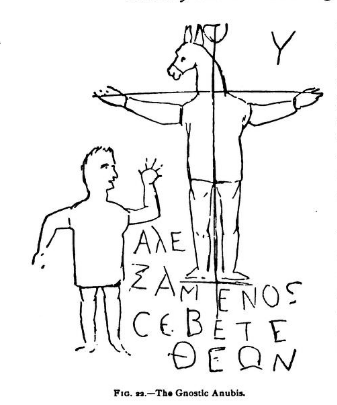
In 1857, a piece of graffiti was uncovered in a building in Rome, on the Palatine Hill. Archeologists dated it from the first century A.D. The image depicts a human-like figure affixed to a cross and possessing the head of a donkey. To the left of the image is a young man – apparently intended to represent Alexamenos – as a Roman soldier or guard, raising one hand in a gesture possibly suggesting worship. Beneath the cross is a crude caption written in Greek as “Alexamenos worshipping his god”. The graffiti stands as testimony to the anti-Christian sentiment of ancient Rome and the mockery of the Cross of Christ.

We need to recover just how shocking the proclamation of the Cross was to the ancient world; this will help us to proclaim the message to our modern age. Death by crucifixion was the most humiliating death one could experience: the pain was limitless as it could go on for days and only the vilest criminals were subjected to it. That Christians chose to worship their God on a Cross was unlike any other religion in human history! It was a complete break from all other religious testimonies.

Man lost all his preternatural gifts, because of his disobedience at the foot of the Tree of Knowledge of Good and Evil in the garden of Eden. But through Christ’s obedience on the Wood of the Cross, man has received even greater gifts. What had been the source of man’s downfall has become the source of his restoration. Two trees, two Adams, two different results.

On this great feast of the Holy Cross during this Jubilee Year, we must be filled with a lot of hope, because this equation is the design of the Divine Logos. What appears to be the source of our downfall, can in fact, be the source of our restoration.
The thing that humiliates you, the events that break you, can in fact be a great grace and a source of endless blessings. We must not give into despair or wrong thinking. God who has saved you by the wood of the Cross, will also restore you by the very things in your life that give you the most grief.

We ask Our Lady who studied the Cross of Christ most perfectly to help us understand this Divine Science.

† Selim Sfeir
Maronite Archbishop of Cyprus


Categories
Archbishop’s Teaching

Η ανύψωση του ένδοξου Σταυρού

Ιωάννης 12 / 20 – 32

Αγαπητά εν Χριστώ αδέλφια,

«Το μήνυμα του σταυρού είναι ανοησία για όσους χάνονται, αλλά για εμάς που σωζόμαστε είναι η δύναμη του Θεού».

Το 1857, ένα γκράφιτι αποκαλύφθηκε σε ένα κτίριο στη Ρώμη, στον Λόφο Παλατίνο. Οι αρχαιολόγοι το χρονολόγησαν στον 1ο αιώνα μ.Χ. Η εικόνα απεικονίζει μια ανθρωποειδή μορφή στερεωμένη σε ένα σταυρό με κεφάλι γαϊδάρου. Στα αριστερά της εικόνας βρίσκεται ένας νεαρός άνδρας – προφανώς ο Αλεξαμένους – ως Ρωμαίος στρατιώτης ή φρουρός, που υψώνει το ένα χέρι σε μια χειρονομία που πιθανώς υποδηλώνει λατρεία. Κάτω από το σταυρό υπάρχει μια χονδροειδής λεζάντα γραμμένη στα ελληνικά που λέει «Ο Αλεξαμένους λατρεύει τον θεό του». Το γκράφιτι αποτελεί μαρτυρία του αντιχριστιανικού αισθήματος της αρχαίας Ρώμης και της διακωμώδησης του Σταυρού του Χριστού.

Πρέπει να συνειδητοποιήσουμε πόσο συγκλονιστική ήταν η διακήρυξη του Σταυρού για τον αρχαίο κόσμο. Αυτό θα μας βοηθήσει να διακηρύξουμε το μήνυμα στη σύγχρονη εποχή. Ο θάνατος με σταύρωση ήταν ο πιο ταπεινωτικός θάνατος που μπορούσε να βιώσει κάποιος: ο πόνος ήταν ατελείωτος, καθώς μπορούσε να διαρκέσει για μέρες, και μόνο οι πιο άθλιοι εγκληματίες υποβάλλονταν σε αυτόν. Το γεγονός ότι οι χριστιανοί επέλεξαν να λατρεύουν τον Θεό τους πάνω σε ένα Σταυρό ήταν κάτι που δεν είχε προηγούμενο σε καμία άλλη θρησκεία στην ιστορία της ανθρωπότητας! Ήταν μια πλήρης ρήξη με όλες τις άλλες θρησκευτικές μαρτυρίες.
Ο άνθρωπος έχασε όλα τα υπερφυσικά του χαρίσματα, λόγω της ανυπακοής του στους πρόποδες του Δέντρου της Γνώσης του Καλού και του Κακού στον κήπο της Εδέμ. Αλλά μέσω της υπακοής του Χριστού στο Ξύλο του Σταυρού, ο άνθρωπος έλαβε ακόμη μεγαλύτερα χαρίσματα. Αυτό που ήταν η πηγή της πτώσης του ανθρώπου έγινε η πηγή της αποκατάστασής του. Δύο δέντρα, δύο Αδάμ, δύο διαφορετικά αποτελέσματα.

Σε αυτή τη μεγάλη γιορτή του Τιμίου Σταυρού, κατά τη διάρκεια αυτού του Ιωβηλαίου Έτους, πρέπει να γεμίσουμε με μεγάλη ελπίδα, διότι αυτή η εξίσωση είναι το σχέδιο του Θείου Λόγου. Αυτό που φαίνεται να είναι η πηγή της πτώσης μας, μπορεί στην πραγματικότητα να είναι η πηγή της αποκατάστασής μας. Αυτό που σας ταπεινώνει, τα γεγονότα που σας συντρίβουν, μπορεί στην πραγματικότητα να είναι μια μεγάλη χάρη και πηγή ατελείωτων ευλογιών. Δεν πρέπει να υποκύψουμε στην απελπισία ή σε λανθασμένες σκέψεις. Ο Θεός που σας έσωσε με το ξύλο του Σταυρού, θα σας αποκαταστήσει επίσης με τα ίδια τα πράγματα στη ζωή σας που σας προκαλούν τη μεγαλύτερη θλίψη.

Ζητάμε από την Παναγία, που μελέτησε τον Σταυρό του Χριστού με τον πιο τέλειο τρόπο, να μας βοηθήσει να κατανοήσουμε αυτή τη Θεία Επιστήμη. Αμήν.

† Σελίμ Σφέιρ
Αρχιεπίσκοπος Μαρωνιτών Κύπρου

Categories
Events

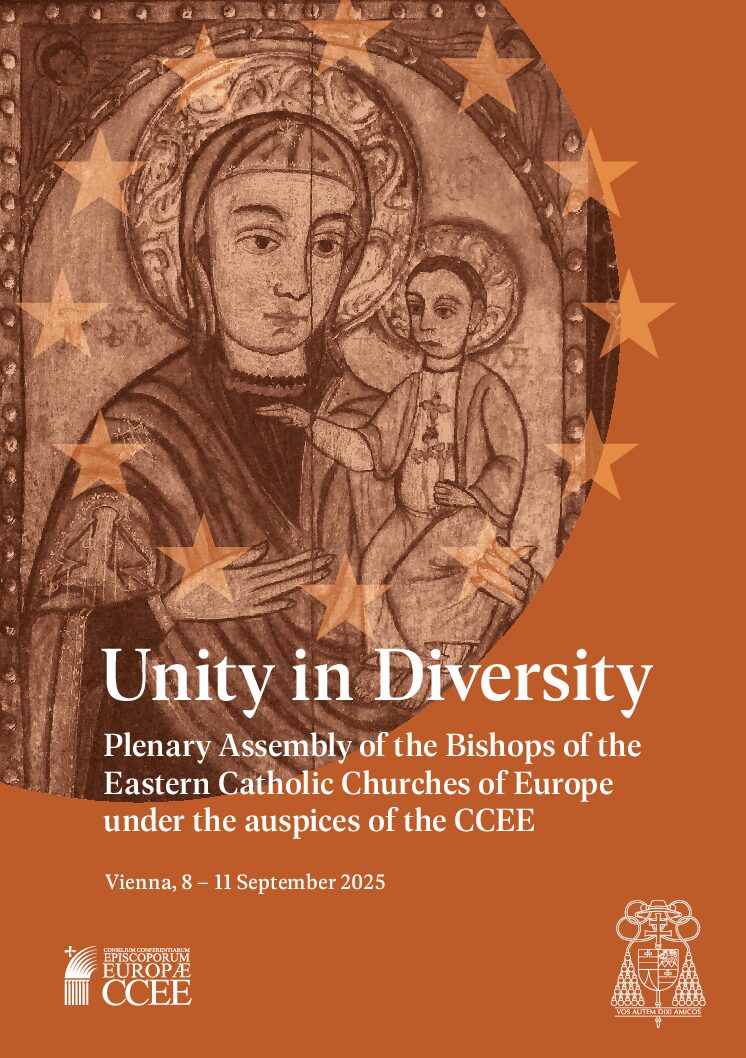
Unity in Diversity 2025

Plenary Assembly of the Bishops of the Eastern Catholic Churches of Europe

Categories
Archbishop’s Teaching

14η Κυριακή της Πεντηκοστής

Η Μάρθα και η Μαρία ( Λουκάς 10 / 38 - 42)

Αγαπητά εν Χριστώ αδέλφια,

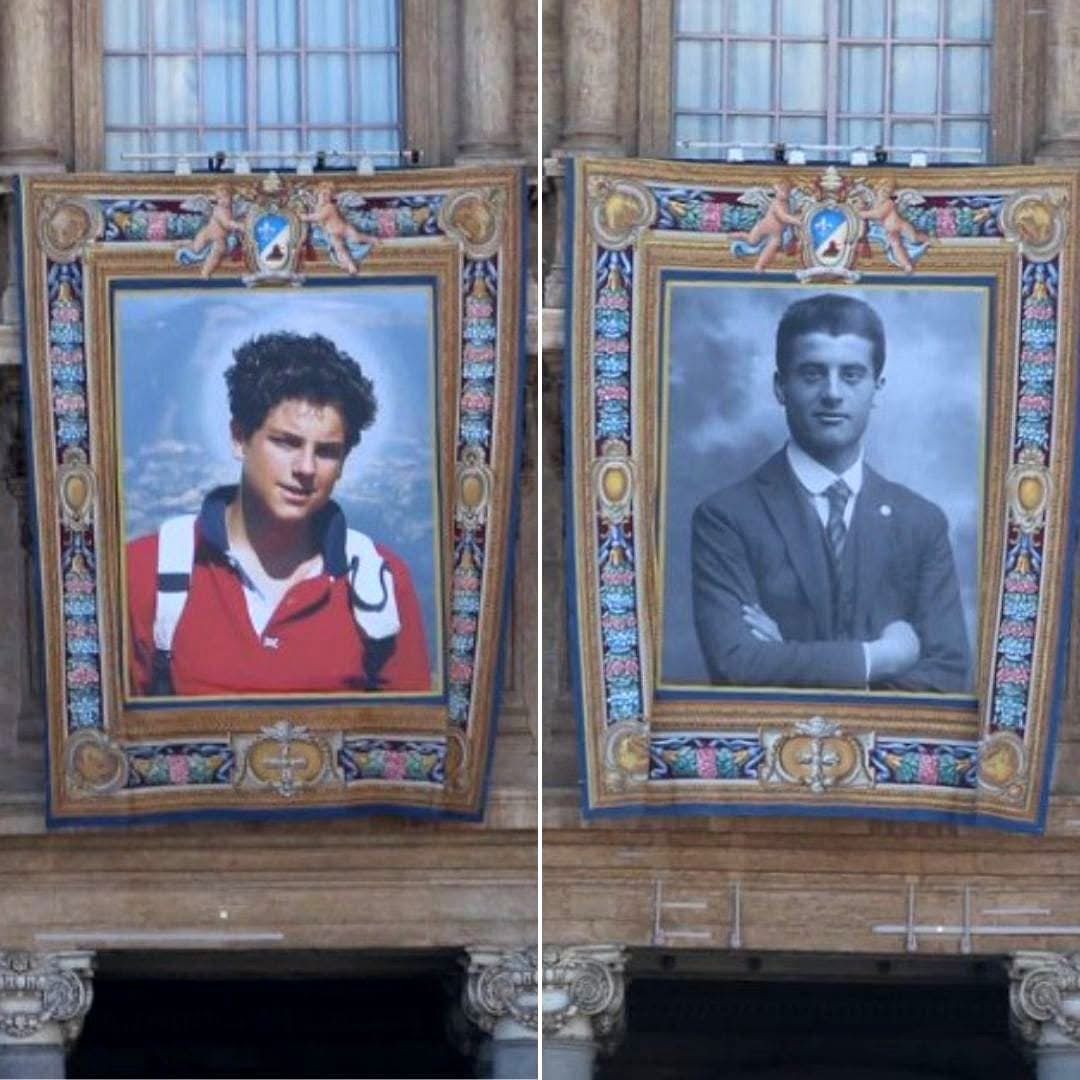
Η Αγιοκατάταξη των Μακαρίων Τζόρτζιο Φρασσάτι και Κάρλο Ακουτίς

Σήμερα, στην αγία πόλη της Ρώμης, ο αγαπημένος μας Άγιος Πατέρας, ο Πάπας Λέων ΙΔ΄, θα ανακηρύξει επίσημα για όλη την Εκκλησία δύο νέους αγίους, τον Τζόρτζιο Φρασσάτι και τον Κάρλο Ακουτίς. Και οι δύο νέοι αυτοί άνδρες έφυγαν από τη ζωή πολύ νέοι· όμως μέσα στη σύντομη πορεία τους, δείχνουν ότι το να ζει κανείς για τον Χριστό δεν αφαιρεί τίποτε από τη ζωή, αλλά την γεμίζει με νόημα και χαρά.

Οι άγιοι είναι οι ειδικοί της ακρόασης. Όπως η Μαρία της Βηθανίας, οι άγιοι είναι προσεκτικοί στη φωνή του Χριστού. Τον ακούν στην ανάγνωση του Ευαγγελίου, Τον ακούν στη διδασκαλία της Εκκλησίας, Τον ακούν στις φωνές των φτωχών και των μεταναστών, Τον ακούν στη σιωπή του Παναγίου Μυστηρίου. Οι άγιοι δεν αρκούνται να ακούνε τον Ιησού· Τον προσέχουν. Αυτό το έργο της ακρόασης είναι η ανακάλυψη της φωνής του Χριστού σε όσους βρίσκονται δίπλα μας, στις οικογένειές μας και στον χώρο εργασίας μας. Είναι ακόμη και η προσπάθεια να ακούσουμε τη φωνή του Χριστού στους συγχρόνους μας, μερικοί από τους οποίους βρίσκονται μακριά από την Εκκλησία. Ακόμα και στην αποξένωσή τους, είναι πλάσματα του Λόγου, της λογικής, και μπορούν, χωρίς να το γνωρίζουν, να μεταδίδουν την αλήθεια. Χρειαζόμαστε καρδιές και αυτιά ικανά να ακούν τον Χριστό που μιλά από τα πιο απίθανα μέρη.

Η καημένη η Μάρθα, μέσα στη γεμάτη μέριμνες κουζίνα της Βηθανίας, μπορούσε να ακούει τον Χριστό να μιλά στο άλλο δωμάτιο, αλλά ήταν τόσο αποσπασμένη που δεν μπορούσε να Τον προσέξει. Είχε επικεντρωθεί στα προβλήματά της, στις δυσκολίες και τις αποτυχίες της. Άκουγε τον εαυτό της και μόνο από απόσταση τον Ιησού.

Ο Θείος Λόγος δημιούργησε το ανθρώπινο σώμα ως μια εξατομικευμένη παραβολή: έχουμε δύο αυτιά και ένα στόμα. Ο Θεός μας δείχνει ότι πρέπει να ακούμε διπλάσια απ’ όσο μιλάμε· και ότι η ακρόαση είναι διπλάσια δύσκολη από την ομιλία.

Είθε η Ευλογημένη Μητέρα μας, της οποίας την όμορφη γέννηση θα εορτάσουμε αύριο (για εμάς τους Μαρωνίτες, θυμόμαστε την Κυρία μας της Μαρκί!) στις 8 Σεπτεμβρίου, να πρεσβεύει για όλους μας ώστε να γίνουμε καλύτεροι ακροατές! Αμήν.

+ Σελίμ Σφέιρ

Αρχιεπίσκοπος Μαρωνιτών Κύπρου

Categories
Archbishop’s Teaching

14th Sunday of Pentecost

Μια Ημέρα Προσευχής

Λευκωσία, 13η Οκτωβρίου 2023

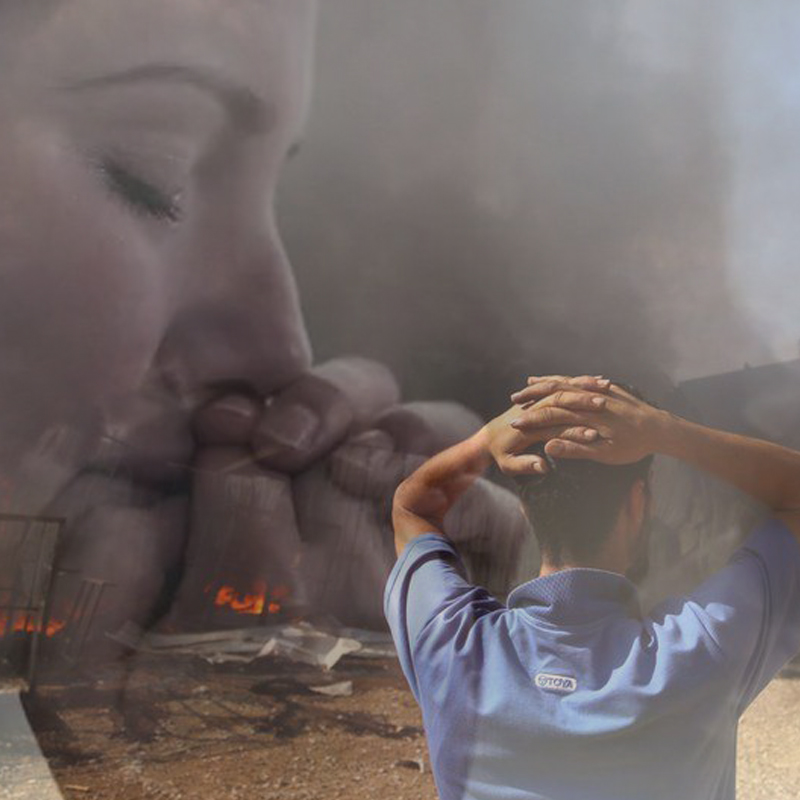
Κάλεσμα για προσευχή και νηστεία

Αγαπητά εν Χριστώ αδέλφια,

Μαζί με την Α.Ε. Καρδινάλιο Pierbattista Pizzaballa, καλούμε όλες τις ενορίες, τις θρησκευτικές κοινότητες και όλους τους πιστούς σε μια ημέρα προσευχής και νηστείας για την ειρήνη και τη συμφιλίωση την Τρίτη 17 Οκτωβρίου.

Θα μπορούσαν να οργανωθούν επίσης, ώρες προσευχής με ευχαριστιακή λατρεία και το ροδάριο στην Υπεραγία Θεοτόκο. Στις ενορίες, στις θρησκευτικές κοινότητες και στις οικογένειες, θα είναι δυνατόν να οργανωθούν στιγμές κοινής προσευχής, ζητώντας από τον Κύριο να θέσει τέρμα στη βία και να εγκαθιδρύσει την ειρήνη.

Έτσι βρισκόμαστε όλοι μαζί, παρά τα πάντα, σε μια κοινή προσευχή, για να μεταφέρουμε στον Θεό Πατέρα τη δίψα μας για ειρήνη, δικαιοσύνη και συμφιλίωση.

Με τις προσευχές μου.

+ Σελήμ Σφέιρ

Αρχιεπίσκοπος Μαρωνιτών Κύπρου

Synod Round Tables

SYNOD ROUND TABLES
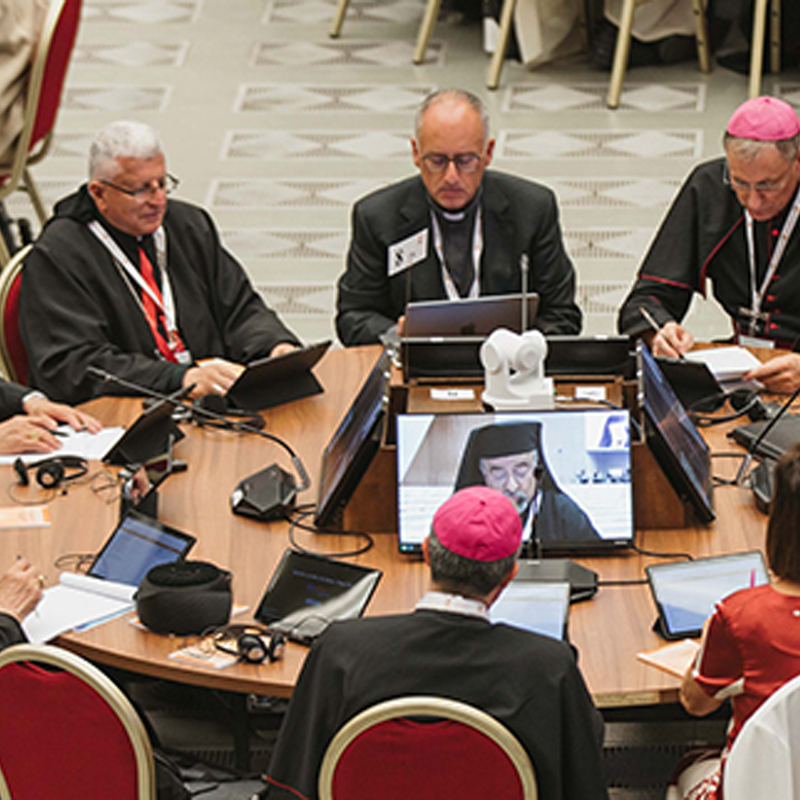
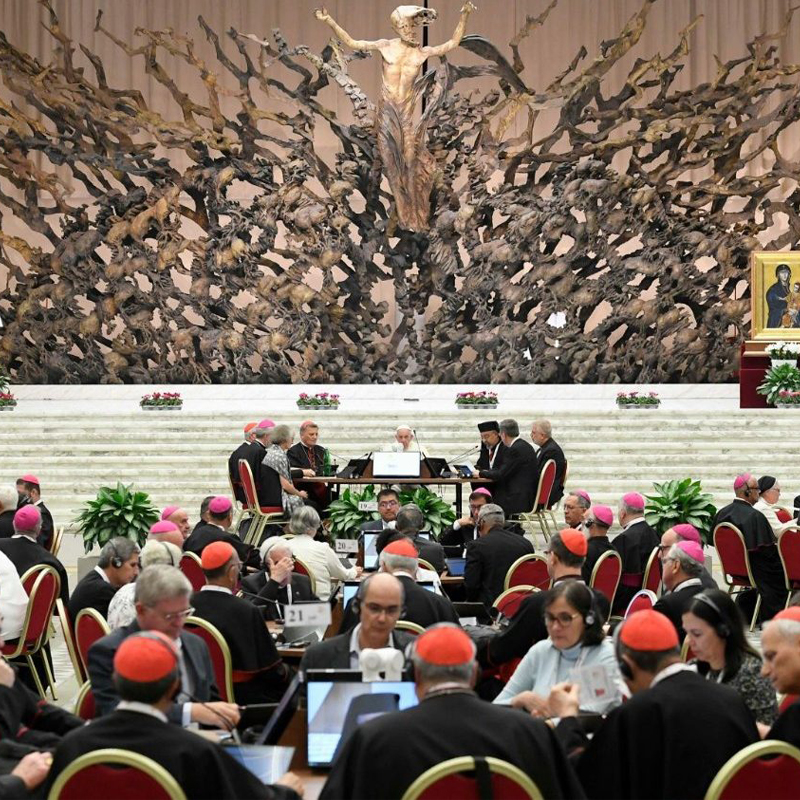
In this assembly, the synod hall has a different layout from what used to be in the other synods before. The amphitheater format used in other synod assemblies has been abandoned and the use of round tables has been adopted, where 12 people at each table sit side by side, face to face, eye to eye, comprising of bishops, priests, Religious men and women and lay men and women. They are brought together by the common languages in which they can communicate, so that they can dialogue and discern together. The panel of the Risen Christ by Nervi and the Salus Populi Romani icon have been used to decorate the ‘new’ Synod Hall, where the Working Groups and the General Congregations will take place.

4η Κυριακή της Ανυψώσεως του Τιμίου Σταυρού (Ματθαίος 24 / 42 – 51)

Περίοδος της Ανυψώσεως του Τιμίου Σταυρού

Ομιλία του Σεβασμιωτάτου Αρχιεπισκόπου Μαρωνιτών
Κύπρου κ.κ. Σελίμ Σφέιρ

4η Κυριακή της Ανυψώσεως του Τιμίου Σταυρού
(Ματθαίος 24 / 42 - 51)

Αγρυπνείτε

Ο Ιησούς είπε στους μαθητές του: «Αγρυπνείτε,
λοιπόν, γιατί δεν ξέρετε ποια μέρα θα έρθει ο Κύριός σας.
Και να ξέρετε τούτο: Αν ήξερε ο ιδιοκτήτης ενός σπιτιού
ποια ώρα θα έρθει ο κλέφτης, θα ξαγρυπνούσε και δε θ'
άφηνε να διαρρήξουν το σπίτι του. Γι' αυτό κι εσείς να
είστε έτοιμοι, γιατί ο Υιός του Ανθρώπου θα έρθει την ώρα
που δεν τον περιμένετε».
«Ποιος άραγε είναι ο έμπιστος και συνετός δούλος
που ο κύριός του τον έκανε επιστάτη των δούλων του, να
τους δίνει την τροφή τις ορισμένες ώρες; Μακάριος ο
δούλος εκείνος που όταν έρθει ο κύριός του, θα τον βρει
να κάνει σωστά τη δουλειά του. Σας βεβαιώνω πως θα τον
βάλει υπεύθυνο σ' όλα του τα υπάρχοντα. Αν όμως ο κακός
εκείνος δούλος πει μέσα του: «αργεί να 'ρθεί ο κύριός
μου» κι αρχίσει να χτυπάει τους συνδούλους του και να
τρώει και να πίνει μαζί με μέθυσους, θα 'ρθεί ο κύριός του
μια μέρα που αυτός δε θα τον περιμένει και σε ώρα που δε
θα την υποψιάζεται, θα του επιβάλει σκληρή τιμωρία και
θα τον ρίξει στον τόπο όπου τιμωρούνται οι υποκριτές.
Εκεί θα κλαίει και θα τρίζει τα δόντια του».
Αγαπητά εν Χριστώ αδέλφια,

1. Ούτε τη μέρα, ούτε την ώρα
Ο Κύριος μάς ζητά να επαγρυπνούμε. Το «αγρυπνείτε»
είναι ένα ισχυρό κάλεσμα. Όταν αγρυπνώ, περιμένω, είμαι
ανοιχτός στους άλλους.Κανείς μας δεν ξέρει πόσο καιρό
θα ζήσει, και ο Ιησούς δεν έχει υποδείξει πόσο καιρό θα
συνεχιστεί η ανθρώπινη ιστορία πριν επιστρέψει για την
τελική κρίση. Αυτό θα πρέπει να μας κάνει να
συνειδητοποιήσουμε ότι πρέπει να είμαστε πάντα έτοιμοι
να συναντήσουμε τον Κύριό μας, ενεργώντας σωστά και
διατηρώντας τη συνείδησή μας καθαρή από την αμαρτία.
Πρέπει να ζούμε σαν κάθε μέρα να είναι η τελευταία μας
μέρα, σαν η αιώνια ευτυχία μας να εξαρτάται από τις
επιλογές και τις πράξεις αυτής της ημέρας. Κάθε στιγμή
είναι πολύτιμη και σημαντική στα μάτια του Θεού. Το πιο
απαραίτητο είναι να προσπαθούμε να παραμένουμε σε
κατάσταση χάριτος για να επιτύχουμε τη σωτηρία μας.

2. Η πραγματική αγρυπνία
Ο πιστός υπηρέτης που κάνει αυτό που πρέπει να κάνει
κάθε στιγμή είναι ο πραγματικά συνετός άνθρωπος. Ο
Θεός θέλει να είμαστε πιστοί και να κάνουμε το θέλημά
Του κάθε μέρα. Αυτός είναι ο δρόμος προς την αγιότητα
και την ένωση με τον Θεό. Δεν υπάρχει άλλος τρόπος για
να είμαστε κοντά στον Θεό από το να κάνουμε το θέλημά
Του, από αγάπη και ευγνωμοσύνη. Πώς οι πράξεις μου
σήμερα αντανακλούν την αγαπητική υπακοή μου στο
θέλημα του Θεού; Έχω βάλει τον Θεό στο κέντρο της ζωής
μου ή έχω υποβιβάσει Αυτόν και το θέλημά Του στην
περιφέρεια της ζωής μου, δίνοντας προσοχή μόνο σε αυτά
που θέλει από μένα από καιρό σε καιρό;

3. Μια μεγάλη καθυστέρηση
Συχνά φαίνεται ότι ο Θεός είναι μακριά και δεν
συμμετέχει στη ζωή μας. Μπορεί να φαίνεται ότι η
επιστροφή Του δεν είναι σύντομα, και αυτό μπορεί να μας
οδηγήσει να αποσπάσουμε την προσοχή μας με πολλά
άλλα πράγματα. Ας ανανεώνουμε κάθε μέρα το πνεύμα της
πίστης μας στον Θεό και τη συνεχή παρουσία Του, ζώντας
κάθε μέρα για να τον ευχαριστούμε, όσο μακριά κι αν
φαίνεται. Ας ζούμε στην παρουσία Του με πίστη σ' Αυτόν
και στην αποκάλυψή Του, που μας καθοδηγούν στο
μονοπάτι προς την αιώνια ζωή. Ας προσπαθούμε κάθε
φορά να διατηρούμε μια ζωντανή και αποτελεσματική
πίστη στον Θεό και στην παρουσία Του.
Προσευχή : Κύριε, δίδαξέ με να προσεύχομαι με
αληθινή πίστη σε Σένα και στον λόγο της ζωής Σου.
Γνωρίζω ότι Είσαι παρών στη ζωή μου και ελπίζω στην
υπόσχεσή Σου να μείνεις μαζί μου μέχρι το τέλος του
κόσμου. Σε αγαπώ και ξέρω ότι με αγαπάς. Βοήθησέ με να
πιστεύω σε κάθε στιγμή, ώστε να μπορώ να Σε
ευχαριστήσω, να κάνω το θέλημά Σου και να μεγαλώνω
στην αγιότητα.Αμήν.

+ Σελίμ Σφέιρ
Αρχιεπίσκοπος Μαρωνιτών Κύπρου

4th Sunday of the time of the Exaltation of the Holy Cross (Matthew 24 / 45 – 51)

The Time of the Exaltation of the Holy Cross

Homily of His Excellency Msgr Selim Sfeir
Maronite Archbishop of Cyprus

4th Sunday of the time of the Exaltation of the Holy Cross
Matthew 24 / 45 - 51

Be vigilant

Dear brothers and sisters in Christ,

1. Neither the day nor the hour
The Lord asks us to be vigilant. "Be vigilant" is a strong call. When I am
vigilant, I am waiting, I am open to others.
None of us knows how long we will live, and Jesus has not indicated how
long human history will continue, before he returns for the final judgment.
This should make us realize that we must always be ready to meet our
Lord, acting in the right and keeping our conscience always pure of sin.
We must live as if each day were our last day, as if our eternal happiness
depended on the choices and actions of this very day. Every moment is
precious and important in God's eyes. The most necessary thing is to strive
to remain in a state of grace in order to attain our salvation.

2. True prudence
The faithful servant who does what he is supposed to do every moment,
is the truly prudent person. God wants us to be faithful and do his will
every day. This is the path to holiness and union with God. There is no
other way to be close to God than to do his will, out of love and gratitude.
How do my actions today reflect my loving obedience to God's will? Have
I put God at the center of my life, or have I relegated him and his will to
the periphery of my life, only paying attention to what he wants from me
from time to time?

3. A long delay
Often it seems that God is far away and not involved in our lives. It may
seem that his return is not soon, and this can lead us to distract ourselves
with many other things. Let us renew our spirit of faith in God and his
constant presence every day, living each day to please him, no matter how
long it seems. Let us live in his presence by faith in him and his revelation,
which guide us along the path to eternal life. Let us strive every day to
maintain a lively and effective faith in God and in his presence.
Prayer
Lord, teach me to pray with true faith in you and your word of life. I know
you are present in my life, and I hope in your promise to be with me until
the end of time. I love you, and I know you love me. Help me to have faith
every moment so that I can please you, do your will and grow in holiness.

† Selim Sfeir
Maronite Archbishop of Cyprus

4ème Dimanche du temps de l’Exaltation de la Sainte Croix Matthieu 24 / 45 – 51

Le Temps de l’Exaltation de la Sainte Croix

Homélie de Son Excellence Mgr. Selim Sfeir
Archevêque Maronite de Chypre

4ème Dimanche du temps de l’Exaltation de la Sainte Croix
Matthieu 24 / 45 - 51

Veillez

Chers frères et sœurs en Christ,

1. Ni le jour ni l'heure
Le Seigneur nous demande de veiller. « Veillez » un appel fort. Lorsque
je veille, je suis en attente, je suis ouvert à l’autre.
Aucun de nous ne sait combien de temps il va vivre et Jésus n'a pas
indiqué combien de temps l'histoire humaine continuera, avant qu'il ne
revienne pour le jugement final. Ceci devrait nous inciter à nous rendre
compte que nous devons être toujours prêts à rencontrer notre Seigneur,
en agissant dans le vrai et en gardant notre conscience toujours pure de
tout péché. Nous devons vivre comme si chaque jour était notre dernier
jour, comme si notre bonheur éternel dépendait des choix et des actions
de ce jour même. Chaque moment est précieux et important aux yeux de
Dieu. Le plus nécessaire est de nous efforcer à demeurer en état de grâce
afin d'atteindre notre salut.

2. La vraie prudence
Le serviteur fidèle qui fait ce qu'il est censé faire à chaque moment, est la
personne véritablement prudente. Dieu veut que nous soyons fidèles et
que nous accomplissions sa volonté chaque jour. C'est le chemin de la
sainteté et de l'union avec Dieu. Il n'y a pas d'autre manière d'être près de
Dieu que de faire sa volonté, par amour et avec gratitude. Comment mes
actions d'aujourd'hui reflètent-elles mon obéissance affectueuse à la
volonté de Dieu ? Est-ce que j'ai mis Dieu au centre de ma vie, ou bien
l'ai-je relégué, lui et sa volonté, à la périphérie de ma vie, en ne prêtant
attention à ce qu'il veut de moi que de temps en temps ?

3. Un long retard
Souvent il nous semble que Dieu est loin et pas impliqué dans notre vie.
Il peut sembler que son retour n'est pas pour bientôt, et ceci peut nous
conduire à nous distraire avec beaucoup d'autres choses. Renouvelons
chaque jour notre esprit de foi en Dieu et en sa présence constante, en
vivant chaque jour pour lui plaire, peu importe combien cela nous semble
long. Vivons en sa présence par la foi en lui et en sa révélation, qui nous
guident le long du chemin vers la vie éternelle. Efforçons-nous chaque
jour de maintenir une foi animée et effective en Dieu et en sa présence.

Prière
Seigneur, enseigne-moi à prier avec une vraie foi en toi et en ta parole de
vie. Je sais que tu es présent dans ma vie et j'espère en ta promesse de
rester avec moi jusqu'à la fin des temps. Je t'aime, et je sais que tu m'aimes.
Aide-moi à croire à chaque moment de sorte que je puisse te satisfaire,
faire ta volonté et grandir en sainteté.

† Selim Sfeir
Archevêque Maronite de Chypre

“The Holy Spirit guides us toward harmony and respectful listening” Said the Pope to the Synod

Pope Francis reminds the Synodal Assembly that the Holy Spirit is the Synod's protagonist, no one else, and calls for expressing one's self freely, while respectful listening to all, as he addressed the Opening of the XVI Ordinary General Assembly of the Synod on Synodality, which opened today in the Vatican.

"The protagonist of the Synod isn't us, but the Holy Spirit," says Pope Francis, insisting that if the Spirit is in charge, it is a good synod, and if He is not, "it is not."

The Pope gave this powerful reminder during the Opening of the XVI Ordinary General Assembly of the Synod of Bishops
He suggested that if we finish the Synod exactly in the same way, "without a nuance, then it's not a Synod.""Particularity," he said, "needs to be incorporated into the Church," underscoring, "this needs to be done by the Holy Spirit, not by us."

Pope Francis reminds the Synodal Assembly that the Holy Spirit is the Synod's protagonist, no one else, and calls for expressing one's self freely, while respectful listening to all, as he addressed the Opening of the XVI Ordinary General Assembly of the Synod on Synodality, which opened today in the Vatican.
"The protagonist of the Synod isn't us, but the Holy Spirit," says Pope Francis, insisting that if the Spirit is in charge, it is a good synod, and if He is not, "it is not."
The Pope gave this powerful reminder during the Opening of the XVI Ordinary General Assembly of the Synod of Bishops
He suggested that if we finish the Synod exactly in the same way, "without a nuance, then it's not a Synod.""Particularity," he said, "needs to be incorporated into the Church," underscoring, "this needs to be done by the Holy Spirit, not by us."
https://www.vaticannews.va/en/pope/news/2023-10/pope-to-synod-may-christ-lead-the-way.html

Paving the Way for a Synodal Church

Paving the Way for a Synodal Church: An Integral Experience

The first General Congregation of the General Assembly of the Synod of Bishops begins with a focus on the integral experience of a synodal Church. Cardinal Hollerich encourages participants to draw from their collective synodal journey experiences and engage in communal discernment through "conversation in the Spirit" in preparation for further discussions.

In the spirit of unity and reflection, the first General Congregation of the General Assembly of the Synod of Bishops commenced on Wednesday 4 October, setting the stage for the journey towards a more synodal Church. The first 'module', or section, of the gathering, which will continue until Saturday morning, and aims at providing a comprehensive understanding of the synodal Church as an integral experience, laying the groundwork for fruitful discussions in the subsequent modules.


https://www.vaticannews.va/en/vatican-city/news/2023-10/cardinal-hollerich-general-relator-meditation-synod-of-bishops.html


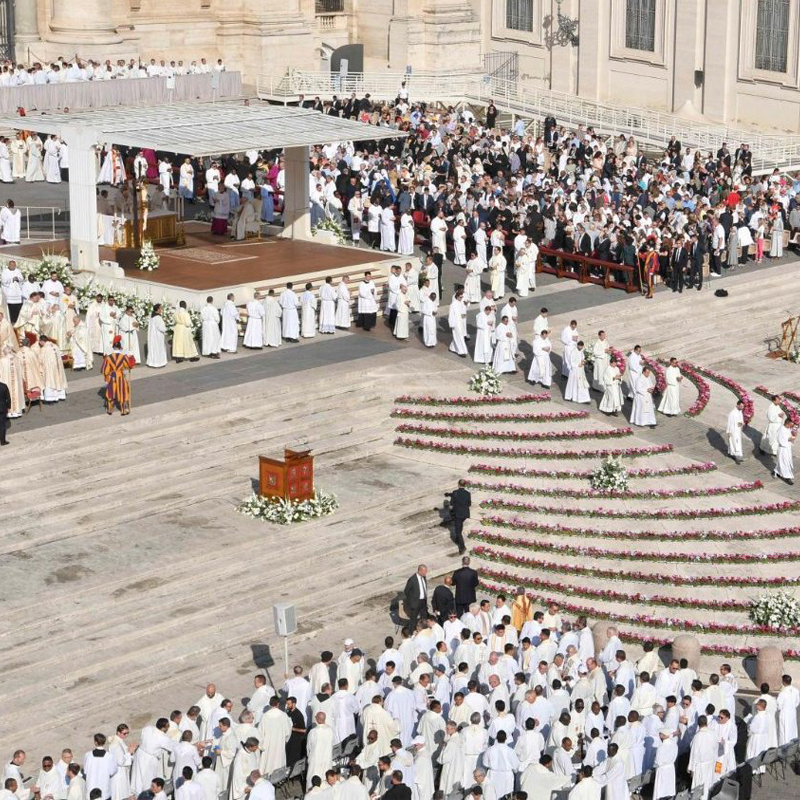
Pope Francis At The Opening Mass Of The Synod

Pope at opening Mass for Synod: Let us walk with the Holy Spirit

Pope Francis presides at the Holy Mass in St Peter’s Square for the Opening of the XVI Ordinary General Assembly of the Synod of Bishops, and invites the faithful to walk with the Holy Spirit, “in trust and with joy”.

In his homily, Pope Francis recalled a “difficult moment” in Jesus’ earthly ministry, recounted in the day’s Gospel. “In the moment of desolation,” the Pope said, “Jesus has a gaze capable of seeing beyond: He praises the wisdom of the Father and is able to discern the good that grows unseen, the seed of the Word welcomed by the simple, the light of the Kingdom of God that shows the way even in the night.”

At the beginning of the General Assembly, the Pope said, “we do not need purely natural vision, made up of human strategies, political calculations, or ideological battles.” Instead, he said, “We are here to walk together with the gaze of Jesus, Who blesses the Father and welcomes those who are weary and oppressed.”

https://www.vaticannews.va/en/pope/news/2023-10/pope-at-opening-mass-for-synod-let-us-walk-with-the-holy-spirit.html

Let us pray for the Synod, and for our Archbishop H.E. Msgr. Selim Sfeir who is participating in this Synod.


Martha and Mary (Luke 10 : 38-42)

Dear brothers and sisters in Christ,

The Canonization of Blessed Giorgio Frassati and Blessed Carlos Acutis.

Today in the holy city of Rome, our beloved Holy Father, Pope Leo XIV will solemnly elevate for the whole Church two new saints, Giorgio Frassati and Carlos Acutis. Both of these young men died very young, yet in their brief journey, they show that living for Christ takes nothing away from life but fills it with meaning and joy.

The saints are the experts in listening. Like Mary of Bethany, the saints are attentive to the voice of Christ.  They hear Him in the reading of the Gospel, they hear Him in the voice of the Church’s teaching, they hear Him in the voices of the poor and the immigrant, they hear Him in the silence of the Blessed Sacrament.  The saints don’t just hear Jesus, they listen to Him. This work of listening is to discover the voice of Christ in those right beside us, in our families and our place of work. It's also about trying to hear the voice of Christ in our contemporaries, some of whom are far from the Church.  Even in their estrangement, they are creatures of Logos, of reason, and can be unwitting transmitters of the truth.  We need to have hearts and ears capable of hearing Christ speaking from the most unlikely places.

Poor Martha in her busy kitchen of Bethany could hear Christ speaking in the other room, but she was so distracted, she couldn’t listen.  She got focused on her problems, her difficulties and her failures.  She was listening to herself and only hearing Jesus from a distance.

The Divine Logos created the human body as a custom designed parable: we have two ears and one mouth.  God is showing us that we have to do twice as much listening as we do speaking and listening is twice as hard as talking.

May our Blessed Mother, who’s beautiful birthday we shall celebrate tomorrow (for us Maronites, we think of our Lady of Mankee!) on September 8th, intercede for all of us to be betters listeners!

† Selim Sfeir

Maronite Archbishop of Cyprus

Categories
Archbishop’s Teaching

Εορτή του Αρχαγγέλου Μιχαήλ

Λουκάς 14: 16 -24

Αγαπητά εν Χριστώ αδέλφια,

Τότε ο Ιησούς του είπε: «Κάποιος έδωσε ένα μεγάλο δείπνο και προσκάλεσε πολλούς. Όταν ήρθε η ώρα του δείπνου, έστειλε τον δούλο του να πει στους προσκεκλημένους: «Ελάτε, γιατί όλα είναι έτοιμα τώρα». Καθώς συμμετέχουμε σε αυτή την ευλογημένη γιορτή της ανανέωσης της θυσίας του Ιησού Χριστού, μας συνοδεύει, όπως αρέσκεται να λέει ο Άγιος Ιωάννης ο Χρυσόστομος, μια μεγάλη ομήγυρη αγγέλων.

Αυτή η εκκλησία, αφιερωμένη στον Αρχάγγελο Μιχαήλ, έχει σίγουρα το δικαίωμα να πιστεύει ότι αυτός ο μεγάλος στρατηλάτης των ουράνιων στρατευμάτων είναι παρών εδώ μαζί μας, προσφέροντας τη λατρεία του στην Αγία Τριάδα. Τον χαιρετούμε και τον ευχαριστούμε για την προστασία του. Ο Κύριός μας στο Ευαγγέλιο, μας εξιστορεί μια παραβολή για κάποιον που παρέθεσε ένα μεγάλο δείπνο. Ο Κύριός μας συνεχίζει περιγράφοντας πώς οι καλεσμένοι άρχισαν να βρίσκουν δικαιολογίες και να απαλλάσσονται από αυτό το μεγάλο συμπόσιο. Αυτή η παραβολή απευθυνόταν ως επίπληξη στους Ιουδαίους για την άρνησή τους να πιστέψουν και να δεχτούν τον Μεσσία τους. Ο Ιησούς Χριστός είναι η εκπλήρωση όλων των προφητειών και υποσχέσεων της Παλαιάς Διαθήκης. Ένα μέρος του Ισραήλ δέχτηκε τον Χριστό και έγινε η Καθολική Εκκλησία, αλλά η παραβολή είναι πολύ σαφής, πολλοί από τον ίδιο τον λαό του Κυρίου μας δεν Τον δέχτηκαν.

Θα ήθελα να προσαρμόσω αυτή την παραβολή στην παρούσα κατάσταση. Βρισκόμαστε εδώ, στην σεβάσμια παλιά εκκλησία του Αρχαγγέλου Μιχαήλ στον Ασώματο. Το συμπόσιο της Θυσίας του Κυρίου μας, η μεγαλύτερη από όλες τις γιορτές, είναι έτοιμο μπροστά μας. Είναι αλήθεια ότι μπορούμε να παρακολουθήσουμε τη Θεία Λειτουργία σε οποιοδήποτε άλλο μέρος, γιατί όπου ένας έγκυρα χειροτονημένος ιερέας με δικαιοδοσία, χρησιμοποιώντας τις εγκεκριμένες λέξεις της αφιέρωσης, με την πρόθεση να κάνει ό,τι κάνει η Εκκλησία, και χρησιμοποιώντας τα κατάλληλα συστατικά του ψωμιού και του κρασιού, προσφέρει τη Θυσία της Θείας Λειτουργίας, εκεί μπορούμε να παρακολουθήσουμε τη Θεία Λειτουργία και να λάβουμε την Θεία Κοινωνία. Αλλά θέλω να επιμείνω ότι είναι πολύ σημαντικό να παρακολουθούμε τη Θεία Λειτουργία εδώ στον Ασώματο και στα παραδοσιακά μαρωνιτικά χωριά μας όσο πιο συχνά μπορούμε.

Η Κατήχηση της Καθολικής Εκκλησίας, παράγραφος 2471, αναφέρει: «Ενώπιον του Πιλάτου, ο Χριστός διακηρύσσει ότι «ήρθε στον κόσμο για να μαρτυρήσει την αλήθεια». Ο χριστιανός δεν πρέπει λοιπόν να ντρέπεται να μαρτυρήσει τον Κύριό μας. Σε καταστάσεις που απαιτούν μαρτυρία της πίστης, ο χριστιανός πρέπει να την ομολογεί χωρίς αμφιβολία, ακολουθώντας το παράδειγμα του Αποστόλου Παύλου ενώπιον των δικαστών του».

Όταν σκεφτόμαστε καταστάσεις σε όλο τον κόσμο, μπορούμε εύκολα να φανταστούμε τους μακρινούς αδελφούς και αδελφές μας στον Χριστό να υποβάλλονται σε μια πραγματική δοκιμασία. Αλλά και εμείς εδώ στον Ασώματο αλλά και στην Αγία Μαρίνα έχουμε μια δοκιμασία, ένα είδος δοκιμασίας. Θα μαρτυρήσουμε τον Κύριό μας μπροστά στους γείτονές μας; Πολλοί από αυτούς που βρίσκονται τώρα σε αυτό το χωριό δεν είναι βαπτισμένοι, αλλά έχουν δικαίωμα στη μαρτυρία μας, στην κατάθεσή μας. Η μαρτυρία μας δεν είναι πολιτική ή ιδεολογική. Δεν είμαστε εδώ σε μια πράξη ανυπακοής ή αντίστασης. Είμαστε εδώ επειδή είμαστε μέρος του Σώματος του Χριστού, και ο Χριστός είναι πάντα στραμμένος προς τον Πατέρα. Κοιτάζοντας τον Πατέρα μαζί με τον Χριστό, βλέπουμε κάθε άνθρωπο ως αδελφό και αδελφή μας. Γι' αυτό καμία κυβέρνηση δεν πρέπει ποτέ να φοβάται το έργο της Εκκλησίας.

Ναι, μπορούμε να λάβουμε τα μυστήρια πιο εύκολα στις τοπικές ενοριακές εκκλησίες μας, αλλά αν παραμελούμε τις εκκλησίες του χωριού μας, παραμελούμε όλες τις ψυχές που ζουν εδώ. Ένα από τα συγκεκριμένα σημάδια της καρποφορίας των Μυστηρίων είναι η οικοδόμηση της ανθρώπινης αδελφότητας. Ολόκληρος ο κόσμος χρειάζεται περισσότερη αδελφότητα, φιλία και καλοσύνη. Η παρουσία μας εδώ πρέπει να γίνει κατανοητή από αυτή τη θέση. Βρισκόμαστε εδώ επειδή μόνο ο Αναστημένος Χριστός είναι ικανός να ανακουφίσει τα βάσανα της πληγωμένης ανθρωπότητας (Πάπας Φραγκίσκος). Πιστεύω ακράδαντα ότι αυτή η θέση θα προσελκύσει τους νέους μας να επιστρέψουν στα χωριά.

Αν κάνουμε το λάθος των προσώπων της παραβολής και βρούμε δικαιολογίες, όπως «η σειρά είναι πολύ μεγάλη», «όλο και λιγότεροι άνθρωποι πηγαίνουν», «δεν έχει νόημα»... αυτό συμβαίνει επειδή έχουμε χάσει την υπομονή μας με τον Θεό. Ο Θεός εργάζεται πάντα, και συχνά είναι σαν ψίθυρος και πολύ σιωπηλός, αλλά εργάζεται. Αν εγκαταλείψουμε τον Ασώματο, την Αγία Μαρίνα, την Καρπάσια ή τον Κορμακίτη, θα είναι ένα σημάδι ότι έχουμε κουραστεί να περιμένουμε τον Θεό να κάνει κάτι.

Όταν δούμε τους αγαπημένους μας προγόνους στην αιωνιότητα, θα είναι ανυπόμονοι να δουν πώς περάσαμε τη χριστιανική μας ζωή. Ας μην τους απογοητεύσουμε λέγοντας ότι κουραστήκαμε να περιμένουμε τον Θεό να δράσει.

Ας μας ανοίξει η Μαρία, Βασίλισσα των Αγγέλων και Βασίλισσα του Ασωμάτου, την πόρτα του Ιερού Οίκου της Ναζαρέτ, ώστε να ανακαλύψουμε πώς ένα μικρό σπίτι, σε ένα ξεχασμένο χωριό, μπορεί πράγματι να αλλάξει τον κόσμο. Αμήν.

+ Σελίμ Σφέιρ
Αρχιεπίσκοπος Μαρωνιτών Κύπρου

Categories
Archbishop’s Teaching

Feast of Saint Michael

Luke (14, 16-24)

Dear brothers and sisters in Christ,

“Then Jesus said to him, ‘Someone gave a great dinner and invited many.  At the time for the dinner he sent his slave to say to those who had been invited, “Come, for everything is ready now.”

As we join in this blessed celebration of the unbloody renewal of the Sacrifice of Jesus Christ, we are accompanied, as St. John Chrysostom loved to say, with a great host of angels.  This church, dedicated to St. Michael, surely has the right to believe that this great general of the heavenly hosts is present here with us, offering his adoration to the Blessed Trinity.  We salute him and thank him for his protection.

Our Lord in the gospel tells us a parable about someone who gave a great dinner.  Our Lord goes on to describe how the invited guests began to make excuses and exempted themselves from this great feast.  This parable was directed as a reproach to the Jews for their refusal to believe and accept their Messiah.  Jesus Christ is the fulfillment of all the prophecies and promises of the Old Testament.  A remnant of Israel did accept Christ and they became the Catholic Church, but the parable is very explicit, many of Our Lord’s own people did not accept Him.

I would like to update this parable to our own present situation.  Here we are in this venerable old church of St. Michael in Asomatos. The banquet of Our Lord’s Sacrifice, the greatest of all feasts, is set before us.

It is true, we can attend Mass in any other place, for wherever a validly ordained priest with jurisdiction, using the approved words of consecration, with the intention to do what the Church does, and using the appropriate matter of bread and wine, offers the Sacrifice of the Mass, there, we may attend the Mass and receive Holy Communion.  But I want to insist that it is very important to attend Mass here in Asomatos and in our traditional Maronite villages as often as we possibly can.

The Catechism of the Catholic Church paragraph 2471 states: “Before Pilate, Christ proclaims that he ‘has come into the world, to bear witness to the truth.’  The Christian is not to be ashamed then of testifying to our Lord.’  In situations that require witness to the faith, the Christian must profess it without equivocation, after the example of St. Paul before his judges.”

When we think of situations throughout the world, we can easily imagine our far away brothers and sisters in Christ being put to a real test.  But we here in Asomatos we too have a test, a trial of sorts.  Will we testify to our Lord, before our neighbors?  Many who are here in this village now, are not baptized but they have a right to our testimony, our witness.  Our testimony is not political or ideological.  We are not here in an act of defiance or opposition.  We are here because we are part of the Body of Christ, and Christ is always facing the Father.  By looking at the Father with Christ, we see every person as our brother and sister.  This is why no government should ever fear the work of the Church.

Yes, we can obtain the sacraments more conveniently in our local parish churches, but if we neglect our village churches, we are neglecting all the souls who live here.  One of the concrete signs of the fruitfulness of the Sacraments is the building of human fraternity.  The whole world needs more fraternity, friendship and kindness.  Our presence here must be understood from this position.  We are here because only the Risen Christ is capable of alleviating the sufferings of wounded humanity (Pope Francis).  I firmly believe that this position will attract our young people to return to the villages.

If we make the mistake of the persons in the parable of making excuses, “the checkpoint is too long” “there are fewer and fewer people going” “it is no use” … it is because we have lost patience with God.  God is always at work, and often it is like a whisper and very silent, but He is at work.

If we abandon Asomatos, or Karpasha or Kormakitis, it will be a sign that we have grown tired of waiting for God to do something.

When we see our beloved forebears in eternity, they will be eager to see how we have spent our Christian lives.  May we not disappoint them by saying we grew tired of waiting for God to act.

May Mary, Queen of the Angels, and Queen of Asomatos open for us the door of the Holy House of Nazareth so that we may discover how a tiny house, in forgotten village can indeed, change the world.

† Selim Sfeir

Maronite Archbishop of Cyprus

Categories
Archbishop’s Teaching

13η Κυριακή της Πεντηκοστής

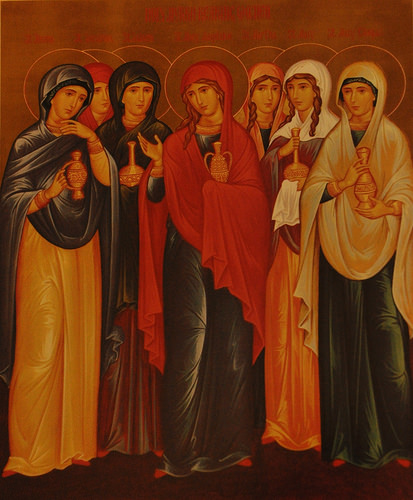
Οι γυναίκες της Γαλιλαίας ακολουθούν τον Ιησού ( Λουκάς 8 / 1 - 15)


Αγαπητά εν Χριστώ αδέλφια,


Το ευαγγέλιο αυτής της Κυριακής είναι ένα πλούσιο κείμενο που πρέπει να μελετήσουμε αργά και με προσοχή. Ο ευαγγελιστής Λουκάς, υπό την έμπνευση του Αγίου Πνεύματος, προσπαθεί να μας διαφωτίσει σχετικά με την αποκατάσταση της Δημιουργίας που λαμβάνει χώρα με τη Λύτρωση του Ιησού Χριστού.


Μέχρι την έλευση του Χριστού, οι άνδρες και οι γυναίκες υπέφεραν τις συνέπειες της προπατορικής αμαρτίας στην συγκεκριμένη πραγματικότητα του φύλου τους. Οι άνδρες υπέφεραν τις συνέπειες της προπατορικής αμαρτίας από τα διαταραγμένα πάθη τους και το σκοτεινό μυαλό τους. Η κατάσταση αυτή ήταν τόσο σκοτεινή, ώστε οι άνδρες να βρίσκονται σε διαρκή πόλεμο με τον εαυτό τους και με τους άλλους, δημιουργώντας κοινωνίες βασισμένες στη δουλεία και τη σκληρότητα. Στις γυναίκες, οι συνέπειες της προπατορικής αμαρτίας εκδηλώνονταν με το να τις υποτιμούν και να τις μειώνουν συστηματικά. Κατηγορούμενες για τα πάντα, οι γυναίκες πριν από την έλευση του Χριστού ζούσαν μια κολασμένη ύπαρξη, αντιμετωπίζονταν ως σκλάβες της σαρκικής ηδονής και φθηνής εργασίας. Χωρίς τον Χριστό, ο κόσμος βρισκόταν σε μια τρομερή κατάσταση. Σήμερα μιλάμε για τα πολλά πλεονεκτήματα των σύγχρονων γυναικών, αλλά μια τέτοια συζήτηση είναι δυνατή μόνο επειδή το φως του Χριστού έχει φωτίσει την ανθρώπινη αξιοπρέπεια κατά τη διάρκεια των τελευταίων 2.000 ετών.


Ταυτόχρονα, ας έχουμε το θάρρος να απορρίψουμε ορισμένες ιδεολογίες που έχουν εισχωρήσει στο Σώμα του Χριστού και υπονοούν ότι οι γυναίκες και οι άνδρες είναι ακριβώς ίδιοι και ότι, για να μιλάμε για ισότητα, οι γυναίκες πρέπει να κάνουν όλα τα ίδια πράγματα με τους άνδρες. Πόσο θα γελούσαν οι πρώτες γυναίκες μαθήτριες του Χριστού με τέτοια ανοησία! Οι γυναίκες δεν είναι άνδρες και πρέπει να τους επιτρέπεται να ασκούν την ομορφιά των γυναικείων τους ιδιοτήτων στην υπηρεσία του Ευαγγελίου. Η δόξα της γυναίκας δεν είναι ότι μπορεί να κάνει τη δουλειά ενός άνδρα· η δόξα της γυναίκας είναι ότι δεν έχει καμία επιθυμία να κάνει ό,τι κάνει ένας άνδρας. Ο Χριστός, το Φως μας, λάμπει φωτεινά στο μονοπάτι των σύγχρονων γυναικών, χαρίζοντάς τους τη χάρη να απορρίψουν το πνεύμα της επανάστασης και του θύματος. Στον Χριστό, η γυναίκα φωτίζεται για να δει το μονοπάτι της και με τη χάρη του Αγίου Πνεύματος δεν βλέπει τη λέξη «υπηρεσία» ως σκλαβιά, αλλά αντιλαμβάνεται την πλήρη σημασία της ως τρόπο ταύτισης με τον Χριστό, «ο οποίος δεν ήρθε για να υπηρετηθεί, αλλά για να υπηρετήσει». ِΑμήν.


† Σελίμ Σφέιρ

Αρχιεπίσκοπος Μαρωνιτων Κύπρου

Categories
Archbishop’s Teaching

13th Sunday of Pentecost

The Galilean Women Follow Jesus (Luke 8:1-15)

Dear brothers and sisters in Christ,


The gospel of this Sunday is a richly embroidered passage which we must meditate upon slowly and with attention. The evangelist St. Luke, under the inspiration of the Holy Spirit, seeks to enlighten us to the restoration of Creation that takes place in the Redemption of Jesus Christ.

Until the coming of Christ, men and women suffered the effects of original sin in their own gender-specific reality. Men suffered the effects of original sin by their disordered passions, and their darkened minds. So dark was this condition, that men found themselves perpetually at war with themselves and with others, crafting societies built upon slavery and cruelty. In women, the effects of original sin manifested itself in being routinely put down and diminished. Blamed for everything, women before the coming of Christ, lived a hellish existence, treated like slaves of carnal pleasure and cheap labour. Without Christ, the world was in a terrible situation. Today we speak of the many advantages of modern women, but it is only because the light of Christ has illuminated human dignity throughout the last 2,000 years that such a conversation is possible.

At the same time, let us be courageous enough to reject certain ideologies have been smuggled into the Body of Christ that imply women and men are the exact same and that in order to speak of equality, women must do all the same things as men.  How the first women disciples of Christ would have laughed at such silliness!! Women are not men and they must be allowed to exercise the beauty of their feminine qualities in the service of the gospel.

The glory of woman is not that she can do a man’s job; the glory of woman is that she has no desire to do what a man does. Christ our Light shines his light brightly upon the path of modern women, bestowing grace upon them to reject the spirit of revolution and victimhood.  In Christ, woman is illuminated to see her path and with the grace of the Holy Spirit she does not see the word service as slavery but rather discerns the full meaning of it as way to identification with Christ, “who came not to be served, but to serve”.

† Selim Sfeir

Maronite Archbishop of Cyprus