Categories
Events

Unity in Diversity 2025

Plenary Assembly of the Bishops of the Eastern Catholic Churches of Europe

Categories
Archbishop’s Teaching

14η Κυριακή της Πεντηκοστής

Η Μάρθα και η Μαρία ( Λουκάς 10 / 38 - 42)

Αγαπητά εν Χριστώ αδέλφια,

Η Αγιοκατάταξη των Μακαρίων Τζόρτζιο Φρασσάτι και Κάρλο Ακουτίς

Σήμερα, στην αγία πόλη της Ρώμης, ο αγαπημένος μας Άγιος Πατέρας, ο Πάπας Λέων ΙΔ΄, θα ανακηρύξει επίσημα για όλη την Εκκλησία δύο νέους αγίους, τον Τζόρτζιο Φρασσάτι και τον Κάρλο Ακουτίς. Και οι δύο νέοι αυτοί άνδρες έφυγαν από τη ζωή πολύ νέοι· όμως μέσα στη σύντομη πορεία τους, δείχνουν ότι το να ζει κανείς για τον Χριστό δεν αφαιρεί τίποτε από τη ζωή, αλλά την γεμίζει με νόημα και χαρά.

Οι άγιοι είναι οι ειδικοί της ακρόασης. Όπως η Μαρία της Βηθανίας, οι άγιοι είναι προσεκτικοί στη φωνή του Χριστού. Τον ακούν στην ανάγνωση του Ευαγγελίου, Τον ακούν στη διδασκαλία της Εκκλησίας, Τον ακούν στις φωνές των φτωχών και των μεταναστών, Τον ακούν στη σιωπή του Παναγίου Μυστηρίου. Οι άγιοι δεν αρκούνται να ακούνε τον Ιησού· Τον προσέχουν. Αυτό το έργο της ακρόασης είναι η ανακάλυψη της φωνής του Χριστού σε όσους βρίσκονται δίπλα μας, στις οικογένειές μας και στον χώρο εργασίας μας. Είναι ακόμη και η προσπάθεια να ακούσουμε τη φωνή του Χριστού στους συγχρόνους μας, μερικοί από τους οποίους βρίσκονται μακριά από την Εκκλησία. Ακόμα και στην αποξένωσή τους, είναι πλάσματα του Λόγου, της λογικής, και μπορούν, χωρίς να το γνωρίζουν, να μεταδίδουν την αλήθεια. Χρειαζόμαστε καρδιές και αυτιά ικανά να ακούν τον Χριστό που μιλά από τα πιο απίθανα μέρη.

Η καημένη η Μάρθα, μέσα στη γεμάτη μέριμνες κουζίνα της Βηθανίας, μπορούσε να ακούει τον Χριστό να μιλά στο άλλο δωμάτιο, αλλά ήταν τόσο αποσπασμένη που δεν μπορούσε να Τον προσέξει. Είχε επικεντρωθεί στα προβλήματά της, στις δυσκολίες και τις αποτυχίες της. Άκουγε τον εαυτό της και μόνο από απόσταση τον Ιησού.

Ο Θείος Λόγος δημιούργησε το ανθρώπινο σώμα ως μια εξατομικευμένη παραβολή: έχουμε δύο αυτιά και ένα στόμα. Ο Θεός μας δείχνει ότι πρέπει να ακούμε διπλάσια απ’ όσο μιλάμε· και ότι η ακρόαση είναι διπλάσια δύσκολη από την ομιλία.

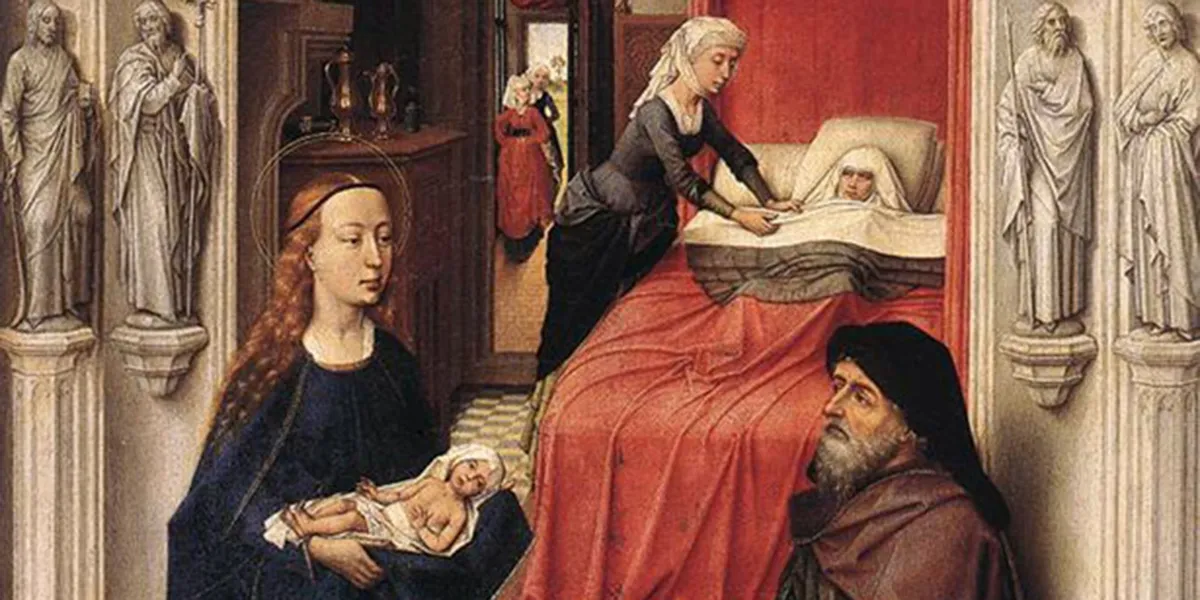
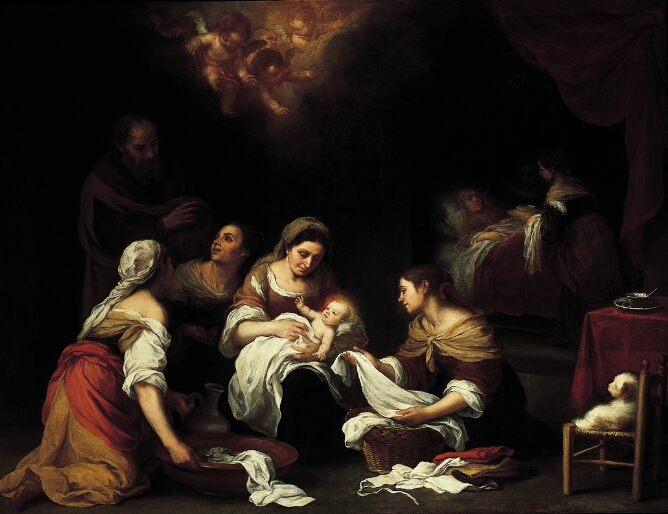
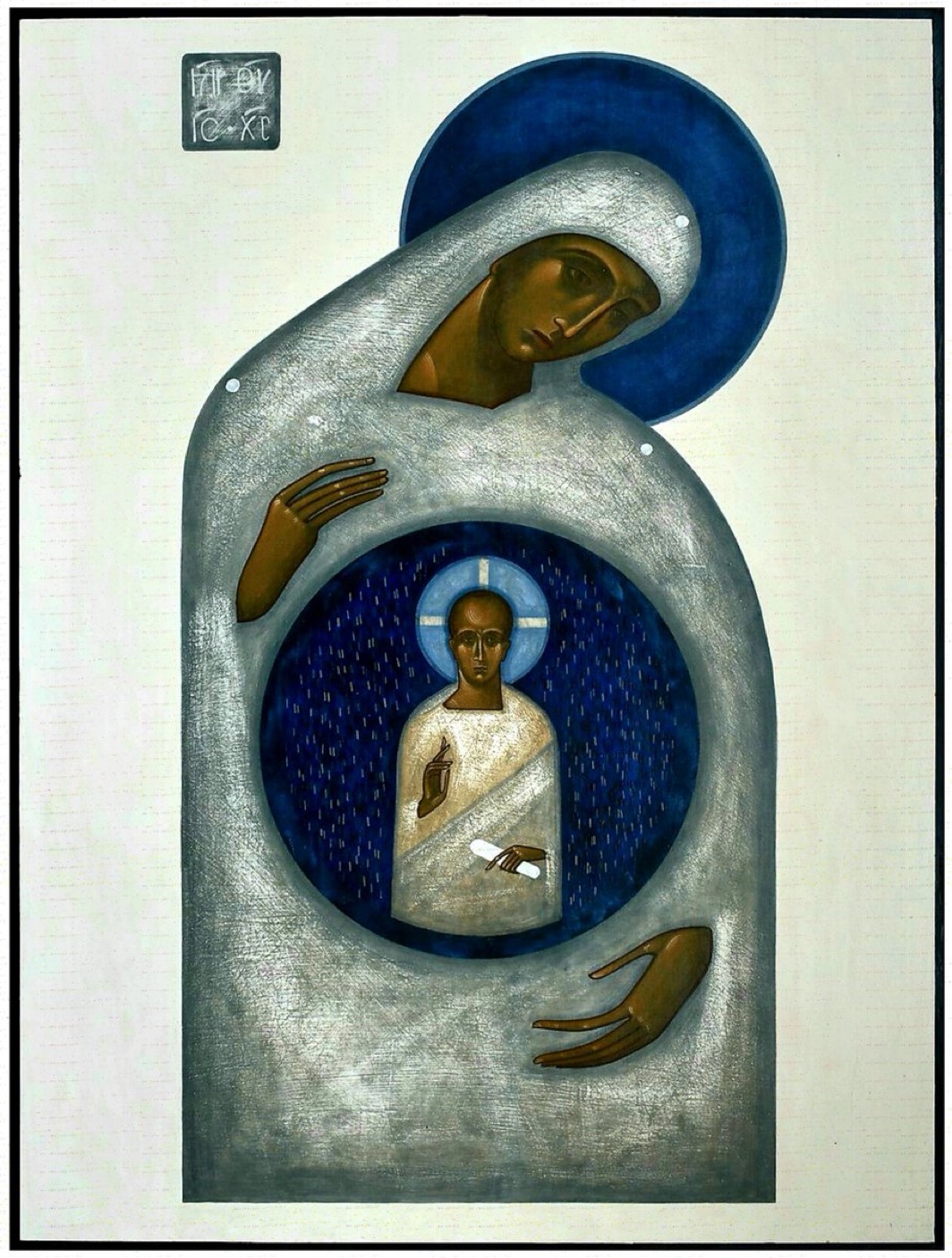
Είθε η Ευλογημένη Μητέρα μας, της οποίας την όμορφη γέννηση θα εορτάσουμε αύριο (για εμάς τους Μαρωνίτες, θυμόμαστε την Κυρία μας της Μαρκί!) στις 8 Σεπτεμβρίου, να πρεσβεύει για όλους μας ώστε να γίνουμε καλύτεροι ακροατές! Αμήν.

+ Σελίμ Σφέιρ

Αρχιεπίσκοπος Μαρωνιτών Κύπρου

Categories
Archbishop’s Teaching

14th Sunday of Pentecost

Κυριακή του Θωμά (Ιωάννης 20 / 26 – 31)

2η Κυριακή μετά την Ανάσταση Ομιλία του Σεβασμιοτάτου Αρχιεπισκόπου Μαρωνιτών Κύπρου Σελίμ Σφέιρ

Αγαπητά εν Χριστώ αδέλφια,

Ο Ιησούς αναστήθηκε από τους νεκρούς, ναι, και εμφανίστηκε στους συγκεντρωμένους μαθητές, αλλά όχι σε όλους, επειδή ο Θωμάς δεν ήταν μαζί τους. Όταν οι δέκα μαθητές διηγήθηκαν στον Θωμά την εμφάνιση του Ιησού, εκείνος δεν πίστεψε, αλλά είπε: «Εγώ αν δεν δω στα χέρια Tου τα σημάδια από τα καρφιά, κι αν δε βάλω το δάχτυλό μου στα σημάδια από τα καρφιά, και δε βάλω το χέρι μου στη λογχισμένη πλευρά Tου, δε θα πιστέψω». (Ιωα 20:25).

Ο Θωμάς αγωνιζόταν με την πίστη του για μια ολόκληρη εβδομάδα, μέχρι που ήρθε η νέα Κυριακή. Αυτό που μας επιβεβαιώνει ότι βρισκόταν σε εσωτερική διαμάχη με την πίστη του είναι ότι ήταν μαζί με τους μαθητές και δεν εγκατέλειψε ούτε αυτούς ούτε την επανενωμένη Εκκλησία. Ο Ιησούς τους εμφανίστηκε ξανά και μίλησε απευθείας στον Θωμά με την επίπληξη της αγάπης και όχι με την αγάπη της επίπληξης και Του είπε: «Άπλωσε εδώ το δάχτυλό σου και κοίταξε τα χέρια μου- άπλωσε επίσης το χέρι σου και βάλε το στην πλευρά μου- και μην είσαι άπιστος, αλλά πιστός.» (Ιωα 20:27)

Κανένας από τους μαθητές δεν είχε ενημερώσει τον Ιησού για τη θέση του Θωμά ή την αντίδρασή του, αλλά ο Ιησούς, παρών στη ζωή του Θωμά, γνωρίζει τις πιο ακριβείς λεπτομέρειές του και θέλει να τον θεραπεύσει από τις αμφιβολίες του.
Συχνά πέφτουμε σε μεγάλες στιγμές αμφιβολίας, όταν χάνουμε την πίστη μας- νιώθουμε ότι ο Θεός είναι μακριά μας, και τα μάτια μας δεν Τον βλέπουν πια, παρά την παρουσία Του και τη σιωπηλή προστασία Του πάνω μας. Το θέλημα του Θεού δεν είναι να παραμείνουμε στην αμφιβολία, δεν είναι επιθυμία Του να ζούμε στην απιστία, αλλά μας αφήνει ένα περιθώριο να επιστρέψουμε στον εαυτό μας, στην εποικοδομητική εσωτερική πάλη, και τότε μας αποκαλύπτεται!

«Άπλωσε το δάχτυλό σου εδώ, και δες τα χέρια μου- επίσης, άπλωσε το χέρι σου, και βάλε το στην πλευρά μου». Με αυτή τη φράση, ο Ιησούς απευθύνεται σήμερα σε εμάς, σαν να λέει στον καθένα μας: «Γνωρίζω τις αμφιβολίες σας, καταλαβαίνω τις ανησυχίες σας, αν θέλετε να πιστέψετε σε μένα, μην απομακρύνεστε, βάλτε το δάχτυλό σας μπροστά και αγγίξτε με, και μην ψηλαφείτε με το πνεύμα του κόσμου για να φτάσετε στην πίστη. Ανοίξτε τα μάτια σας στις πληγές μου και μην εστιάζετε στις δικές σας πληγές, γιατί στις πληγές μου θα βρείτε τη θεραπεία σας!»

Ο κόσμος δεν μπορεί να σας οδηγήσει στον Ιησού, επειδή δεν Τον γνωρίζει: «Αυτός ήταν μέσα στον κόσμο, και ο κόσμος έγινε μέσω αυτού, και ο κόσμος δεν τον γνώρισε» (Ιωα 1:10), επειδή ο κόσμος δεν μπορεί να κατανοήσει τον Θεό με την ανθρώπινη λογική. Ο Ιησούς είπε:

« Όποιος προέρχεται από τη γη, έχει ανθρώπινη προέλευση και μιλάει σαν ένας από τη γη.» (Ιωα 3:31) Όσο για τον Απόστολο Παύλο, μας λέει: «Επειδή ο κόσμος με τη σοφία του δεν γνώρισε τον Θεό με τη σοφία του Θεού, ευδόκησε ο Θεός να σώσει αυτούς που πιστεύουν με την αφροσύνη του κηρύγματος.» (Α΄ Κορ 1:21)

Ο Ιησούς απευθύνεται στον Θωμά με μια φράση της οποίας ο απόηχος εξακολουθεί να μας συγκλονίζει: «Μην είσαι άπιστος, αλλά πίστεψε». Όπως ακριβώς ήθελε ο Θωμάς να πιστέψει σ' Αυτόν, έτσι θέλει κι εμείς να πιστέψουμε σ' Αυτόν, αλλά το μονοπάτι της πίστης που χαράζει απαιτεί να έρθουμε κοντά Του, να βάλουμε τα χέρια μας στα δικά Του, μέσα από μια προσωπική εμπειρία που ο νους δεν μπορεί να κατανοήσει, και να κοιτάξουμε τις πληγές στα χέρια Του και να δούμε τα σημάδια των καρφιών.

Η θέαση αυτών των πληγών οδηγεί την καρδιά μας να πιστέψει στην αγάπη που δόθηκε πάνω στο σταυρό. Και το άγγιγμα των σημαδιών από τα καρφιά ανοίγει τα μάτια μας για να δούμε αυτό που ο κόσμος δεν μπορεί να δει. «Λίγο ακόμα, και ο κόσμος δεν θα με δει πια- εσείς όμως θα με δείτε, γιατί εγώ ζω, και θα ζήσετε κι εσείς».
(Ιωα 14:19) Έτσι μόνο λέμε μαζί με τον Θωμά στον Ιησού: «Ο Κύριός μου και ο Θεός μου!». Αμήν.

+ Σελίμ Σφέιρ
Αρχιεπίσκοπος Μαρωνιτών Κύπρου

Message de Pâques 2024 de Son Excellence Mgr Selim Jean Sfeir Archevêque Maronite de Chypre

Christ est ressuscité !

Chers frères et soeurs en Christ,

Christ est ressuscité !

Le Dieu de l'amour et de la vie a vaincu la mort et offre une vie nouvelle à quiconque
croit et identifie sa vie à Jésus-Christ ressuscité.
En ce jour saint de Pâques, alors que nous nous réunissons dans la joie et la gratitude,
réfléchissons tous à la signification profonde de la résurrection de notre Seigneur.
Pâques n'est pas seulement la célébration de la vie sur la mort, c'est aussi le
témoignage de la puissance de l'amour divin. C'est un rappel poignant que même
dans les moments les plus sombres de notre vie, il y a de l'espoir, il y a de la lumière,
il y a la possibilité d'une conversion et d'une transformation.

L'humanité connaît aujourd'hui de terribles tragédies qui découlent du mal humain.
Les guerres, les conflits, les conflits sanglants, la faim et la discorde frappent non
seulement notre région mais aussi la planète entière. L'égoïsme humain l'emporte
désormais sur l'unité, même au sein de la famille et de la société.

La résurrection du Christ nous enseigne que la réconciliation est possible, que la paix
est possible. En tant que disciples du Christ, baptisés au nom du Père, du Fils et du
Saint-Esprit, nous sommes appelés à être des ouvriers de paix, au service de l'unité
et de la compréhension mutuelle.

Jésus ressuscité est le seul à donner à l'homme l'espoir tangible que la bonté et
l'amour l'emportent toujours.

Mettons notre confiance en celui qui nous a ouvert le chemin de la vie, en celui qui
a donné sa vie pour nous afin de nous offrir la rédemption de nos péchés et de nos
faiblesses. En ce jour saint, engageons-nous à devenir meilleurs et devenir de
meilleurs chrétiens.

Que cette Pâque soit un temps de renouveau spirituel pour chacun d'entre nous.
Trouvons la force et le courage de pardonner, de guérir les blessures du passé et de
construire un avenir meilleur.

Souvenons-nous que la vraie victoire réside dans l'amour démesuré de Dieu.
Tournons-nous vers Celui qui nous a aimés jusqu'à se sacrifier et qui est ressuscité
pour nous donner une vie nouvelle. Abandonnons notre passé, ouvrons nos cœurs et
nos esprits, et empruntons le chemin de l'amour, de la bonté, de la réconciliation, de
la fraternité et de la solidarité.

Que la lumière et l'amour du Christ remplissent nos cœurs et guident nos actions afin
que les valeurs de paix, de justice et de réconciliation prévalent, non seulement à
Chypre et au Moyen-Orient, mais aussi dans le monde entier.

Que la paix et la grâce du Christ ressuscité soient avec vous tous, maintenant et à
jamais.

+ Selim Sfeir
Archevêque Maronite de Chypre

Message of Easter 2024 of H.E. Msgr Selim Sfeir Maronite Archbishop of Cyprus

Christ is risen !

Dear brothers and sisters in Christ,

Christ is risen !

The God of love and life has conquered death and offers new life to all who believe
and identify their lives with the risen Jesus Christ.
On this holy day of Easter, as we gather in joy and gratitude, let us think about the
profound significance of the resurrection of our Lord.

Easter is not only a celebration of life over death; it is also a testimony to the power
of divine love. It is a poignant reminder that even in the darkest moments of our
lives, there is hope, there is light, there is the possibility of conversion and
transformation.

Humanity today faces terrible tragedies that stem from human evil. Wars, conflicts,
bloody strife, hunger and discord strike not only our region but the entire planet.
Human egoism now prevails over unity, even within the family and society.
The resurrection of Christ teaches us that reconciliation is possible, that peace is
possible. As followers of Christ, baptized in the name of the Father, of the Son and
the Holy Spirit, we are called to be peacemakers, serving unity and mutual
understanding.

The risen Jesus is the only one who gives mankind the tangible hope that goodness
and love will always prevail.

Let us place our trust in the one who opened the way to life for us, in the one who
gave his life for us in order to offer us redemption from our sins and weaknesses. On
this holy day, let us commit ourselves to becoming better, and better Christians.
May this Easter be a time of spiritual renewal for each and every one of us. May we
find the strength and courage to forgive, to heal the wounds of the past and to build
a better future.

Let us remember that true victory lies in God's immeasurable love. Let us turn to the
One who loved us to the point of sacrificing himself, and who rose again to give us
new life. Let us abandon our past, open our hearts and minds, and take the path of
love, kindness, reconciliation, brotherhood and solidarity.
May the light and love of Christ fill our hearts and guide our actions, so that the
values of peace, justice and reconciliation prevail, not only in Cyprus and the Middle
East, but also throughout the world.

May the peace and grace of the Risen Christ be with you all, now and forever.

+ Selim Sfeir
Maronite Archbishop of Cyprus

Messaggio di Pasqua 2024 da Sua Eccellenza Mons. Selim Sfeir Arcivescovo Maronita di Cipro

Cristo è risorto!

Cari fratelli e sorelle in Cristo,

Cristo è risorto!

Il Dio dell'amore e della vita ha vinto la morte e offre una nuova vita a chiunque
creda e identifichi la propria vita con Gesù Cristo risorto.
In questo santo giorno di Pasqua, mentre ci riuniamo nella gioia e nella gratitudine,
riflettiamo tutti sul significato profondo della risurrezione di nostro Signore.
La Pasqua non è semplicemente la celebrazione della vita sulla morte, ma è anche la
testimonianza del potere dell'amore divino. È uno struggente promemoria del fatto
che anche nei momenti più bui della nostra vita c'è speranza, c'è luce, c'è possibilità
di conversione e trasformazione.

L'umanità di oggi sta vivendo terribili tragedie che derivano dalla malvagità umana.
Guerre, conflitti, scontri sanguinosi, fame e discordia affliggono non solo la nostra
regione, ma anche l'intero pianeta. L'egoismo umano ha ormai la meglio sull'unità
anche all'interno della stessa famiglia e della società.

La risurrezione di Cristo ci insegna che la riconciliazione è possibile, che la pace è
possibile. Come discepoli di Cristo, battezzati nel nome del Padre, del Figlio e dello
Spirito Santo, siamo chiamati a essere operatori di pace, al servizio dell'unità e della
comprensione reciproca.

Gesù risorto è l'unico che dà all'uomo la speranza tangibile che il bene e l'amore
vincano sempre. Affidiamoci a Colui che ci ha aperto la via della vita, a Colui che
ha dato la vita per noi per offrirci la redenzione dal male e dal nostro io malvagio.
In questo giorno santo promettiamo a noi stessi che saremo cristiani migliori e
persone migliori.

Che questa Pasqua sia un momento di rinnovamento spirituale per ciascuno di noi.
Troviamo la forza e il coraggio di perdonare, di guarire le ferite del passato e di
costruire un futuro migliore.

Che la vera vittoria è nell'amore supremo di Dio. Avviciniamoci a
Colui che ci ha amato fino alla morte ed è risorto per darci una nuova vita.
Lasciamoci alle spalle la nostra vecchia vita, apriamo i nostri cuori e le nostre menti
e camminiamo sul sentiero dell'amore, della gentilezza, della riconciliazione, della
fratellanza e della solidarietà.

Che la luce e l'amore di Cristo riempiano i nostri cuori e guidino le nostre azioni per
lavorare per la prevalenza dei valori di pace, giustizia e riconciliazione non solo nella
nostra Cipro e nel Medio Oriente, ma anche nel mondo intero.

La pace e la grazia del Signore risorto siano con tutti voi, oggi e sempre.

+ Selim Sfeir
Arcivescovo Maronita di Cipro

Πασχαλινό μήνυμα 2024

Αγαπητά εν Χριστώ αδέλφια,

Χριστός Ανέστη!

Ο Θεός της αγάπης και της ζωής νίκησε τον θάνατο και προσφέρει τη νέα ζωή σε
όποιον πιστεύει και ταυτίζει την ζωή του με τον Αναστημένο Ιησού Χριστό.
Σε αυτήν την άγια ημέρα του Πάσχα, καθώς συγκεντρωνόμαστε με χαρά και
ευγνωμοσύνη, ας αναλογιστούμε όλοι μας το βαθύ νόημα της Ανάστασης του
Κυρίου μας.

Το Πάσχα δεν είναι απλά η γιορτή της ζωής επι του θανάτου, αλλά είναι επίσης η
μαρτυρία της δύναμης της θείας αγάπης. Είναι μια συγκινητική υπενθύμιση ότι
ακόμα και στις πιο σκοτεινές στιγμές της ζωής μας, υπάρχει ελπίδα, υπάρχει φως,
υπάρχει η δυνατότητα μεταστροφής και μεταμόρφωσης.

H ανθρωπότητα σήμερα ζει φρικτές τραγωδίες που προέρχονται από την ανθρώπινη
κακία. Πόλεμοι, συγκρούσεις, αιματηρές διενέξεις, πείνα και διχόνοια μαστίζουν
όχι μόνο την κοντινή μας περιοχή αλλά και όλο τον πλανήτη. Ο ανθρώπινος
εγωισμός, υπερέχει πλέον της ενότητας ακόμη και μέσα στην ίδια την οικογένεια
και μέσα στην κοινωνία.

Η Ανάσταση του Χριστού μας διδάσκει ότι η συμφιλίωση είναι δυνατή, ότι η ειρήνη
είναι εφικτή. Ως μαθητές του Χριστού, βαπτισμένοι στο όνομα του Πατρός, του
Υιού και του Αγίου Πνεύματος, καλούμαστε να είμαστεεργάτες ειρήνης,
υπηρετώντας την ενότητα και την αμοιβαία κατανόηση.

Ο Αναστημένος Ιησούς είναι ο μόνος που δίνει χειροπιαστή ελπίδα στον άνθρωπο
ότι η καλοσύνη και η αγάπη πάντα νικούν. Ας θέσουμε την εμπιστοσύνη μας σε
Εκείνον που μας άνοιξε το δρόμο της ζωής, σε Εκείνον που έδωσε τη ζωή Του για
μας για να μας προσφέρει τη λύτρωση από το κακό αλλά και από τον κακό μας
εαυτό. Σε αυτή την Άγια μέρα ας υποσχεθούμε στον εαυτό μας ότι θα γίνουμε
καλύτεροι χριστιανοί και καλύτεροι άνθρωποι.

Ας είναι το Πάσχα αυτό ένας χρόνος πνευματικής ανανέωσης για τον καθέναν από
εμάς. Ας βρούμε τη δύναμη και το θάρρος να συγχωρήσουμε, να θεραπεύσουμε τις
πληγές του παρελθόντος και να χτίσουμε ένα καλύτερο μέλλον.

Ας θυμόμαστε ότι η πραγματική νίκη βρίσκεται στην υπέρτατη αγάπη του Θεού. Ας
πλησιάσουμε σε Εκείνον που μας αγάπησε μέχρι θανάτου και αναστήθηκε για να
μας δώσει νέα ζωή. Ας αφήσουμε πίσω μας την παλιά μας ζωή, ας ανοίξουμε την
καρδιά και το μυαλό κι ας βαδίσουμε στον δρόμο της αγάπης, της καλοσύνης, της
συμφιλίωσης, της αδελφοσύνης και της αλληλεγγύης.

Το φως και η αγάπη του Χριστού μας ας γεμίσει τις καρδιές μας και ας καθοδηγήσει
τις πράξεις μας ώστε να εργαζόμαστε για την επικράτησή των αξιών της ειρήνης,
της δικαιοσύνης και της συμφιλίωσης όχι μόνο στην Κύπρο μας και στην Μέση
Ανατολή αλλά και σε όλο τον κόσμο.

Η ειρήνη και η χάρη του Αναστημένου Κυρίου να είναι μαζί με όλους σας, σήμερα
και πάντοτε.

Αληθώς Ανέστη!

+ Σελίμ Σφέηρ
Αρχιεπίσκοπος Μαρωνιτών Κύπρου

Temps du Grand Carême 7ème dimanche du Carême

Dimanche des Rameaux (Jean 12 : 12-22)

Chers frères et sœurs en Christ,

Jésus entra à Jérusalem, monté sur un âne, accomplissant la prophétie qui dit : "Sois transportée d`allégresse, fille de Sion! Pousse des cris de joie, fille de Jérusalem! Voici, ton roi vient à toi; Il est juste et victorieux, Il est humble et monté sur un âne, Sur un âne, le petit d`une ânesse." Zacharie 9:9. La foule lui fit bon accueil, agitant des branches de palmier et d'olivier, en criant : "Hosanna ! Béni soit celui qui vient au nom du Seigneur, le roi d`Israël!", Hosanna signifiant "sauve-nous", c'était le cri de joie populaire à l'entrée de Jésus à Jérusalem. Un cri que nous répétons encore dans nos chants le dimanche des Rameaux précédant la semaine de Pâques. Cette expression n'était pas nouvelle, mais elle était une expression prophétique messianique qui se trouve dans le livre des Psaumes : "Béni soit celui qui vient au nom du Seigneur. Nous vous bénissons de la maison de l'Éternel. L'Éternel est Dieu, et il nous éclaire. Attachez la victime avec des liens, Amenez-la avec des branches jusqu`aux cornes de l`autel!" Psaume 118:26-27

Cette expression décrit l'identité de celui dont elle est prononcée, il est roi, prêtre et prophète.
Roi, car il entre dans sa ville, monté sur un âne comme le faisaient les rois de l'ancienne alliance lorsqu'ils venaient vers leurs sujets porteurs de paix, non pas sur un cheval symbolisant une guerre imminente.
Prophète, car il vient au nom du Seigneur, portant le message de Dieu à son peuple.
Et prêtre, car le sacrifice est préparé pour lui, attaché aux cornes de l'autel, et c'est lui qui l'offrira à Dieu pour expier les péchés de son peuple.
Ils ont crié cette expression prophétique sans réaliser que celui qui venait vers eux accomplissait son sens à la lettre. Ils ont élevé leurs voix en répétant les paroles du psaume avec joie, attendant l'entrée de Jésus, sans être conscients de son identité messianique. Ils lui ont crié et n'ont pas réalisé qu'il était le sacrifice qui serait cloué sur la Croix pour être leur "Sauveur", la raison de leur salut éternel.
Quant à lui, il savait tout ! C'était un jour de joie pour le peuple, et le début de ses souffrances rédemptrices. Comme un père conduit par ses enfants pour mourir à leur place, il marchait parmi eux dans le silence de l'amour sacrificiel, portant leurs péchés et leurs peines alors qu'ils exultaient en le louant. Tout ce qu'il voulait, c'était de voir la joie du salut sur leurs visages, réalisant la prophétie d'Isaïe qui dit : " Il a été maltraité et opprimé, Et il n’a point ouvert la bouche, Semblable à un agneau qu`on mène à la boucherie, A une brebis muette devant ceux qui la tondent; Il n`a point ouvert la bouche. " Isaïe 53:7
Oui, mes frères et mes sœurs bien-aimés, c'est notre Christ qui vient vers nous comme un roi humble, comme l'agneau du sacrifice innocent, monté sur un âne humble, et non pas sur un cheval de guerre brandissant l'épée de la justice divine pour se venger de nos péchés.
Il est le plus grand prophète de Dieu et son fils unique, le prêtre de la nouvelle alliance qui s'offre lui-même à Dieu le Père en sacrifice pour nous cette semaine sainte à venir.
Sortons donc à sa rencontre, portant des rameaux de palmier et d'olivier, criant de tout notre cœur "Hosanna", c'est-à-dire "libère-nous" et vivons vraiment cette expression. Croyons qu'il est celui qui vient au nom du Seigneur pour nous sauver, pour porter nos péchés. Criaillons vers lui "Sauve-nous", confessant nos péchés, et que ce cri soit un véritable acte de repentance transformant nos vies et nous conduisant à l'autel de l'église, à l'offrande qui nous rapproche de lui, afin que nous vivions à chaque liturgie le sacrifice de la Pâque qui s'offre à nous éternellement, afin que nous puissions recevoir de lui la raison de notre salut.
Portons-lui des rameaux de palmier et d'olivier et sortons à sa rencontre, non seulement aujourd'hui, mais chaque jour de notre vie, sortons à sa rencontre avec l'esprit de victoire qu'il a réalisée sur la croix et qui nous a affranchis de l'esclavage du péché. Sortons aujourd'hui pour le rencontrer avec la vraie joie, car il est notre unique Sauveur et personne d'autre ne mérite que nous criions vers lui "Sauve-nous".

† Selim Sfeir
Archevêque Maronite de Chypre

Περίοδος της Μεγάλης Σαρακοστής 7η Κυριακή της Σαρακοστής Kυριακή των Βαίων (Ιωάννης 12 / 12-22)

Kυριακή των Βαίων (Ιωάννης 12 / 12-22)

Αγαπητά εν Χριστώ αδέλφια,
Ο Ιησούς μπήκε στην Ιερουσαλήμ πάνω σ' ένα γαιδουράκι εκπληρώνοντας την προφητεία που λέει: «Χαίρε, θυγατέρα της Σιών! Φώναξε από χαρά, κόρη της Ιερουσαλήμ! Ιδού, ο Βασιλιάς σου έρχεται σε σένα- είναι δίκαιος και νικητής, είναι ταπεινός και κάθεται πάνω σε γάιδαρο, πάνω σε γαϊδουράκι, πουλάρι γαϊδούρας». Ζαχαρίας 9:9. Το πλήθος τον υποδέχτηκε, ανεμίζοντας κλαδιά φοίνικα και ελιάς και φωνάζοντας «Ωσαννά! Ευλογημένος αυτός που έρχεται στο όνομα του Κυρίου, ο βασιλιάς του Ισραήλ!» Ωσαννά, που σημαίνει «σώσε μας», ήταν η λαϊκή κραυγή χαράς όταν ο Ιησούς εισήλθε στην Ιερουσαλήμ. Είναι μια κραυγή που επαναλαμβάνουμε ακόμα στα τραγούδια μας την Κυριακή των Βαΐων πριν από την εβδομάδα του Πάσχα. Η έκφραση αυτή δεν ήταν καινούργια, αλλά ήταν μια μεσσιανική προφητική έκφραση που συναντάται στο βιβλίο των Ψαλμών: «Ευλογημένος αυτός που έρχεται στο όνομα του Κυρίου. Σας ευλογούμε από τον οίκο του Κυρίου. Ο Κύριος είναι Θεός και μας δίνει φως. Δέστε το θύμα με δεσμά, φέρτε το με κλαδιά στα κέρατα του θυσιαστηρίου!». Ψαλμός 118:26-27

Αυτή η έκφραση περιγράφει την ταυτότητα εκείνου για τον οποίο εκφωνείται: είναι βασιλιάς, ιερέας και προφήτης.

Βασιλιάς, επειδή εισέρχεται στην πόλη του καβάλα σε ένα γαϊδουράκι, όπως ακριβώς έκαναν οι βασιλιάδες της Παλαιάς Διαθήκης όταν έρχονταν στους υπηκόους τους ως φορείς ειρήνης, και όχι πάνω σε άλογο που συμβόλιζε τον επικείμενο πόλεμο.
Προφήτης, επειδή έρχεται στο όνομα του Κυρίου, μεταφέροντας το μήνυμα του Θεού στο λαό Του.

Και ιερέας, επειδή η θυσία είναι έτοιμη γι' αυτόν, δεμένη στα κέρατα του θυσιαστηρίου, και είναι Αυτός που θα την προσφέρει στον Θεό για να εξιλεωθεί για τις αμαρτίες του λαού Του.

Φώναζαν αυτή την προφητική έκφραση χωρίς να συνειδητοποιούν ότι αυτός που ερχόταν προς το μέρος τους εκπλήρωνε κατά γράμμα το νόημά της. Ύψωσαν τις φωνές τους, επαναλαμβάνοντας τα λόγια του ψαλμού με χαρά, περιμένοντας τον Ιησού να εισέλθει, χωρίς να έχουν επίγνωση της μεσσιανικής Του ταυτότητας. Τον φώναζαν και δεν συνειδητοποιούσαν ότι ήταν η θυσία που θα καρφωνόταν στον Σταυρό για να γίνει ο «Σωτήρας» τους, ο λόγος της αιώνιας σωτηρίας τους.

Όσο γι' αυτόν, ήξερε τα πάντα! Ήταν μια μέρα χαράς για τους ανθρώπους και η αρχή των λυτρωτικών τους δεινών. Σαν πατέρας που οδηγείται από τα παιδιά Του για να πεθάνει στη θέση τους, περπατούσε ανάμεσά τους με τη σιωπή της θυσιαστικής αγάπης, σηκώνοντας τις αμαρτίες και τις θλίψεις τους, ενώ εκείνοι χαιρόντουσαν δοξάζοντάς Τον. Το μόνο που ήθελε ήταν να δει τη χαρά της σωτηρίας στα πρόσωπά τους, εκπληρώνοντας την προφητεία του Ησαΐα: «Κακοποιήθηκε και καταπιέστηκε και δεν άνοιξε το στόμα του, σαν αρνί που οδηγείται στη σφαγή, σαν πρόβατο βουβό μπροστά σ' αυτούς που το κουρεύουν- δεν άνοιξε το στόμα του.» Ησαΐας 53:7

Ναι, αγαπημένοι μου αδελφοί και αδελφές, είναι ο Χριστός μας που έρχεται σε μας ως ταπεινός βασιλιάς, ως το αρνί της αθώας θυσίας, καβάλα σε ένα ταπεινό γαϊδουράκι, όχι σε ένα πολεμικό άλογο που κραδαίνει το σπαθί της θείας δικαιοσύνης για να εκδικηθεί τις αμαρτίες μας.
Είναι ο μεγαλύτερος προφήτης και μοναχογιός του Θεού, ο ιερέας της Νέας Διαθήκης που προσφέρει τον εαυτό Του στον Θεό Πατέρα ως θυσία για εμάς την ερχόμενη Μεγάλη Εβδομάδα.

Ας βγούμε λοιπόν να τον συναντήσουμε, κρατώντας κλαδιά φοίνικα και ελιάς, φωνάζοντας με όλη μας την καρδιά «Ωσαννά», που σημαίνει «ελευθέρωσέ μας», και ας ζήσουμε πραγματικά αυτή την έκφραση. Ας πιστέψουμε ότι είναι Αυτός που έρχεται στο όνομα του Κυρίου για να μας σώσει, για να σηκώσει τις αμαρτίες μας. Ας του φωνάξουμε «Σώσε μας», εξομολογούμενοι τις αμαρτίες μας, και ας είναι αυτή η κραυγή μια αληθινή πράξη μετάνοιας που μεταμορφώνει τη ζωή μας και μας οδηγεί στο θυσιαστήριο της εκκλησίας, στην προσφορά που μας φέρνει πιο κοντά Του, έτσι ώστε σε κάθε λειτουργία να βιώνουμε τη θυσία του Πάσχα που μας προσφέρεται αιώνια, για να μπορούμε να λάβουμε από Εκείνον τον λόγο της σωτηρίας μας.

Ας του φέρουμε φοίνικες και κλαδιά ελιάς και ας βγούμε να Τον συναντήσουμε, όχι μόνο σήμερα, αλλά κάθε μέρα της ζωής μας, ας βγούμε να Τον συναντήσουμε με το πνεύμα της νίκης που πέτυχε στο σταυρό και που μας απελευθέρωσε από τη σκλαβιά της αμαρτίας. Ας βγούμε σήμερα να Τον συναντήσουμε με αληθινή χαρά, γιατί είναι ο μόνος μας Σωτήρας και κανείς άλλος δεν αξίζει να του φωνάξουμε «Σώσε μας». Αμήν.

+ Σελίμ Σφέιρ
Αρχιεπίσκοπος Μαρωνιτών Κύπρου


Palm Sunday (John 12 : 12-22)

Great Lent period 7th Sunday of Lent, Hosanna (Palm) Sunday (John 12 : 12-22)

Great Lent period
7th Sunday of Lent

Homily of His Excellency Selim Sfeir
Maronite Archbishop of Cyprus

Palm Sunday

John 12 : 12-22

Dear brothers and sisters in Christ,

Jesus entered Jerusalem riding on a donkey, fulfilling the prophecy that says: “Rejoice greatly, O daughter of Zion! Shout, O daughter of Jerusalem! Behold, your King is coming to you; He is just and having salvation, Lowly and riding on a donkey, A colt, the foal of a donkey.” Zechariah 9:9. The crowd welcomed him, waving palm and olive branches and shouting, “Hosanna! Blessed be he who comes in the name of the Lord, the King of Israel!” Hosanna, means ‘save us’, and it was the popular cry of joy at Jesus' entry into Jerusalem. It is a cry we still repeat in our hymnals on Palm Sunday before Holy week.
This expression was not new, but it was a messianic prophetic expression found in the book of Psalms: “Blessed is he who comes in the name of the Lord. We bless you from the house of the Lord. The Lord is God, and he gives us light. Bind the sacrifice with cords to the horns of the altar!” Psalm 118:26-27

This expression describes the identity of the one from whom it is pronounced: he is king, priest and prophet.
King, because he enters his city, mounted on a donkey as did the kings of the Old Covenant when they came to their subjects bearers of peace, not on a horse symbolizing imminent war.

Prophet, because he comes in the name of the Lord, bringing God's message to his people.

And priest, because the sacrifice is prepared for him, tied to the horns of the altar, and it is he who will offer it to God to expiate the sins of his people.

They shouted this prophetic expression without realizing that the one coming towards them was fulfilling its literal meaning. They raised their voices, repeating the words of the psalm with joy, awaiting Jesus' entrance, unaware of his messianic identity. They cried out to him, not realizing that he was the sacrifice who would be nailed to the Cross to be their “Savior”, the reason for their eternal salvation.

As for him, he knew everything! It was a day of joy for the people, and the beginning of his redemptive sufferings. Like a father led by his children to die in their place, he walked among them in the silence of sacrificial love, bearing their sins and sorrows as they exulted in praising him. All he wanted was to see the joy of salvation on their faces, fulfilling Isaiah's prophecy that “He was abused and oppressed, And he didn't open his mouth, Like a lamb led to the slaughter, Like a sheep dumb before those who shear it; He didn't open his mouth”. Isaiah 53:7

Yes, dear brothers and sisters, it is our Christ who comes to us as a humble king, as the lamb of innocent sacrificial lamb, mounted on a humble donkey, not a warhorse brandishing the sword of divine justice to avenge our sins.

He is God's greatest prophet and only son, the priest of the New Covenant who offers himself to God the Father as a sacrifice for us this coming Holy Week.
So let us go out to meet him, bearing palm and olive branches, crying out with all our heart “Hosanna”, that is, “deliver us”, and let us truly live this expression. Let us believe that he is the one who comes in the name of the Lord to save us, to bear our sins. Let us cry out to him “Save us”, confessing our sins, and let this cry be a true act of repentance transforming our lives and leading us to the altar of the church, to the offering that brings us closer to him, so that at every liturgy we live the Passover sacrifice that is offered to us eternally, so that we can receive from him the reason for our salvation.

Let us carry palm and olive branches to him and go out to meet him, not just today, but every day of our lives, let us go out to meet him with the spirit of victory that he achieved on the cross and that freed us from the slavery of sin. Let us go out today to meet him with true joy, for he is our only Savior and no one else deserves that we cry out to him “Save us”.

† Selim Sfeir
Maronite Archbishop of Cyprus

Περίοδος της Μεγάλης Σαρακοστής 6η Κυριακή της Σαρακοστής (Μάρκος 10 / 46-52) April 21, 2024

Αγαπητά εν Χριστώ αδέλφια,

Ο Ιησούς είχε στρέψει το πρόσωπό Του προς την Ιερουσαλήμ όταν πέρασε τελευταία φορά από την Ιεριχώ. Μπήκε μέσα με τους μαθητές Του και βγήκε πάλι έξω, αλλά όχι χωρίς να αφήσει ένα χαρακτηριστικό σημάδι. Ο Βαρτιμαίος, ο τυφλός ζητιάνος, γιος του Τιμαίου, καθόταν στην άκρη του δρόμου, ζητιανεύοντας, περιμένοντας όπως έκανε κάθε μέρα να περάσουν ευεργέτες και να του δώσουν μερικά νομίσματα για να ικανοποιήσει τις ανάγκες του!

Ο Βαρτιμαίος άκουσε θορύβους και φωνές που δεν είχε συνηθίσει να ακούει κάθε μέρα, και ίσως ρώτησε κάποιον από τους περαστικούς την ταυτότητα των ανθρώπων που τον πλησίαζαν, και η απάντηση ήταν ένας πειρασμός: Είναι ο Ιησούς από τη Ναζαρέτ με ένα πλήθος ανθρώπων που περνούσε από εκεί.

Πρέπει να πούμε εδώ ότι ένας ζητιάνος γνωστός στην πόλη του ως γιος του Τίμαιου, είχε «τα αυτιά του» για να ακούει τι γινόταν μέσα στην πόλη, ενώ αυτός ήταν έξω! Είχε ακούσει για τον Ιησού, τον προφήτη, Υιό του Δαβίδ που δίδασκε τη φιλανθρωπία και έκανε το καλό. Ίσως η ελπίδα να είχε καταβάλει το μυαλό του, γιατί ο πρώτος στόχος του ζητιάνου ήταν τα χρήματα και σήμερα ήταν η μέρα που ήλπιζε να τα αποκομίσει άφθονα, γιατί αυτός που περνάει αγαπάει τους φτωχούς και όσοι είναι μαζί Του επηρεάζονται από τη διδασκαλία Του, οπότε θα απολάμβανε τον ήχο του χαλκού και του ασημιού και θα επικεντρωνόταν στο μέτρημα και την επόμενη φορά θα τον σταματούσε και θα του ζητούσε να δει.

Σηκώθηκε όρθιος και φώναξε: «Ιησού, Υιέ του Δαβίδ, ελέησέ με!», αλλά εδώ ήταν η απελπισία, αντί να βοηθηθεί από εκείνους που περπατούσαν με τον Ιησού, τον επέπληξαν επειδή σιωπούσε! Αλλά αυτό ήταν ένα σημείο καμπής στη ζωή του, χωρίς καμία ελπίδα για τους ανθρώπους! Φώναξε ακόμα πιο δυνατά: «Γιε του Δαβίδ, ελέησέ με!». Και ο Ιησούς περίμενε αυτή τη δεύτερη κραυγή, που προερχόταν από την απελπισία μιας καρδιάς πληγωμένης από τη σκληρότητα των ανθρώπινων καρδιών, σταμάτησε και τον φώναξε.

Το πλήθος του είπε: «Θάρρος! Σήκω πάνω! Σε φωνάζει», οπότε έριξε τον μανδύα του, σηκώθηκε και τον πλησίασε. Όταν άκουσε τη φωνή του Ιησού, εγκατέλειψε ό,τι του ανήκε, εγκατέλειψε ό,τι τον προστάτευε από τη ζέστη της ημέρας και το κρύο της νύχτας, και έστρεψε τα σκοτεινά του μάτια σε έναν και μόνο στόχο: να τον συναντήσει πρόσωπο με πρόσωπο, έστω κι αν δεν μπορούσε να τον δει με τα θαμπά του μάτια, αλλά η δόξα του Θεού δεν κρύβεται από τα μάτια της συντετριμμένης καρδιάς. Ο λόγος του Θεού λέει: «Οι θυσίες που είναι ευάρεστες στον Θεό είναι το συντετριμμένο πνεύμα: Θεέ μου, δεν καταφρονείς τη συντετριμμένη καρδιά». (Ψαλμ. 51: 17).

Στάθηκε μπροστά του και ο Ιησούς τον ρώτησε: «Τι θέλεις να σου κάνω;», και ίσως αυτή να ήταν η πιο δύσκολη ερώτηση της ζωής του. Πέρασαν δευτερόλεπτα κατά τη διάρκεια των οποίων όλη του η ζωή πέρασε από το μυαλό του για να βρει την απάντηση: «Κύριε, ας ξαναδώ!». Και η θεραπευτική απάντηση του Ιησού ήταν: «Πήγαινε, η πίστη σου σε έσωσε». Τότε άνοιξαν τα μάτια του και μπροστά του στάθηκε το λαμπρό πρόσωπο του Θεού, και ήταν ίσως μια από τις πιο όμορφες στιγμές της ζωής του, η πρώτη εικόνα που είχε μετά την τύφλωσή του ήταν το στοργικό πρόσωπο του Θεού.

Είναι αλήθεια ότι ο γιος του Τίμαιου δεν είχε την όραση, αλλά είχε διορατική εσωτερική όραση. Έκανε καλά που δεν ενέδωσε στον πειρασμό του ήχου των νομισμάτων και δεν ανέβαλε τη συνάντησή του με τον Ιησού, γιατί το πέρασμα του Ιησού από την Ιεριχώ ήταν το τελευταίο πριν από την Ιερουσαλήμ και τον σταυρό, και επρόκειτο να χάσει τη συνάντησή του με τον Θεό.

Σήμερα, εμείς που έχουμε απογοητευτεί από τον κόσμο, πρέπει να συγκεντρώσουμε την ουσία της ζωής μας και να σταθούμε μπροστά στον Ιησού που μας ρωτά για το τι επιθυμούμε στην ζωή, ώστε η απάντησή μας να είναι σαν αυτή του τυφλού: «Θέλω να δω!». Το δικό Σου φως, Κύριε! Θέλω να ανοίξουν τα μάτια μου μετά την πνευματική τύφλωση που με κατατρώει σε αυτόν τον ξεπεσμένο κόσμο, ώστε να μπορώ να κοιτάξω στα μάτια σου και να βυθιστώ στην αγάπη σου που σε οδήγησε να δοθείς για μένα στον Σταυρό.
Σήμερα, έχουμε μεγάλη ανάγκη να κατανοήσουμε την αξία της συνάντησης με τον Χριστό, να εγκαταλείψουμε όλα όσα μας δεσμεύουν σε αυτόν τον εφήμερο κόσμο, όπως έκανε ο Βαρτίμαιος για να σταθεί μπροστά στον Ιησού.

Ο προφήτης Ησαΐας μας λέει: «Δώσε προσοχή και έλα σε μένα- άκουσε, και η ψυχή σου θα ζήσει» (Ησαΐας 55:3). Και ο συγγραφέας της επιστολής προς Εβραίους αναφέρει τα λόγια του προφήτη Δαβίδ στον Ψαλμό 95: «Σήμερα, αν ακούσετε τη φωνή Του, μην σκληρύνετε τις καρδιές σας». (Προς Εβραίους 4:7). Αμήν.

+ Σελίμ Σφέιρ
Αρχιεπίσκοπος Μαρωνιτών Κύπρου

Temps du Grand Carême 6ème dimanche du Carême (Marc 10: 46-52)

Chers frères et sœurs en Christ,

Jésus avait fixé son visage vers Jérusalem, et c’était lors de son dernier passage à Jéricho. Il y entra avec ses disciples et en sortit, mais pas sans laisser une marque distinctive. Bartimée, l’aveugle mendiant, fils de Timée, était assis au bord de la route, mendiant, attendant comme chaque jour le passage des bienfaiteurs pour lui donner quelques pièces qui satisferaient ses besoins !

Bartimée entendit des bruits et des voix qu’il n’avait pas l’habitude d’entendre chaque jour, et peut-être demanda-t-il à l’un des passants l’identité des personnes qui s’approchaient de lui, et la réponse lui fut une tentation : C’est Jésus de Nazareth avec une foule de gens qui passent. Il faut dire ici qu’un mendiant bien connu dans sa ville comme le fils de Timée, avait “ses oreilles” pour entendre ce qui se passait à l’intérieur de la ville alors qu’il était à l’extérieur ! Il avait entendu parler de Jésus, ce prophète Fils de David qui enseignait la charité et faisait le bien. Peut-être que l’espoir a pris possession de son esprit, car le premier objectif du mendiant était l’argent, et aujourd’hui était le jour espéré pour en récolter abondamment, car celui qui passe aime les pauvres, et ceux qui sont avec lui, sont influencés par son enseignement, alors il apprécierait le son du cuivre et de l’argent et se concentrerait sur son comptage, et la prochaine fois, il l’arrêterait pour lui demander la vue.
Il se mit en relief, et cria : “Jésus, Fils de David, aie pitié de moi !”, mais ici fut le désespoir, au lieu d’être aidé par ceux qui marchaient avec Jésus, ils le réprimandèrent pour se taire ! Mais, c’était un tournant dans sa vie, sans aucun espoir chez les hommes ! Il cria encore plus fort : “Fils de David, aie pitié de moi !” Et Jésus attendait ce deuxième cri, venant du désespoir d’un cœur blessé par la cruauté des cœurs humains, il s’arrêta et l’appela.

La foule lui dit : “Prends courage ! Lève-toi ! Il t’appelle”, alors il laissa tomber son manteau, se leva et vint à lui. Il laissa tout ce qu’il possédait en entendant la voix de Jésus, abandonna ce qui le protégeait de la chaleur du jour et du froid de la nuit, et fixa ses yeux sombres sur un seul objectif: le rencontrer face à face, même s’il ne pouvait pas le voir de ses yeux éteints, mais la gloire de Dieu ne se cache pas aux yeux du cœur brisé. La parole de Dieu dit : “Les sacrifices qui sont agréables à Dieu, c`est un esprit brisé: O Dieu! tu ne dédaignes pas un cœur brisé et contrit.” (Ps 51: 17)

Il se tint devant lui, et Jésus lui demanda : “Que veux-tu que je te fasse ?”, et peut-être que c’était la question la plus difficile de sa vie. Des secondes passèrent pendant lesquelles toute sa vie lui traversa l’esprit pour trouver la réponse : “Seigneur, que je recouvre la vue !” Et la réponse guérissante de Jésus fut : “Va, ta foi t’a sauvé.” Alors ses yeux s’ouvrirent, et devant lui se tenait le visage resplendissant de Dieu, et c’était peut-être l’un des moments les plus beaux de sa vie, le premier regard qu’il ait eu après sa cécité était le visage aimant de Dieu.

Il est vrai que la vision oculaire manquait au fils de Timée il avait une vision intérieure perspicace. Il a bien fait de ne pas céder à la tentation du son des pièces de monnaie, et de ne pas reporter sa rencontre avec Jésus, car le passage de Jésus à Jéricho était le dernier avant Jérusalem et la croix, et il était sur le point de manquer sa rencontre avec Dieu.

Aujourd’hui, nous avons grandement besoin de cette clairvoyance qui sait discerner la voix de Jésus qui nous appelle au milieu du tumulte des voix du monde qui nous entourent, pour que nous répondions à son appel !
Aujourd’hui, nous avons grandement besoin de désirer rencontrer celui dont nous avons entendu parler maintes fois dans notre vie, pour ne pas laisser passer l’occasion et ne pas remettre à plus tard notre rendez-vous avec lui, car la prochaine occasion pourrait ne pas se présenter !

Aujourd’hui, nous qui avons été déçus par le monde, avons grandement besoin de rassembler l’essence de notre vie et de nous tenir devant Jésus qui nous demande le désir de notre vie, pour que notre réponse soit comme celle de l’aveugle : “Je veux voir !” Voir ta lumière, Seigneur ! Je veux que mes yeux s’ouvrent après la cécité spirituelle qui me consume dans ce monde déchu, pour que je puisse regarder dans tes yeux et plonger dans ton amour qui t’a conduit à te donner pour moi sur la Croix.

Aujourd’hui, nous avons grandement besoin de comprendre la valeur de la rencontre avec le Christ, pour abandonner tout ce qui nous attache à ce monde éphémère, comme l’a fait Bartimée pour se tenir devant Jésus.

Le prophète Isaïe nous dit : “Prêtez l`oreille, et venez à moi, Écoutez, et votre âme vivra” (Isaïe 55: 3). Et l’écrivain de la lettre aux Hébreux rapporte les paroles du prophète David dans le Psaume 95 : “Aujourd`hui, si vous entendez sa voix, n`endurcissez pas vos cœurs.” (Hébreux 4: 7)

† Selim Sfeir
Archevêque Maronite de Chypre

Martha and Mary (Luke 10 : 38-42)

Dear brothers and sisters in Christ,

The Canonization of Blessed Giorgio Frassati and Blessed Carlos Acutis.

Today in the holy city of Rome, our beloved Holy Father, Pope Leo XIV will solemnly elevate for the whole Church two new saints, Giorgio Frassati and Carlos Acutis. Both of these young men died very young, yet in their brief journey, they show that living for Christ takes nothing away from life but fills it with meaning and joy.

The saints are the experts in listening. Like Mary of Bethany, the saints are attentive to the voice of Christ.  They hear Him in the reading of the Gospel, they hear Him in the voice of the Church’s teaching, they hear Him in the voices of the poor and the immigrant, they hear Him in the silence of the Blessed Sacrament.  The saints don’t just hear Jesus, they listen to Him. This work of listening is to discover the voice of Christ in those right beside us, in our families and our place of work. It's also about trying to hear the voice of Christ in our contemporaries, some of whom are far from the Church.  Even in their estrangement, they are creatures of Logos, of reason, and can be unwitting transmitters of the truth.  We need to have hearts and ears capable of hearing Christ speaking from the most unlikely places.

Poor Martha in her busy kitchen of Bethany could hear Christ speaking in the other room, but she was so distracted, she couldn’t listen.  She got focused on her problems, her difficulties and her failures.  She was listening to herself and only hearing Jesus from a distance.

The Divine Logos created the human body as a custom designed parable: we have two ears and one mouth.  God is showing us that we have to do twice as much listening as we do speaking and listening is twice as hard as talking.

May our Blessed Mother, who’s beautiful birthday we shall celebrate tomorrow (for us Maronites, we think of our Lady of Mankee!) on September 8th, intercede for all of us to be betters listeners!

† Selim Sfeir

Maronite Archbishop of Cyprus

Categories
Archbishop’s Teaching

Εορτή του Αρχαγγέλου Μιχαήλ

Λουκάς 14: 16 -24

Αγαπητά εν Χριστώ αδέλφια,

Τότε ο Ιησούς του είπε: «Κάποιος έδωσε ένα μεγάλο δείπνο και προσκάλεσε πολλούς. Όταν ήρθε η ώρα του δείπνου, έστειλε τον δούλο του να πει στους προσκεκλημένους: «Ελάτε, γιατί όλα είναι έτοιμα τώρα». Καθώς συμμετέχουμε σε αυτή την ευλογημένη γιορτή της ανανέωσης της θυσίας του Ιησού Χριστού, μας συνοδεύει, όπως αρέσκεται να λέει ο Άγιος Ιωάννης ο Χρυσόστομος, μια μεγάλη ομήγυρη αγγέλων.

Αυτή η εκκλησία, αφιερωμένη στον Αρχάγγελο Μιχαήλ, έχει σίγουρα το δικαίωμα να πιστεύει ότι αυτός ο μεγάλος στρατηλάτης των ουράνιων στρατευμάτων είναι παρών εδώ μαζί μας, προσφέροντας τη λατρεία του στην Αγία Τριάδα. Τον χαιρετούμε και τον ευχαριστούμε για την προστασία του. Ο Κύριός μας στο Ευαγγέλιο, μας εξιστορεί μια παραβολή για κάποιον που παρέθεσε ένα μεγάλο δείπνο. Ο Κύριός μας συνεχίζει περιγράφοντας πώς οι καλεσμένοι άρχισαν να βρίσκουν δικαιολογίες και να απαλλάσσονται από αυτό το μεγάλο συμπόσιο. Αυτή η παραβολή απευθυνόταν ως επίπληξη στους Ιουδαίους για την άρνησή τους να πιστέψουν και να δεχτούν τον Μεσσία τους. Ο Ιησούς Χριστός είναι η εκπλήρωση όλων των προφητειών και υποσχέσεων της Παλαιάς Διαθήκης. Ένα μέρος του Ισραήλ δέχτηκε τον Χριστό και έγινε η Καθολική Εκκλησία, αλλά η παραβολή είναι πολύ σαφής, πολλοί από τον ίδιο τον λαό του Κυρίου μας δεν Τον δέχτηκαν.

Θα ήθελα να προσαρμόσω αυτή την παραβολή στην παρούσα κατάσταση. Βρισκόμαστε εδώ, στην σεβάσμια παλιά εκκλησία του Αρχαγγέλου Μιχαήλ στον Ασώματο. Το συμπόσιο της Θυσίας του Κυρίου μας, η μεγαλύτερη από όλες τις γιορτές, είναι έτοιμο μπροστά μας. Είναι αλήθεια ότι μπορούμε να παρακολουθήσουμε τη Θεία Λειτουργία σε οποιοδήποτε άλλο μέρος, γιατί όπου ένας έγκυρα χειροτονημένος ιερέας με δικαιοδοσία, χρησιμοποιώντας τις εγκεκριμένες λέξεις της αφιέρωσης, με την πρόθεση να κάνει ό,τι κάνει η Εκκλησία, και χρησιμοποιώντας τα κατάλληλα συστατικά του ψωμιού και του κρασιού, προσφέρει τη Θυσία της Θείας Λειτουργίας, εκεί μπορούμε να παρακολουθήσουμε τη Θεία Λειτουργία και να λάβουμε την Θεία Κοινωνία. Αλλά θέλω να επιμείνω ότι είναι πολύ σημαντικό να παρακολουθούμε τη Θεία Λειτουργία εδώ στον Ασώματο και στα παραδοσιακά μαρωνιτικά χωριά μας όσο πιο συχνά μπορούμε.

Η Κατήχηση της Καθολικής Εκκλησίας, παράγραφος 2471, αναφέρει: «Ενώπιον του Πιλάτου, ο Χριστός διακηρύσσει ότι «ήρθε στον κόσμο για να μαρτυρήσει την αλήθεια». Ο χριστιανός δεν πρέπει λοιπόν να ντρέπεται να μαρτυρήσει τον Κύριό μας. Σε καταστάσεις που απαιτούν μαρτυρία της πίστης, ο χριστιανός πρέπει να την ομολογεί χωρίς αμφιβολία, ακολουθώντας το παράδειγμα του Αποστόλου Παύλου ενώπιον των δικαστών του».

Όταν σκεφτόμαστε καταστάσεις σε όλο τον κόσμο, μπορούμε εύκολα να φανταστούμε τους μακρινούς αδελφούς και αδελφές μας στον Χριστό να υποβάλλονται σε μια πραγματική δοκιμασία. Αλλά και εμείς εδώ στον Ασώματο αλλά και στην Αγία Μαρίνα έχουμε μια δοκιμασία, ένα είδος δοκιμασίας. Θα μαρτυρήσουμε τον Κύριό μας μπροστά στους γείτονές μας; Πολλοί από αυτούς που βρίσκονται τώρα σε αυτό το χωριό δεν είναι βαπτισμένοι, αλλά έχουν δικαίωμα στη μαρτυρία μας, στην κατάθεσή μας. Η μαρτυρία μας δεν είναι πολιτική ή ιδεολογική. Δεν είμαστε εδώ σε μια πράξη ανυπακοής ή αντίστασης. Είμαστε εδώ επειδή είμαστε μέρος του Σώματος του Χριστού, και ο Χριστός είναι πάντα στραμμένος προς τον Πατέρα. Κοιτάζοντας τον Πατέρα μαζί με τον Χριστό, βλέπουμε κάθε άνθρωπο ως αδελφό και αδελφή μας. Γι' αυτό καμία κυβέρνηση δεν πρέπει ποτέ να φοβάται το έργο της Εκκλησίας.

Ναι, μπορούμε να λάβουμε τα μυστήρια πιο εύκολα στις τοπικές ενοριακές εκκλησίες μας, αλλά αν παραμελούμε τις εκκλησίες του χωριού μας, παραμελούμε όλες τις ψυχές που ζουν εδώ. Ένα από τα συγκεκριμένα σημάδια της καρποφορίας των Μυστηρίων είναι η οικοδόμηση της ανθρώπινης αδελφότητας. Ολόκληρος ο κόσμος χρειάζεται περισσότερη αδελφότητα, φιλία και καλοσύνη. Η παρουσία μας εδώ πρέπει να γίνει κατανοητή από αυτή τη θέση. Βρισκόμαστε εδώ επειδή μόνο ο Αναστημένος Χριστός είναι ικανός να ανακουφίσει τα βάσανα της πληγωμένης ανθρωπότητας (Πάπας Φραγκίσκος). Πιστεύω ακράδαντα ότι αυτή η θέση θα προσελκύσει τους νέους μας να επιστρέψουν στα χωριά.

Αν κάνουμε το λάθος των προσώπων της παραβολής και βρούμε δικαιολογίες, όπως «η σειρά είναι πολύ μεγάλη», «όλο και λιγότεροι άνθρωποι πηγαίνουν», «δεν έχει νόημα»... αυτό συμβαίνει επειδή έχουμε χάσει την υπομονή μας με τον Θεό. Ο Θεός εργάζεται πάντα, και συχνά είναι σαν ψίθυρος και πολύ σιωπηλός, αλλά εργάζεται. Αν εγκαταλείψουμε τον Ασώματο, την Αγία Μαρίνα, την Καρπάσια ή τον Κορμακίτη, θα είναι ένα σημάδι ότι έχουμε κουραστεί να περιμένουμε τον Θεό να κάνει κάτι.

Όταν δούμε τους αγαπημένους μας προγόνους στην αιωνιότητα, θα είναι ανυπόμονοι να δουν πώς περάσαμε τη χριστιανική μας ζωή. Ας μην τους απογοητεύσουμε λέγοντας ότι κουραστήκαμε να περιμένουμε τον Θεό να δράσει.

Ας μας ανοίξει η Μαρία, Βασίλισσα των Αγγέλων και Βασίλισσα του Ασωμάτου, την πόρτα του Ιερού Οίκου της Ναζαρέτ, ώστε να ανακαλύψουμε πώς ένα μικρό σπίτι, σε ένα ξεχασμένο χωριό, μπορεί πράγματι να αλλάξει τον κόσμο. Αμήν.

+ Σελίμ Σφέιρ
Αρχιεπίσκοπος Μαρωνιτών Κύπρου

Categories
Archbishop’s Teaching

Feast of Saint Michael

Luke (14, 16-24)

Dear brothers and sisters in Christ,

“Then Jesus said to him, ‘Someone gave a great dinner and invited many.  At the time for the dinner he sent his slave to say to those who had been invited, “Come, for everything is ready now.”

As we join in this blessed celebration of the unbloody renewal of the Sacrifice of Jesus Christ, we are accompanied, as St. John Chrysostom loved to say, with a great host of angels.  This church, dedicated to St. Michael, surely has the right to believe that this great general of the heavenly hosts is present here with us, offering his adoration to the Blessed Trinity.  We salute him and thank him for his protection.

Our Lord in the gospel tells us a parable about someone who gave a great dinner.  Our Lord goes on to describe how the invited guests began to make excuses and exempted themselves from this great feast.  This parable was directed as a reproach to the Jews for their refusal to believe and accept their Messiah.  Jesus Christ is the fulfillment of all the prophecies and promises of the Old Testament.  A remnant of Israel did accept Christ and they became the Catholic Church, but the parable is very explicit, many of Our Lord’s own people did not accept Him.

I would like to update this parable to our own present situation.  Here we are in this venerable old church of St. Michael in Asomatos. The banquet of Our Lord’s Sacrifice, the greatest of all feasts, is set before us.

It is true, we can attend Mass in any other place, for wherever a validly ordained priest with jurisdiction, using the approved words of consecration, with the intention to do what the Church does, and using the appropriate matter of bread and wine, offers the Sacrifice of the Mass, there, we may attend the Mass and receive Holy Communion.  But I want to insist that it is very important to attend Mass here in Asomatos and in our traditional Maronite villages as often as we possibly can.

The Catechism of the Catholic Church paragraph 2471 states: “Before Pilate, Christ proclaims that he ‘has come into the world, to bear witness to the truth.’  The Christian is not to be ashamed then of testifying to our Lord.’  In situations that require witness to the faith, the Christian must profess it without equivocation, after the example of St. Paul before his judges.”

When we think of situations throughout the world, we can easily imagine our far away brothers and sisters in Christ being put to a real test.  But we here in Asomatos we too have a test, a trial of sorts.  Will we testify to our Lord, before our neighbors?  Many who are here in this village now, are not baptized but they have a right to our testimony, our witness.  Our testimony is not political or ideological.  We are not here in an act of defiance or opposition.  We are here because we are part of the Body of Christ, and Christ is always facing the Father.  By looking at the Father with Christ, we see every person as our brother and sister.  This is why no government should ever fear the work of the Church.

Yes, we can obtain the sacraments more conveniently in our local parish churches, but if we neglect our village churches, we are neglecting all the souls who live here.  One of the concrete signs of the fruitfulness of the Sacraments is the building of human fraternity.  The whole world needs more fraternity, friendship and kindness.  Our presence here must be understood from this position.  We are here because only the Risen Christ is capable of alleviating the sufferings of wounded humanity (Pope Francis).  I firmly believe that this position will attract our young people to return to the villages.

If we make the mistake of the persons in the parable of making excuses, “the checkpoint is too long” “there are fewer and fewer people going” “it is no use” … it is because we have lost patience with God.  God is always at work, and often it is like a whisper and very silent, but He is at work.

If we abandon Asomatos, or Karpasha or Kormakitis, it will be a sign that we have grown tired of waiting for God to do something.

When we see our beloved forebears in eternity, they will be eager to see how we have spent our Christian lives.  May we not disappoint them by saying we grew tired of waiting for God to act.

May Mary, Queen of the Angels, and Queen of Asomatos open for us the door of the Holy House of Nazareth so that we may discover how a tiny house, in forgotten village can indeed, change the world.

† Selim Sfeir

Maronite Archbishop of Cyprus

Categories
Archbishop’s Teaching

13η Κυριακή της Πεντηκοστής

Οι γυναίκες της Γαλιλαίας ακολουθούν τον Ιησού ( Λουκάς 8 / 1 - 15)


Αγαπητά εν Χριστώ αδέλφια,


Το ευαγγέλιο αυτής της Κυριακής είναι ένα πλούσιο κείμενο που πρέπει να μελετήσουμε αργά και με προσοχή. Ο ευαγγελιστής Λουκάς, υπό την έμπνευση του Αγίου Πνεύματος, προσπαθεί να μας διαφωτίσει σχετικά με την αποκατάσταση της Δημιουργίας που λαμβάνει χώρα με τη Λύτρωση του Ιησού Χριστού.


Μέχρι την έλευση του Χριστού, οι άνδρες και οι γυναίκες υπέφεραν τις συνέπειες της προπατορικής αμαρτίας στην συγκεκριμένη πραγματικότητα του φύλου τους. Οι άνδρες υπέφεραν τις συνέπειες της προπατορικής αμαρτίας από τα διαταραγμένα πάθη τους και το σκοτεινό μυαλό τους. Η κατάσταση αυτή ήταν τόσο σκοτεινή, ώστε οι άνδρες να βρίσκονται σε διαρκή πόλεμο με τον εαυτό τους και με τους άλλους, δημιουργώντας κοινωνίες βασισμένες στη δουλεία και τη σκληρότητα. Στις γυναίκες, οι συνέπειες της προπατορικής αμαρτίας εκδηλώνονταν με το να τις υποτιμούν και να τις μειώνουν συστηματικά. Κατηγορούμενες για τα πάντα, οι γυναίκες πριν από την έλευση του Χριστού ζούσαν μια κολασμένη ύπαρξη, αντιμετωπίζονταν ως σκλάβες της σαρκικής ηδονής και φθηνής εργασίας. Χωρίς τον Χριστό, ο κόσμος βρισκόταν σε μια τρομερή κατάσταση. Σήμερα μιλάμε για τα πολλά πλεονεκτήματα των σύγχρονων γυναικών, αλλά μια τέτοια συζήτηση είναι δυνατή μόνο επειδή το φως του Χριστού έχει φωτίσει την ανθρώπινη αξιοπρέπεια κατά τη διάρκεια των τελευταίων 2.000 ετών.


Ταυτόχρονα, ας έχουμε το θάρρος να απορρίψουμε ορισμένες ιδεολογίες που έχουν εισχωρήσει στο Σώμα του Χριστού και υπονοούν ότι οι γυναίκες και οι άνδρες είναι ακριβώς ίδιοι και ότι, για να μιλάμε για ισότητα, οι γυναίκες πρέπει να κάνουν όλα τα ίδια πράγματα με τους άνδρες. Πόσο θα γελούσαν οι πρώτες γυναίκες μαθήτριες του Χριστού με τέτοια ανοησία! Οι γυναίκες δεν είναι άνδρες και πρέπει να τους επιτρέπεται να ασκούν την ομορφιά των γυναικείων τους ιδιοτήτων στην υπηρεσία του Ευαγγελίου. Η δόξα της γυναίκας δεν είναι ότι μπορεί να κάνει τη δουλειά ενός άνδρα· η δόξα της γυναίκας είναι ότι δεν έχει καμία επιθυμία να κάνει ό,τι κάνει ένας άνδρας. Ο Χριστός, το Φως μας, λάμπει φωτεινά στο μονοπάτι των σύγχρονων γυναικών, χαρίζοντάς τους τη χάρη να απορρίψουν το πνεύμα της επανάστασης και του θύματος. Στον Χριστό, η γυναίκα φωτίζεται για να δει το μονοπάτι της και με τη χάρη του Αγίου Πνεύματος δεν βλέπει τη λέξη «υπηρεσία» ως σκλαβιά, αλλά αντιλαμβάνεται την πλήρη σημασία της ως τρόπο ταύτισης με τον Χριστό, «ο οποίος δεν ήρθε για να υπηρετηθεί, αλλά για να υπηρετήσει». ِΑμήν.


† Σελίμ Σφέιρ

Αρχιεπίσκοπος Μαρωνιτων Κύπρου

Categories
Archbishop’s Teaching

13th Sunday of Pentecost

The Galilean Women Follow Jesus (Luke 8:1-15)

Dear brothers and sisters in Christ,


The gospel of this Sunday is a richly embroidered passage which we must meditate upon slowly and with attention. The evangelist St. Luke, under the inspiration of the Holy Spirit, seeks to enlighten us to the restoration of Creation that takes place in the Redemption of Jesus Christ.

Until the coming of Christ, men and women suffered the effects of original sin in their own gender-specific reality. Men suffered the effects of original sin by their disordered passions, and their darkened minds. So dark was this condition, that men found themselves perpetually at war with themselves and with others, crafting societies built upon slavery and cruelty. In women, the effects of original sin manifested itself in being routinely put down and diminished. Blamed for everything, women before the coming of Christ, lived a hellish existence, treated like slaves of carnal pleasure and cheap labour. Without Christ, the world was in a terrible situation. Today we speak of the many advantages of modern women, but it is only because the light of Christ has illuminated human dignity throughout the last 2,000 years that such a conversation is possible.

At the same time, let us be courageous enough to reject certain ideologies have been smuggled into the Body of Christ that imply women and men are the exact same and that in order to speak of equality, women must do all the same things as men.  How the first women disciples of Christ would have laughed at such silliness!! Women are not men and they must be allowed to exercise the beauty of their feminine qualities in the service of the gospel.

The glory of woman is not that she can do a man’s job; the glory of woman is that she has no desire to do what a man does. Christ our Light shines his light brightly upon the path of modern women, bestowing grace upon them to reject the spirit of revolution and victimhood.  In Christ, woman is illuminated to see her path and with the grace of the Holy Spirit she does not see the word service as slavery but rather discerns the full meaning of it as way to identification with Christ, “who came not to be served, but to serve”.

† Selim Sfeir

Maronite Archbishop of Cyprus

Categories
Archbishop’s Teaching

12η Κυριακή της Πεντηκοστής

Η πίστη της Χαναναίας γυναίκας ( Ματθαίος 15 / 21 - 28)

Αγαπητά εν Χριστώ αδέλφια,

Σε ορισμένες μεταφράσεις του σημερινού ευαγγελίου, η πρωταγωνίστρια της

ιστορίας, η Χαναανίτισσα γυναίκα, ονομάζεται επίσης Συρο-Φοινικική

γυναίκα. Ως παιδιά της Μαρωνιτικής Εκκλησίας, είμαστε ευτυχείς που

συναντάμε αυτή τη γυναίκα. Είναι η μητέρα μας στην πίστη. Οι φοινικικές

ρίζες της, σε συνδυασμό με τη συριακή κληρονομιά της και την πίστη της στον

Χριστό, την καθιστούν την πρώτη Μαρωνίτισσα στο Ευαγγέλιο. Ο

Ευαγγελιστής Ματθαίος αποτυπώνει τέλεια την ουσία της πίστης αυτής της

γυναίκας.

1) Θα κάνει τα πάντα για τα παιδιά της. Αυτή η μητέρα δεν ζητάει τίποτα

για τον εαυτό της από τον Κύριο, αλλά για την καημένη κόρη της που

έχει κυριευτεί από δαίμονα. Για έναν Μαρωνίτη, δεν υπάρχει

μεγαλύτερη κοινότητα από την οικογένεια. Αν διαφωνήσαμε με ένα ή

δύο μέλη της οικογένειάς μας, πρέπει να προσπαθήσουμε να το

διορθώσουμε όσο καλύτερα μπορούμε. Το πνευματικό μας DNA είναι

τέτοιο που εκτιμά την οικογένεια πάνω από όλα. Πρέπει να κάνουμε ό,τι

μπορούμε για να επιδιορθώσουμε τους σπασμένους οικογενειακούς

δεσμούς. Και αυτή πηγαίνει ακόμη πιο μακριά: όταν πρόκειται για τη

μετάδοση της πίστης, αυτή η γυναίκα θα κάνει ό,τι χρειαστεί για να

σώσει την κόρη της. Ας κάνουμε όλοι το καθήκον μας για να

βοηθήσουμε τους νέους μας να γνωρίσουν το Ευαγγέλιο του Χριστού

και την καθολική μας πίστη.

Αντιλήφθηκε τον πνευματικό πόλεμο που μαίνονταν. Αυτή η υπέροχη

γυναίκα δεν έφυγε από τα προβλήματά της, αλλά πήγε κατευθείαν στον

Χριστό, επειδή αναγνώρισε ότι η ρίζα του προβλήματός της ήταν

πνευματική. Ως Μαρωνίτες, μπορούμε εύκολα να πέσουμε στον

υλικότητα των σύγχρονων μας και να πιστέψουμε ότι οι δυσκολίες μας

μπορούν να λυθούν μόνο πολιτικά ή οικονομικά. Πρέπει να είμαστε πιο

οξυδερκείς και να αναγνωρίσουμε ότι η ρίζα της παρούσας κρίσης είναι

πνευματική.

3) Είχε μια ιερή αποφασιστικότητα. Οι φοινικικές της ρίζες της έδωσαν μια

ενέργεια και μια επιμονή που δεν κατέρρευσαν μπροστά στο

φαινομενικό εμπόδιο της σιωπής του Θεού. Με «αδιάκοπη

αποφασιστικότητα» ακολούθησε τον Χριστό και δεν σταμάτησε να

ζητάει βοήθεια. Ως Μαρωνίτες, πρέπει να μάθουμε από αυτή την

πνευματική μας μητέρα να μην σταματάμε ποτέ να προσευχόμαστε,

ακόμα και αν οι προσευχές μας δεν απαντώνται αμέσως.

4) Έξυπνα μετέτρεψε την αδυναμία της σε πλεονέκτημα. Ο Χριστός της

υπενθύμισε ότι δεν ανήκε στον «εκλεκτό λαό» και ως εκ τούτου δεν

μπορούσε να έχει πρόσβαση στα θαύματα της ευσπλαχνίας Του. Αλλά αυτή

η έξυπνη γυναίκα μετέτρεψε την αδυναμία της σε πλεονέκτημα

χρησιμοποιώντας το μέσο που ο Χριστός δεν μπορούσε να αρνηθεί, την

ταπεινότητα. Ως Μαρωνίτες, ας μιμηθούμε την πνευματική μας μητέρα

ταπεινώνοντας συχνά τον εαυτό μας. Ας μην αφήσουμε την υπερηφάνεια

μας να επικρατήσει ούτε για μια στιγμή. Όταν παρακολουθείτε αυτό το

Ευαγγέλιο, ζητήστε από το Άγιο Πνεύμα να σας φωτίσει με ακόμη

περισσότερες γνώσεις για αυτή την αξιοθαύμαστη γυναίκα. Με αυτόν τον

τρόπο, θα γίνουμε όλοι καλύτεροι μαθητές του Χριστού, καλύτεροι

Μαρωνίτες. Αμήν.

† Σελίμ Σφέιρ

Αρχιεπίσκοπος Μαρωνιτών Κύπρου

Categories
Archbishop’s Teaching

12th Sunday of Pentecost

The Canaanite Woman’s Faith (Matthew 15:21-28)

Dear brothers and sisters in Christ,

In some translations of the gospel of today the protagonist of the story, the Canaanite Woman, is also called the Syro-Phonecian woman. As children of the Maronite Church, we are delighted to meet this woman. She is our mother in the faith; her Phoenician roots united to her Syriac heritage united to her faith in Christ makes her the porto-Maronite, the first Maronite in the Gospel. St. Matthew perfectly captures the essence of this woman’s faith.

What does St. Matthew tell us about this Syro-Phonecian woman, this proto-Maronite believer?

1) She will do anything for her children. This mother isn’t asking Our Lord for anything for herself but for her poor daughter who has been possessed by a demon. For a Maronite, there is no greater community than that of the family. If we have had a falling out with one or two members of our family, we must try to repair it as best we can. Our spiritual DNA is one that values family above everything; we must do everything we can to repair broken family ties. And she goes further: when it comes to transmitting the faith, this woman will do whatever it takes to help save her daughter. May we all do our part to help introduce our young people to the gospel of Christ and our Catholic faith.

2) She discerned the spiritual war going on. This wonderful woman didn’t run away from her problems but went to straight to Christ because she identified that the root of her problem was spiritual.

As Maronites, we can easily fall into the materialism of our contemporaries and think our difficulties can only be solved politically, or economically. We need to be more discerning and recognize the root of our present crisis is spiritual.

3) She had a holy determination. Her Phoenician roots gave her an energy and persistence that didn’t collapse in face of the apparent obstacle of God’s silence. With a ‘dogged determination’ she followed Christ and did not relent from asking for help. As Maronites, we must learn from this spiritual mother of ours to never cease praying even if our prayers are not immediately answered.

4) She cleverly turned her weakness to her advantage. Christ reminded her that she was not part of the ‘chosen people’ and therefore unable to access his miracles of mercy. But this clever woman turned her weakness to her advantage by using the currency that Christ could not refuse, humility. As Maronites lets imitate our spiritual mother by humbling ourselves often. Let us not let our pride have an easy time even for a single moment.

When you sit with this Gospel, ask the Holy Spirit to enlighten you with even more insights about this remarkable woman. In doing so, we will all become better followers of Christ, better Maronites.

† Selim Sfeir
Maronite Archbishop of Cyprus


Categories
Archbishop’s Teaching

Eleventh Sunday of Pentecost

Jesus and Zacchaeus the Tax Collector St. Luke 19:1-10 (Sunday August 17, 2025)

Today, the Holy Spirit opens for us a delightful event in the public life of Jesus Christ: Zacchaeus, a tax collector, who was determined to see Christ but was unable, because of the crowds, and his own physical limitations – he was short, so he climbed a Sycamore tree to catch a glimpse of this marvellous preacher. His astonishment must have been limitless when Christ caught sight of him and spoke kindly to him and invited himself to dinner at his house.

In first-century Palestine, the tax collector was a despised figure. Hired by the Romans to collect the taxes on the native population, the Romans made no objections to the personal enrichment of the tax collector as he added his own personal tax on the official tax. This made the tax collector loathsome and detested by the population. As perfect God and perfect man, Christ was not unaware of this taboo. Amazingly however, Christ seemed to be perfectly at ease with these characters, even calling a tax collector, St. Matthew to be part of the 12 apostles. Christ did not just merely tolerate these individuals but seemed to go out of his way to engage with them and include them in his work of Redemption.

Our Lord wanted to use their expertise in economic matters to explain in human terms what would be the spiritual economy of His Redemption. Everybody knows that if you spend money on something you should receive value in return. And this is something for each of us to meditate upon in the coming days: God does owe a reward to his faithful servants, because this has pleased God to offer such a reward.  He has not only offered it, but he has also promised it. It is His Will that virtuous living and child-like faith should result in eternal happiness and deliberate wickedness in eternal misery.  In His crazy love for His creatures, God has put Himself in debt because that is His Will.

Let’s spend this week thinking about the rewards that God has promised us if we spend ourselves in virtuous living.  Such beautiful thoughts will move us to become big spenders in this economy of Christ.

+Selim Sfeir

Maronite Archbishop of Cyprus